
Hola!
Why on earth would you drag yourself, your family and several friends, including a whole bunch of 8 to 10 year olds, 10km up an incredibly rocky and often precipitous mountain path, knowing full-well you were heading for the worst night’s sleep of your life?
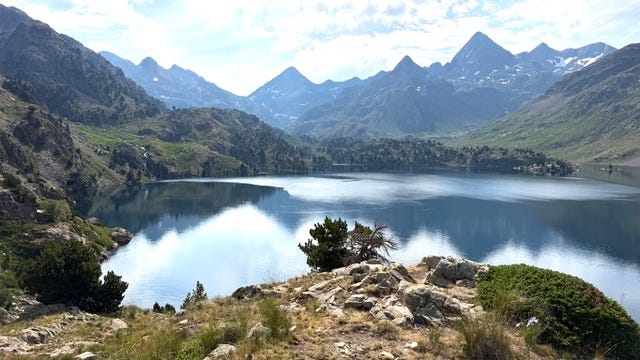
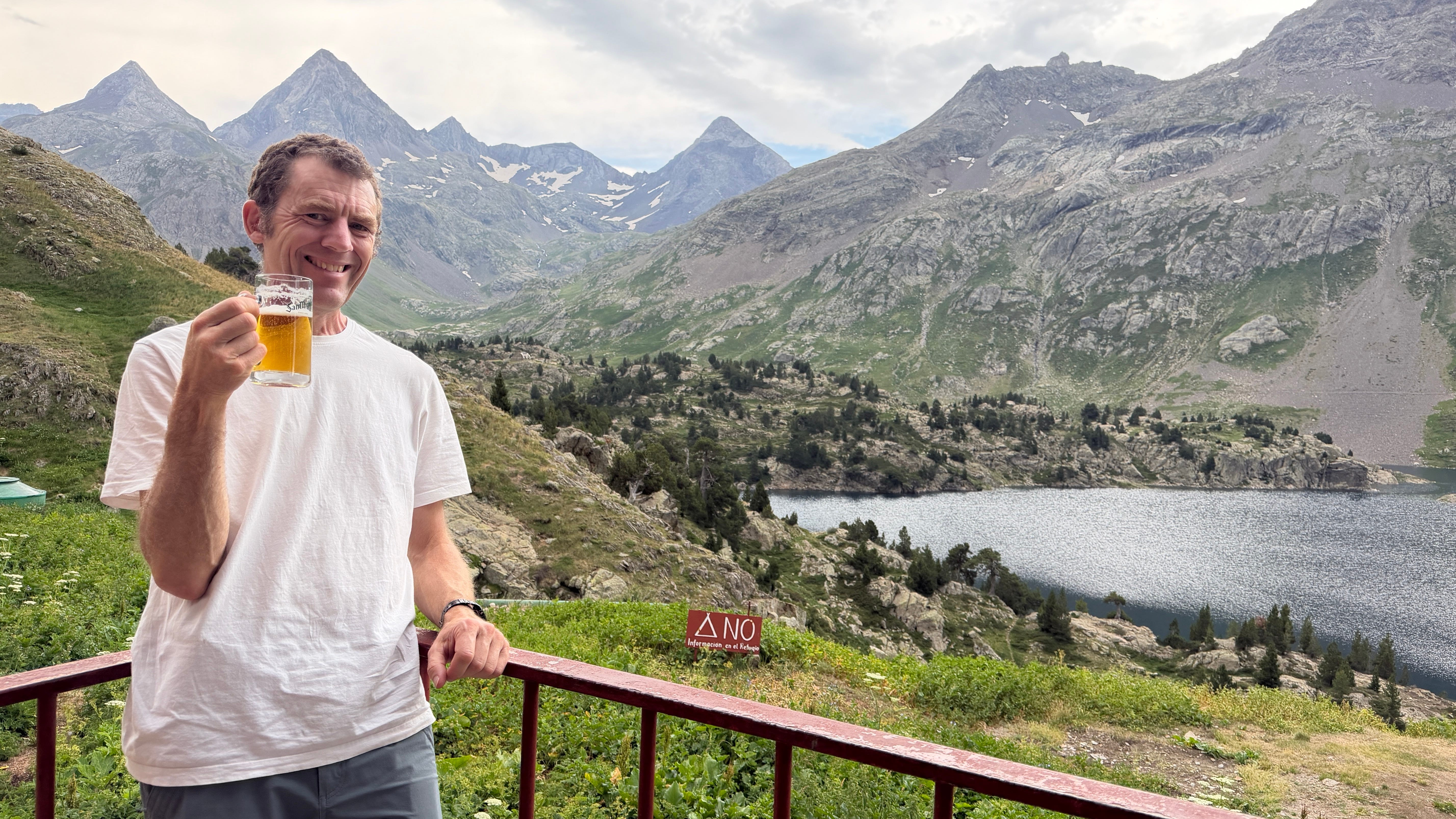
Because there’s nothing, and I mean nothing, in everyday life like trekking non-stop for 3 hours to suddenly crest a steep granite slope and be greeted by a scene like this, the Ibón de Respomuso:
And to wake up at 6am the next morning after an interesting (to say the least) night in the mountain refuge on the bank of the lake, to find the surrounding mountains bathed in a stunning rose-orange dawn light….
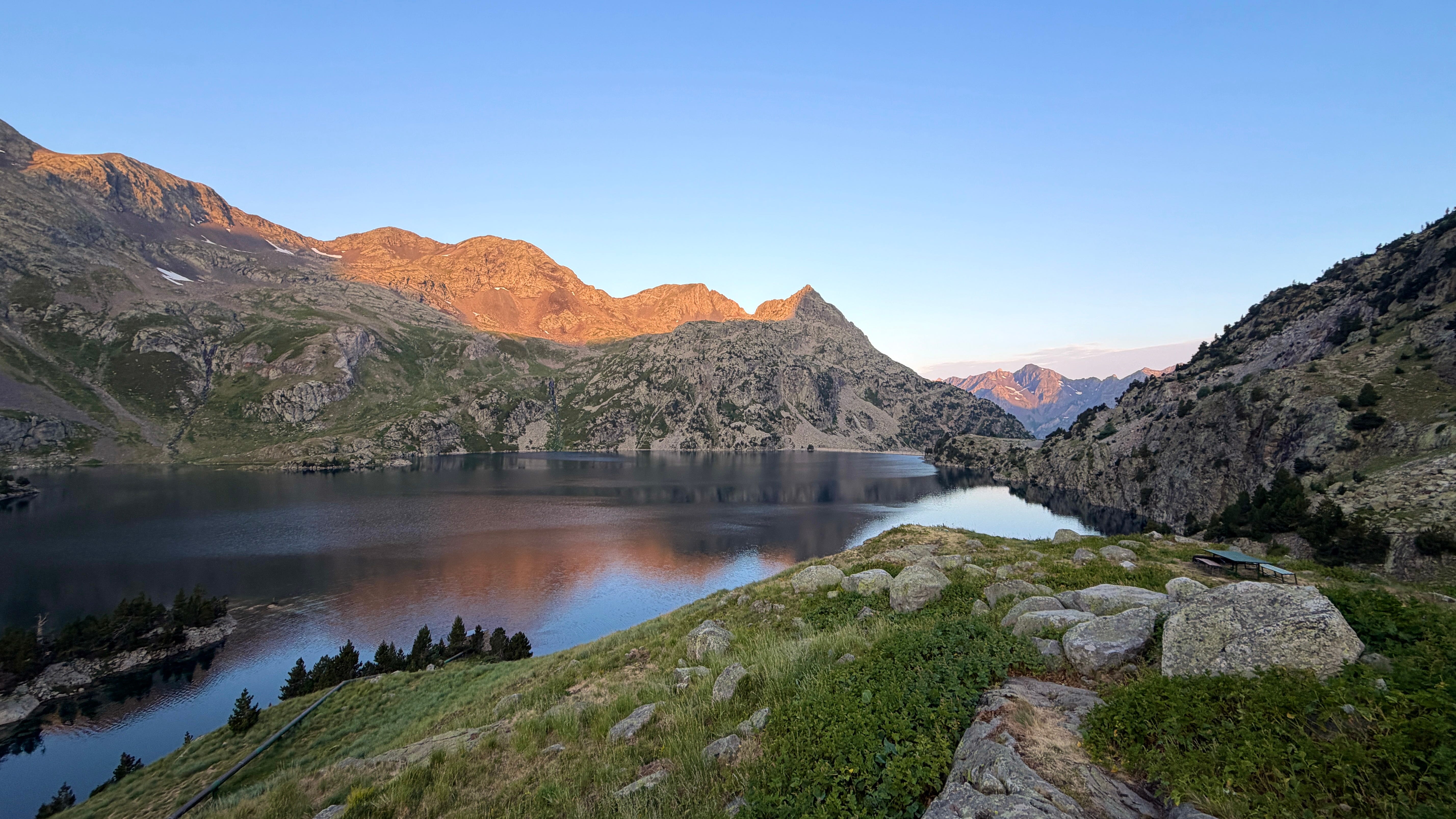
In those two moments, and many more besides, you feel like you’ve been transported to the land of the Gods, and it literally takes your breath away.
Sleep or no sleep, you wouldn’t want to be anywhere else.
Leaving aside, for now, the horrors of that night of joyful refuge-insomnia, let’s talk about the hike.
Starting at the Embalse de La Sarra, you walk slowly and surely up a relatively easy route into the high mountains.
This is the Aragonese Pyrenees, in the province of Huesca near Jaca, some of the greenest and stream-filled parts of these grand mountains.
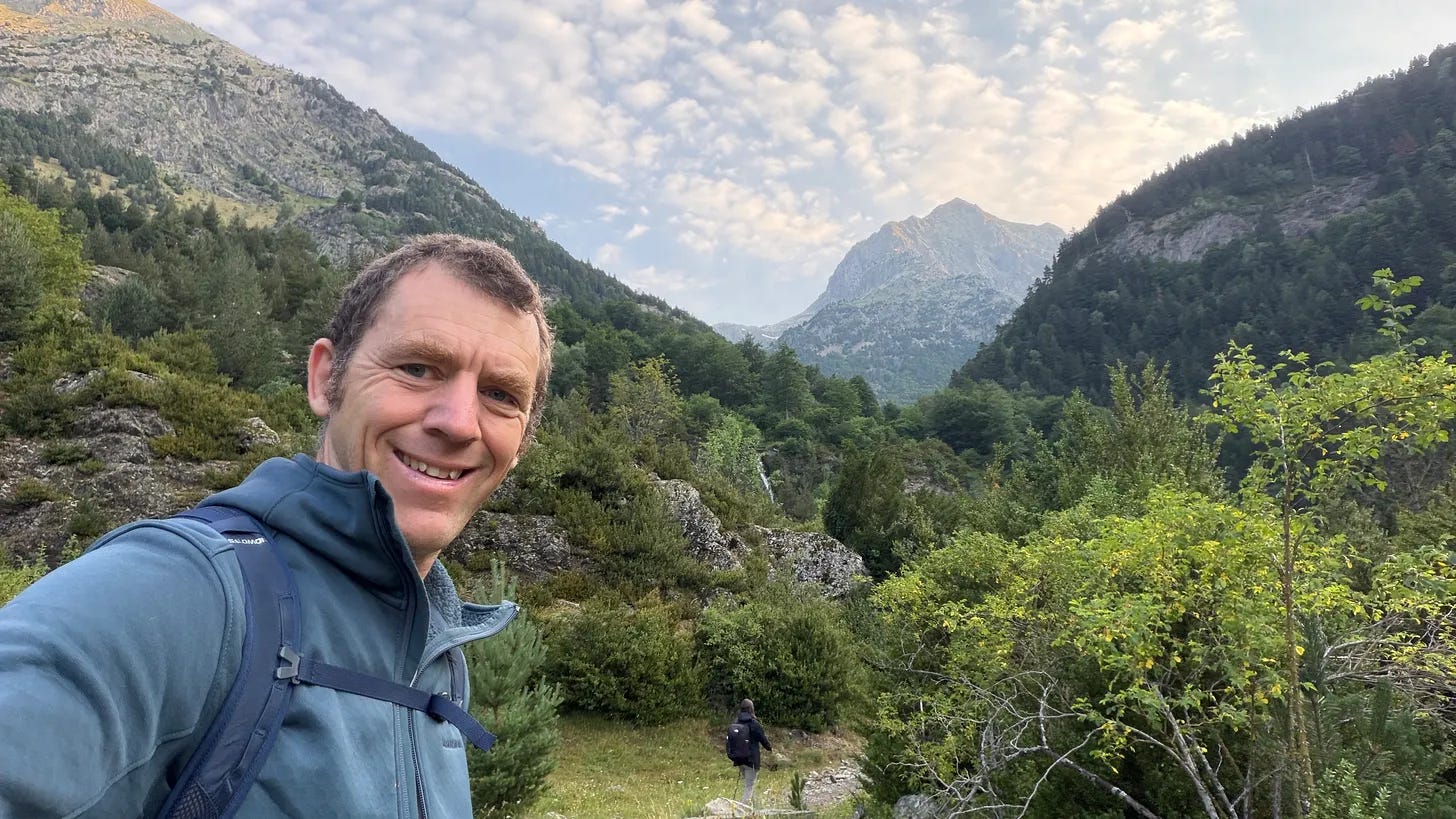
We were following the GR11, a long-distance footpath that goes from the Atlantic in the Basque Country, right over the top of the Pyrenees, to the Mediterranean coast near Girona. The hike we’re sharing here follows one of the most spectacular sections of the entire 4 Week route.
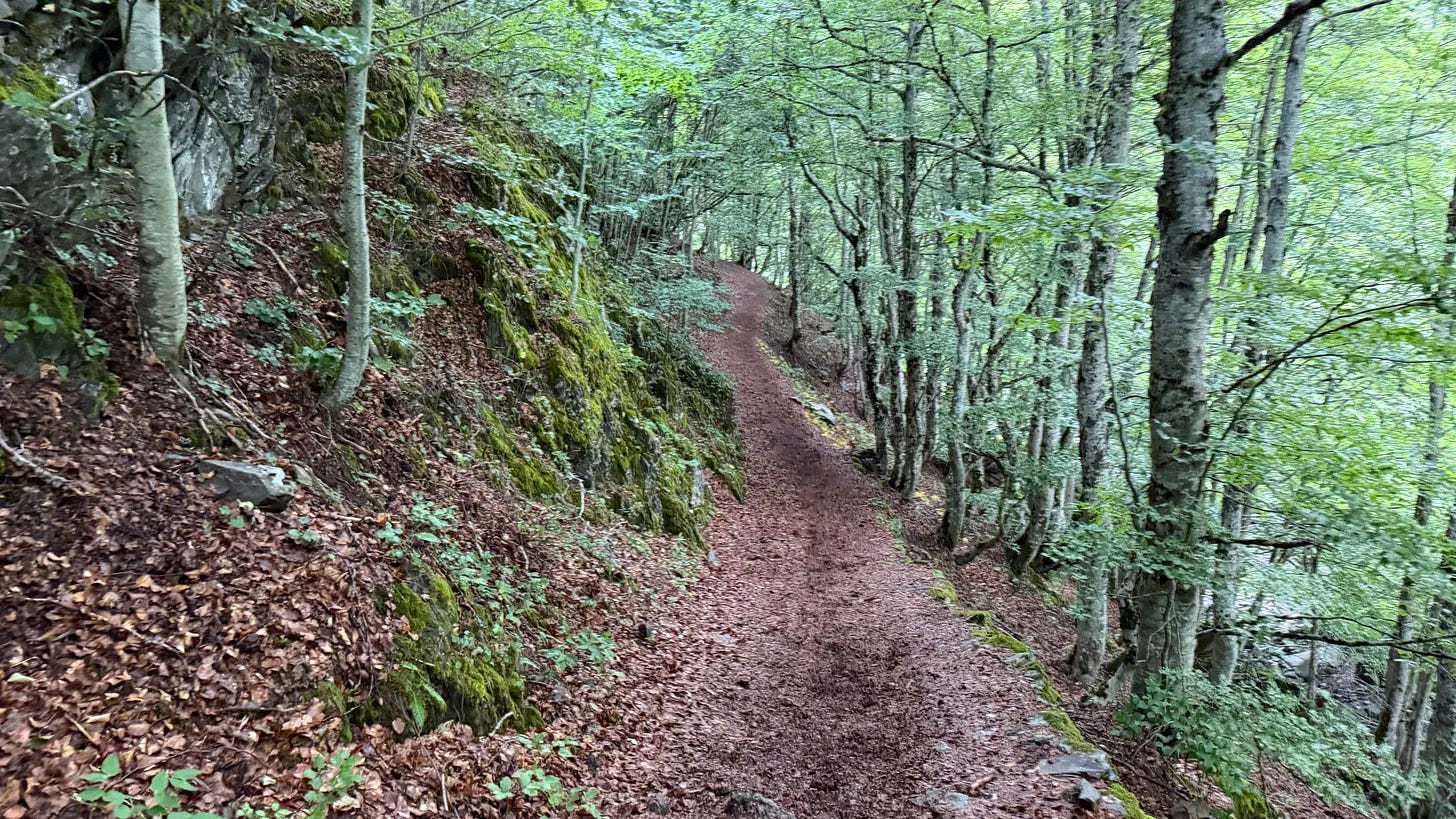
The terrain varies from hard rocky paths (most of the way, challenging if you’re not used to rock-strewn hikes), to soft beech-forest floor…
You pass endlessly tumbling waterfalls (where does all that water keep coming from, even in high summer when most of the snow is long gone and after weeks without much rain?)
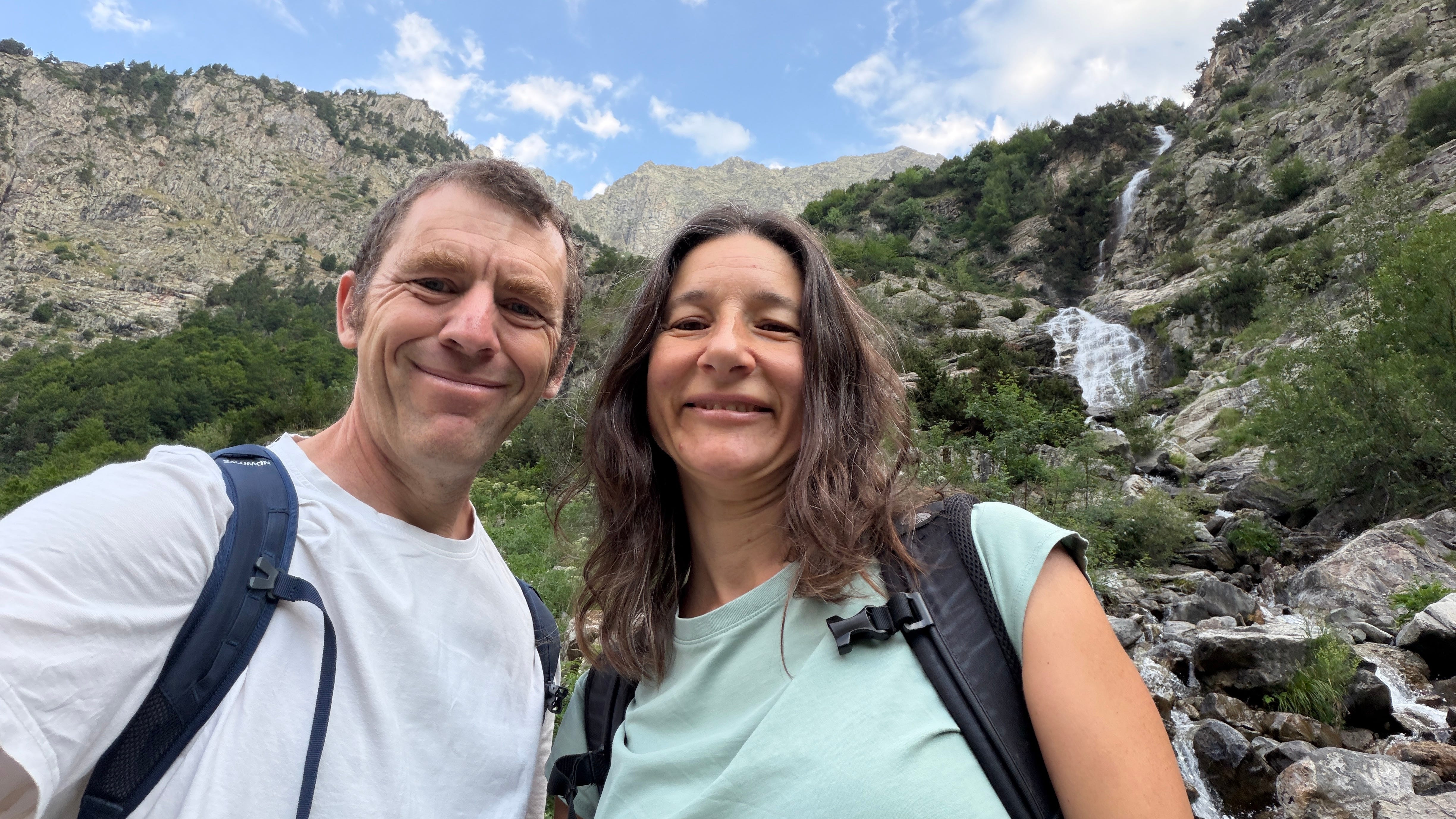
If you’re lucky you’ll spot a marmota (large ground squirrel, or groundhog), and perhaps even a sarrio, a kind of Pyrenean chamois, or small goat-antelope.
In summer, you need to start this hike early, around 7am, to get as much of it done as possible before the sun gets into the valley. You’ll get to the refuge at Respomuso around 10 or 11ish, when they reopen their doors after morning cleaning, having chucked last night’s guests out at 7.30 am.
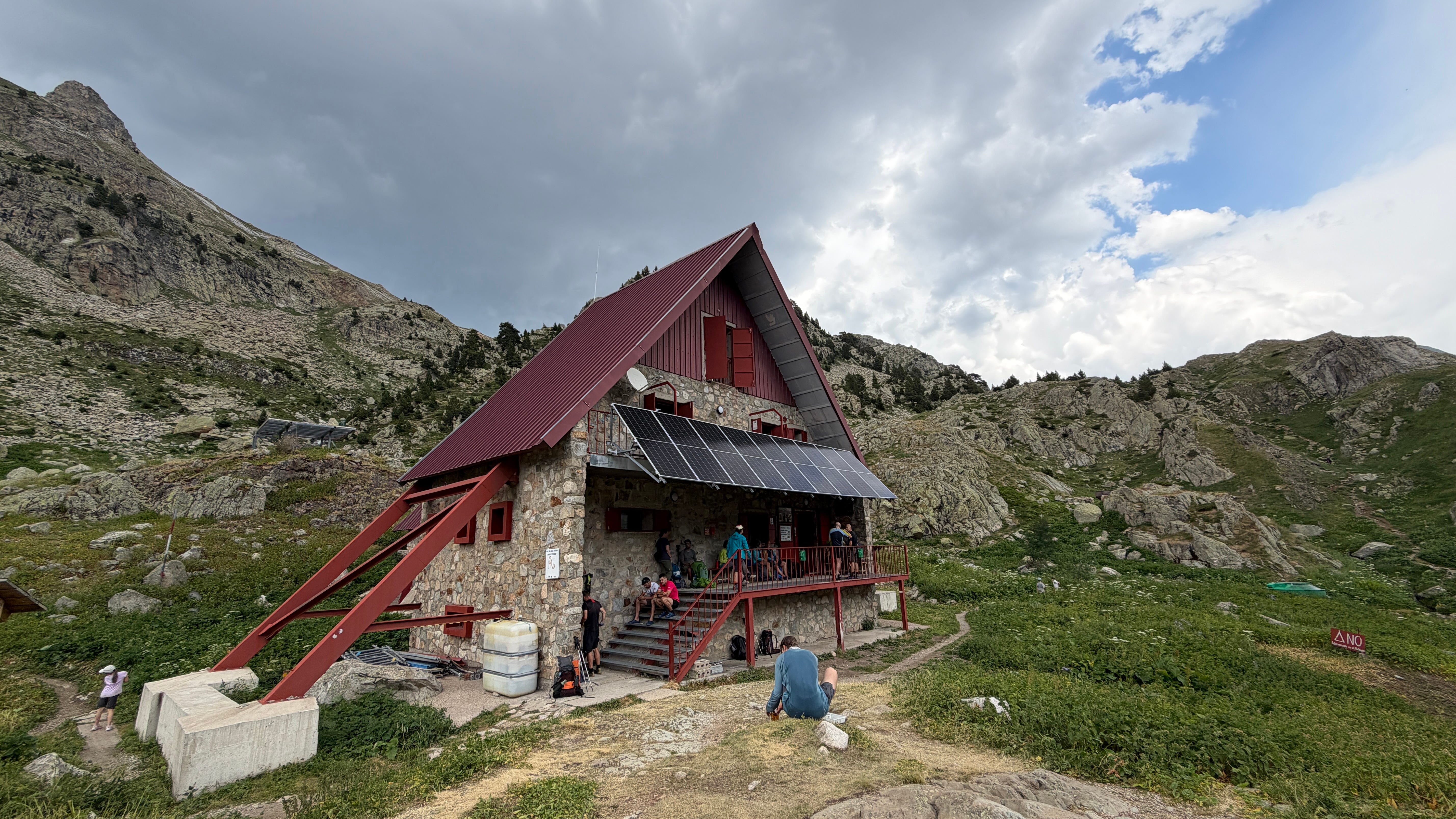
This is when the whole extraordinary refuge experience begins! Apparently the first thing most super-fit mountain trekkers think to do when they get to the refuge, is to drink an enormous jug-like glass of beer!
What’s really impressive is that every barrel of this beer, along with all the other food and drink needed to keep a constant turnover of 100 guests per night fed and watered, is delivered every few weeks in vast cargo shipments that are sent up dangling from a small, agile helicopter.
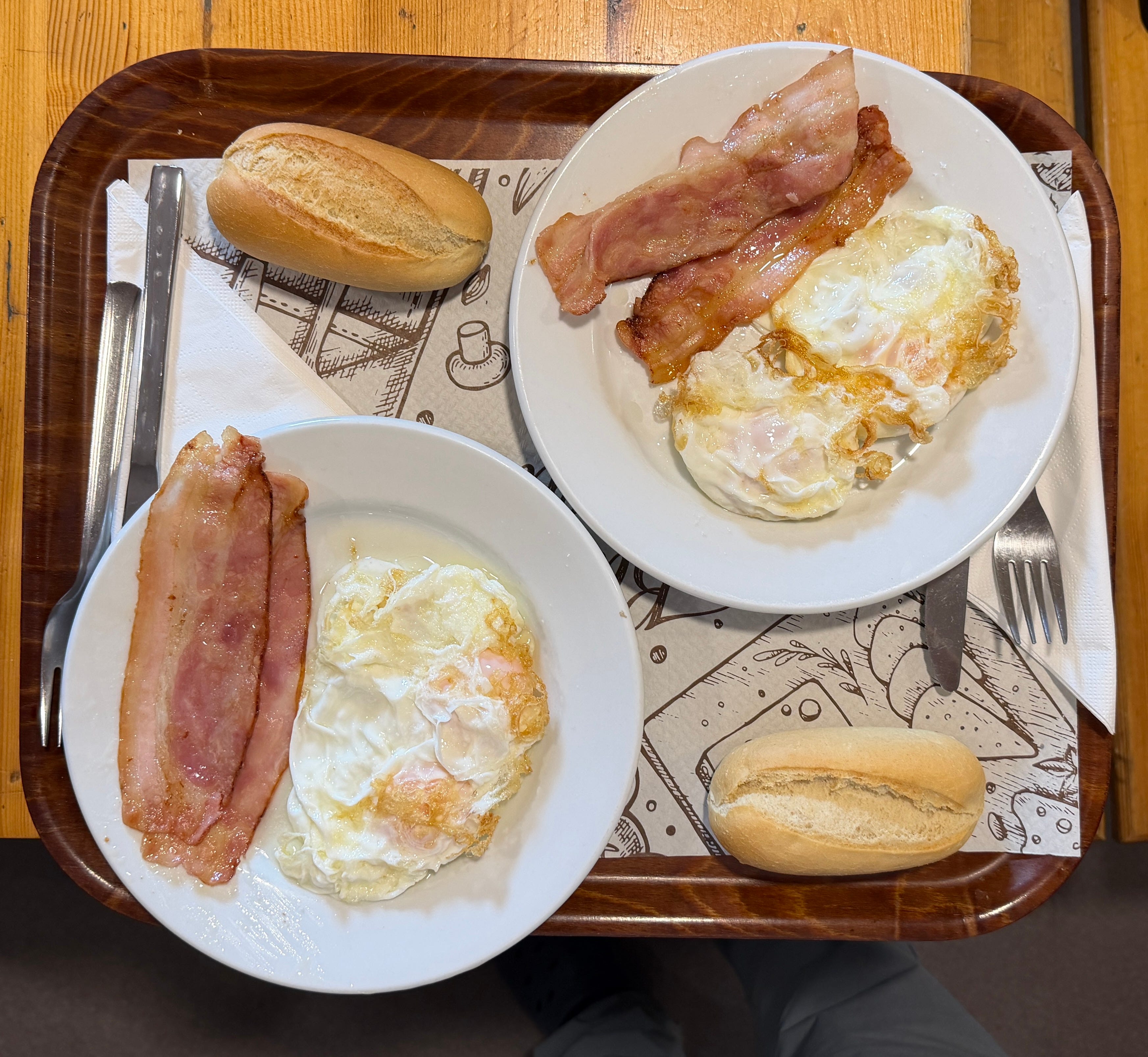
After getting over our initial amazement that the first thing on all these healthy people’s minds was beer, we sat down to an equally healthy refuge lunch….
And then joined them with the beer. It does seem to go down extraordinary well at 2,200 metres (7,200 feet), wit a backdrop of some of the Pyrenees’ most emblematic 3,000m+ (9,800 feet) peaks behind you.
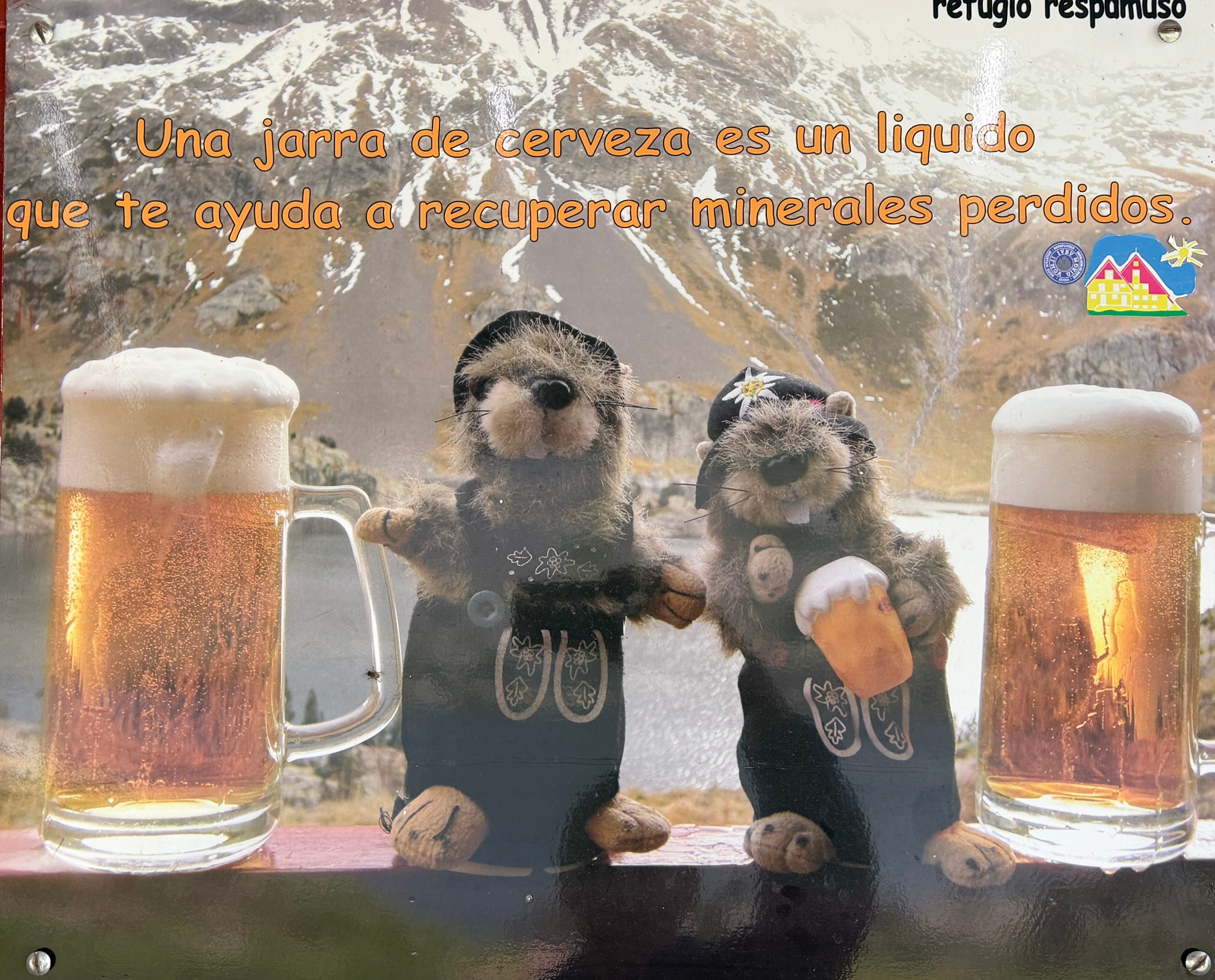
And besides, what could one do with a poster on the wall of two marmotas telling you “Una jarra de cerveza es un liquido que te ayuda a recuperar minerales perdidos.” - A mug of beer is a drink that helps you replenish lost minerals. Now you know why all those fit mountain-types drink it!
We spent the rest of the day lazing around the refuge bar and terrace (replenishing lost minerals), then following the GR11 a little further up the valley, before we were driven back by a short thunderstorm.
Dinner was a sparse affair, a tray handed through a hatch with sopa de fideos, chicken noodle soup, and some kind of pork stew, in possibly the noisiest dining room we’ve ever found in Spain, full of roaring, enthusiastic groups of young hikers up from the Basque country for the weekend, who’d evidently taken the marmots’ advice to heart.
Then, bedtime, and the fun really started.
As in all refuges, you sleep in a communal dorm room, side by side on half-width mattresses arranged on two levels, like giant extra-big bunk beds - 4 up, 4 down, squashed in like sardines.
In total there were 16 in our room (not bad, I’ve been in refuges where 50 share a space), 8 were from our party, 7 from Malaga, which left one slightly alarmed-looking French lady, clearly delighted to see we had 3 kids in tow.
Lights out is at 9.30pm, welcome after such an early start, but things were made more interesting this time because our stay coincided with Spain playing one of their World Cup knock-out matches at 10pm
Which meant before the usual snoring battles even started, we had 3 flickering mobile screens running til past midnight, with occasional stifled cires of ‘¡Vamos!!’ any time Spain got close to scoring a goal.
So, sleep, if it came at all, was fitful and brief. Par for the course in a mountain refuge. The pros take an eye mask and earplugs, but we just assumed we wouldn’t sleep much, and between snores, intense heat, football, and jabbing elbows and knees, we didn’t!
Fortunately, the next morning, after that worth-every-moment-of-suffering sunrise, and without a single regret in the world, we still had the best lunch in Spain to look forward to…
Below, in this week’s bonus guide for our generous paid subscribers, we’re sharing the incredible stream-side lunch we had at the end (probably our favourite restaurant in Spain), plus full route route details for the hike…
Comments
Nothing yet. Say the first thing.
Sign in to join the conversation.