
Hola!
This trip didn’t end up how we expected.
Driving along the Catalan coast towards the Costa Brava, after a wonderful lunch of arroz negro further up the coast in Mataró with a great old friend, we were mesmerised by the beauty of the Catalan interior.
Evening light fell across recently cut cornfields, with great pine and oak forests behind. It was the artist’s dream ‘Golden hour’ in every respect.
Taking in all this beauty, we had no idea that just a few days later we’d be fleeing the area at ten o’clock at night as a huge forest fire engulfed great areas of this countryside, just seven or eight kilometres away from our beach hotel.
But we’ll get back to that later on.
We’d come to the Costa Brava to see my oldest school friend and his family, and to go to one of our most beloved coves on the entire coast of Spain…
If you say, “Costa Brava”, we say, Sa Tuna:
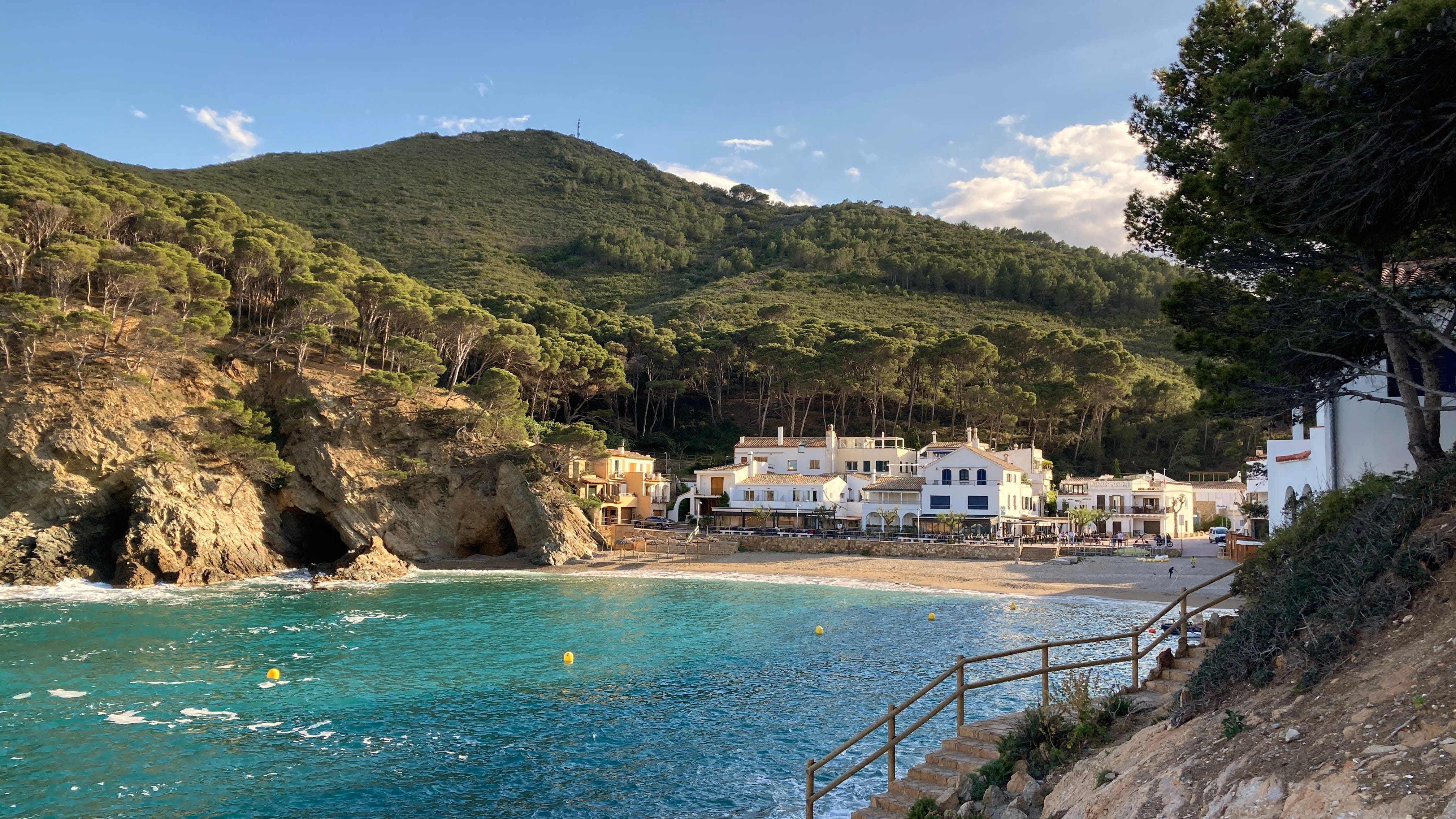
Tucked at the end of a road that winds gently through woods below the town of Begur, this perfect slice of turquoise Mediterranean is surrounded by gold-green pines, erupting between the village’s whitewashed facades and terracotta roofs on one side, and clinging tightly to the rough ochre cliffs on the other.
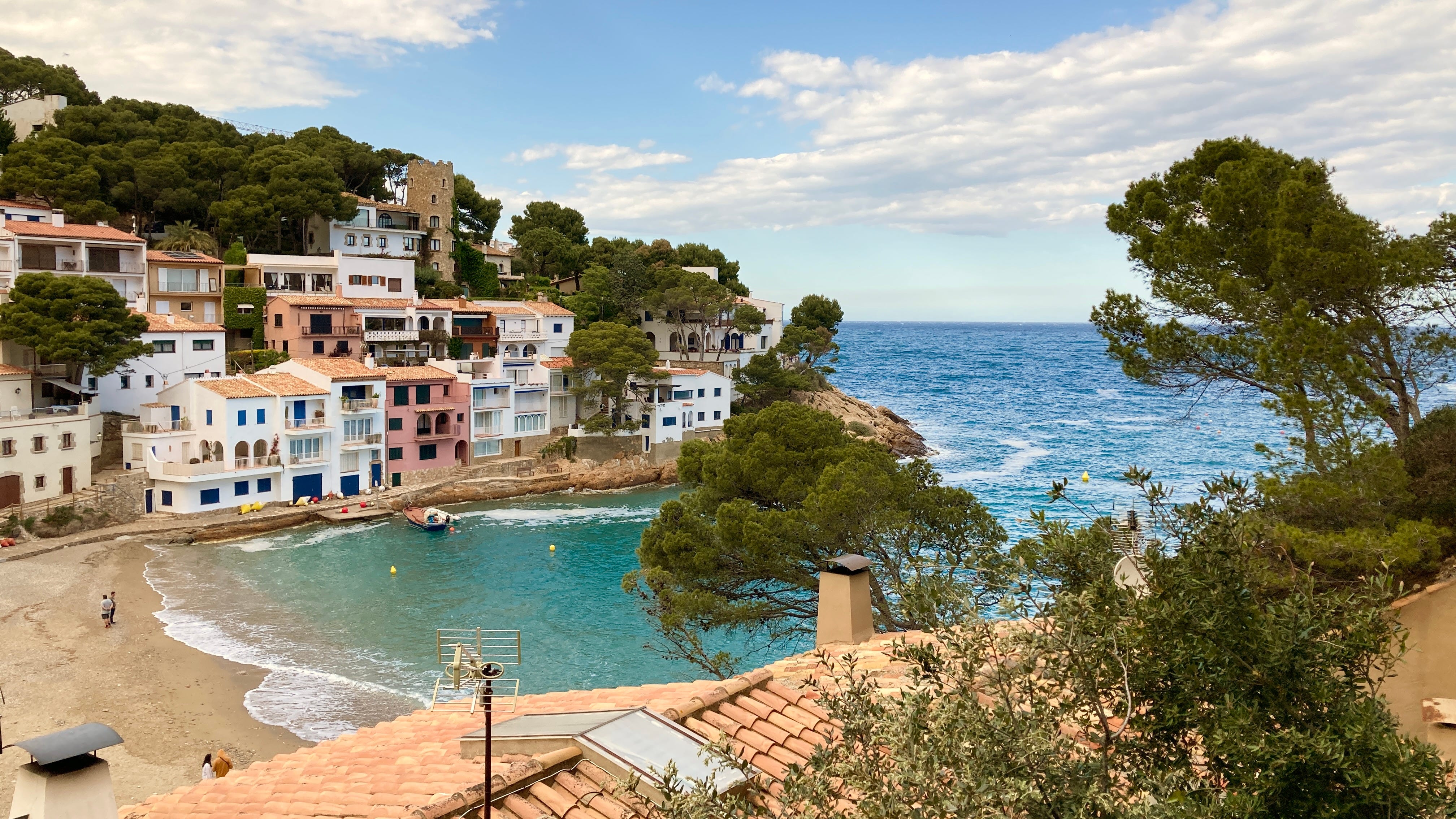
The Costa Brava, or wild coast, is named for its rough days, and by midday it lived up to its reputation, with waves buffeting the boats lined up below the houses.
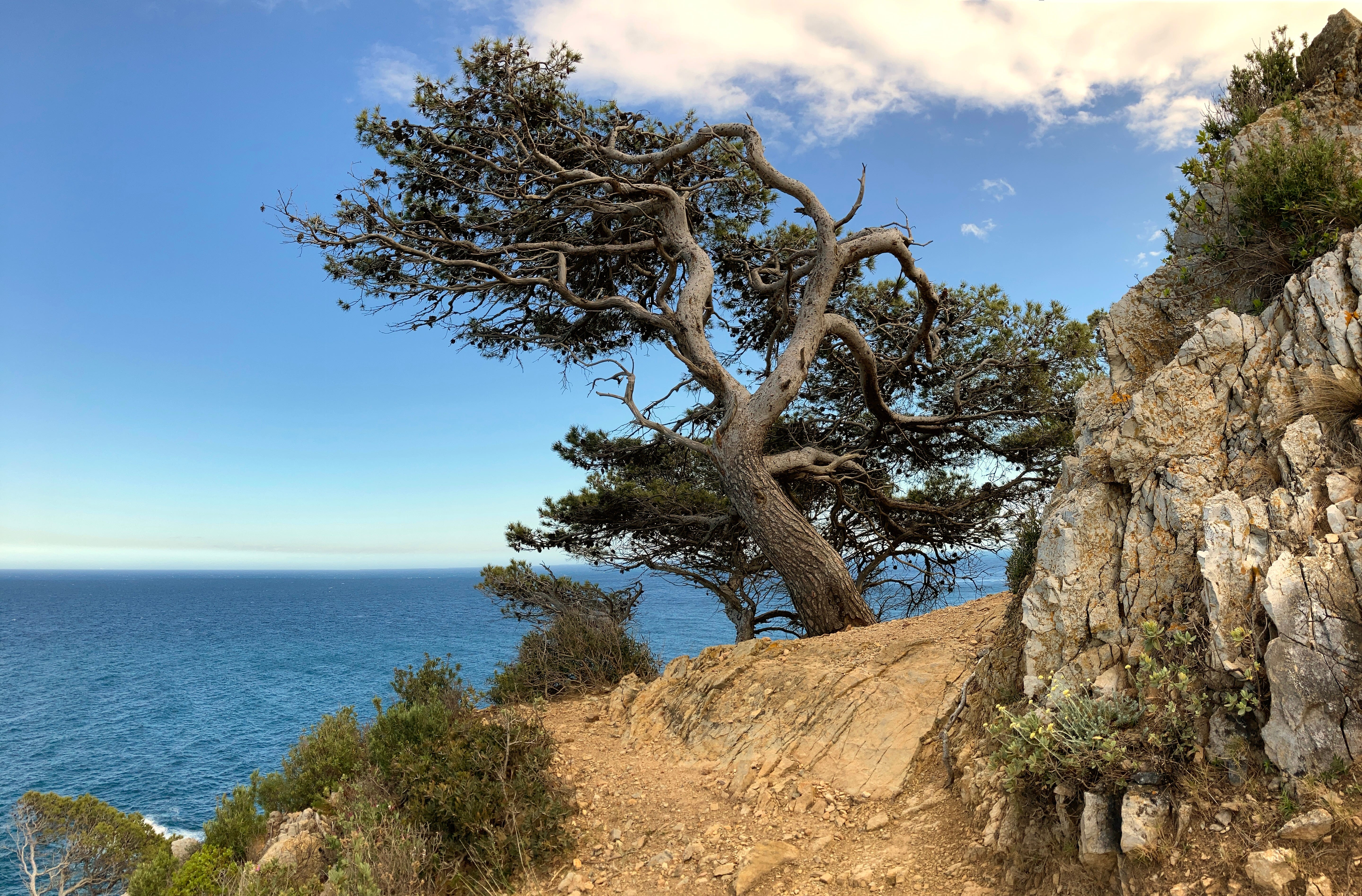
When the sea is less inviting, you can walk along the coast in either direction, but we prefer heading right - as you look out to sea - where you very quickly find yourself on an empty cliff path infused with the aroma of ancient pine and sea air.
Of course, all this landscape is wonderful, but around 2pm you have to get down to the serious business of lunch.
Based on Ben’s memory of a good meal from a couple of years before, we picked the Hostal Restaurant Sa Tuna.
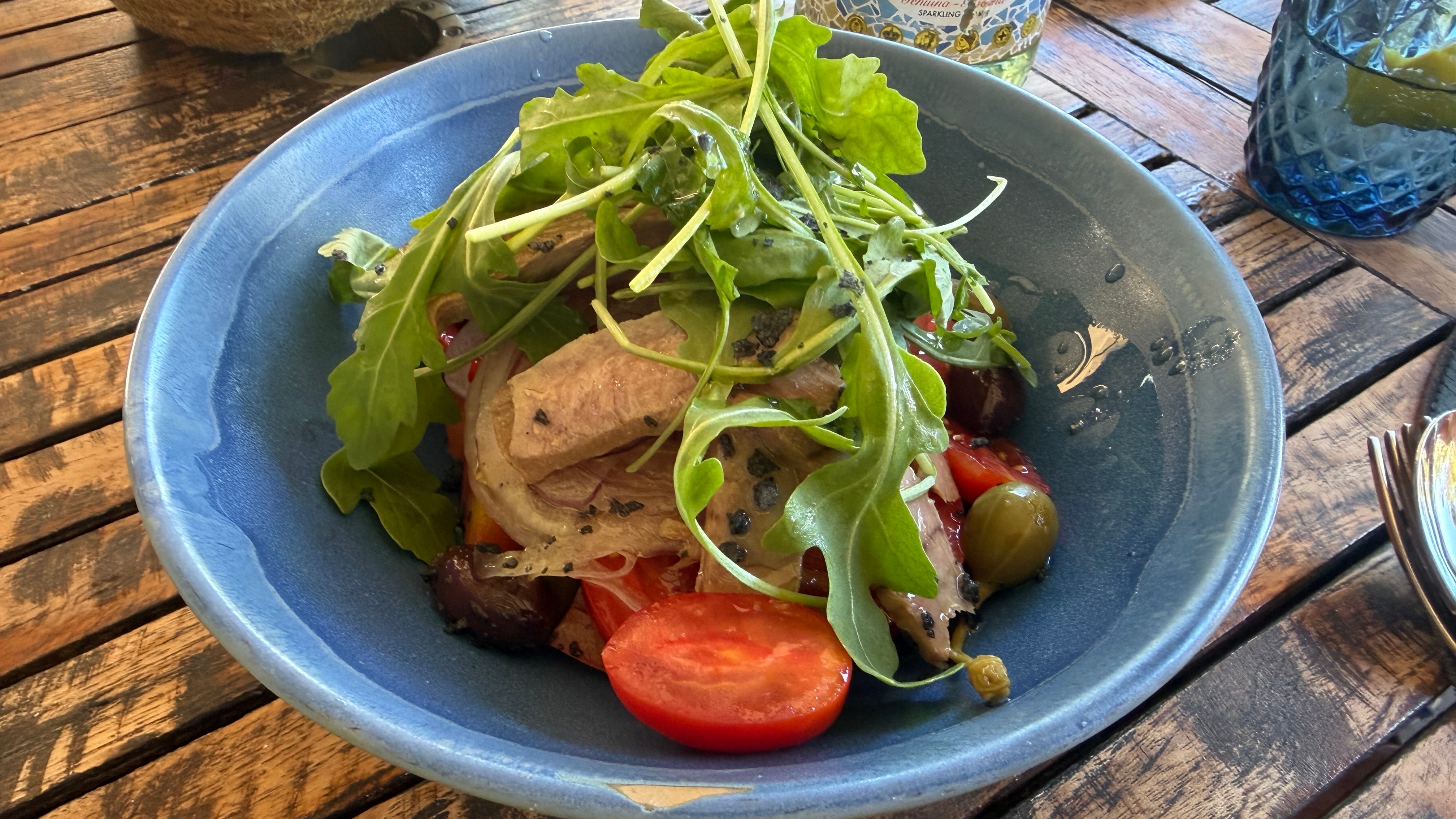
On the cool, shady terrace, with the beach at our feet, we ate ensalada de tomate de la huerta con cebolla de Figueres, ventresca de atún y aceitunas…
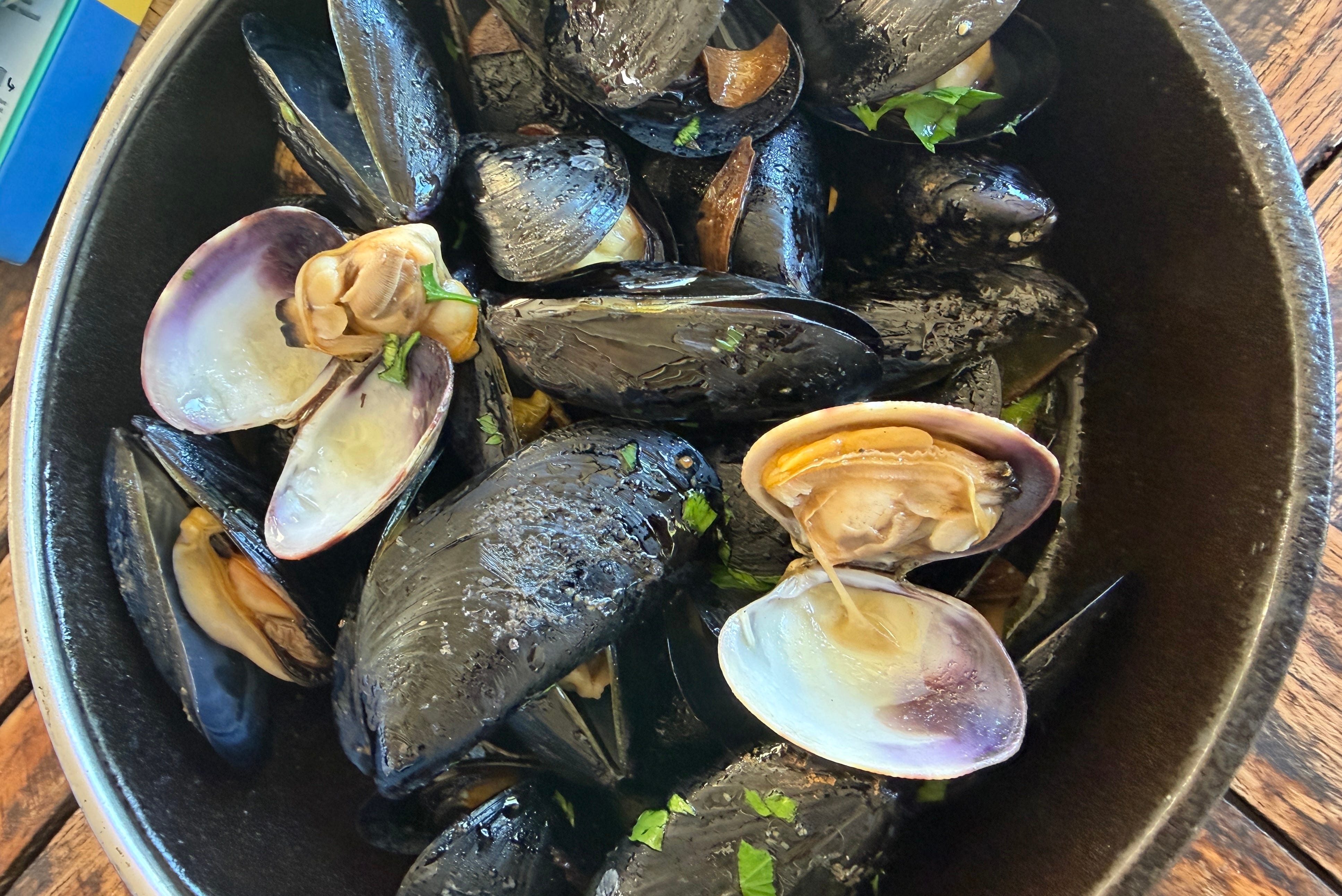
Mejillones y almejas, con ajo y guindilla…
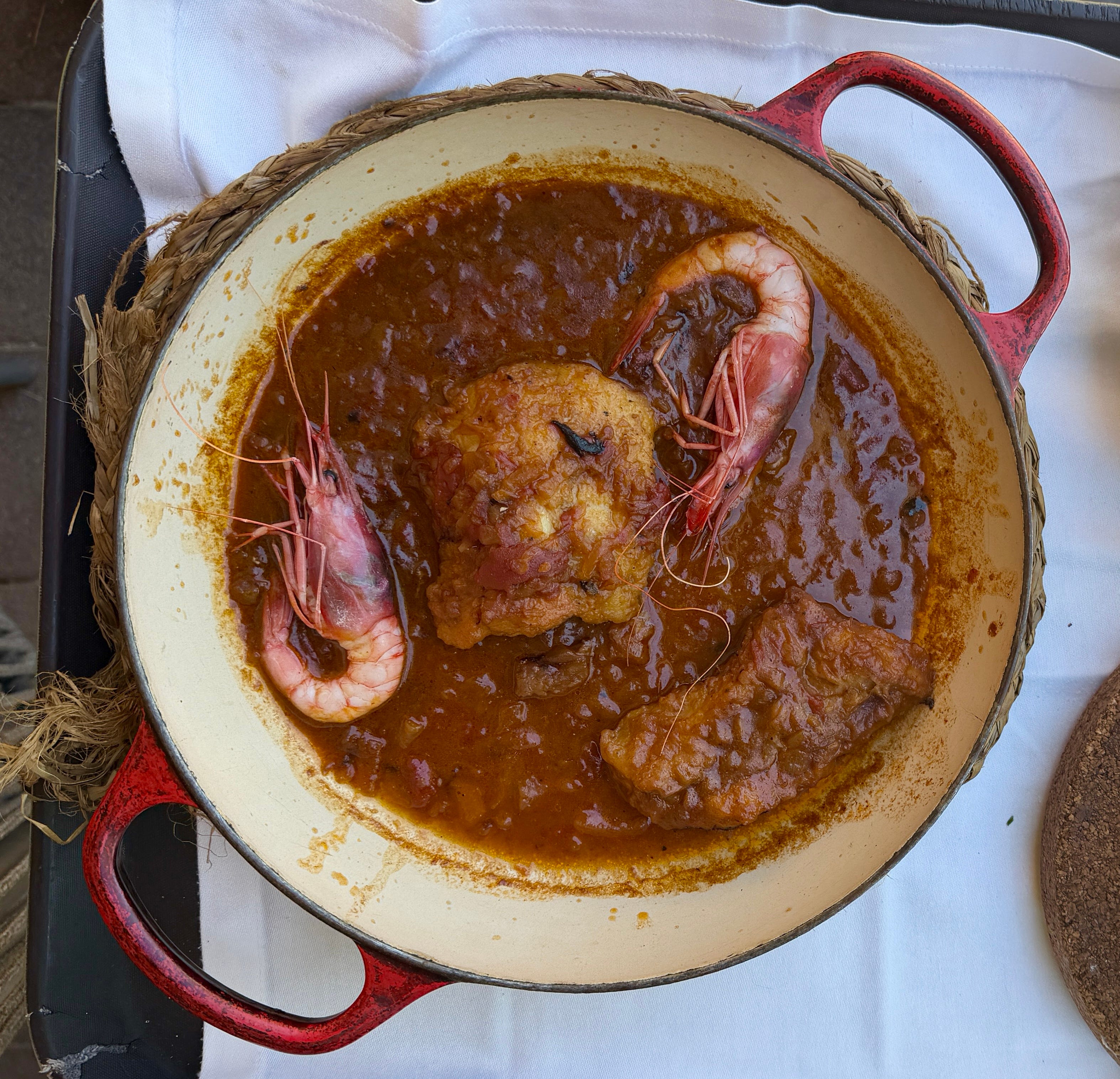
… and “Saquet” de rape y gambas de Palamos…
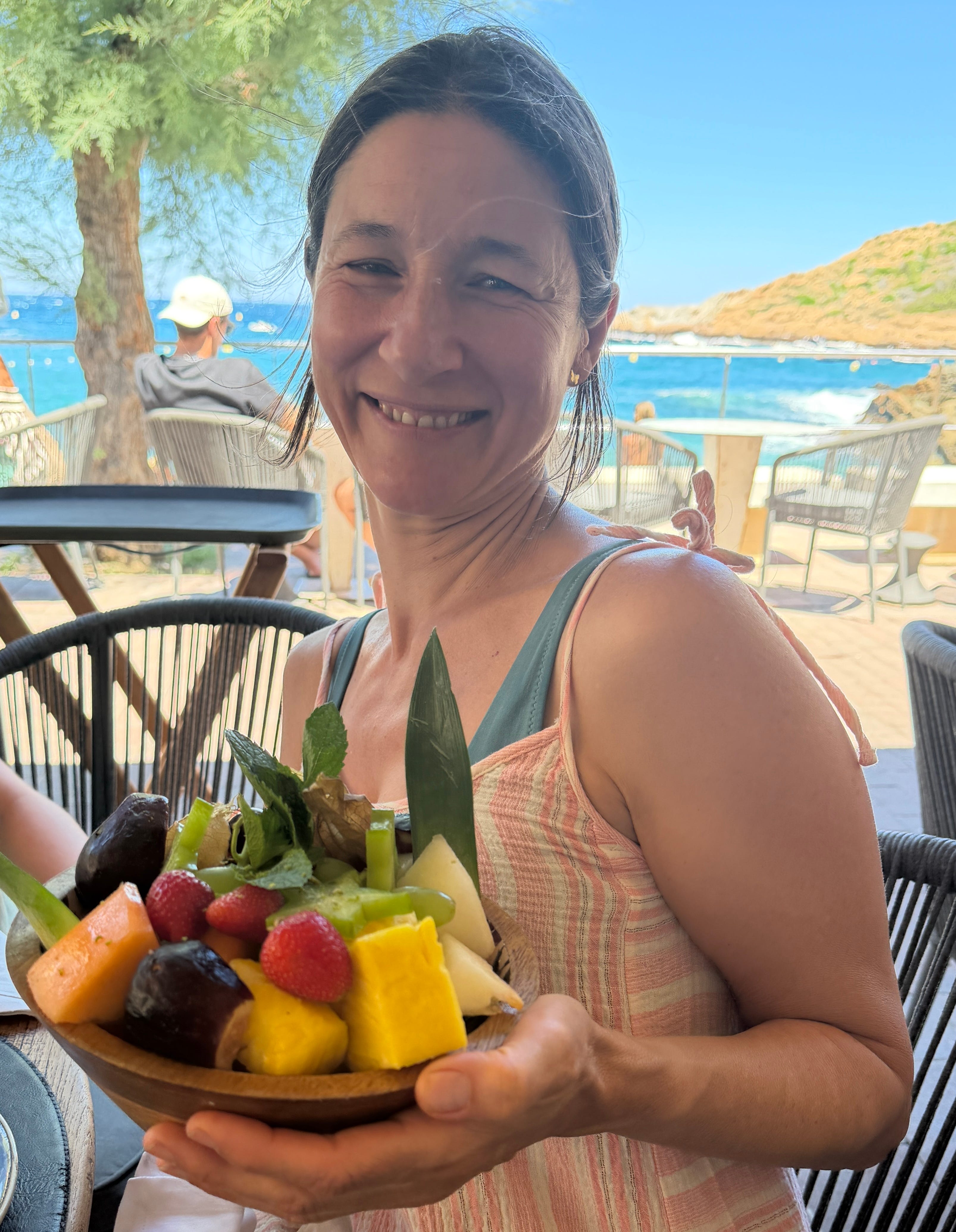
All incredible, but the real treat was the desserts. The fruit salad was, to say the least, impressive:
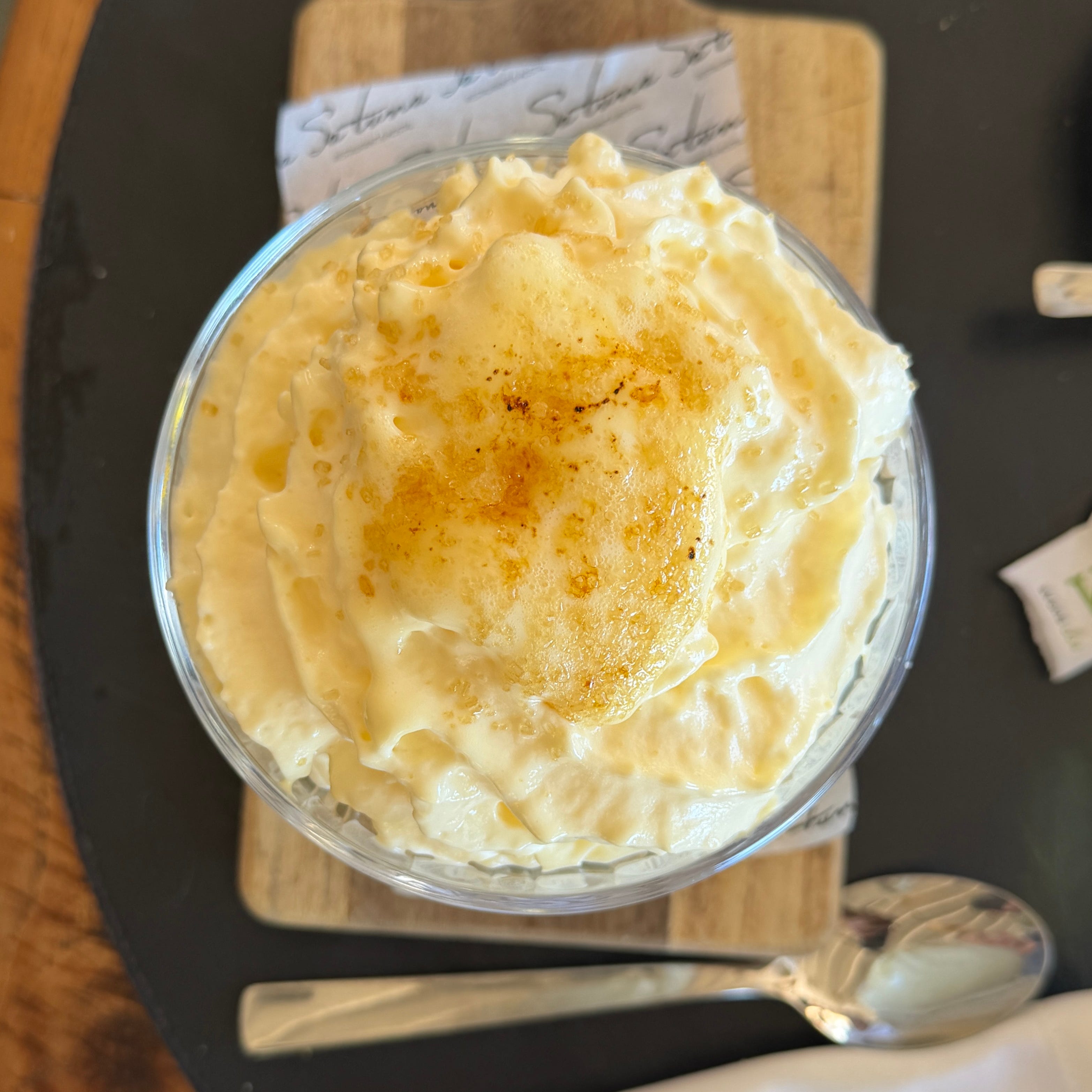
The real winner was the Espuma de crema Catalana con helado de caramelo y piñones… a kind of caramel soufflé so light and delicate you hardly knew it was in your mouth…
If you come to Sa Tuna, avoid July and August, and if you can make it in May or September, you’ll have good weather and this amazing beach practically to yourself.
The following morning, walking along the beach in the nearby town of S’Agaro, we spotted a bizarre cloud gathering inland.
It soon became clear it was from a forest fire, and before long it loomed high above us and far out to sea, obscuring the sun and giving the entire coast a strange orange glow…
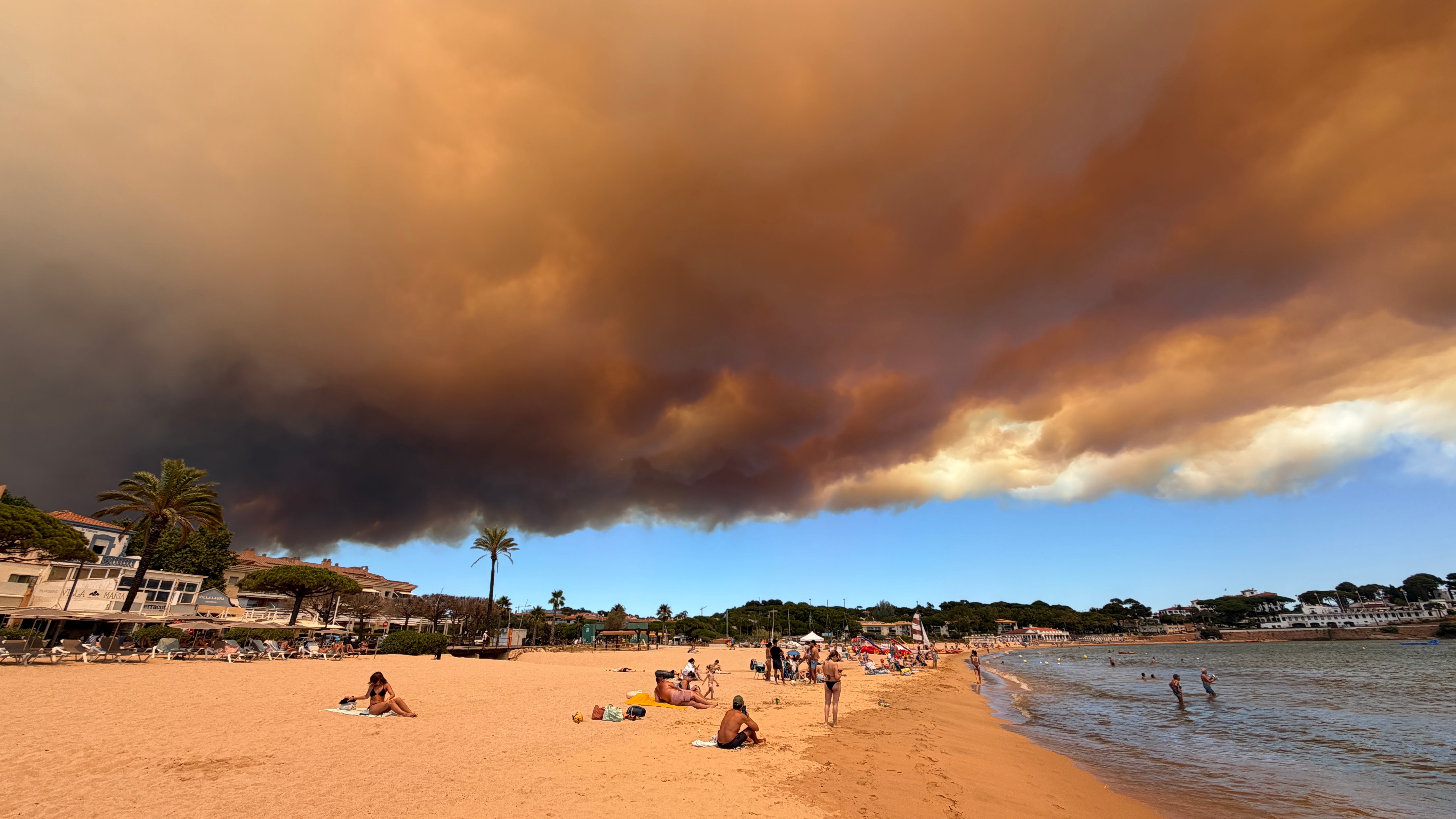
News reports confirmed what we’d already guessed - a wildfire (started accidentally by a worker with an angle-grinder saw) was burning thousands of hectares of fields and forests not 10km inland.
We were due to leave the next morning, but as evening came on, and the fires continued to blaze out of control, we felt uncomfortable about falling asleep in a strange hotel unsure what a wind-change might bring, and made the decision to jump into the car and head home, leaving at 10pm, and getting back to our summer base in the Pyrenees at 3.30 am.
A few days later the fires finally came under control. Sadly 2,300 hectares of land suffered from the fire.
Below, in this week’s bonus guide for our generous paid subscribers, we’re sharing the incredible inland town you have to visit after Sa Tuna, the best beach town to stay in near Sa Tuna, a great place for tapas, and another breathtaking cove and coastal walk.
Comments
Nothing yet. Say the first thing.
Sign in to join the conversation.