
Home · Book · Start here · About · Pricing · Careers · Galleries · Archive . Collecting
Related reading:
How to Organise a Pop-up Art Exhibition: A Complete Guide for Independent Artists
Corporate Art Leasing: A Practical Guide for Independent Artists
How to License Your Artwork: A Complete Guide for Independent Artists
There is a comforting myth that the art world is a pure meritocracy: a fair playground where brilliant talent always rises to the top. But anyone who has spent time behind the scenes knows the reality is far more transactional, exclusive, and rigged.
The fine art world faces constant criticism for nepotism, bias, geographic inequality, and a reliance on family wealth. It isn’t the only industry with these problems, but it is uniquely vulnerable to them because of a few simple realities:
Success is completely subjective. There are no bar exams, licensing boards, or standardized tests for artists.
Careers take forever to launch. It often takes a decade before an artist sees a stable income.
Early careers pay terribly. Surviving the first few years usually requires outside financial help.
Connections are everything. Reputation is built entirely on personal trust and word-of-mouth.
The market is “winner-takes-all.” A tiny fraction of artists captures almost all the money and spotlight.
Institutions hold hands. Museums, galleries, collectors, and schools constantly validate one another’s choices.
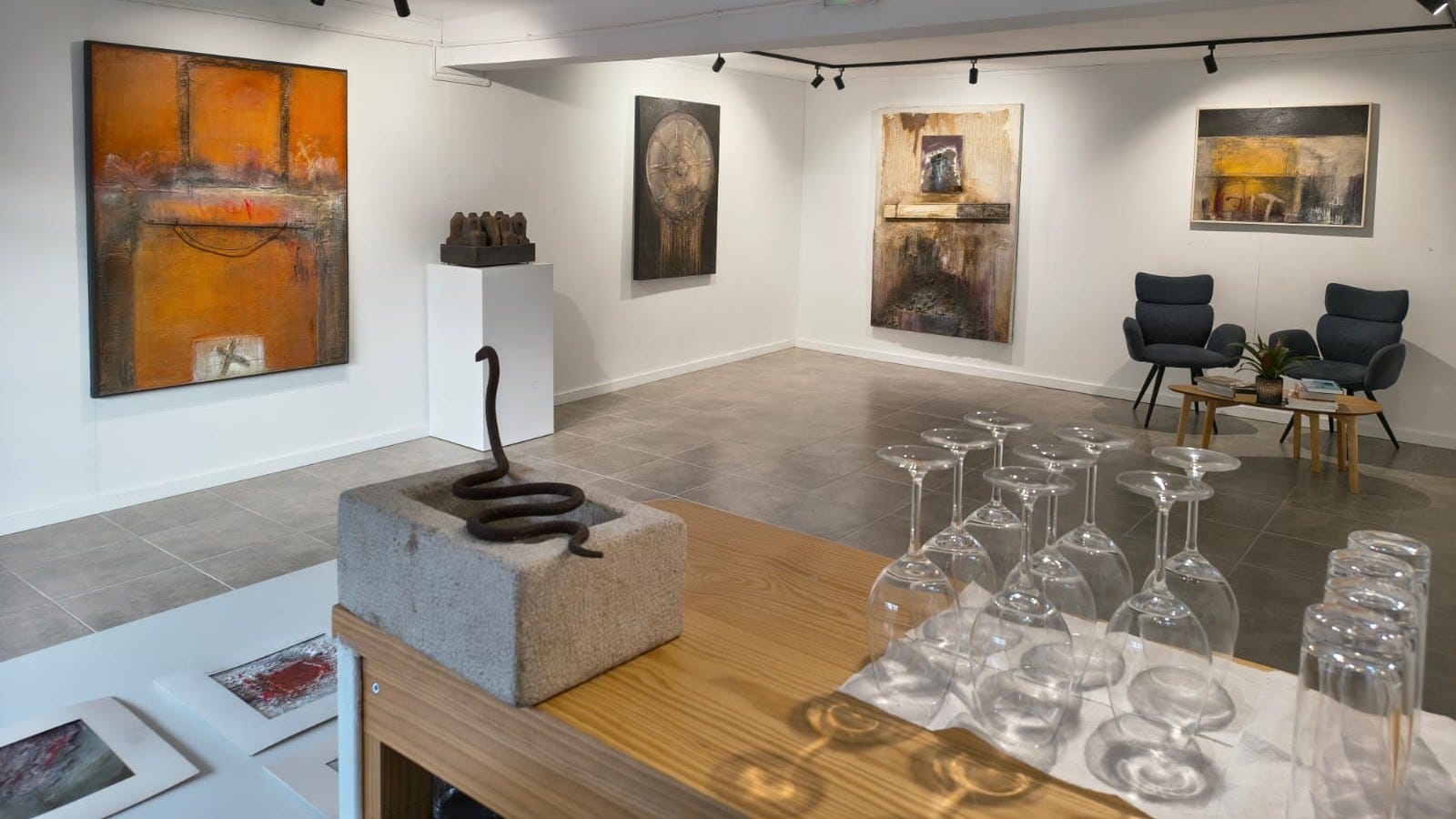
When frustrated artists hit these roadblocks, they usually point to one big culprit: Gatekeeping.
We often picture gatekeeping as a single massive wall guarded by elite dealers, ultra-wealthy collectors, and powerful curators whose sole job is to keep outsiders out. But treating it as one big barrier misses how the system actually works.
In fine art, gatekeeping isn’t a single “no.” It is a continuous series of subtle filters that slowly convert social and financial privilege into recognized talent. Talent matters, but on its own, it’s rarely enough.
An artist’s career rarely fails because of a single dramatic rejection. Instead, careers stall because artists simply can’t afford to stay visible long enough to be noticed. By the time an artist gets a major solo show at the Tate or MoMA, the museum isn’t making a wild “discovery.” It is simply approving a chain of dominoes that started falling years, or even decades, earlier.
Here are the five main forces driving this bias:
1. Family Wealth: The Ultimate Safety Net
The first five years of making art require serious upfront cash: studio rent, expensive materials, application fees, high-res photography, and shipping.
Family wealth acts as a permanent shock absorber. It allows artists from rich backgrounds to take unpaid gallery internships, accept low-paying residencies in expensive cities, and work full-time in the studio without burning out at a day job. In a field where it takes ten years to get traction, wealth isn’t just a bonus; it’s an insurance policy against having to quit.
Those without wealth often have to balance their career with a job which reduces the time they can create, resulting in a longer time before they can make a living solely from art.
2. Why Geography Still Matters in the Art World
The internet lets anyone share their work, but real-world validation is still stuck in a few hyper-expensive cities: New York, London, Berlin, Paris, and Hong Kong.
Curators and gallery owners make decisions based on casual studio visits, local gallery walks, and coffee chats. If you live outside these major hubs, your work can be brilliant, but it remains functionally invisible to the people who hold the keys. That said, geography is not destiny. I know artists who have built long, successful careers outside the major art hubs. While they may never secure representation from a blue-chip gallery, they have developed loyal collectors, exhibited widely, and built sustainable businesses on their own terms.
3. Elite Art Schools and the Power of Professional Networks
Because art is subjective and risky to buy or showcase, the industry relies on trusted networks. This makes elite Master of Fine Arts (MFA) programs, like those at Yale, Columbia, or the Royal College of Art, massively powerful.
These schools don’t just teach art; they sell access. Top dealers and curators flood their graduation shows. An artist in this pipeline often lands a gallery deal before graduating, while an equally talented outsider has to spend years trying to build that same credibility from scratch.
4. How Museums and Institutions Reinforce Existing Power
Museums like to present themselves as progressive, but their choices are often conservative. To get exhibited, an artist’s work must fit a very specific, academically approved language.
Curators face tight budgets, limited space, and pressure from wealthy board members who fund the museum. As a result, they stick to work that easily fits existing, familiar narratives. Work that comes from different cultural backgrounds or challenges these norms is often skipped, not because it’s bad, but because it feels “too risky” or hard to explain.
5. How the Commercial Art Market Shapes Artistic Success
The commercial art market is an unregulated playground for the mega-rich. Because art pricing is entirely subjective, prices are driven by speculation, social status, and trends among wealthy buyers.
When a small group of billionaire patrons decides what is valuable, galleries adjust their rosters to match. This creates a feedback loop: market hype leads to gallery representation, which pays for bigger studio projects, which eventually forces museums to pay attention. Financial value ends up driving artistic value.
None of this means artists from modest backgrounds cannot succeed. Every generation produces remarkable exceptions who break through despite enormous obstacles. You can still succeed without privilege, but it often takes longer and needs more effort. Two artists with equal talent rarely begin from the same starting line.
Even artists who do everything “right” often rely on timing. A curator changes institutions. A collector discovers a studio visit through a mutual friend. A cultural movement suddenly makes an artist’s work feel relevant. Luck cannot be manufactured, but consistent visibility dramatically increases the chances of being in the right place when opportunity appears.
In many ways, surviving long enough is itself a competitive advantage. Every year talented artists leave the profession because of financial pressure, family responsibilities, or burnout. I have seen this happen a lot. Simply remaining active and producing strong work over a decade quietly increases the odds of meaningful recognition.
Many artists try to bypass the system entirely using social media or selling directly to collectors online. While the internet is useful for making sales, it rarely confers the long-term cultural authority needed for museum shows or art history books.
A better strategy isn’t trying to tear down the gate. It’s understanding that the system is a loose network of many smaller doors. You can’t eliminate gatekeepers, but you can make yourself less dependent on any single one of them.
Not every successful artist wants museum representation. Many build sustainable careers through commissions, licensing, teaching, public art, design collaborations, or direct relationships with collectors. These paths may carry less institutional prestige, but they can offer greater creative and financial independence.
Avoid jumping on quick stylistic trends. Build a cohesive, thoughtful body of work over several years to show curators you have long-term vision.
Skip chasing top-tier commercial galleries right away. Put your energy into artist-run spaces, independent open calls, and regional non-profits to build real peer credibility. Organize you own exhibitions to gain visibility and sales. Use low cost pop-up exhibitions to promote yourself and your art. I know from experience that these work to get the attention of gallery owners.
A lot of career friction is just messy administration. Keep high-resolution photos of your work, an updated CV, and a clean website. When a curator looks at your site, make it effortless for them to understand your path.
Skip transactional networking. Build genuine relationships with fellow artists, independent writers, and junior curators around shared ideas. These peers are the people who will be curating and writing the history of tomorrow.
Read widely, write about your own work, and understand the conversations your practice contributes to. Curators aren’t only looking for skilled makers, they’re looking for artists with a clear perspective and an evolving body of ideas.
The ultimate irony of the art world is that instant success doesn’t guarantee a lasting legacy. Plenty of artists who trended wildly in the market are completely forgotten twenty years later. On the flip side, history is packed with artists who were ignored for decades simply because the culture hadn’t caught up to them yet.
Longevity in art is rarely about one “big break.” It is the steady accumulation of small wins: a local show that matters, an article written by a thoughtful peer, or a small collection that holds your work long before a museum notices.
Understanding how the art world works isn’t about becoming cynical. It’s about recognizing where the real obstacles lie so you can spend your energy on the things you can control: making stronger work, building genuine relationships, documenting your practice, and staying active long enough for opportunities to compound. The gatekeepers are real, but they are only part of the story. Over time, consistent practice, community, and persistence remain some of the most powerful forces an artist has.
What is gatekeeping in the art world?
Gatekeeping refers to the individuals and institutions that influence which artists receive exhibitions, gallery representation, funding, media coverage, and museum acquisitions. Rather than being controlled by one group, gatekeeping happens through a network of galleries, curators, collectors, critics, and art schools.
Is the art world really meritocratic?
While talent matters, factors such as wealth, location, education, and professional networks often influence who receives exhibitions, gallery representation, and institutional recognition.
Why is it so difficult to become a successful artist?
Building an art career often takes years of consistent work while earning little income. High costs, limited exhibition opportunities, subjective decision-making, and intense competition make it difficult for many artists to remain active long enough to gain recognition.
Can artists succeed without an MFA?
Yes. Many successful artists build careers through artist-run spaces, independent exhibitions, online audiences, and relationships with collectors. An MFA can provide valuable networking opportunities, but it is not the only route.
Does social media replace galleries?
Social media can help artists sell work, grow an audience, and connect directly with collectors. However, it generally does not carry the same institutional credibility as gallery representation, museum exhibitions, or critical publications.
Why do so many artists struggle financially?
Art careers typically take years to establish, while studio costs, materials, and living expenses create significant financial pressure long before income becomes stable.
How long does it take to build an art career?
For many artists, it takes between five and fifteen years of consistent practice before achieving stable gallery representation, regular exhibitions, or sustainable income. Career timelines vary widely depending on opportunities, resources, and individual goals.
Can you make a living as a fine artist?
Many artists earn a living by combining artwork sales with teaching, commissions, grants, licensing, residencies, workshops, or freelance creative work. Building multiple income streams is common, particularly during the early stages of a career.
How can emerging artists improve their chances of success?
Artists can strengthen their careers by consistently producing high-quality work, maintaining professional documentation, applying for exhibitions, building authentic relationships, participating in artist-run initiatives, and remaining active over the long term.
If you want to learn more about how the art world works for professional artists my book How To Price, Market And Sell Your Art, is a practical guide based on 30+ years inside galleries, exhibitions, and the international art market.
Related reading:
How to Organise a Pop-up Art Exhibition: A Complete Guide for Independent Artists
Corporate Art Leasing: A Practical Guide for Independent Artists
How to License Your Artwork: A Complete Guide for Independent Artists
No posts
Comments
Nothing yet. Say the first thing.
Sign in to join the conversation.