
My players found a mega-dungeon I hadn’t built yet and they weren’t even looking for it. They were hunting a stolen piece of the Rod of Seven Parts somewhere in Neverwinter, casting locate object across the city. They tried the Neverdeath Graveyard first because that’s where they’d first encountered the Vecna plotline at the start of the campaign. The spell pinged on lead. They cast it again and refined for the actual material itself and hit on something else entirely.
I’d been sitting on this dungeon for over a year. It was tied to one player’s backstory and planned for much later, after I’d actually built it. I improvised the entrance at the table (after some faux hesitation of “checking my notes”) with some pretty damaging traps to try and dissuade them. But when it was clear they were committing to exploring the place, I called the session early so I could go build the rest.
This post is about how I built it. The next post will share the dungeon itself, written up as a one-shot you can drop into your own games.
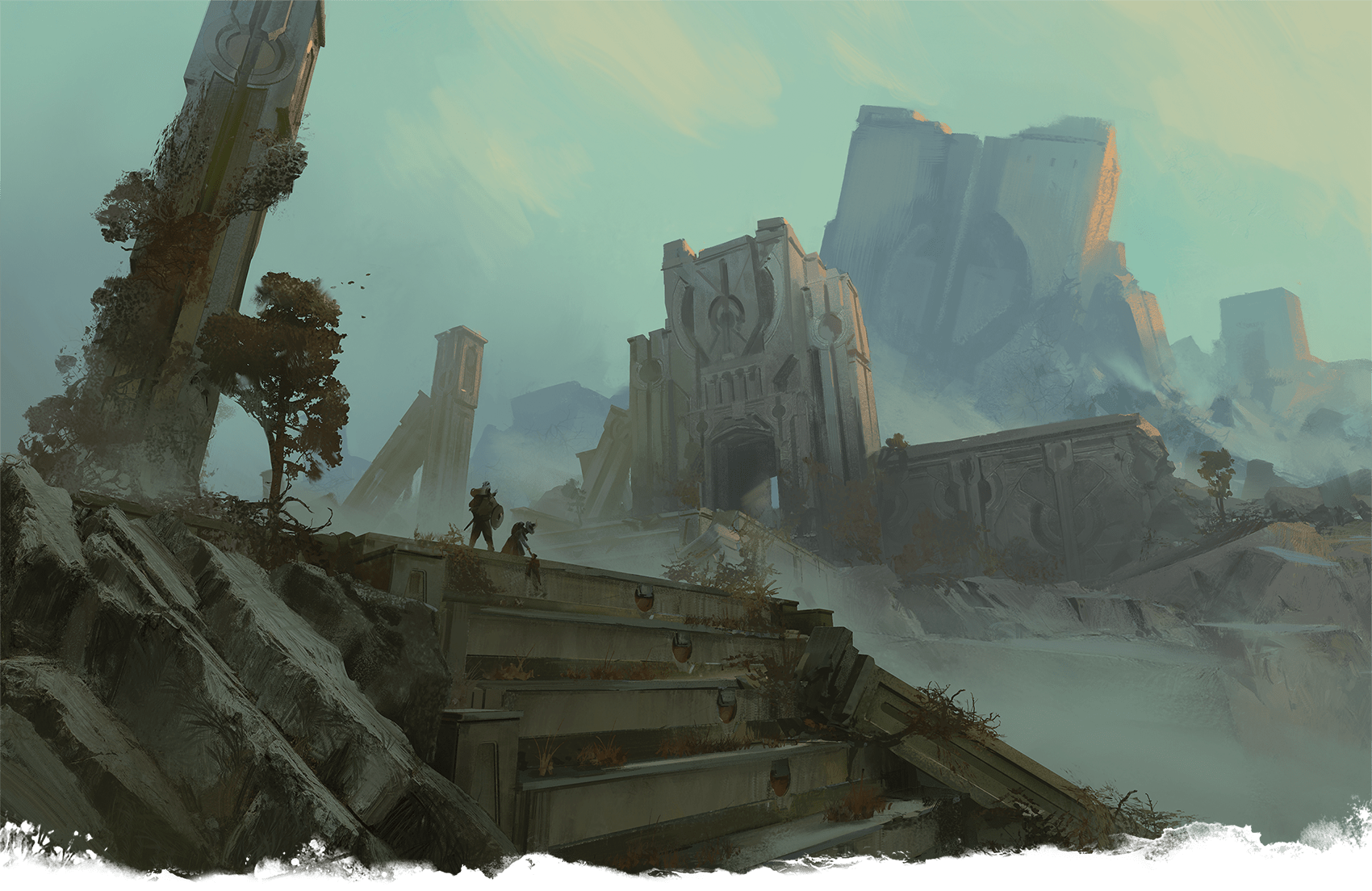
One of my players has a backstory rooted in trauma. His character was experimented on by a mad elven wizard named Kazzan, a former member of the old Waterclock Guild of Neverwinter. Kazzan’s experiments unlocked something dormant in the character: the Spellplague, a magical pandemic from the Forgotten Realms timeline that warped a person’s connection to magic in strange and often violent ways. That’s where his powers came from.
Over the course of the campaign, the party stumbled into the wake of Kazzan’s work. They investigated disappearances and kidnappings, which helped them locate an abandoned Waterclock lab filled with failed experiments. Kazzan had been using a stolen Spelljammer helm on a connected NPC named Nigel to pierce the boundary between our world and the Far Realm. They found notes suggesting he’d perfected the process and moved his work somewhere new. Kazzan himself stayed out of reach.
I knew this thread would eventually pay off. I figured I had time, but I was wrong about the timing. I also had advantages I’d cashed in over previous sessions. I’d run a smaller Waterclock lab about six months earlier, so the aesthetic and faction tone were already locked in. I’d also just finished reading How to Defend Your Lair by Keith Ammann, which had reshaped how I thought about the way intelligent inhabitants actually use their space. When the dungeon was needed unexpectedly, I wasn’t starting from zero.
Building a homebrew anything from scratch is hard and I often find myself getting stuck when it comes to dungeons. How big they are, what traps they possess, and how many encounters they need are just some of the dilemmas that come up. When the canvas is blank and infinite, these are paralyzing possibilities, at least for me. As a chronic overthinker, I’ve had to learn how to structure my own creativity, and it’s the same lesson I teach my students in my game design and digital storytelling courses. They too get stuck when they can make anything.
The trick I’ve learned is starting with direct, answerable questions. Like getting into a Q&A discussion with ourselves. Each answer narrows the canvas and makes the next question easier. By the time I’ve worked through a full pass, I have a skeleton I can flesh out. I’ve tried writing it, recording myself and parsing through the transcript, and I’ve even tried talking to my friends about it. It all helps and the approach is often dictated by mood and timing. Sometimes today just feels like a stream of consciousness day, while others might feel better to type it out; once the caffeine kicks in of course.
Another thing I often do is categorize my questions, since trying to ask them in a void can be a challenge in its own right. When it comes to dungeons, I group them into three types: Story, Inhabitants, and Structure.
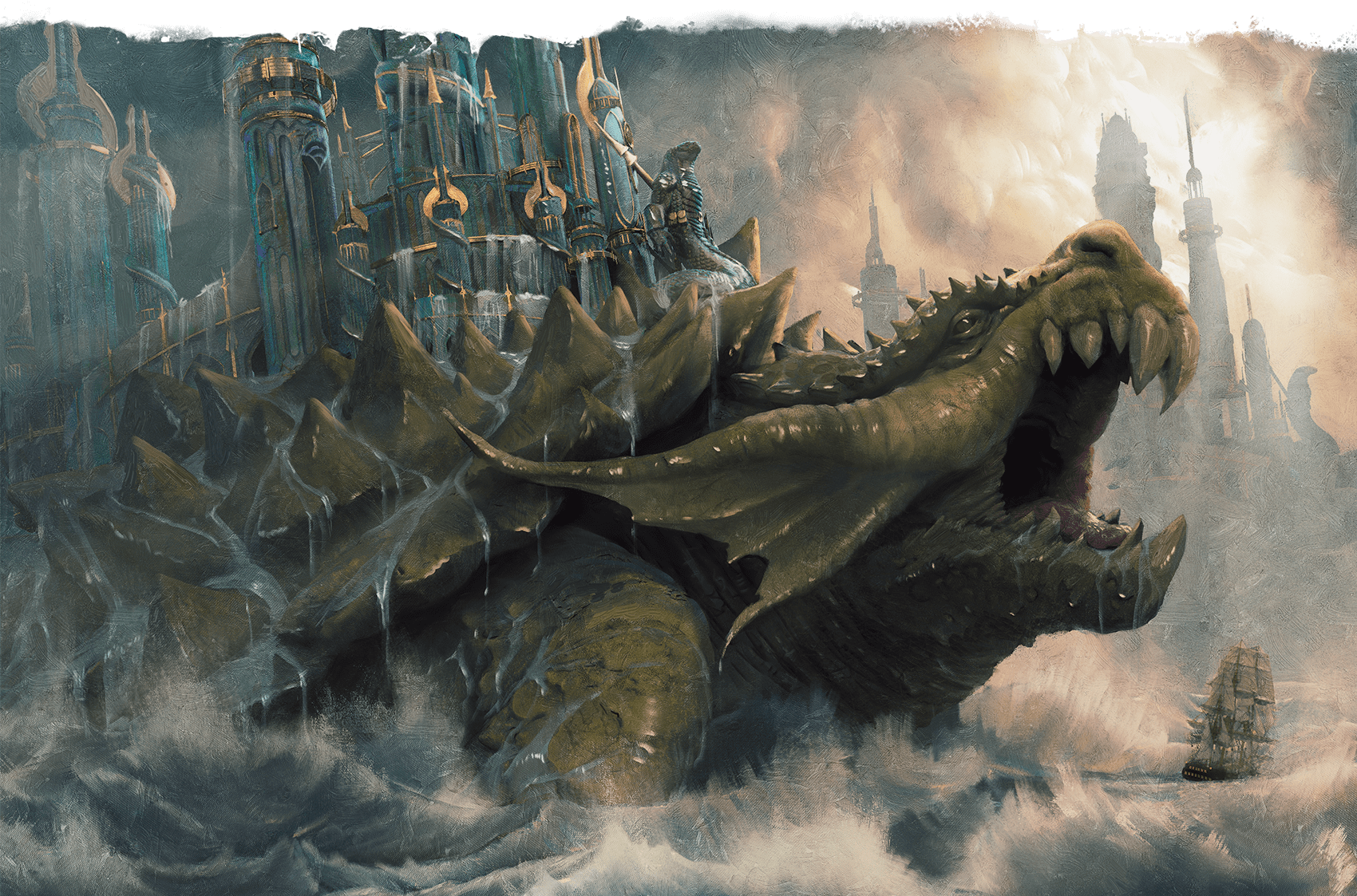
In essence, what is the story of the place I’m building and how does it fit within the world and overarching campaign narrative. I don’t mean writing pages of worldbuilding / lore either. I just mean, what is its purpose to the game.
What is this place, and why does it exist in the world?
What plotline, character arc, or session beat does it tie to?
What would naturally bring the players here?
What is happening here right now, and what is its current purpose?
For the “what would bring the players here” question, if the only honest answer is “because I told them to,” that’s a problem worth solving before you build anything.
Making a catalogue of what’s in here (i.e., monster types, NPCs, traps, and loot) helps me create rooms and encounters from them. I often just list things out depending, or write a few sentences description if the mood strikes.
Who lives, works, or hunts here, and what do they want?
Who are the antagonists, and what are their actual goals beyond “fight the party”?
What assets does this place offer the people inside it? Traps, defenses, terrain, allies, loot?
How would the inhabitants actually use those resources if intruders showed up?
Filling rooms and creating challenges is where I tend to overthink the most. I try to limit myself to five to eight rooms total and include a mix of encounter types, rather than relying on combat. The “final boss” encounter is usually the exception. Defining rooms (and leaning on what resides in them) does help me piece together the challenges and monsters that would make up the encounters.
What rooms would naturally exist in a place like this?
Have existing rooms been co-opted in some way by the current inhabitants?
How many rooms total? (While resisting the urge to overbuild of course)
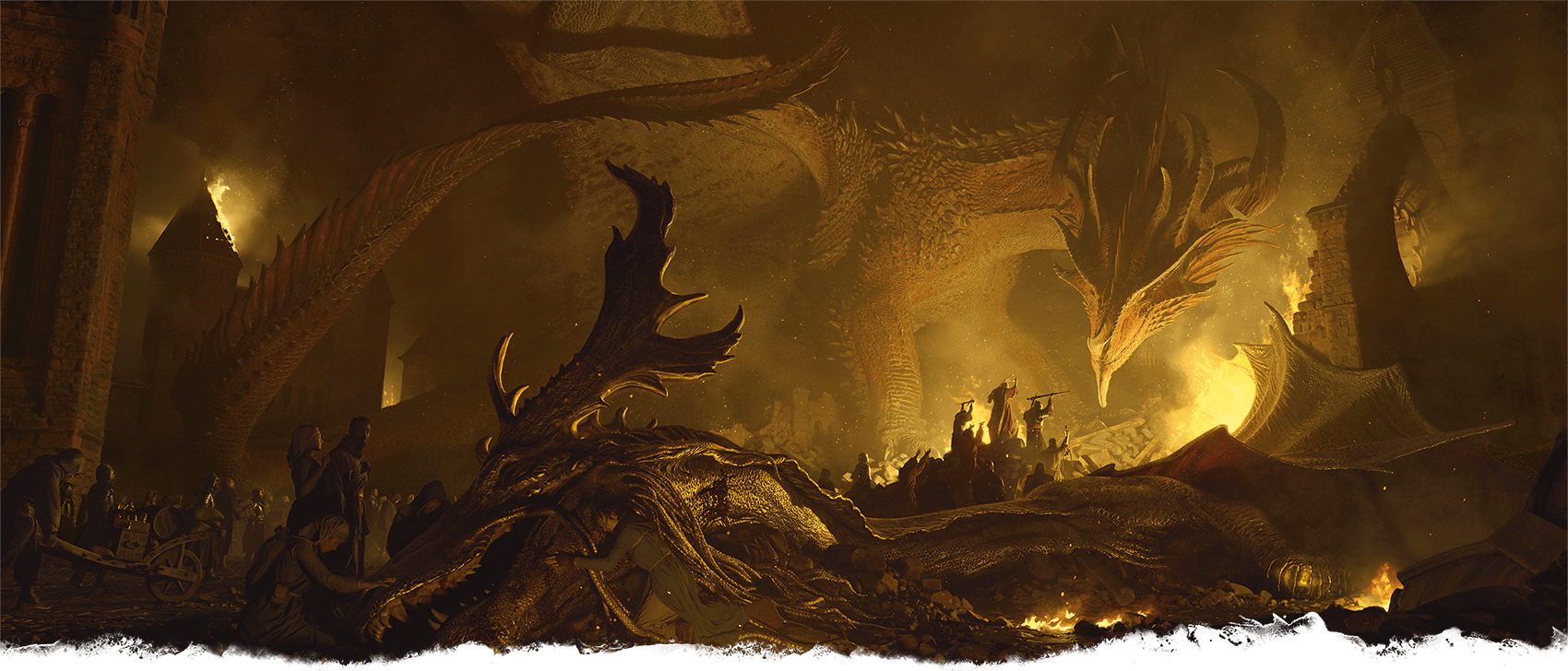
This is where I want to walk through how I answered each question above for this specific dungeon. Rather than dropping the entire dungeon into one post, I’ll provide the framework and my answers, while next week’s article will feature the dungeon in full.
The Waterclock Crypts are the burial site for the old Waterclock Guild of Neverwinter, a defunct order that once worked at the intersection of clockwork engineering, water elementalism, and binding magic. The guild interred its high-ranking dead in clockwork sarcophagi beneath a hidden mausoleum in Neverdeath Graveyard. Most of Neverwinter has forgotten the guild exists. That obscurity is exactly what made the place useful to Kazzan when he needed somewhere to disappear with his work.
This dungeon relates to a PC’s backstory: Kazzan is the wizard who experimented on him and many others like him. I connected this story to the campaign at large which focuses on Vecna looking to remake the universe. Kazzan’s work involves tapping into the Far Realm, and he’s using that connection to reach Hadar, the Dark Hungerer, and call it into the world.
The original plan was that the players would bump into Kazzan’s recruiter and that trail would lead to his lair in Neverdeath. However, the party was hunting a stolen piece of the Rod of Seven Parts with locate object and chanced upon the lair instead.
Kazzan has finished his research and is using the crypts as a launch site. He’s calling out to Hadar, the Dark Hungerer, trying to draw the entity into our reality and use it to remake the world in his image. His logic: if Vecna is going to unmake the multiverse anyway, Kazzan would rather it end on his terms first. The place doubles as his home now, with a hidden study, vat-grown experiments, and a permanent stable of Star Spawn guarding the deeper rooms.
Kazzan lives and works here. He’s an ancient elven wizard treating his own research as a calling rather than a job. The One of Many, a special monster that is an avatar of Hadar, projects into the deepest chamber. A small army of Star Spawn live in the flooded cavern and the labs as both subjects and security. The crypts also have an older, unwanted tenant: a clutch of wraiths and shadows that Kazzan disturbed when he tried to loot the original guild sarcophagi for treasure. He gave up looting and now leaves them to their dead.
Kazzan thinks he’s the hero. He believes Vecna’s ascension will unmake reality, and he’s racing to remake it under Hadar’s influence before Vecna can. He greets the party like a lecturer welcoming students into a lab. He even offers the PC a place at his side, complete with a vial whose specifics I’ll keep to myself, since my players read this. The One of Many wants the portal stabilized and a foothold in our world. Neither of them is interested in fighting the party until the party is in the room interrupting the ritual.
The Crypts give Kazzan a lot to work with.
The guild left behind functioning clockwork infrastructure (pumps, gears, steam, water flow) that he turned into hazards.
Kazzan is a spellcaster and can layer over these hazards with his own magical defenses in the form of glyphs of warding, trapped chests, and neutral enemies. He also sabotaged clockwork infrastructure to turn into environmental hazards.
Star Spawn monsters of multiple types fill the cavern and the labs: grues, seers, hulks, manglers, and larva mages. The One of Many was a special monster I cooked up based on the gibbering mouther I painted. I felt a reflavored Elder Brain statblock would be appropriate for this, with some influences from Hadar.
Wraiths and shadows serve as the neutral undead inhabitants.
I calculated a loot hoard based on Kazzan’s challenge rating (CR 16).
I designed the dungeon’s defenses in two layers.
First: how would the original Waterclock Guild have defended its crypts? Second: how would Kazzan bolster those defenses with his own additions? The crypt had its own defenses in the form of Waterclock spider defenders, water jet traps, and a flooded cavern.
Second: Kazzan enhanced base defenses by adding more. Every door leading deeper into the dungeon was trapped, while individual rooms were protected by glyphs of warding, arcane lock, and a few puzzles. Every treasure chest was locked and trapped as well. Some cast fear, scattering PCs deeper into the crypt’s mazes. Others dealt thunder damage that alerted the dungeon’s defenders.
Monsters would be spaced throughout but not in every room. I wanted variation so no encounter felt like a repeat. I wanted environmental hazards and monster encounters to land as separate experiences first. The last few rooms would combine them into one overall challenge. On top of that, I wanted to layer in Hadar’s influence. This took the form of environmental storytelling and some of the mechanics encountered in the final boss room.
For a guild burial complex, the natural choices came to mind first: an above-ground mausoleum, a descending staircase, a reinforced secondary entrance, sarcophagus halls, a pump room to handle the guild’s water-and-clockwork infrastructure, and a deep ritual chamber that was originally a water-elemental basin. Add storage and a chapel-dormitory for whoever maintained the place. I pieced together a ‘logic’ to the place in this way.
I worked on converting the deeper rooms into ones changed by Kazzan and his experiments. The chapel and dormitory became his vat labs, while the elemental basin became his portal chamber. A former private lab became his hidden study and bedroom. The storeroom still holds guild platinum bars next to his fresh supplies. Only the sarcophagus halls stayed mostly intact, because the wraiths made looting them not worth the effort. The contrast between old guild aesthetic and new Far Realm corruption does most of the atmospheric work in the dungeon.
The total number of rooms with interactive content was nine. A bit more than what I typically create but I made peace with the additional complexity because I had a lot of fun creating the dungeon.
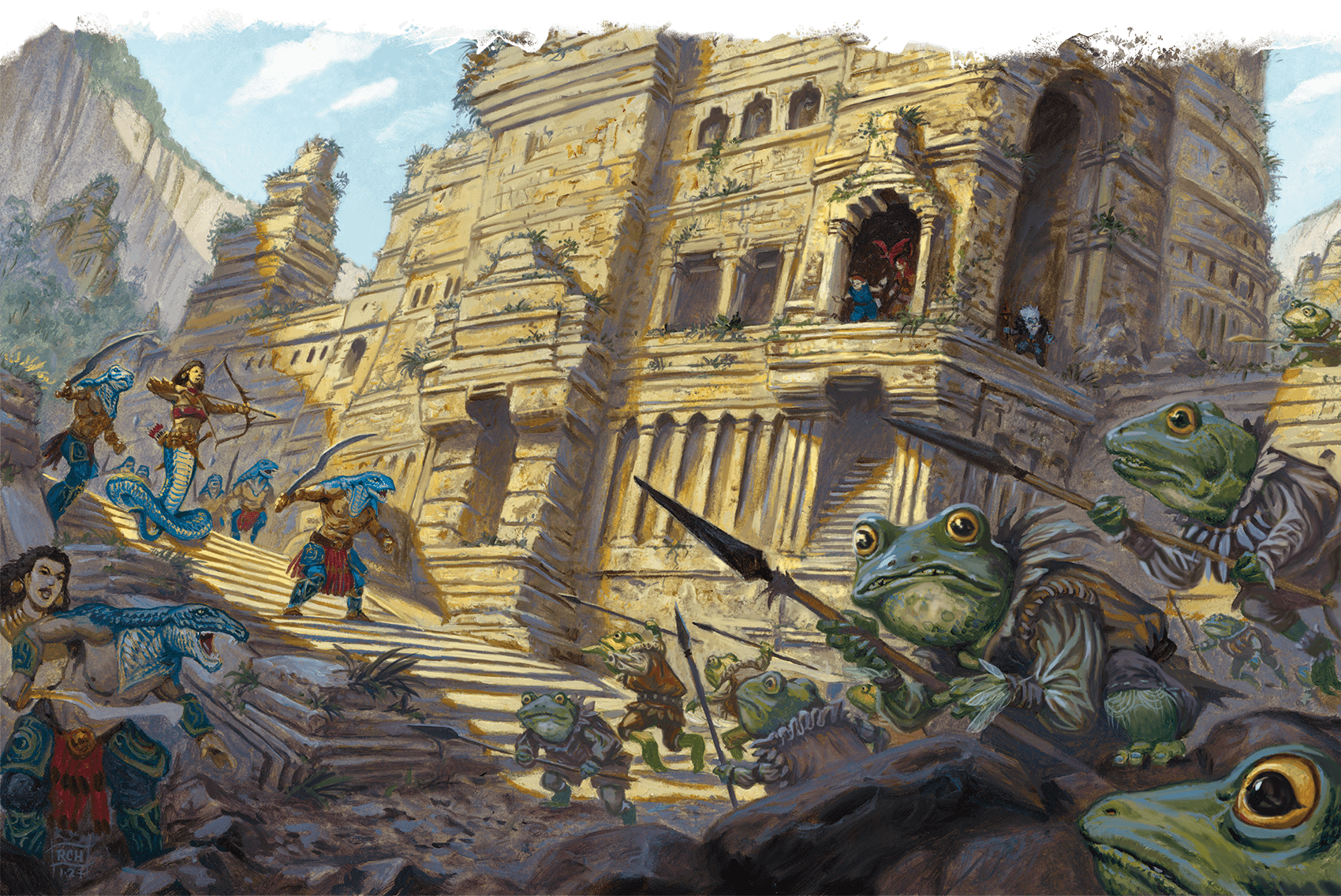
A week after this session, one of my players told me this was their favorite dungeon I’d ever run. I believe it worked because the answers to why does this place exist and who lives here dictated the answers to what’s in the room. NPCs, assets, and encounters came out of the place itself and the person currently living in it. And then the atmosphere came with it as a byproduct.
Next week, I’ll share the full Waterclock Crypts dungeon as a one-shot you can drop into your own game. If you want to try the same approach on something you’re cooking up, answer all eleven and the dungeon mostly builds itself.
No posts
Comments
Nothing yet. Say the first thing.
Sign in to join the conversation.