
Bastions were one of the bigger additions when the 2024 edition of D&D hit the scene. In essence, they’re player housing baked into a TTRPG. A wizard can construct a tower, a rogue fleshes out a gambling den or a tavern, and a cleric can create a shrine. Beyond the flavor, Bastions come with mechanical benefits in the form of special facilities. These rooms can craft magic items, dig up lore, bolster the characters, and make money. The DM and players can also populate the place with NPCs who become a source of leads and plot.
I put them into my Vecna: Eve of Ruin campaign as soon as they released. The campaign has six players and we’ve been using Bastions for roughly two years. They started at level 10 with four special facilities each, and they’re at five now that they’ve hit level 15.
This is a review of that experience. What Bastions are, what worked at my table, what didn’t, and the decisions I’d want any DM to settle before dropping them into a campaign.
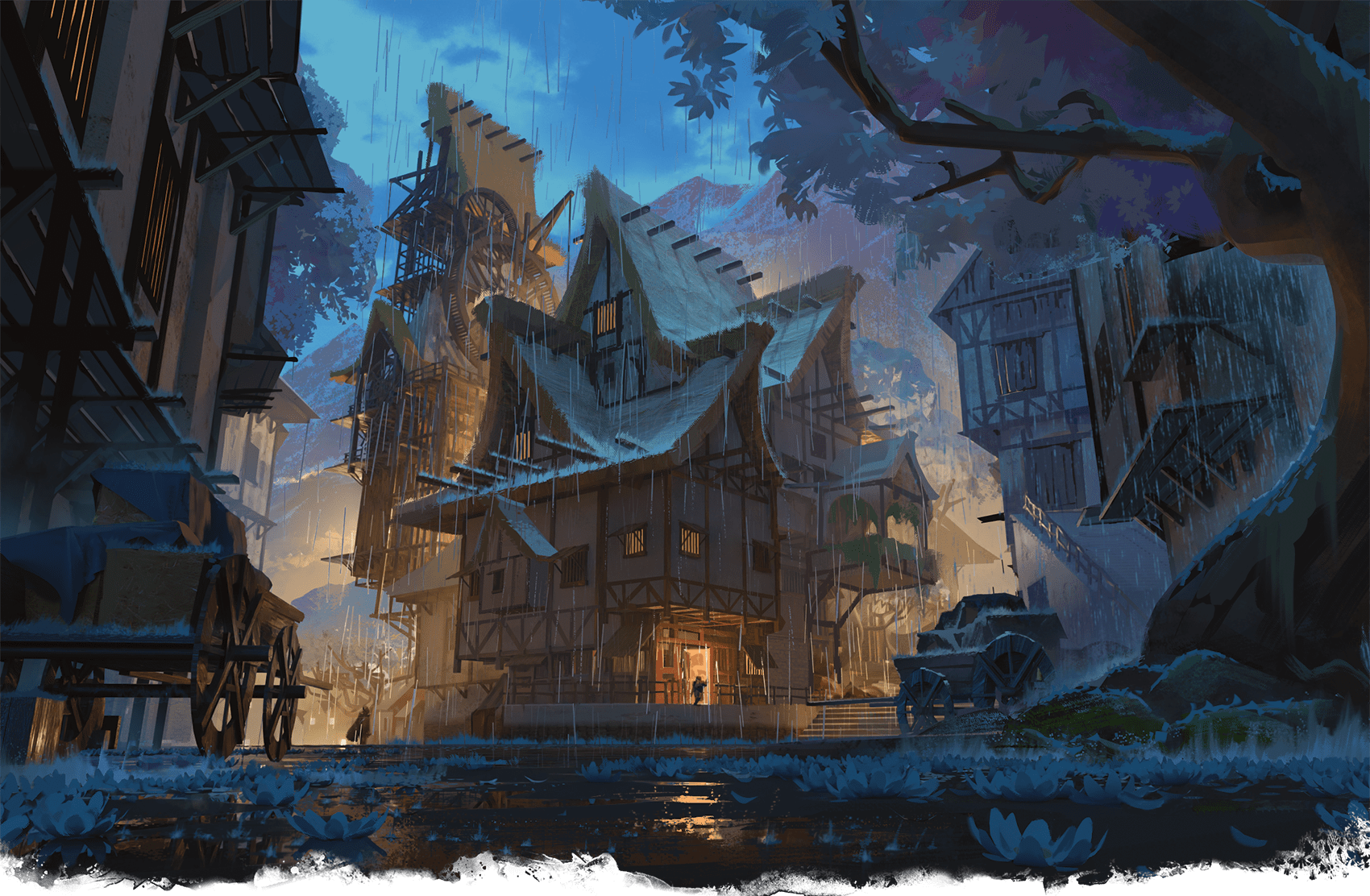
Bastions become unlocked when players reach level 5 and when the DM can places them in the world. They can be a quest reward, something the party starts with, or a ruin the players plunder and claim. Players can flesh out and design their Bastion however they please, or take a building the DM hands them and modify it. This can include adding dining halls, bedrooms, extra floors, whatever they want.
The interesting part is special facilities, which are rooms with their own abilities. As in-game time passes by weeks or months, players issue orders to individual facilities on what is called a Bastion turn. The Smithy crafts anything you can make with Smith’s Tools, and from level 9 it can churn out Common and Uncommon magic armaments. The Archive works something like casting legend lore, turning up leads about whatever plotline the party is chasing. Other rooms grant Advantage on particular saves, or make money.
Each special room carries its own requirements. Some require a minimum level, while others need a particular class, the ability to cast spells, or a specific background. Players start with two special facilities at level 5 and cap out at six by level 17. Bastions fit into multiple tiers of play.
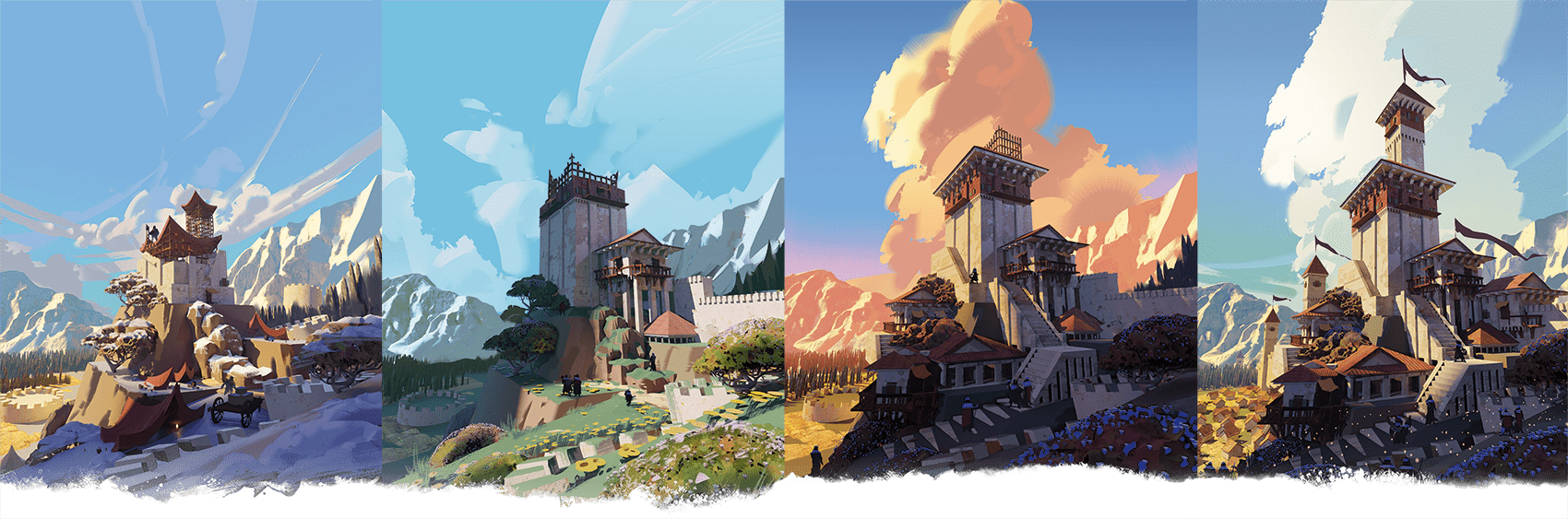
These are observations I gleaned over the two years of working with them.
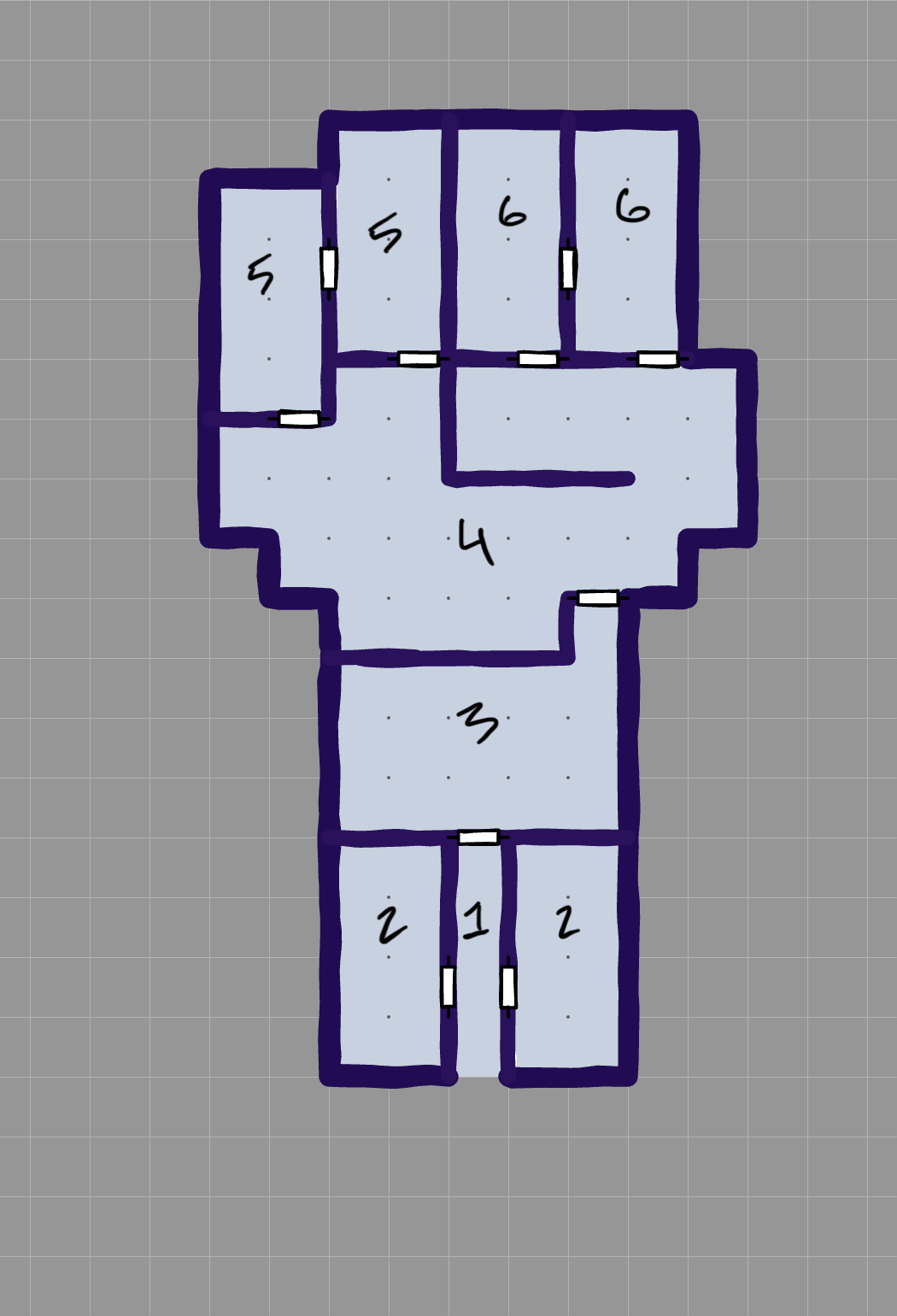
Several of my players drew custom maps of their Bastion's layout. Another assembled theirs in Canva. The design of the space didn't matter mechanically at all, but they did it anyway. One of my players ran a monk and styled the entire Bastion after a fist. This is one of the huge pluses of Bastions and one of their biggest draws.
Players started crafting magic items (common to uncommon of course) for each other so they could hand them over in character. Watching them pay attention to what another PC wanted, then build it, was genuinely great. They also started using their lore rooms to research each other's backstories. With permission first, obviously. When that information came back, it produced satisfying reveals.
This is the benefit I underrated going in. My players liked to feel prepared for whatever challenge I was going to throw at them, and their Bastions helped them feel like they were getting an edge. They're heading to Krynn in the next leg of the campaign, so they're leveraging their Bastions to learn about the place before they go. And spending time crafting magic items to assist them when they get there. Earlier in the campaign they walked into an undead realm in the Shadowfell, and they used those same rooms to line up potions of resistance and items that would hold up there. Bastions gave them a lever to pull before a hard arc instead of just bracing for it.
Balancing treasure is cumbersome for me, especially if I am homebrewing content and have to think about rewards. Bastions gave the players a way to make gold outside my control, based on how much they put in or on random rolls. In many cases it was just pocket change, but pocket change they steered themselves. That takes some of the pressure off seeding rewards everywhere else. Giving players the ability to craft their own magic items also helped a lot too, since they could decide on the items that benefited their characters the most.
These are some of the major things that stood out to me that needed work.
This was the big one for me, especially when using them in the long term. Players would issue orders and then immediately move into the next arc. But the orders were about that arc. By the time the in-game week passed, the arc was finished and the lore they’d asked for was meaningless. The reverse happened too. They’d take a Bastion turn, then we’d spend several sessions on side plots and backstory. Real-life weeks would go by before those orders came back around and they basically forgot they issued them.
The first version felt worse because it meant I had to push in-game time forward just to make the orders land while they still mattered. A small matter most times, but not when time was of the essence and the villains were making moves that time required.
My campaign had six players with five rooms each for thirty rooms total. Every Bastion turn I had to do the rolls, flesh out the lore from their inquiries, and make sure nothing fell through. Then we’d spend table time going over all of it and recording their new orders to do it all over again. Some players knew exactly what they wanted. Others didn’t, so they’d send orders later by text or email, or bring them to the next session in a completely different headspace, or forget completely to do them.
I never skipped or fudged any of it, as that would cheapen the whole thing, but I did start extending the window, treating late orders as though the player had given them “before they left.” My experience with Bastions felt like completing forms and paperwork on more than one occasion.
Especially the low-level ones. Issue an order and wait for it to churn. The Trophy Room’s Trinket Trophy option is seven days of waiting to roll a die, and an even result gets you one Common magic item, while an odd result gets you nothing. The lore rooms like the Library and Pub are more fun, but functionally they’re “I sent agents out to find information so I don’t have to.”
The Barracks is the clearest example. Its only order is Recruit, which brings in up to four Bastion Defenders at no cost until the room is full. That’s the entire facility. You can add bodies, but you can never make the ones you have any better. Training up your defenders is the obvious thing that room should do, and it isn’t on the table.
The Armory is the fiddliest of the bunch. Stocking it costs 100 GP plus another 100 GP for every Bastion Defender you have, and the payoff is rolling a d8 instead of a d6 when you check for defender losses. The gear is spent after a single event no matter how the roll lands, so you pay the whole bill again next time. With a full Barracks, that’s 1,300 GP for one slightly better defense roll.
The Meditation Chamber has a presence problem. Its Fortify Self option asks the character to stay home for seven straight days, and leaving at any point during that week voids the benefit entirely. That fights directly against the set-your-orders-and-leave design of everything else. My player used it once, during a time skip we’d already planned for. The room’s other option, Inner Peace, doesn’t need you there at all, but rerolling a single Bastion event is thin next to a week of your character’s life.
The Teleportation Circle was the strangest one. Its Recruit order invites a friendly spellcaster who arrives on an even die roll, casts exactly one Wizard spell of 4th level or lower, and leaves. The player who took it was a wizard. Paying a guest wizard to cast one 4th-level wizard spell is redundant when you’re a 15th-level wizard holding better slots. Opening that room to other casting classes, or to spells the owner can’t already cast, would fix it immediately.
None of these are hard to homebrew. However, out of the box, none of them touch the story unless the DM steps in.
After two years of use and observations, my players were using the Bastion to get magic items and pull some information for themselves. That’s about it really. The Bastions stopped being part of the campaign and became a thing we processed. That’s not a knock on my players at all, but merely what the system does if you let it run as written.
Things I would recommend you consider when you wish to incorporate Bastions into your campaign.
This is what I’d change first honestly. A lot of the time my players let one or two of their rooms sit in maintenance mode, issuing the same order and collecting whatever came back. Or, just not using them at all because they ran out of magic items they wanted to craft. One Bastion as a single unit, with each player managing two rooms, gets you twelve rooms people actually care about instead of thirty where a third are idle.
One Bastion also gets its own look and personality while players still flavor and control the parts that are theirs. And it’s far easier to fit into the story, because there’s one place for the story to live. For a smaller table of four or less, individual Bastions can work, but it’s still another thing to manage unless it’s integrated.
My campaign started at level 10, so Bastions arrived fully unlocked with everyone picking four rooms on day one. My players could handle it, but it was a sandbox with no shape to it. For less experienced players, I can see how they would get overwhelmed with all of the options.
Instead, I’d start them with one or two rooms and let the story add the rest through completing arcs or individual side quests. Like rescuing an NPC herbalist who can then go on and cultivate the Garden special facility if the players wanted. It’s the same total content but it feels closer to progression than paperwork.
Resolving Bastion turns when storylines or individual arcs complete sounds nice in theory, but narratives can run both long and short, in-game and in real life too. That unreliability is its own problem, and stacking multiple Bastion turns into one session is a lot to process and possibly unbalancing.
If in-game time is moving slowly, keep it at a week per normal. If an arc spans months, switch to biweekly or monthly turns. What didn’t work was pressuring players about a closing window. Like, “Guys, you’ve been in the wilderness for six days and if you don’t get back to your Bastions by tomorrow you’ll miss your chance to give orders.” That created stress for very little gain as they rushed to complete what’s in front of them to munch on Bastions sooner. Telling them in advance that the next Bastion turn is a month out would be much better.
To be clear, flexible cadence is the recommendation. Pushing time forward to rescue an order is the workaround I’ve had to use, but it’s not the ideal.
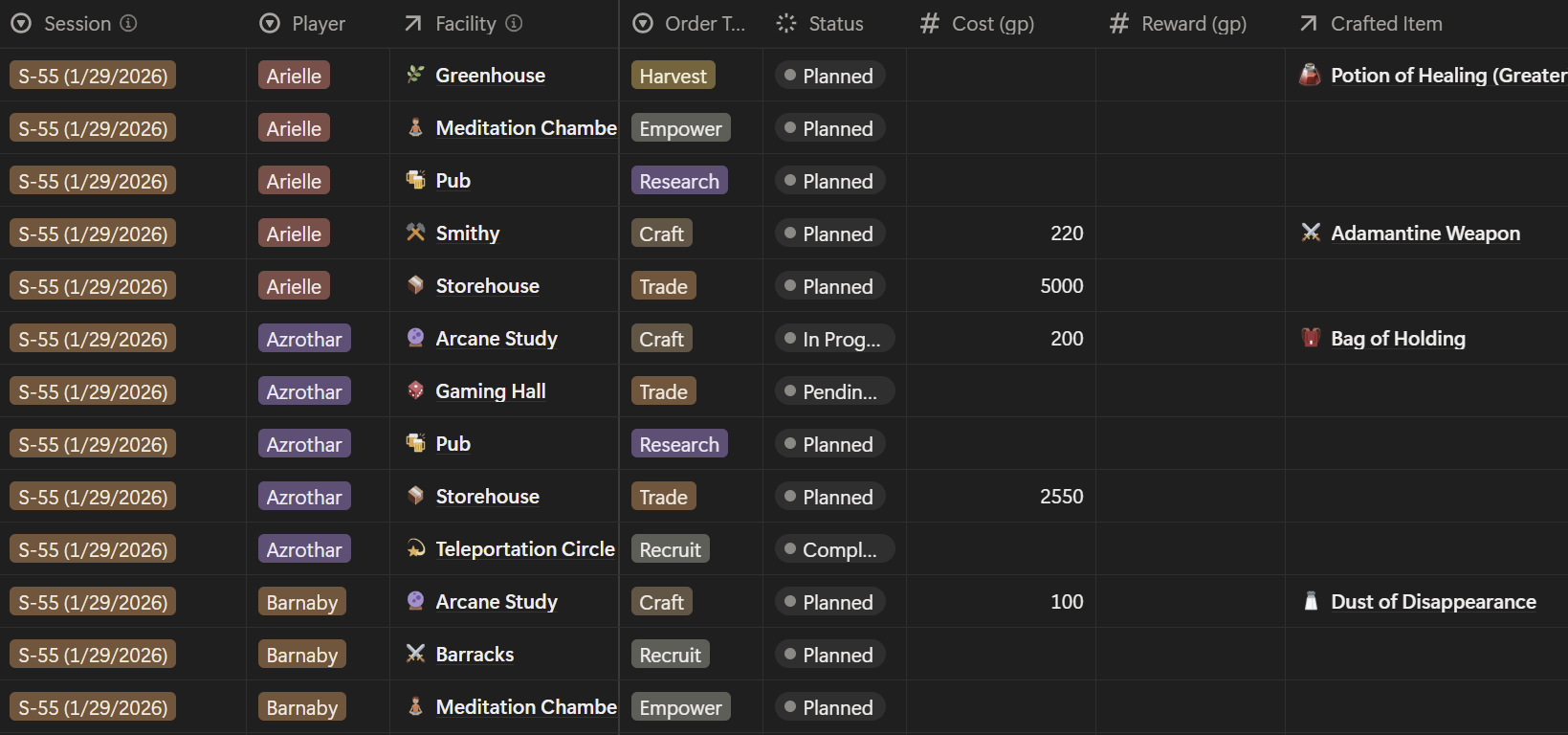
I use Notion and its databases to track all of this. Each entry logs the session the orders were issued, who owns the room, which room it is, what the order was, the item being crafted if there is one, gold spent, gold earned, and any outcome or notes. I built a button that clones the entries so I only have to change the session date.
The platform doesn’t really matter. Logging outcomes does, because reporting results back to players is what makes the system feel alive. Yet, the record keeping needed can often feel immense and an unfun element of prep, let alone devising a system of tracking everything as well.
And if your players want to staff the place with a full cast of NPCs, know that’s a whole second tracking job. I’m thinking of creating a Bastion turn tracking sheet that I can hand to my players instead of me handling everything, but with some modifications of the one in the DMG.
Bastions work when they’re tied to what’s happening in the story. If the only thing they add is “you have one” plus mechanical progress, I’d recommend skipping them. Progress can come from other places like it always has: quest rewards, leveling up, dungeoneering, and so on.
They feel wrong for one-shots, but a one-shot about claiming a Bastion sounds like a great time. They’re also rough for tables that meet infrequently, because you’re spending precious in-game time on management. A regular campaign can afford to give part of a session to maintenance and outcomes. Arcs shorter than a few sessions can’t.
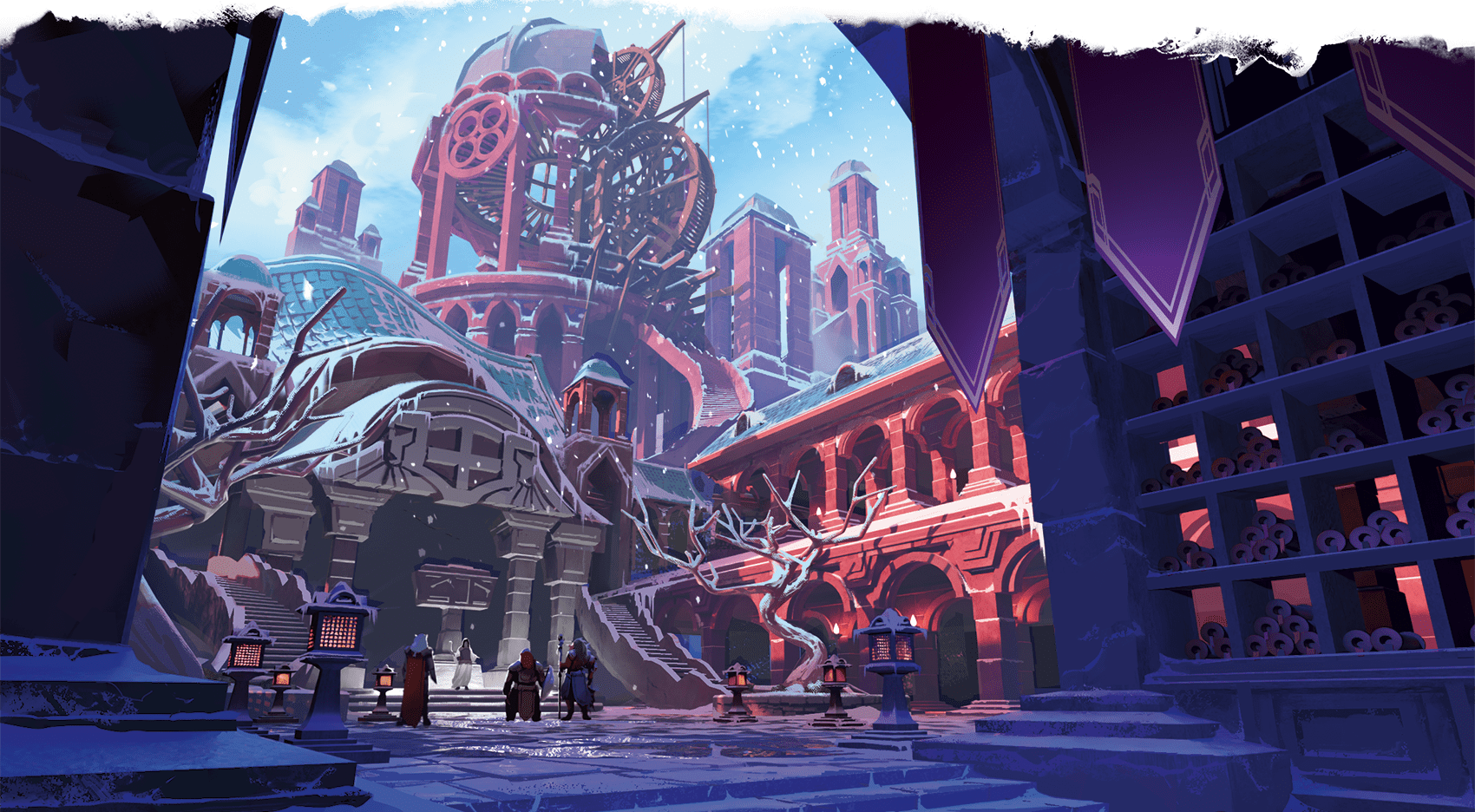
Here’s what I’d tell any DM picking up Bastions for the first time. A Bastion is great for creating a home. Make that home fit and feel like an NPC with its own look and personality. What does a ruined keep on the border of a fey kingdom look like vs. a wizard’s tower in the heart of a major city?
That doesn’t need to be a framework. Give the place a look and feel out of the box, then let players decide the individual pieces. Someone decorates a floor, or hires a particular crusty tortle NPC. Everyone can find something that matters to them and make it theirs.
The personality is what gives you a hook back into the campaign. The party saves an NPC on a quest and that NPC comes home with them, unlocks a room, or improves one they already have. It works like progression in a video game, except the progression is made of people and places from your own story.
That’s the difference between a Bastion the players visit and a Bastion the campaign happens in. The rules only get you the second if you build it that way. And like building a Bastion, it takes work; so try to make it as fun and engaging as you can, for both you and your players.
No posts
Comments
Nothing yet. Say the first thing.
Sign in to join the conversation.