
There is a fundamental dishonesty in how we talk about art.
We’ve spent centuries building a pedestal for “beauty,” polishing its definition until it blinds us, yet none exists for its counterpart. Think of the word “ugly” now. What comes up? A mangled series of images perhaps? We all know the shape of it in our heads, but we’ve been denied a formal language to talk about it.
Today, we’ll look at some of these reference points from art history—the paintings considered ugly in their day, and those that have retained this identity in our contemporary age. I will say, in researching these artworks, I’ve seen that ugliness, when truly looked at with curiosity and compassion, drops its guard and lets us in on its unique loveliness. And so, I’ve circled right back to beauty.
Reminder: You can support Behind the Masterpiece and get access to members-only content for a few dollars per month, such as:
Access to paid subscriber articles
Unlock the full curriculum: From the ‘Language of a Masterpiece’ to the ‘History of Colors’
Ask me anything about your favorite works or upcoming museum trips
Ability to comment and join community chats
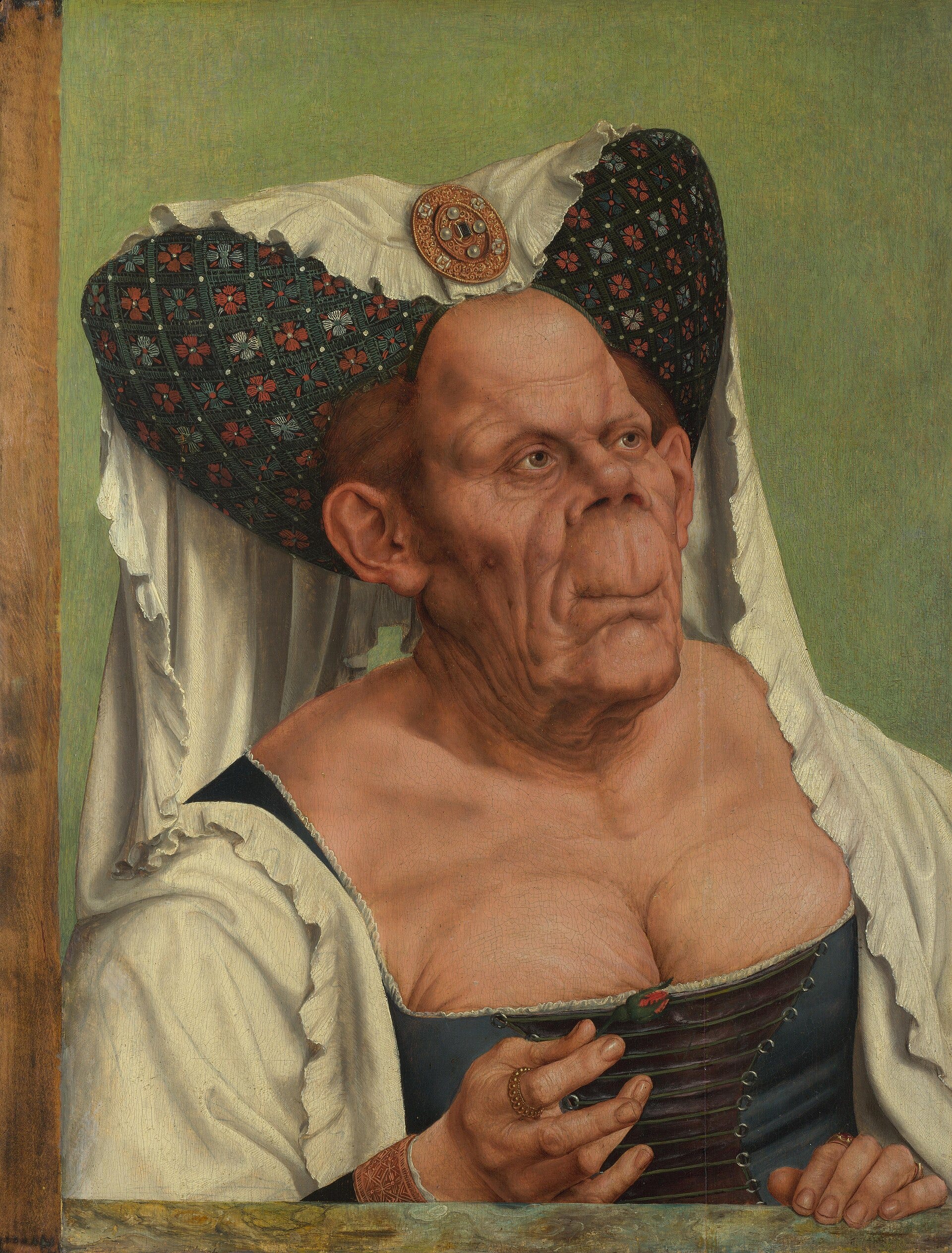
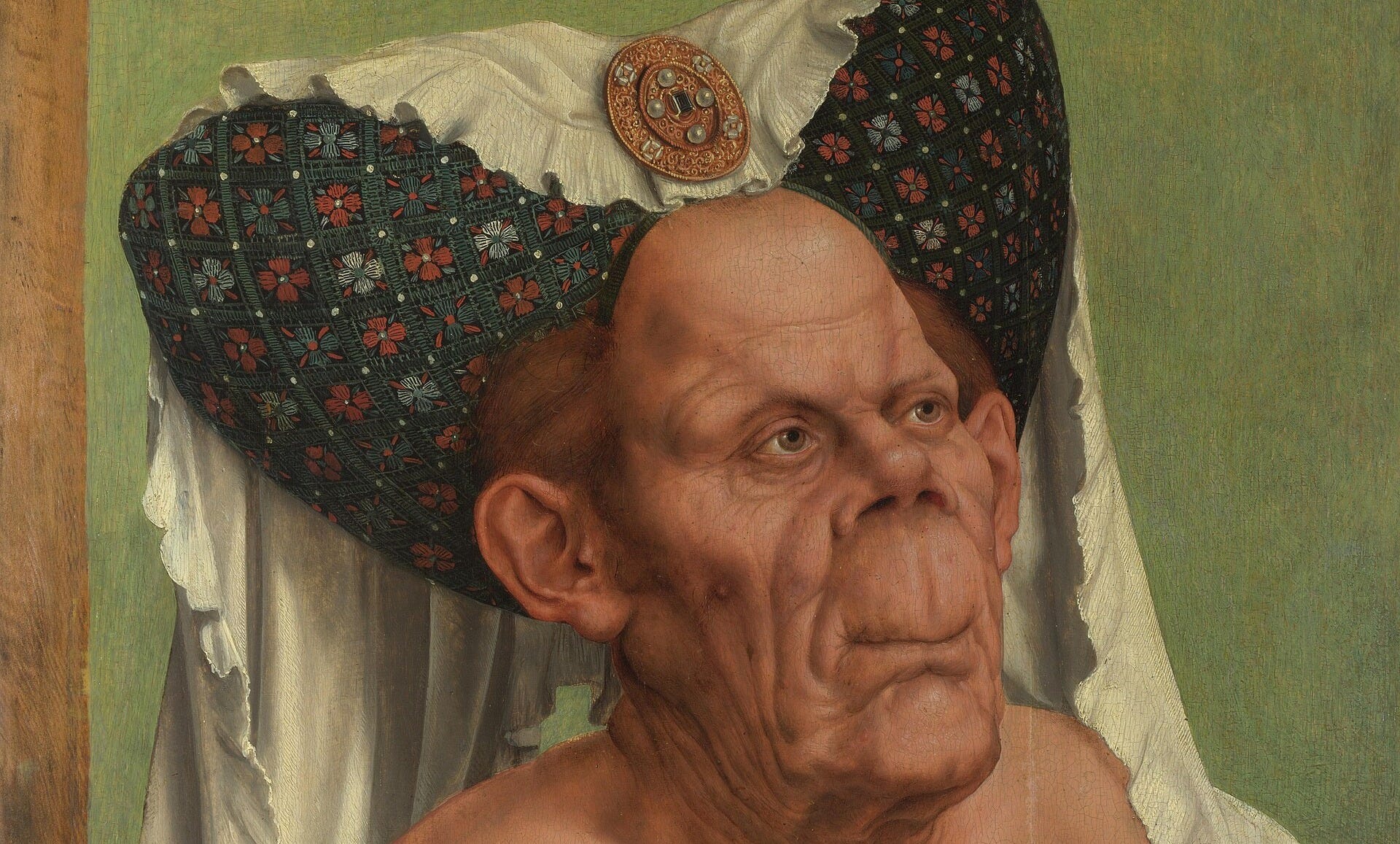
This piece is one of the most recognizable portraits in art history, yet most of that fame is built on a foundation of mockery rather than an appreciation for Massys's technical and artistic skills.
Here, we find an elderly woman standing at a window. She has wide nostrils, a long forehead, large ears, and a prominent chin. Her skin is rumpled by the decades behind her; she has lost her teeth and much of her hair. But her attire tells a story of intentionality rather than decay. She has defied the traditional dress expected of her age, choosing instead the bold, provocative fashion of her youth—garments that were already decades out of style when Massys began the painting.
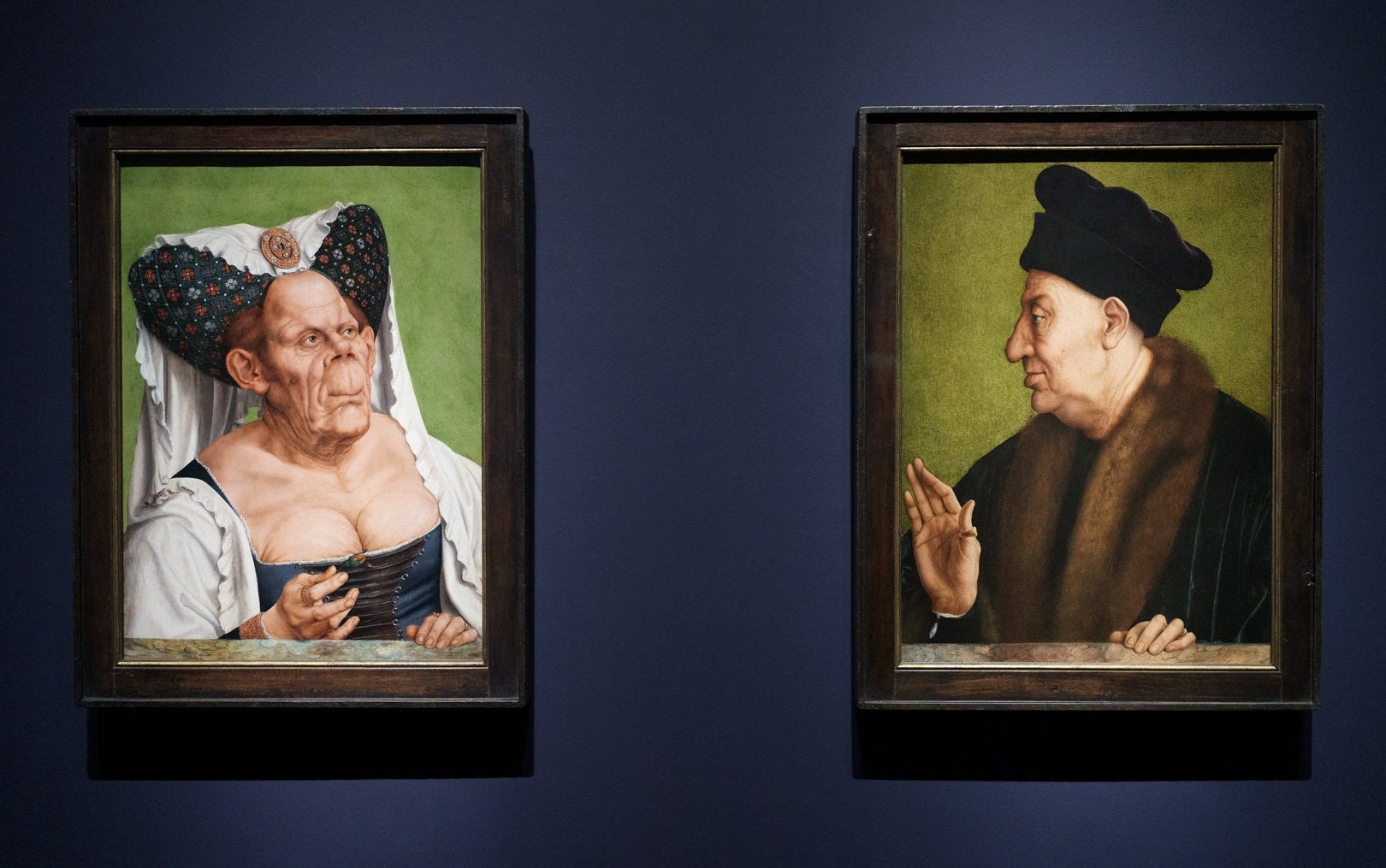
This work is actually one half of a conversation; her “other half,” Portrait of an Old Man from 1517, tells us more of the story. Our subject is wooing him, offering a single red rosebud that she holds in her right hand—a gesture loaded with sexual connotations.
The ugliness here is not literal, but a satirical weapon. Massys was making a point about the internal distortion that comes with resisting one’s own timeline—the vanity of those who perform as if they are still young.
While the artist’s intent and depiction provide the framework through which we view the painting or even understand it, our role as observers adds the final layer to the story. When I look past the exaggerated features, what I see is a duchess who is playful. She has a sparkle in her eager eyes, there is a glimmer of defiance in her finery. She understands the rigid conventions of her era and is choosing to opt out. And to me, that kind of individuality—the refusal to conform even when the world calls it names like ‘grotesque’—is where beauty actually makes a home.
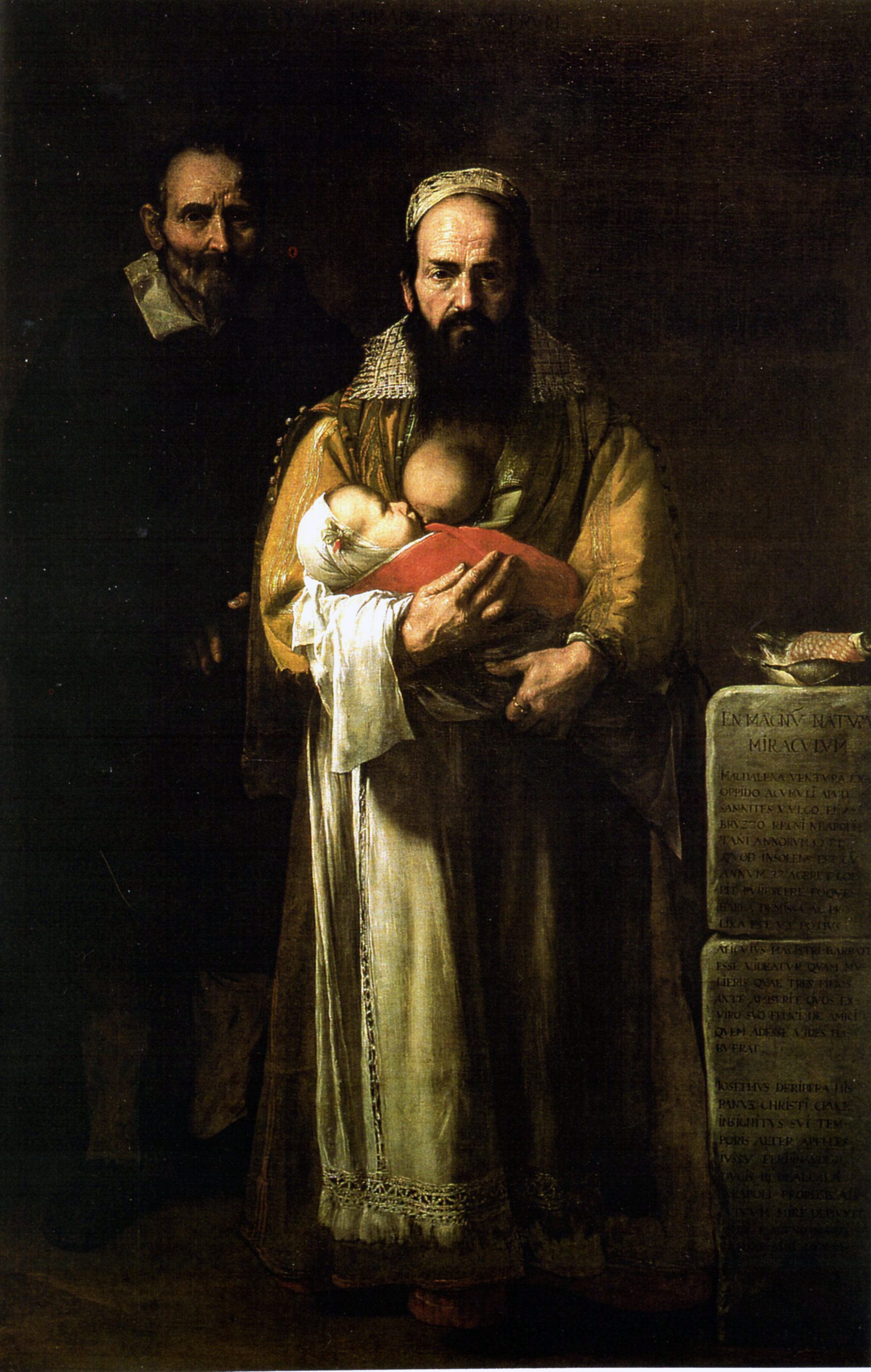
In 1631, the world was ostensibly a much simpler place—a series of rigid categories, often defined by religion, where the definition of a man or a woman was rarely questioned.
It was within this landscape that the Neapolitan artist Jusepe de Ribera introduced Magdalena Ventura, a woman from the Abruzzi region who gained notoriety across Italy for existing outside the era's narrow visual vocabulary, which largely restricted the female image to that of the innocent martyr or the distant goddess. According to the inscription on a stone slab to her left, Magdalena had given birth to three sons before her beard suddenly began to grow when she was thirty-seven years old. By the time Ribera captured her here, she was fifty-two.
Comments
Nothing yet. Say the first thing.
Sign in to join the conversation.