
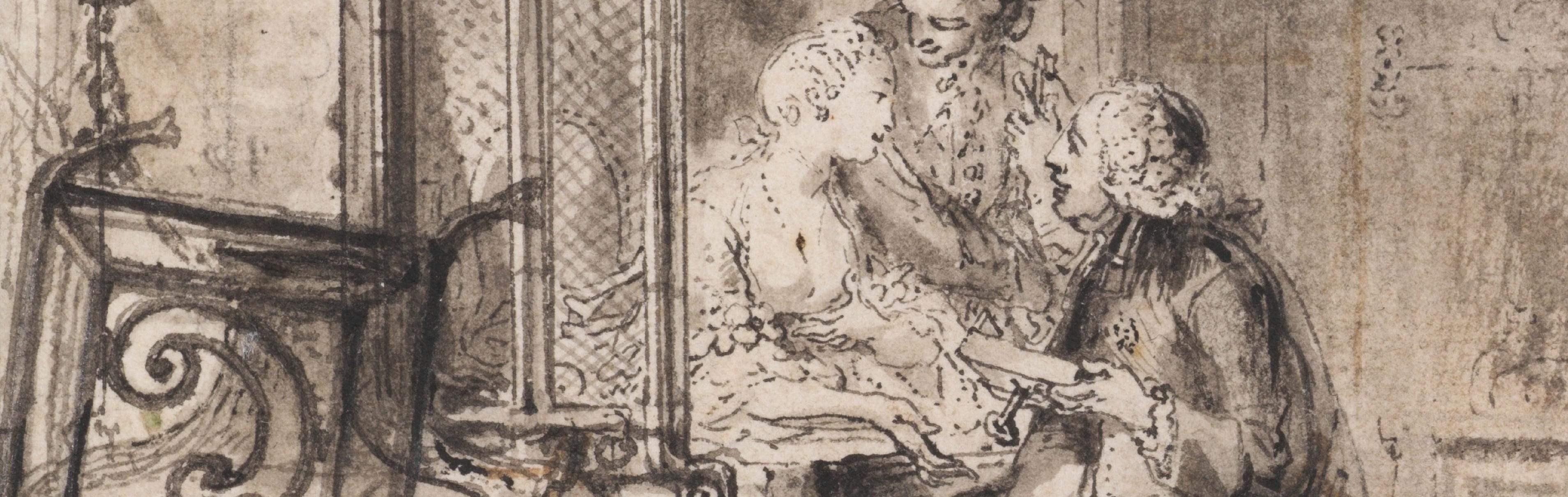
(This is Part 1 of a 5-week series about art mediums. While this first instalment is 100% free for everyone, Parts 2 through 5 will be exclusive to paid supporters.)
Everyone can draw.
It’s a sentence you might have heard before. Sometimes it’s meant to be encouraging, other times it feels dismissive of the works of institutionally trained artists. It’s a phrase that feels completely true, however. After all, if we have the means to put pencil to paper, then technically we can draw.
Before it becomes anything—art, study or artistic discipline—drawing is an act of the senses.
The surface of the paper under your fingertips. The faint smell of wood from a freshly sharpened pencil. The rasp of graphite as it catches on the grit of the page. Press lightly, and the line is hesitant, pale, almost unsure of itself. Press harder, and it deepens into something darker, more assured; sometimes it even catches a sliver of the light in the room.
Wherever you are reading this, you can sit at a table and create a drawing of your own, and that accessibility is important. Accessibility, above all, at least for me, is the only pillar of creative expression that matters.
In this piece, we’ll look at its:
Origins
Material and tools
Evolution
Modernization
Reminder: You can support Behind the Masterpiece and get access to members-only content for a few dollars per month, such as:
Access to paid subscriber articles
Unlock the full curriculum: From the ‘Language of a Masterpiece’ to the ‘History of Colors’
Ask me anything about your favorite works or upcoming museum trips
Ability to comment and join community chats
1. Origins
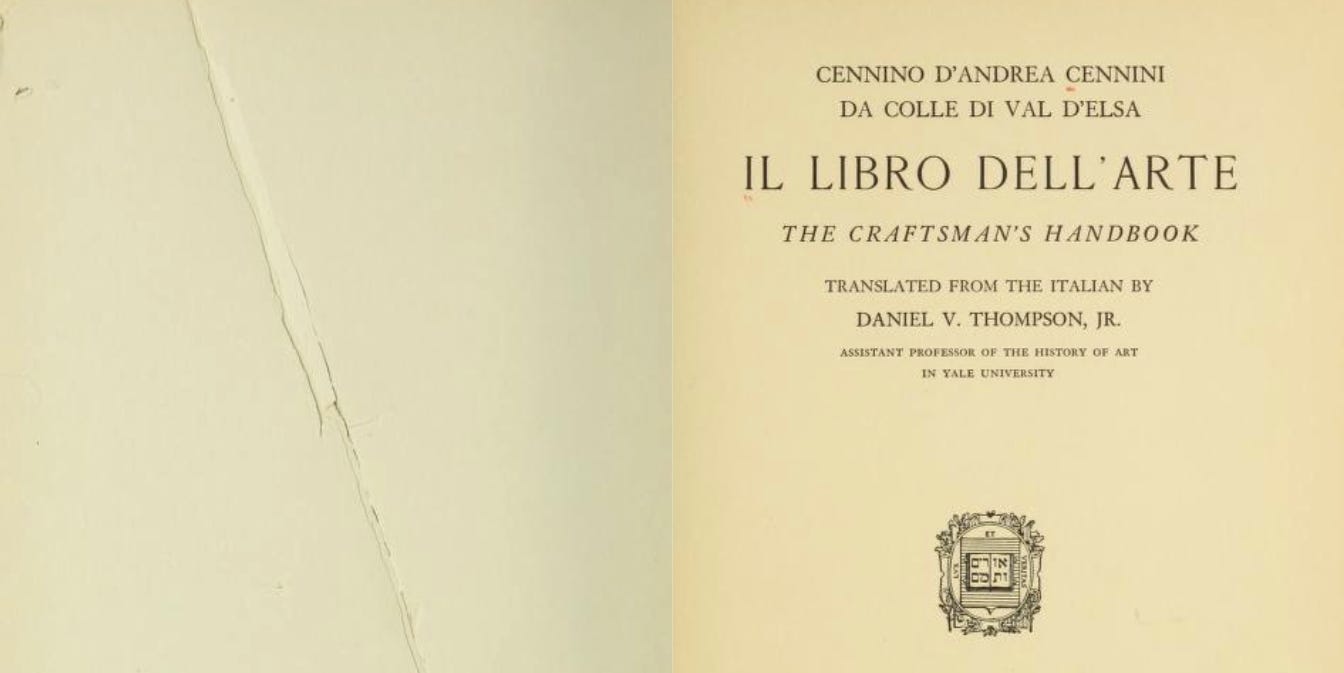
The foundation of all art is said to be drawing, as written in Il Libro dell’Arte—directly translating to The Book of Art—by the Italian artist Cennino Cennini. This book was the first comprehensive treatise on artistic production in Europe and included detailed theoretical practices behind pigments, techniques, and practical norms.
In the prehistoric caves of Altamira in Spain and Lascaux in France, we can see 30,000-year-old images. These early visual depictions were intended as a means of communication as well as creative expression.
Across multiple ancient civilizations, such as Mesopotamia (modern-day Iraq), Egypt, and China, similar prehistoric visual systems have been identified. This suggests that the act of drawing is not tied to a single culture but is instead a universal human activity.
We even drew before we learned to write.
The credit for the very first picture is disputed amongst the Egyptians and the Greeks. According to the Roman writer Pliny the Elder, however, its origins go even before that.
“It began with the outlining of a shadow.”
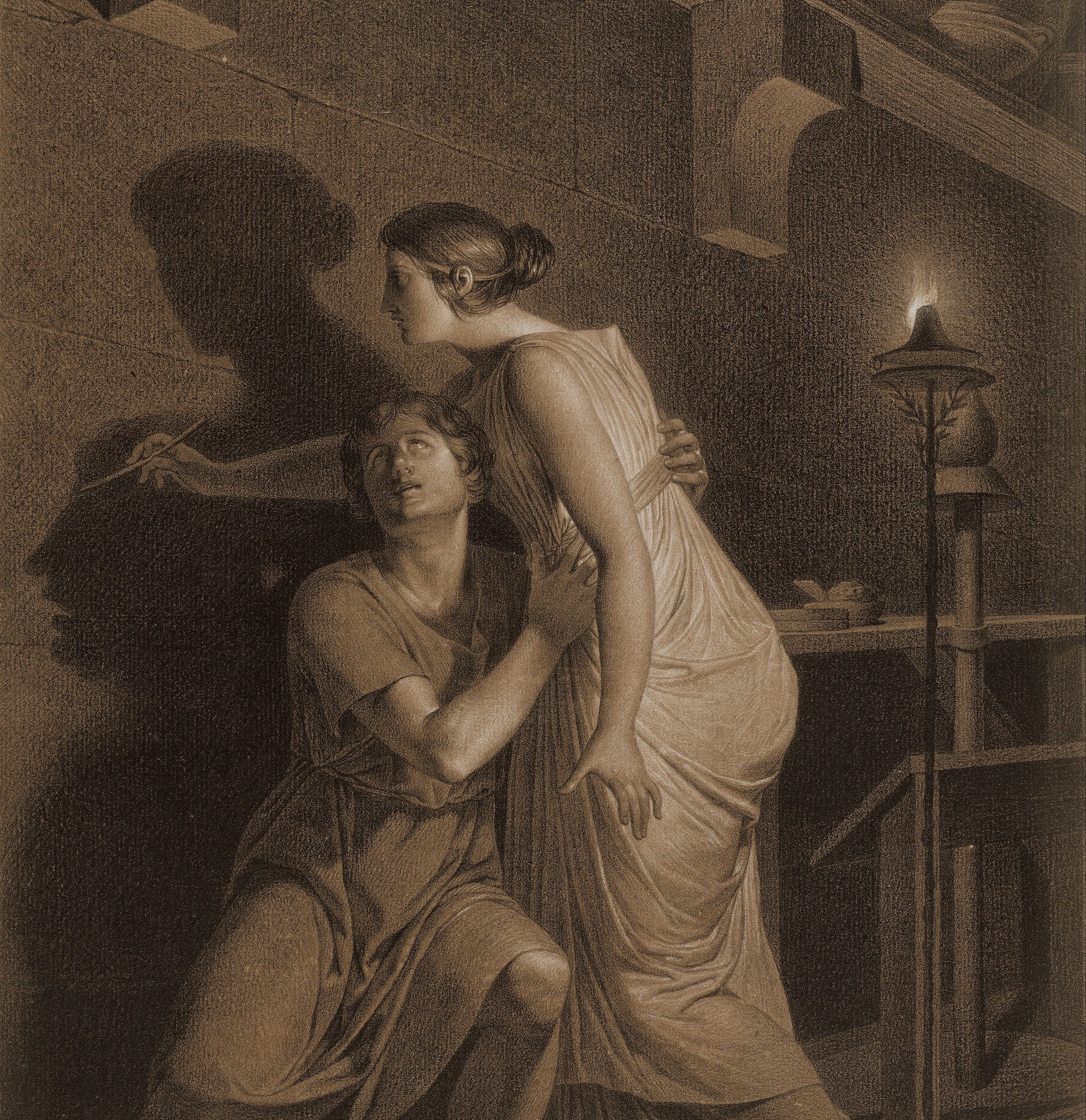
Pliny recounts that the original picture began not with a pigment, but with an outline. The romantic legend goes as such: In around 600 BC, a young Corinthian woman and daughter of a potter, fell in love with a man, but her lover had to depart on a journey abroad. Wanting to preserve his likeness and memory, she drew the outline of his shadow on a wall.
Her father, wanting to console his daughter, moulded clay in the shape of the drawing and produced a relief sculptural portrait. This has been described as the “copy of the very first drawing.”
In this narrative, the original act of drawing came from an honest and loving attachment. She did not draw because she wanted to represent him, but because she was about to lose him. The lines she traced became a way of holding onto a memory, a desire, a fear of loss, all embedded in this single contour.
The myth of the Corinthian Maid gained a second wind of popularity in the late 18th century, when the artists of the time reinterpreted the story as a foundation of artistic representation.
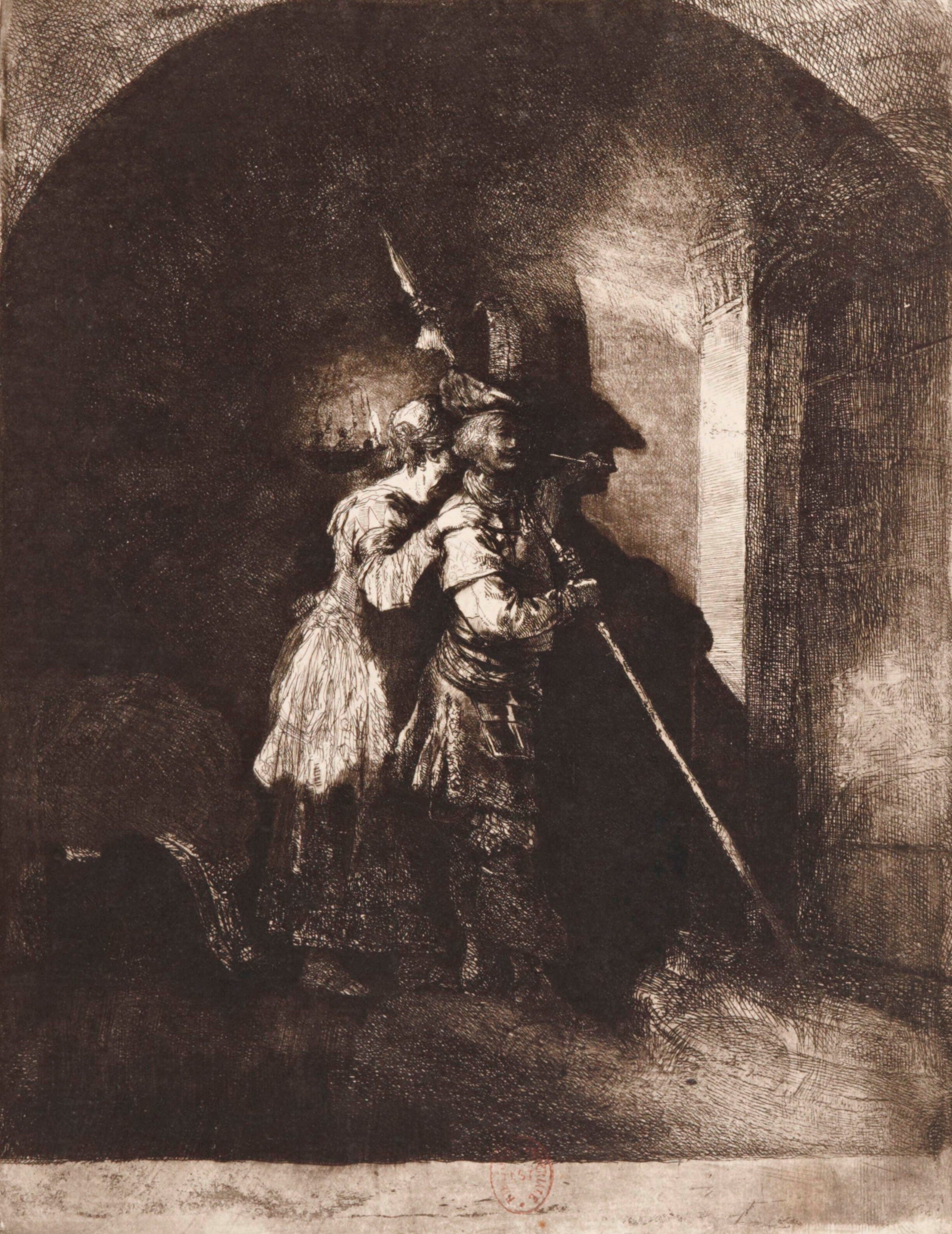
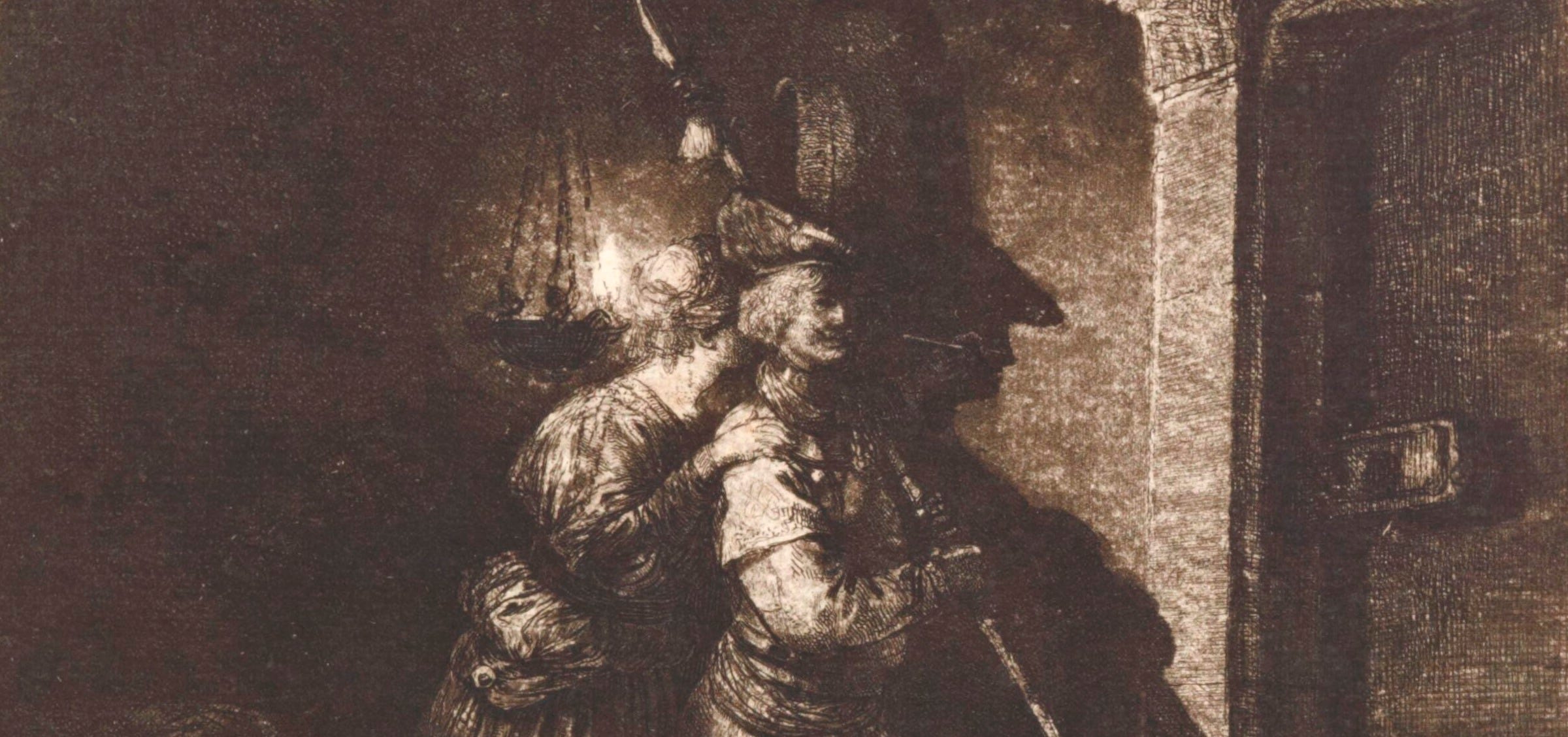
Jean-Pierre Norblin—a French painter, draughtsman, and engraver—made an etching of this narrative, even naming it The Invention of Drawing.
Here, this momentous beginning is seen both as a heart-warming act of romance and danger. Our young maiden, focused on capturing her lover’s likeness, is standing alarmingly close to the lamp that’s illuminating our subjects, and casting his shadow on the wall. At any moment, her hair could catch fire. But she’s not afraid, not even careful really, as she gently rests her hand on his right shoulder and holds him close.
And as such, the birth of creating an image is depicted as an intimate and necessary act.
Drawing has never belonged only to the arts.
Historically, it has also functioned as one of our most important scientific tools; a method of discovery, explanation, and communication across multiple disciplines.
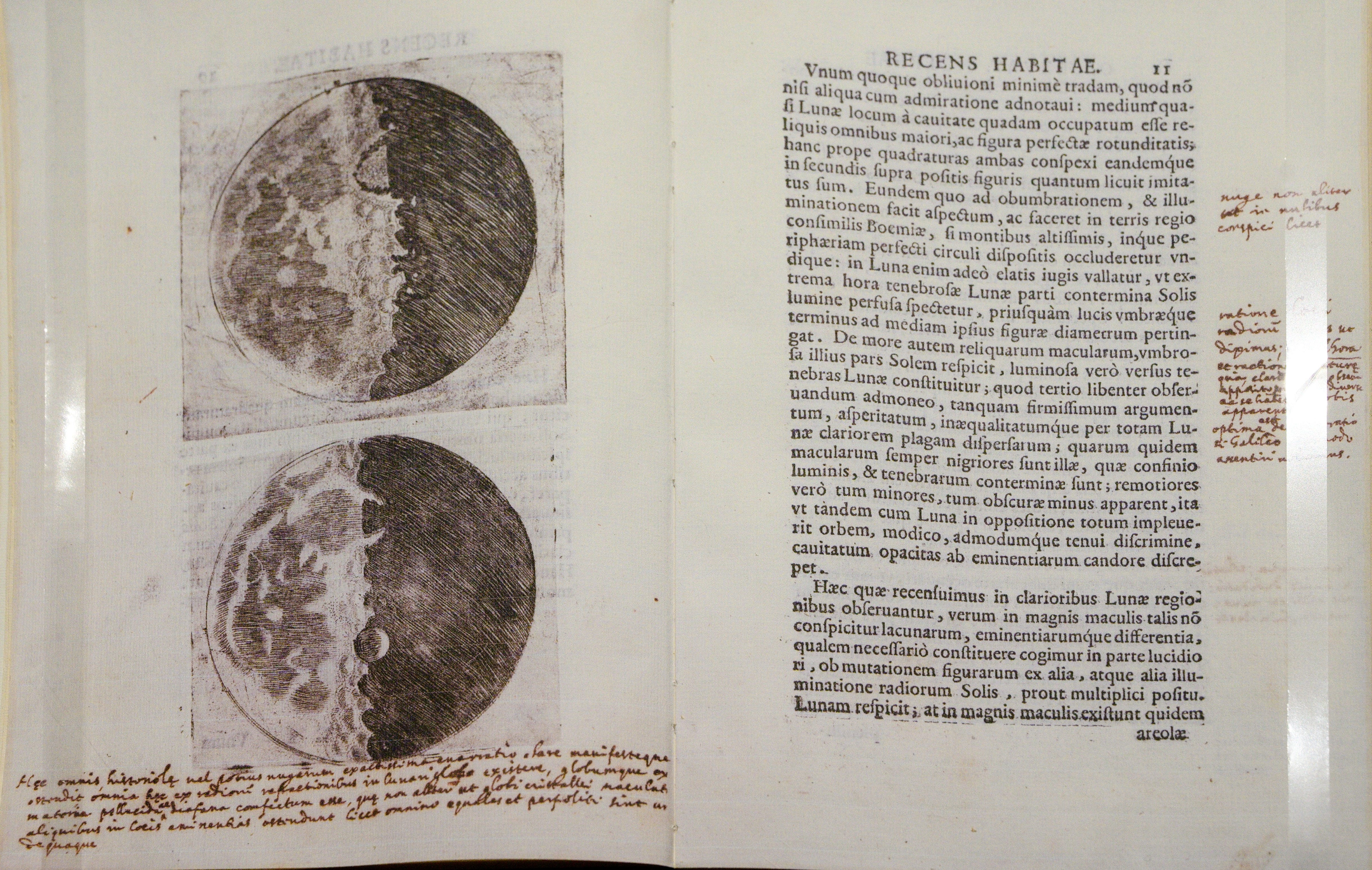
Galileo Galilei, the world-famous Italian astronomer and physicist, used his drawings from his telescopic observations in brown ink to depict astronomical phenomena such as the phases of the moon, Venus, and sunspots. This was evidence. Proof that the universe behaved differently than we had all once believed.
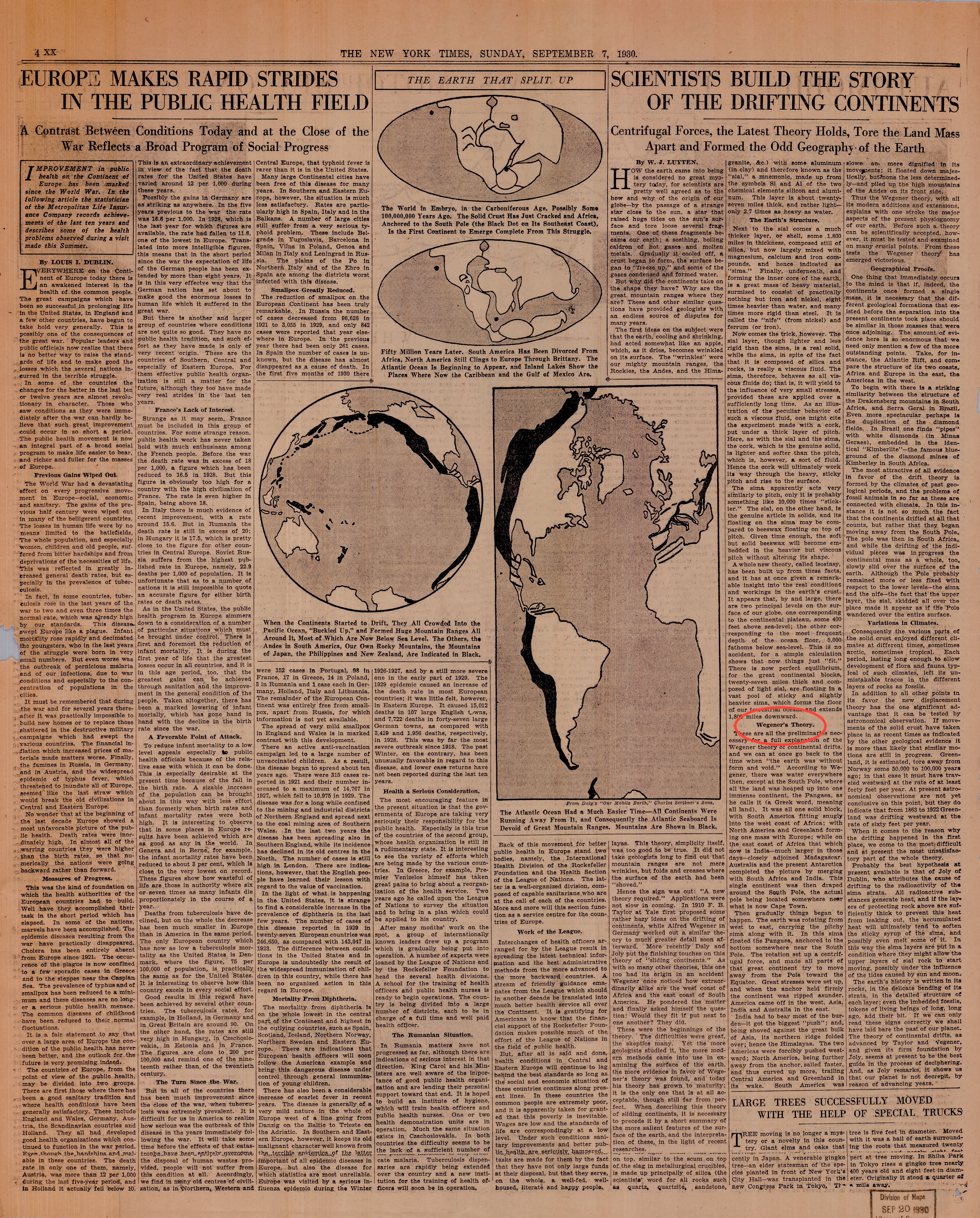
Centuries later, Alfred Wegener—the German geophysicist and meteorologist— would also rely on drawing to communicate his theory of continental drift in 1924, visually demonstrating the movement and formation of continents. His illustrations helped shape scientific hypotheses, and not only that, they allowed his ideas to travel from one mind to another.
2. The Material and Tools
Drawing is simple. You need a surface, a marking tool, and the very human desire we all have to capture something with our own hands. An image seen only through your eyes is now made tangible.
The materials used to draw are typically divided broadly into two categories—dry media (graphite, charcoal, pastel, conté, and silverpoint) and fluid media (pen, ink, marker). The choice between the two is made depending on your final visual goal, the availability of the material, or sometimes even the desired tactile sensations. The feeling of each material remains entirely different. Charcoal drags and softens. Ink commits instantly. Silverpoint scratches delicately across the surface, almost in a hushed tone.
Each material changes the language of the line. And over the years, artists have developed entire systems for creating tone, light, and texture through line alone.
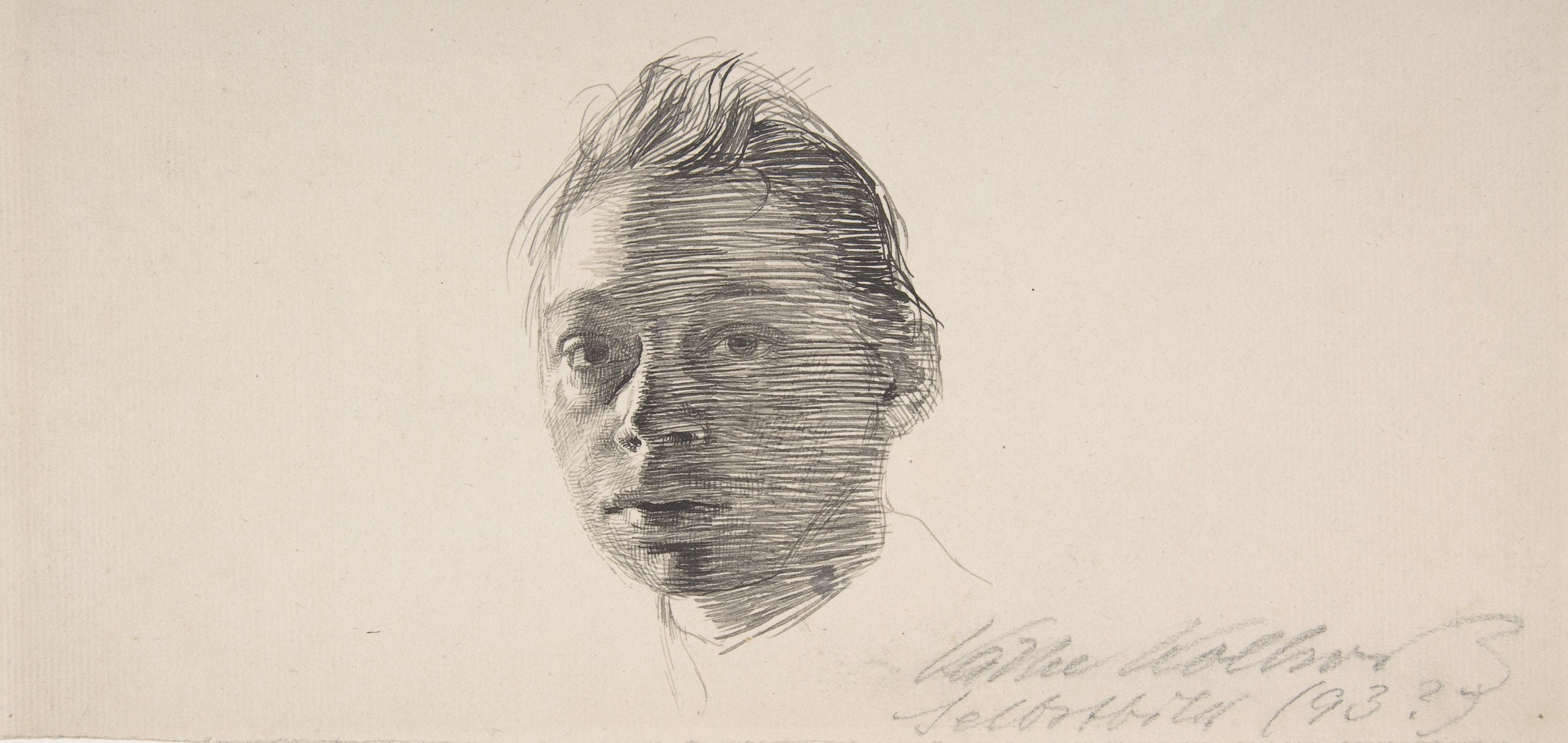
Pen and ink drawings commonly use hatching, cross-hatching, broken hatching, and stippling to construct shadows and density.
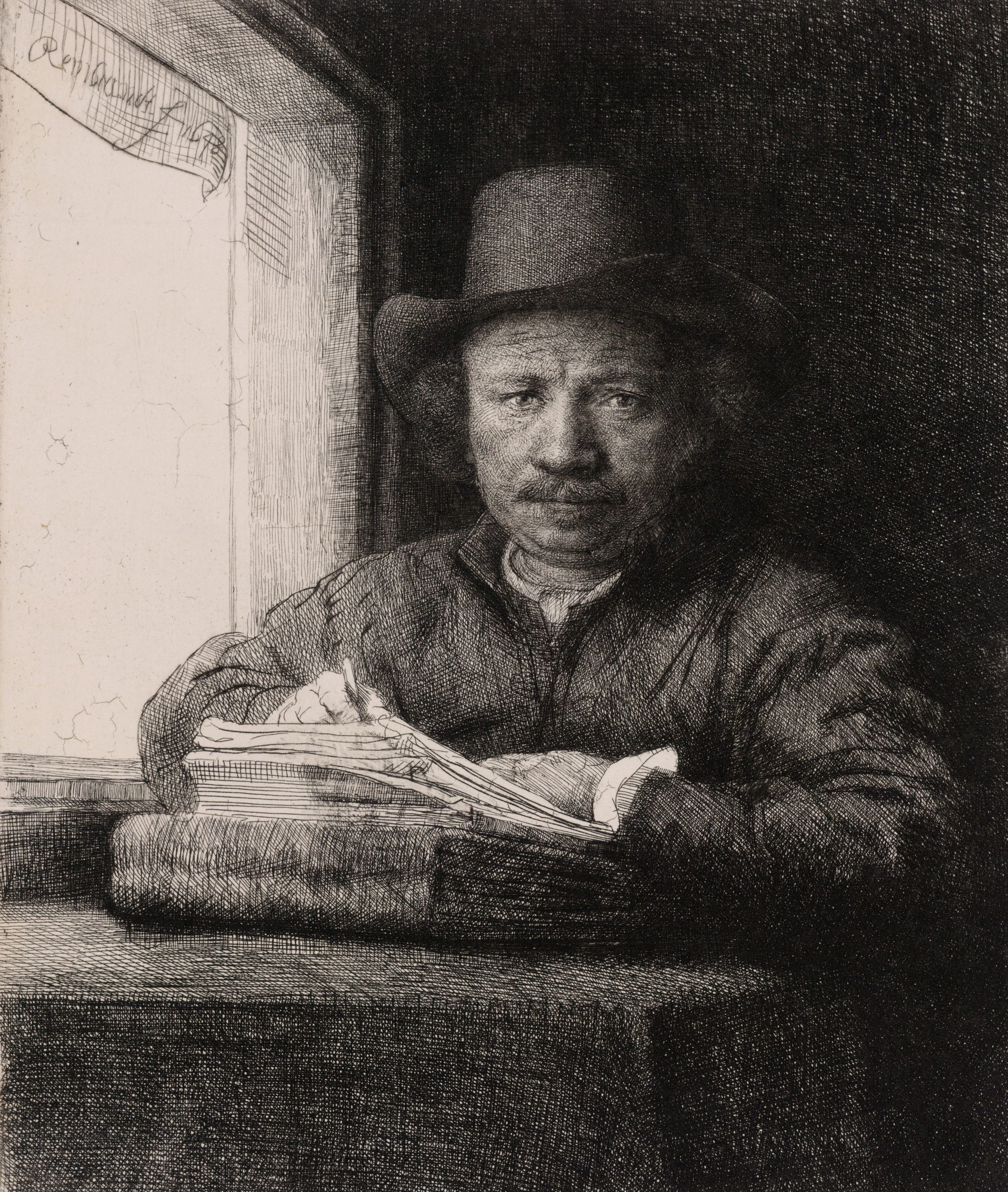
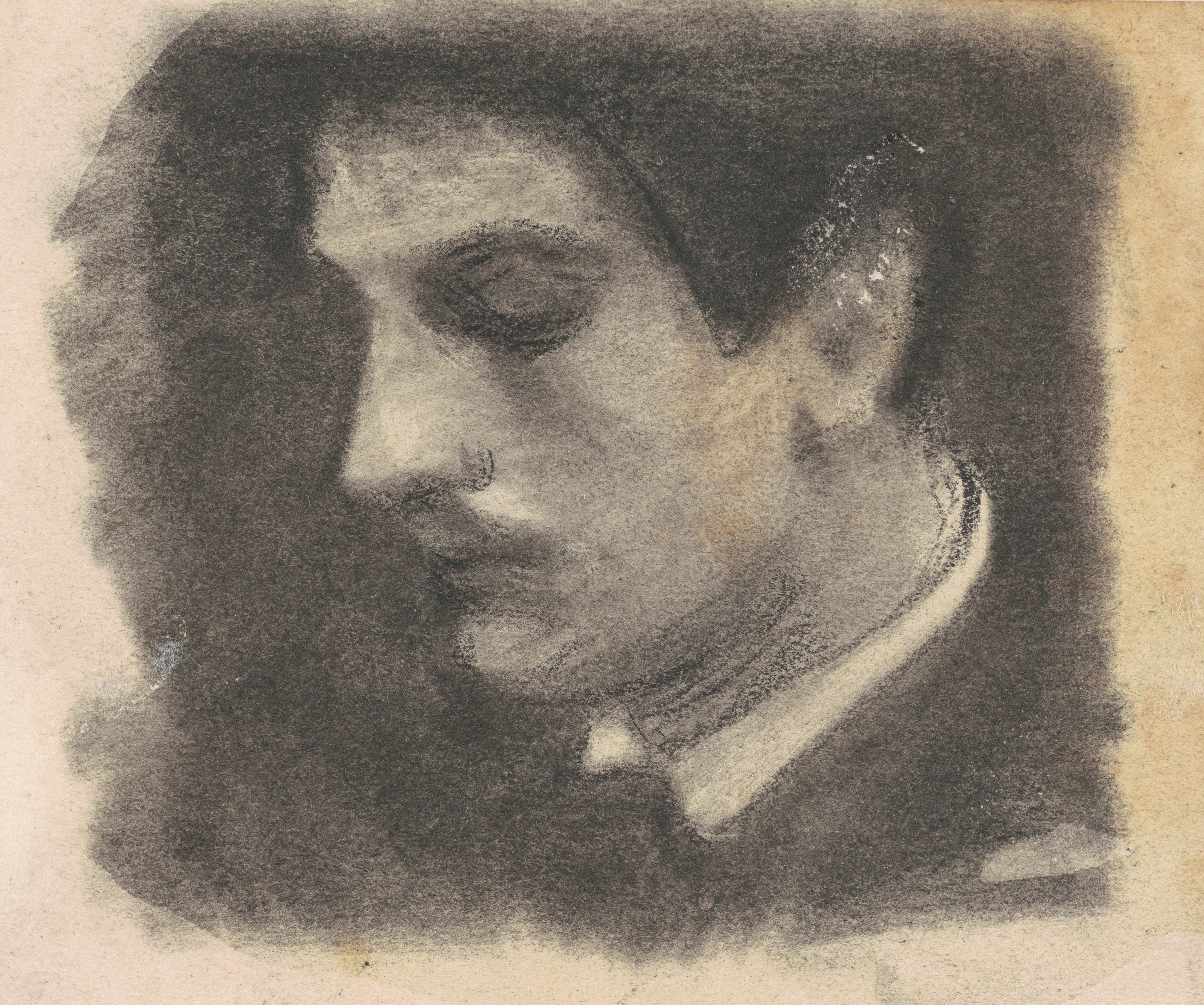
Other artists approached drawing subtractively, covering the page in graphite or charcoal only to erase back into it, pulling light from darkness itself. Shading itself became an art form, softened with erasers, cloths, or simply the artist’s fingers.
Drawing with liquid ink, black or colored, is one of the oldest forms of visual art in human history. Before the first graphite pencils, before the click of mechanical pens and digital styluses, there was ink. Traditional Chinese ink artworks required a ritualistic act of preparing the material. Artists would grind solid ink sticks by hand against an inkstone, slowly mixing the resulting powder with water. This process required patience and control before the drawing even began.
And then there were the tools for application. Feathers, bamboo sticks, brushes, fountain pens, metal nibs, and rapitographs; each one alters the thickness, texture, and rhythm of the line noticeably.
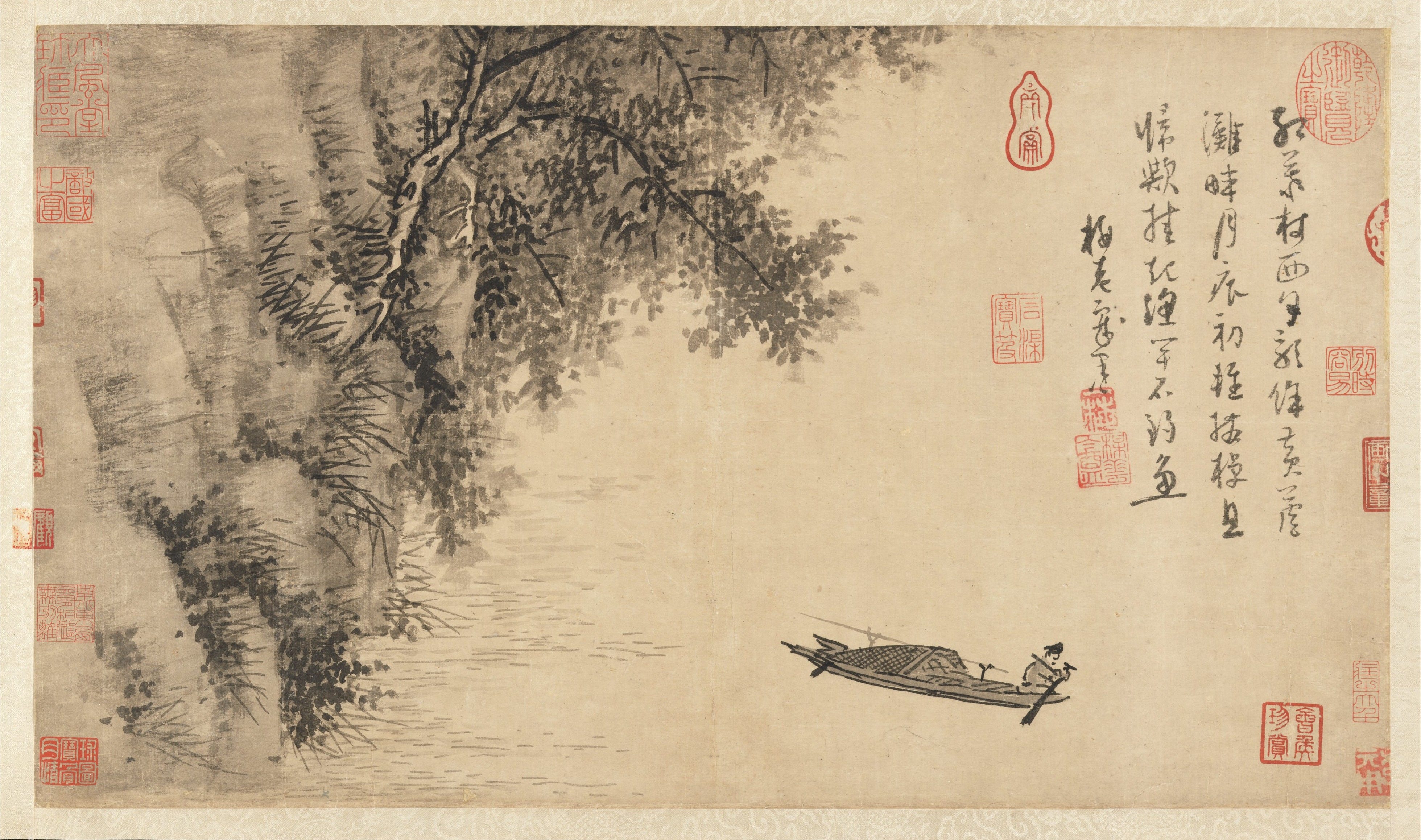
In the painting above, Fisherman by Wu Zhen, we can quickly see how the lines have stopped behaving like outlines alone and have become the atmosphere. There is a cartoon-like simplicity and directness in Wu’s drawings. We see a tree-covered cliff from which a solo fisherman is rowing away. This subject is a recurring symbol in the artist’s oeuvre and represents the unemployed scholars turned fishermen of the late Yuan period. Beside him, there’s a poetic colophon that reads:
“Red leaves west of the village reflect evening rays,
Yellow reeds on a sandy bank cast early moon shadows.
Lightly stirring his oar,
Thinking of returning home,
He puts aside his fishing pole, and will catch
no more.”
A few centuries later, Rembrandt van Rijn, the wonderfully skilled Dutch painter and draughtsman, combined ink with his distinct brush techniques in order to create tonal depth and movement.
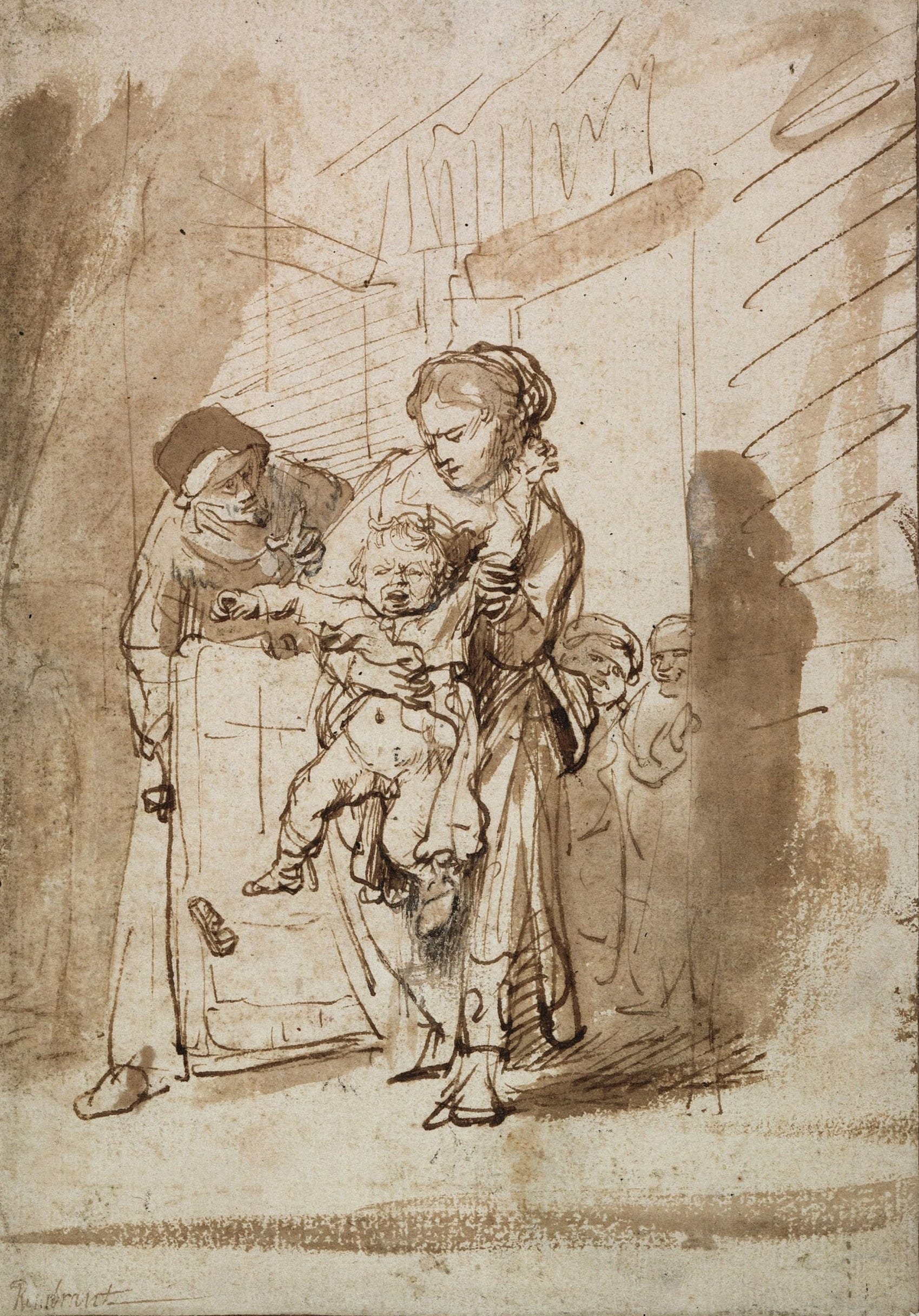
In The Unruly Child piece above, the diluted ink wash softens parts of the composition into shadow while the darker lines pull our attention back toward the figure. The result feels quite enticing; it almost looks incomplete in a deliberate sense, like we’re watching the drawing think itself into place.
And the surface itself matters too.
Paper differs tremendously in texture, acidity, strength, and quality. Some papers, like newsprint or typing paper, are inexpensive and used mostly for practice. Others, such as cartridge paper, vellum, and archival acid-free paper, are designed for preservation and detail.
Though AD 105 is traditionally cited as the year papermaking was invented by the Imperial Court official Cai Lun, archaeological discoveries at the Xuanquanzhi ruins in Dunhuang, in northwest Gansu province, place its actual origins nearly 200 years earlier. Early Chinese paper was made from hemp waste suspended in water, beaten into pulp with wooden mallets, then lifted through a sieve-like bamboo mould and left to dry.
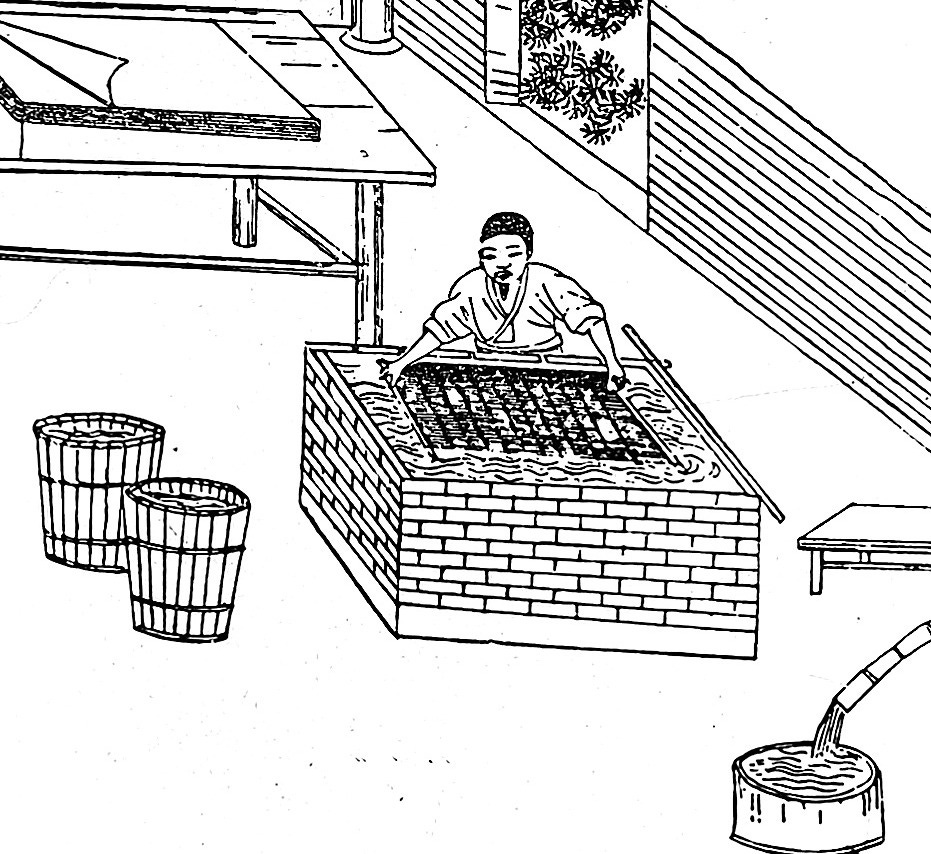
Over time, Chinese papermakers refined the process further by introducing smoother bamboo moulds, starch sizing, and yellow dyes that acted as insect repellents for manuscripts. From China, papermaking spread gradually across Asia into Korea and Japan by the 6th and 7th centuries AD, before eventually reaching Samarkand, Baghdad, Damascus, Egypt, Morocco, and finally Europe by the 12th century.
Before the widespread use of dedicated drawing paper, the concept of “sketching” and preliminary drawings was not very common. Artists worked directly on prepared boards, silk, or parchment in the Byzantine and medieval ages. To depict even a single line, an artist was expected to know where it was going from the beginning.
3. The Evolution
With the media and tools accounted for, now artists could think through what they wanted to draw. They could test ideas, abandon them, and return to them later; thus, the concept of a sketch was born, and people’s observations became deeper.
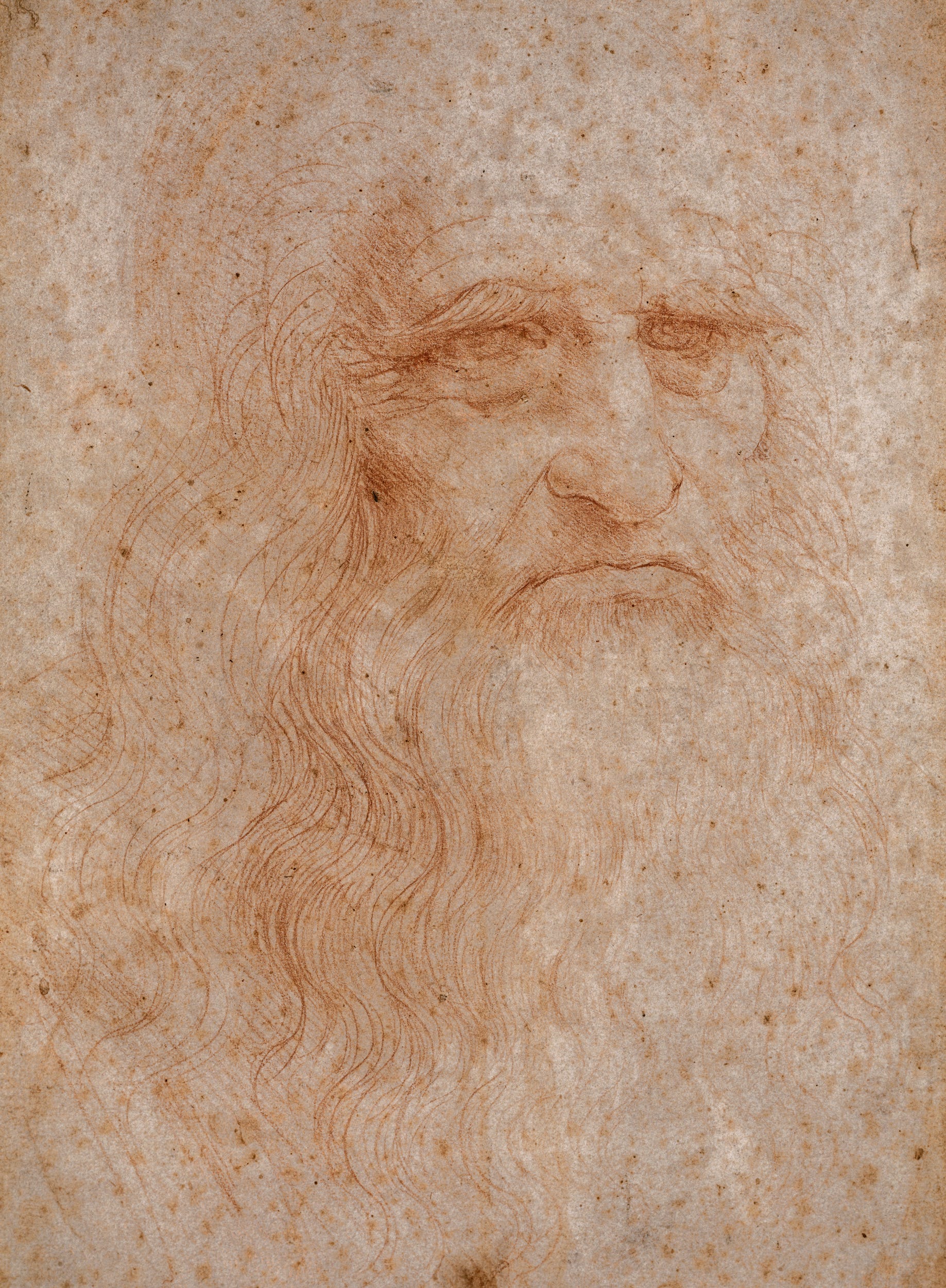
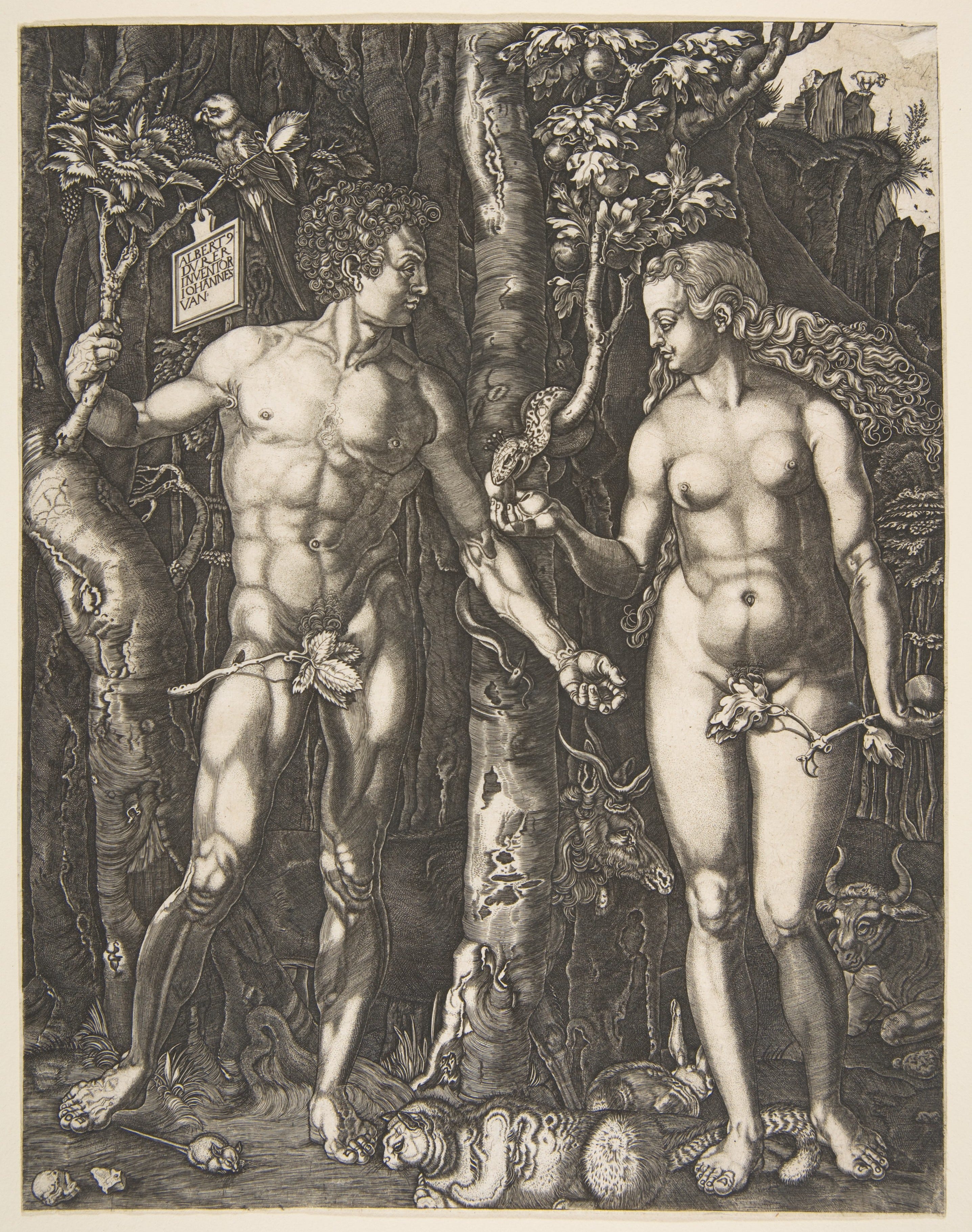
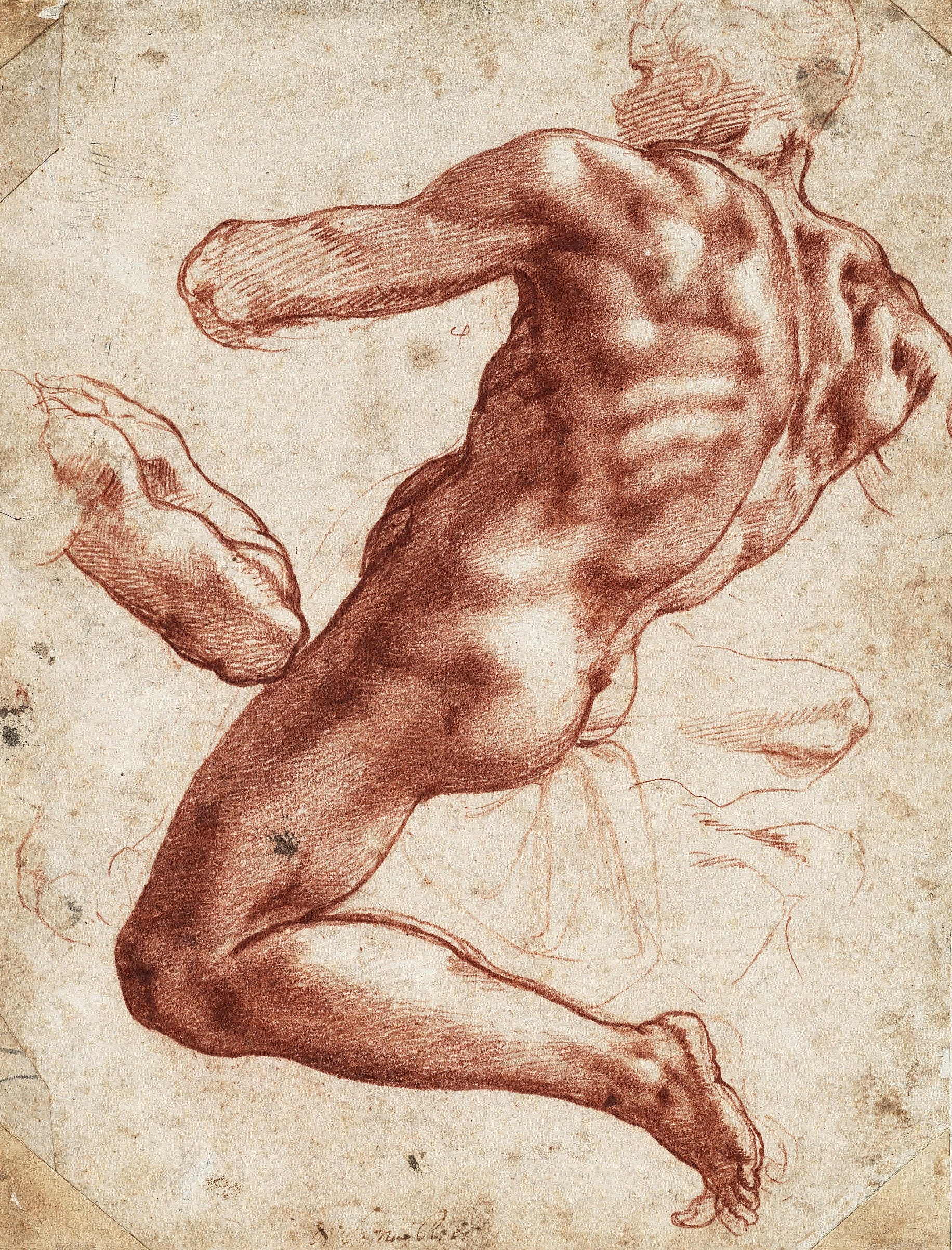
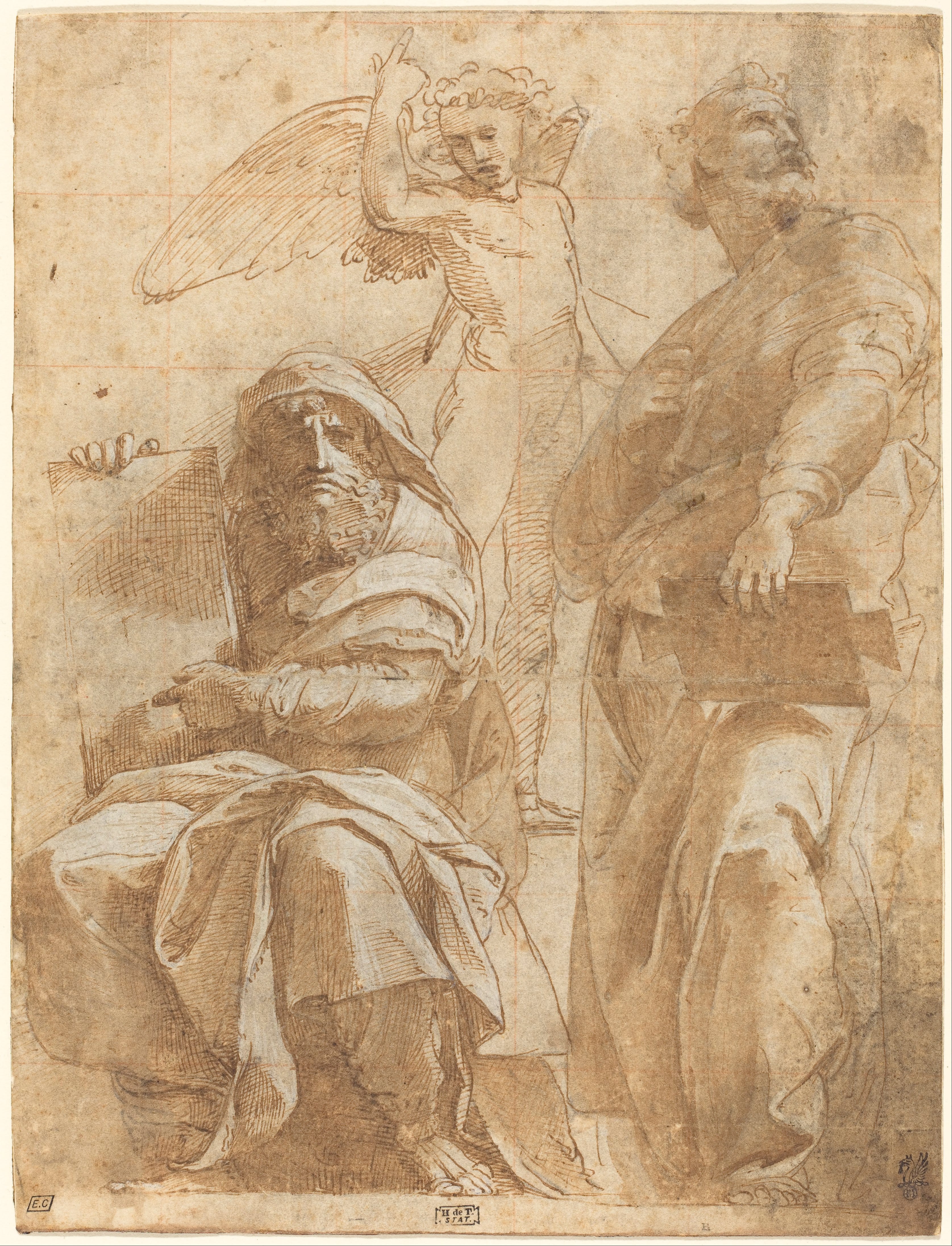
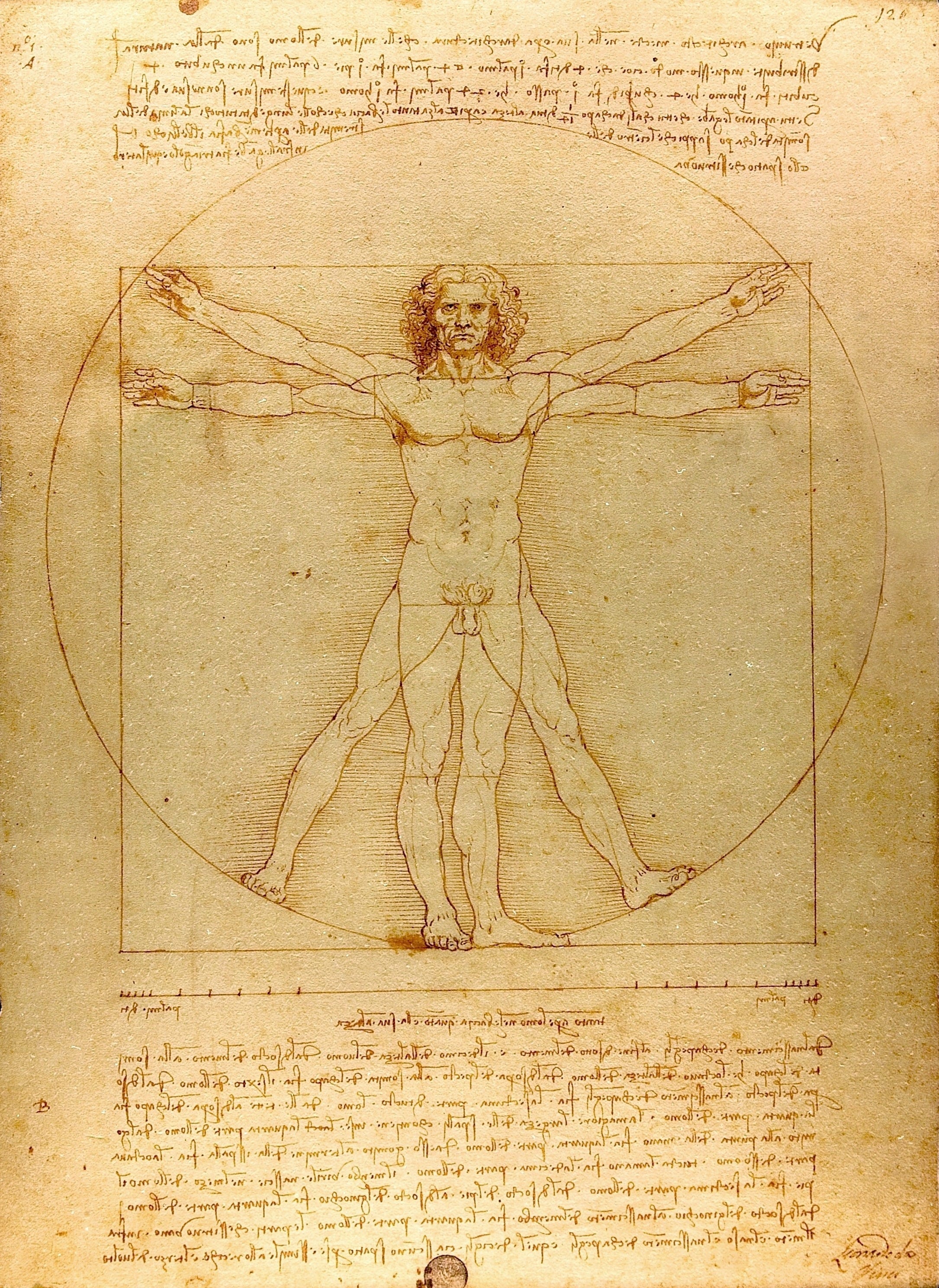
Within the realm of artists, drawing had become a central practice in Europe from the 15th century onward. Some of the earliest European drawings were done by Leonardo da Vinci:
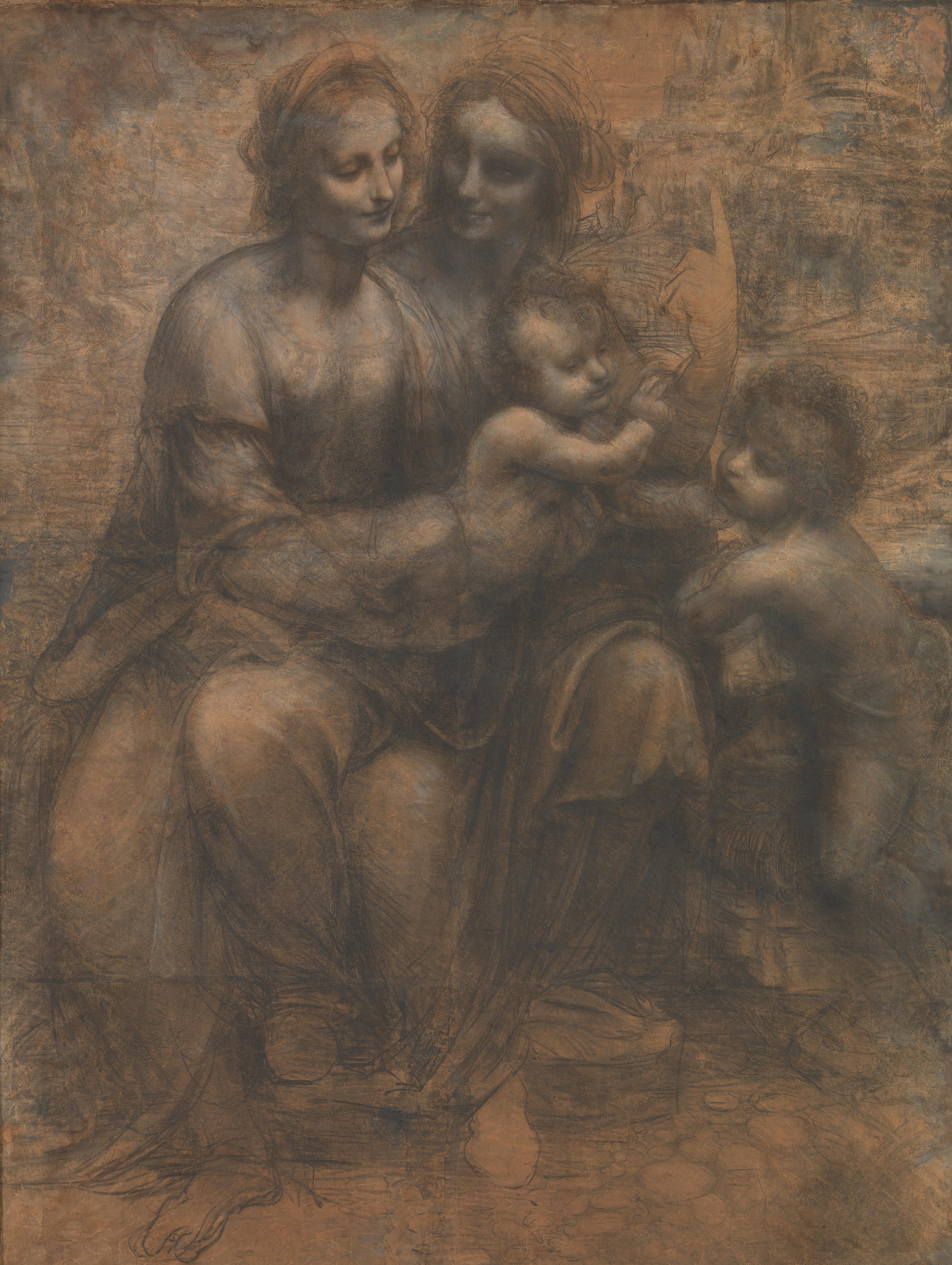
Hans Holbein the Younger:
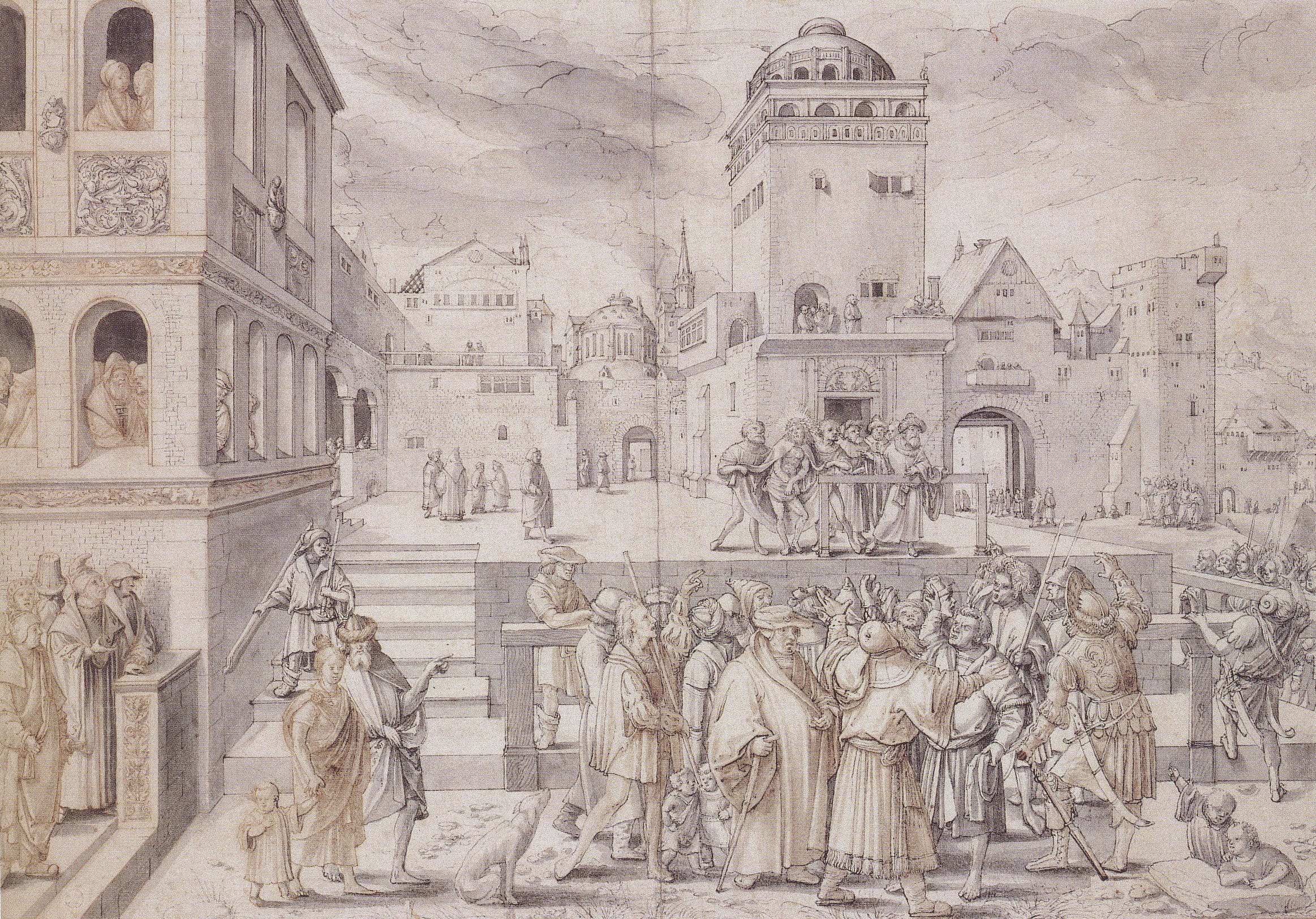
Albrecht Dürer:
Michelangelo:
And Raphael, all of whom helped establish drawing not solely as a method of preparation, but as an intellectual and artistic act in itself.
The drawings of Renaissance artists were largely shaped by two forces.
The Catholic patronage and religious institutions, as we’ve seen in the depiction of the Virgin Mary, Adam and Eve, and the prophets in the above examples.
And as a method of investigative and scientific observation. Leonardo da Vinci’s many famous studies of bones and muscles, the most famous of which is the Vitruvian Man, were done with pen and ink over metalpoint on paper.
With time, drawing gradually became more of a medium for personal and artistic expression, and artists began playing around with the rules. “Linear perspective” was developed by Filippo Brunelleschi, the Italian architect who devised systems of converging lines that finally allowed artists to convincingly recreate three-dimensional space on a flat, two-dimensional surface.
In the Netherlands, Dutch drawings often reflected protestant cultural conditions, and were similarly restrained to religious imagery or landscape and genre scenes commissioned by private wealthy buyers. Albrecht Dürer’s treatises between 1525 and 1528, including The Treatise on Measurement and The Four Books on Human Proportion, helped establish foundational ideas around human proportion and perspective.
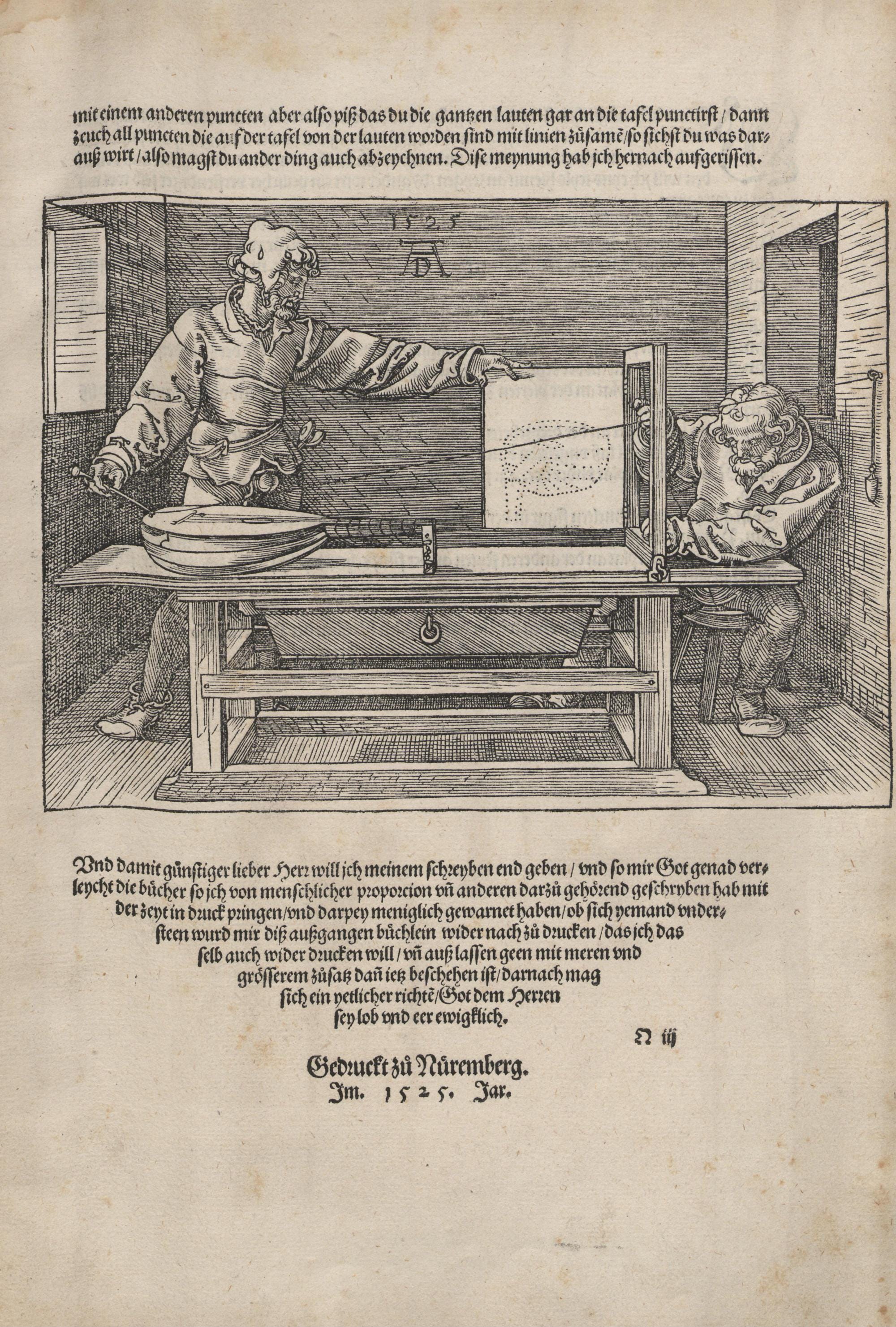
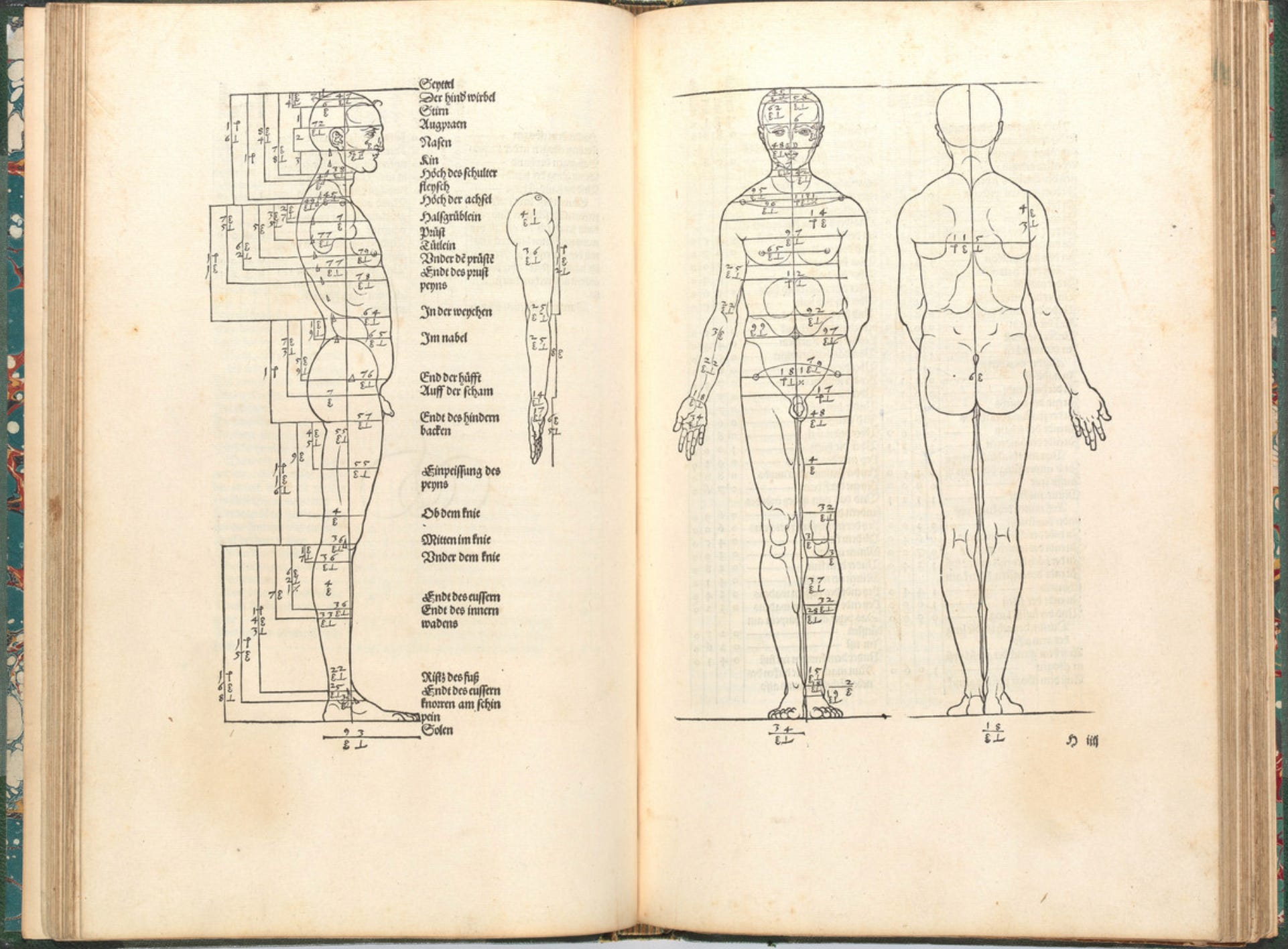
Drawing became, in many ways, the process of learning how to tame the spaces we live in; the conversation between our eyes, brain, hand, and paper.
The Italian artist Federico Zuccari later described this beautifully through two concepts: disegno esterno, the external drawing or physical line, and disegno interno, the internal drawing or idea.
By the 16th century, formal academies further codified these systems. Students copied Classical sculptures and existing artworks while following strict formulas for facial expressions and bodily proportion, especially within the French academies of the mid-17th century. These students began internalizing what researchers later described as the “cult of originality.” Some even rejected copying entirely for its lack of subjective expression.
Yet, I personally don’t see this act as an imitation, an identical copy. When you draw, the intention is not to capture the exact millimetres, thickness, and direction of lines you see before you, but to make your own version. Through another artist’s work, you can find your own voice; a meeting of two languages that expands both works in the process.
4. The Modernization
The French-Swiss Architect Le Corbusier wrote in 1927:
“Do not take photos, draw! Sketches remain etched in the mind.”
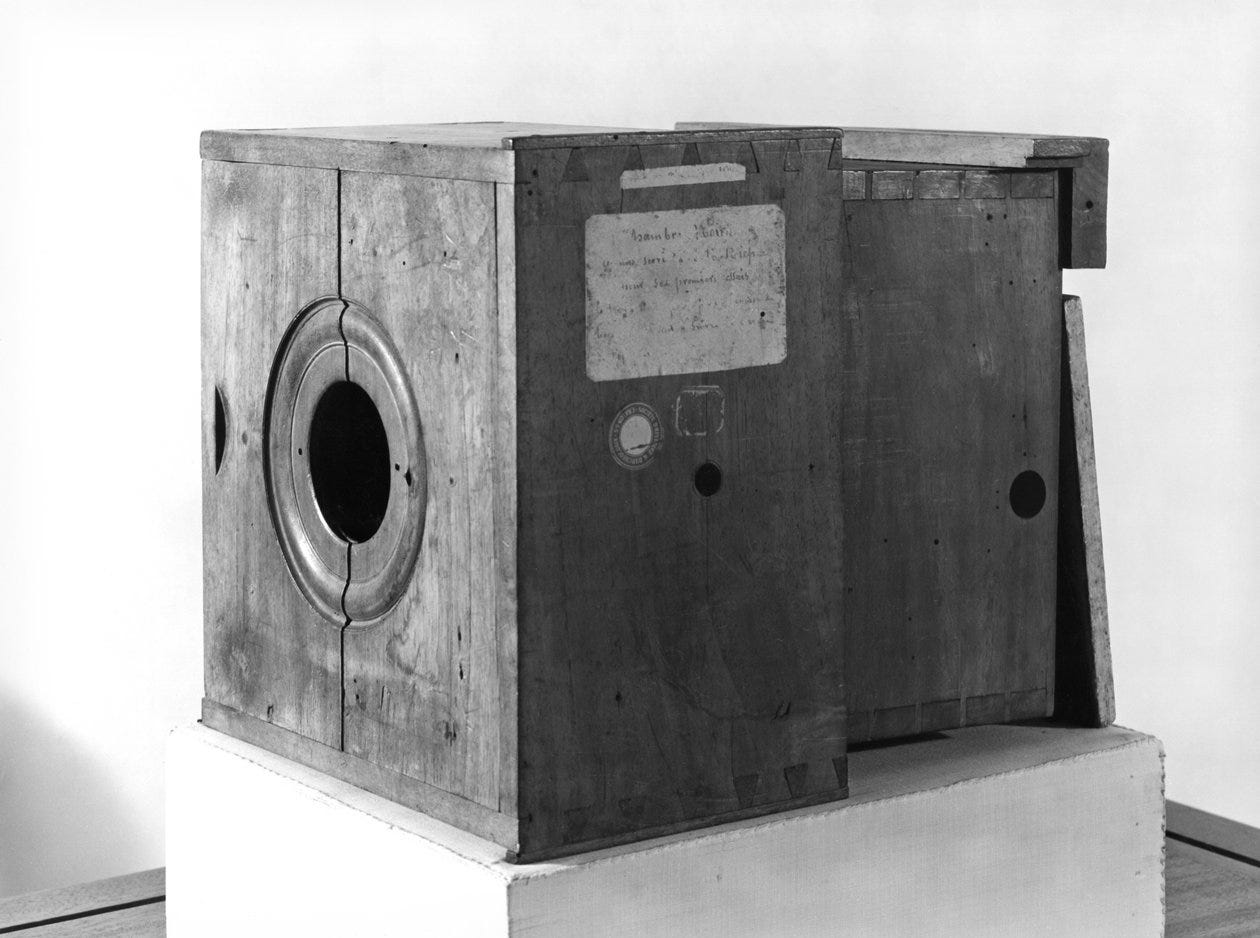
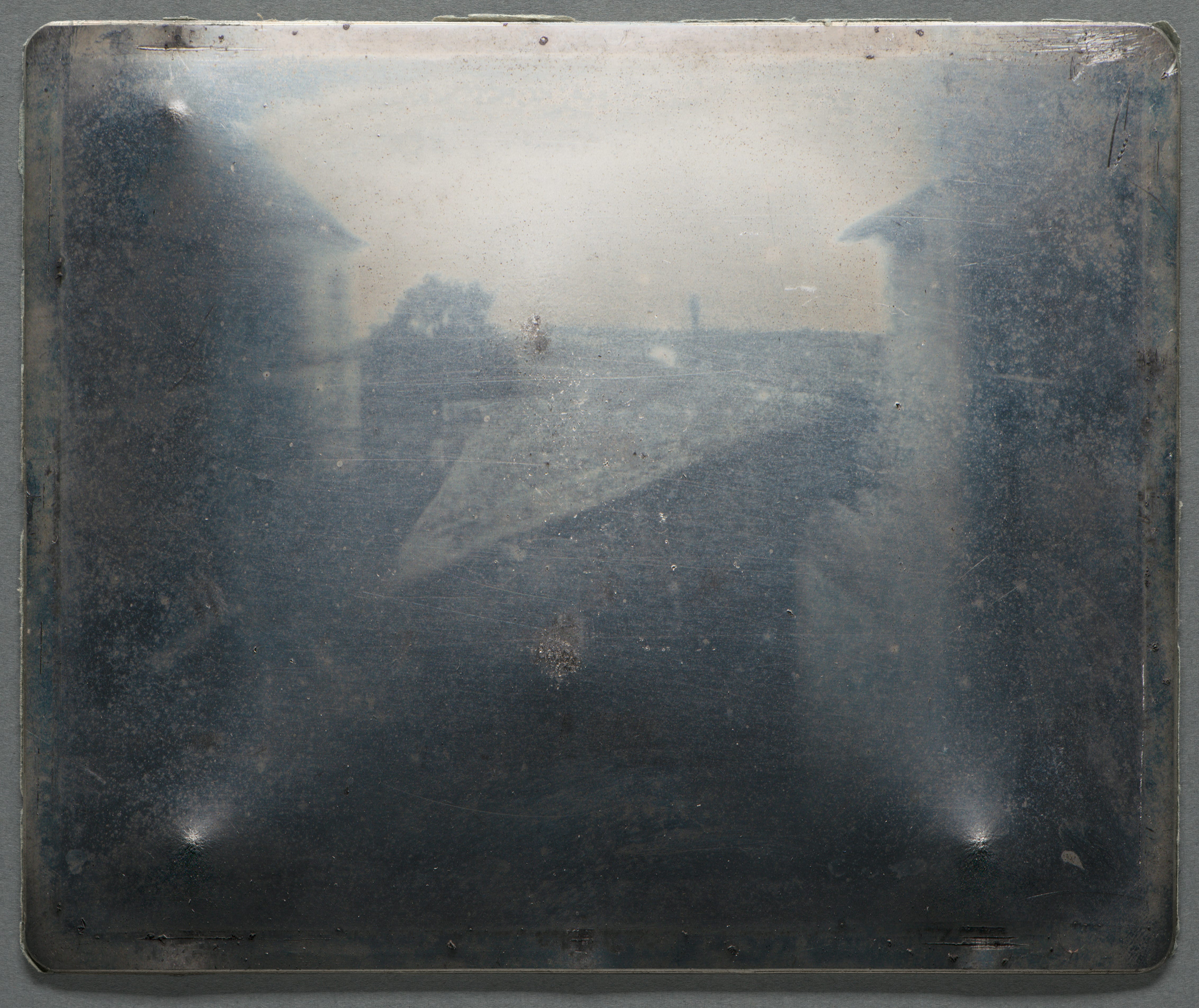
In 1826, the first permanent photo from a camera was captured by Nicéphore Niépce. Now, photography could accurately reproduce reality, and drawing was no longer needed to function primarily as visual documentation. And yet, it did not diminish its popularity. Instead, its value changed; toward interpretation, toward subjective memory, and toward one’s unique perception.
By the early 20th century, Abstract Art had entered the artistic vocabulary, and so drawings were pushed even further away from strict representation. The line no longer needed to faithfully reproduce the visible world. It could become emotional, psychological, or instinctive.
Automatism, originally a physiological term, describes involuntary movements of the body such as breathing or sleepwalking. Sigmund Freud later used related techniques—free association and automatic writing or drawing—to access the unconscious in his patients.
Surrealist artists adopted this practice in their works as a way to eliminate their conscious control and allow their unconscious thoughts to flow out freely.
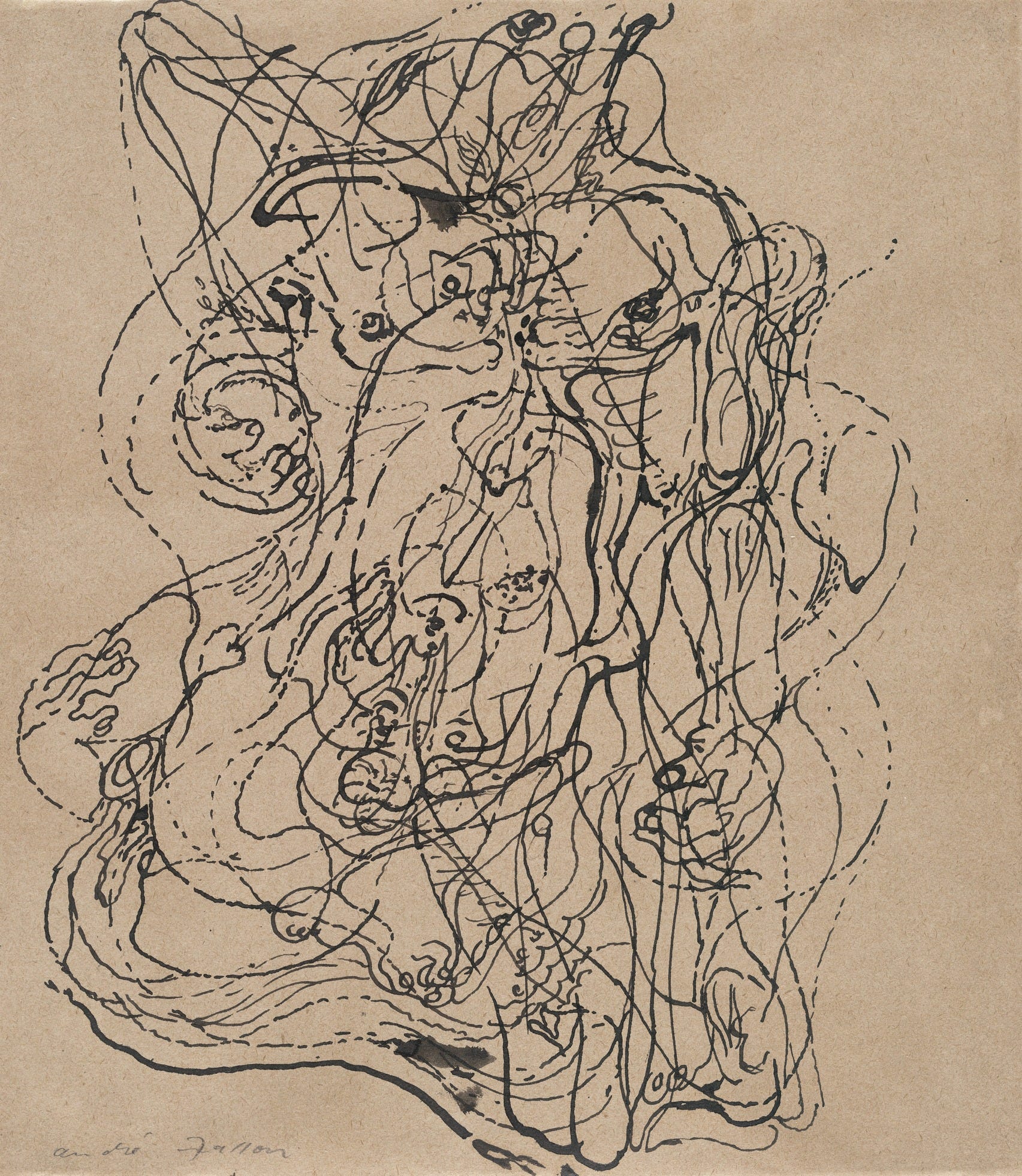
André Masson’s Automatic Drawing above demonstrates the flow and abstraction involved in this process. He begins without any planned subject or structure, and picks up his pen. It then travels rapidly and without conscious direction across the paper. From the seemingly disorderly mesh of ink, fragmented figures and objects begin to emerge. Most automatic drawing pieces are left intact, but an artist can sometimes add conscious refinements after the process.
Later and across the Atlantic, artists like Jean-Michel Basquiat expanded drawing beyond nearly all traditional boundaries.
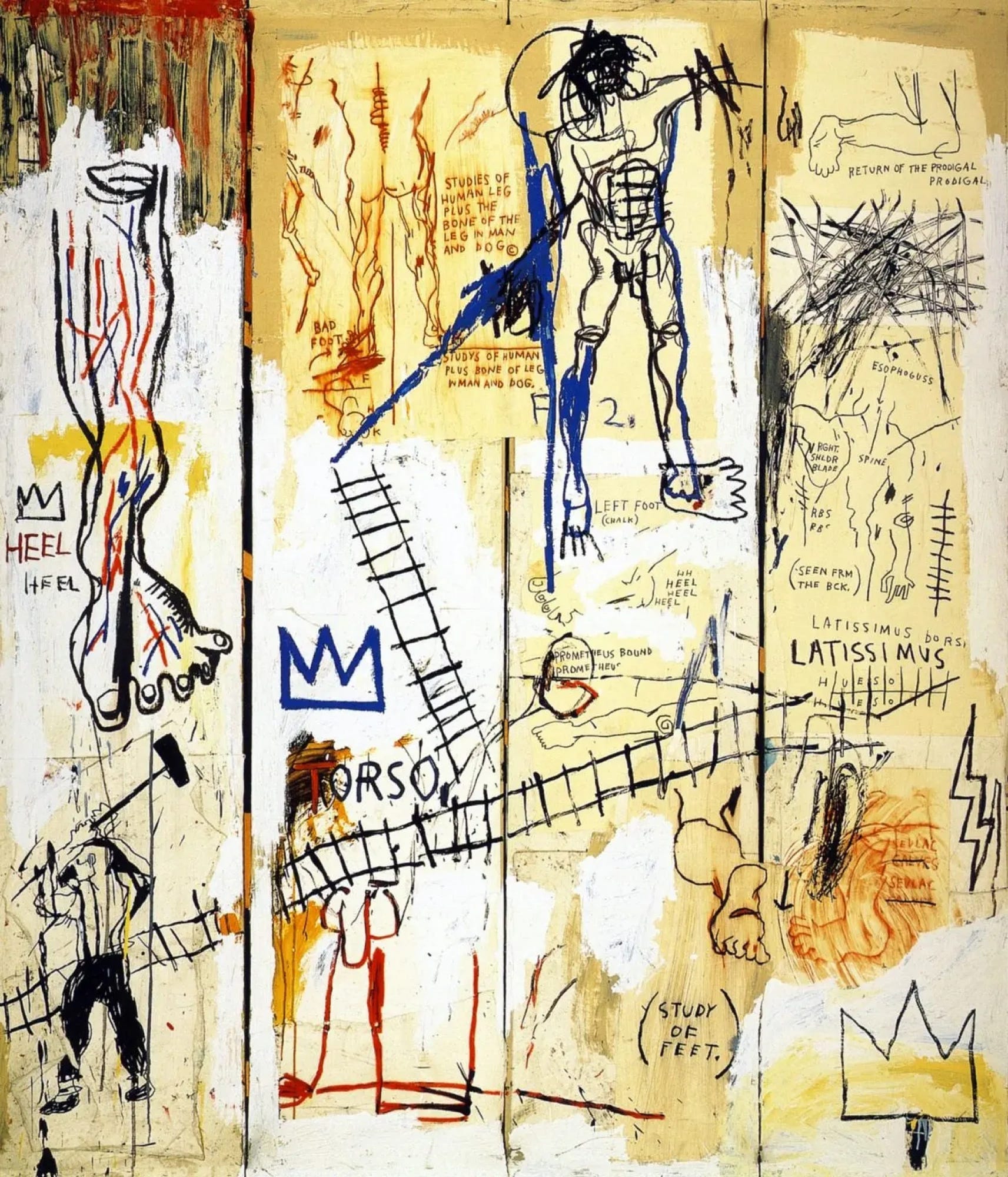
Basquiat worked across walls, doors, refrigerators, baseball helmets, clothing, and countless other unconventional surfaces, using ink, pencil, felt-tip marker, and oil stick interchangeably. By this point, thanks to the innovations of the new generation, drawing had become almost limitless in what it could be.
Drawing has always existed in between. Between idea and execution. Between observation and imagination. Between preparation and completion.
It can be a quick sketch, a storyboard, a scientific diagram, or a fully realized work that creates its own fictional world. It can document reality or construct alternatives to it. And through all of its changes, alongside materials, techniques, and technologies, it remains one of the simplest and most efficient ways of communicating ideas.
A mark on a surface. That’s all it has ever needed to be.
Behind the Masterpiece is a reader-supported publication. While I love keeping the doors open, the deep-dive research required for series like this is made possible by our paying members.
If you found value in today’s exploration of the medium of Drawing, please consider joining us.
Comments
Nothing yet. Say the first thing.
Sign in to join the conversation.