
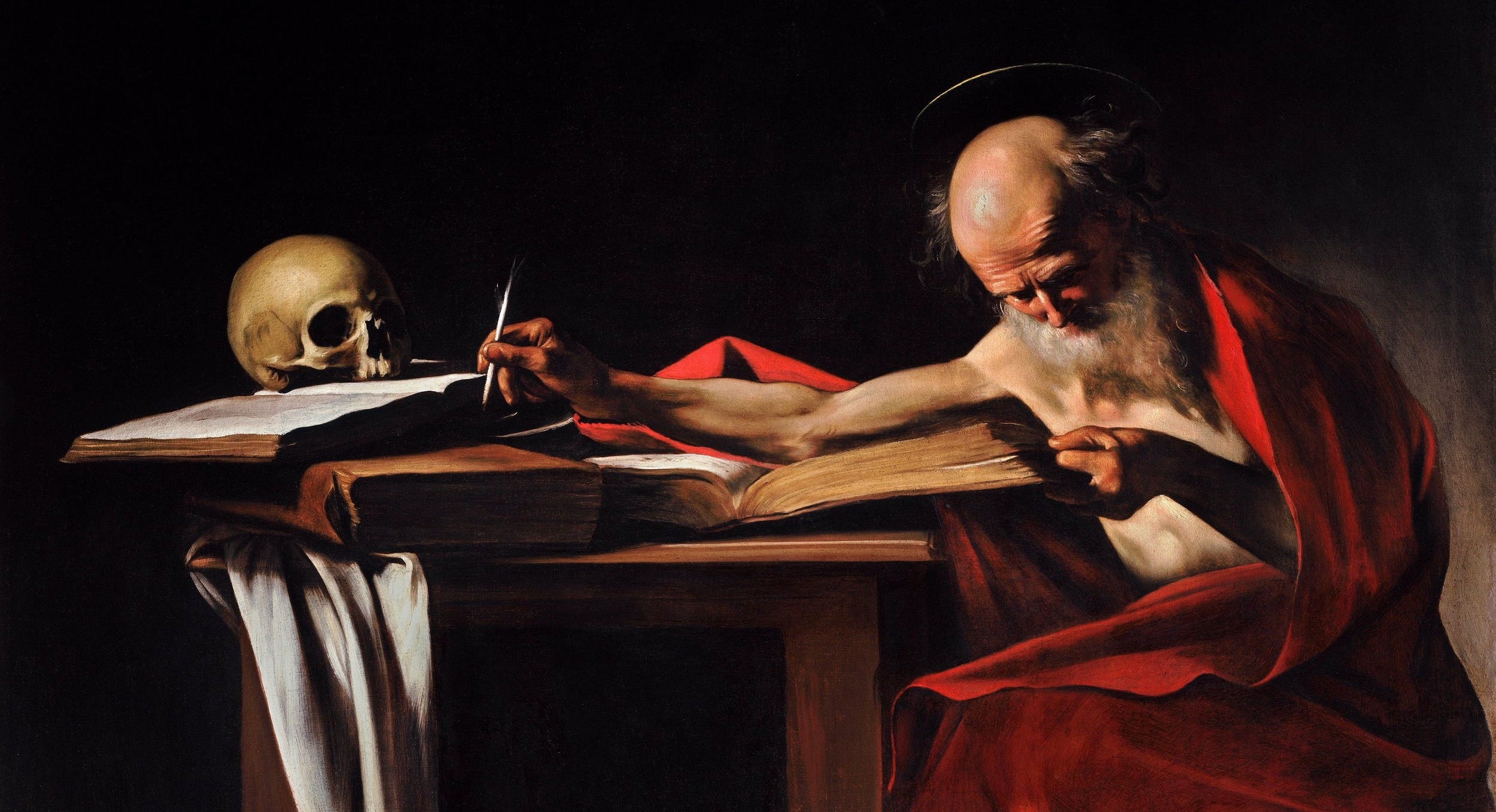
For me, art always begins with connection. Any piece of art on any medium, whether it’s a painting, sculpture, book, or film, should extend its metaphorical hand to us first.
Artists, at least most of them, create with the hope that someone will come across their work and pause long enough to truly see it. Because when we do—when we notice the details, follow the composition, and form our own reaction—we finish something the artist set into motion.
But art has existed for eons, and has developed its own language. The people who live and work in the field share these terms between themselves.
Today, I will help you join that conversation by decoding the language that helps us understand the stories taking place on the canvas and the art world as a whole.
Here is the rest of this four-part series:
Reminder: You can support Behind the Masterpiece and get access to members-only content for a few dollars per month, such as:
Access to paid subscriber articles
Unlock the full curriculum: From the ‘Language of a Masterpiece’ to the ‘History of Colors’
Ask me anything about your favorite works or upcoming museum trips
Ability to comment and join community chats
Canon
When we speak about the history of art, we’re rarely speaking about everything that was created. What we usually mean instead is a much smaller selection: the works that have been repeated, reproduced, and remembered often enough to stand in for the whole.
This is what we call the canon.
They are the names that appear again and again in textbooks, the paintings that top every “best of” list, the images you see in museum gift shops.
It’s important to note that, though the artworks in the art history canon are indisputably masterpieces, their visibility has often been prioritized by institutions that favored and preserved the works of artists from more privileged classes whose practices aligned with traditional artistic standards.
Fortunately, art historians today are working to widen this lens, looking retroactively to bring forward artists who were excluded because of their gender, race, class, or geography. It’s wonderful to know that the canon is not complete per se, and that art history is still being written.
Provenance
Simply put, provenance is the recorded ownership and the chronology of a work of art. The word itself comes from the French provenir, meaning “to come from,” and by tracing this information, we begin to see a more complete narrative around the artwork. Who has owned it? Where has it been shown? How has it travelled through the world since its creation?
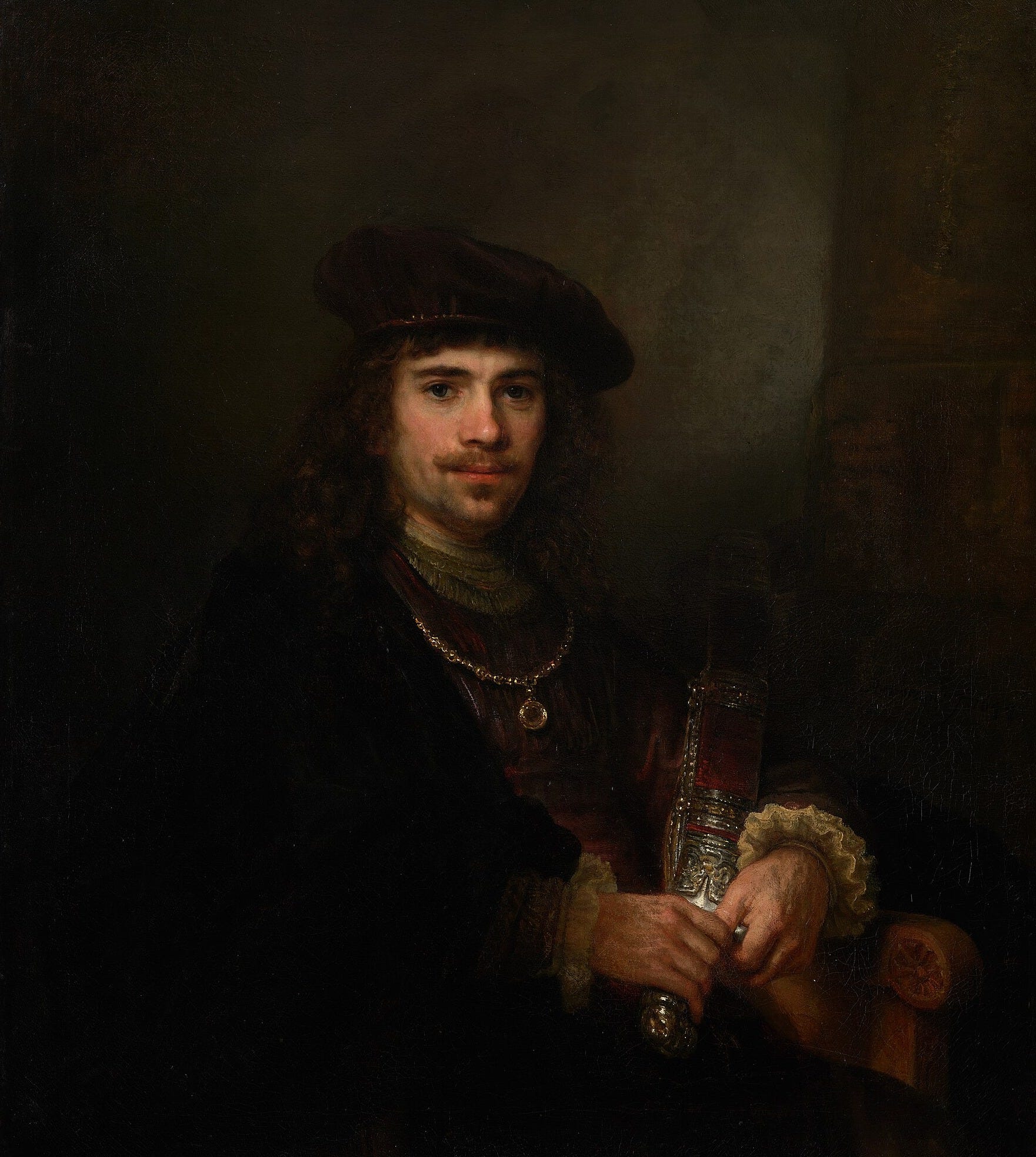
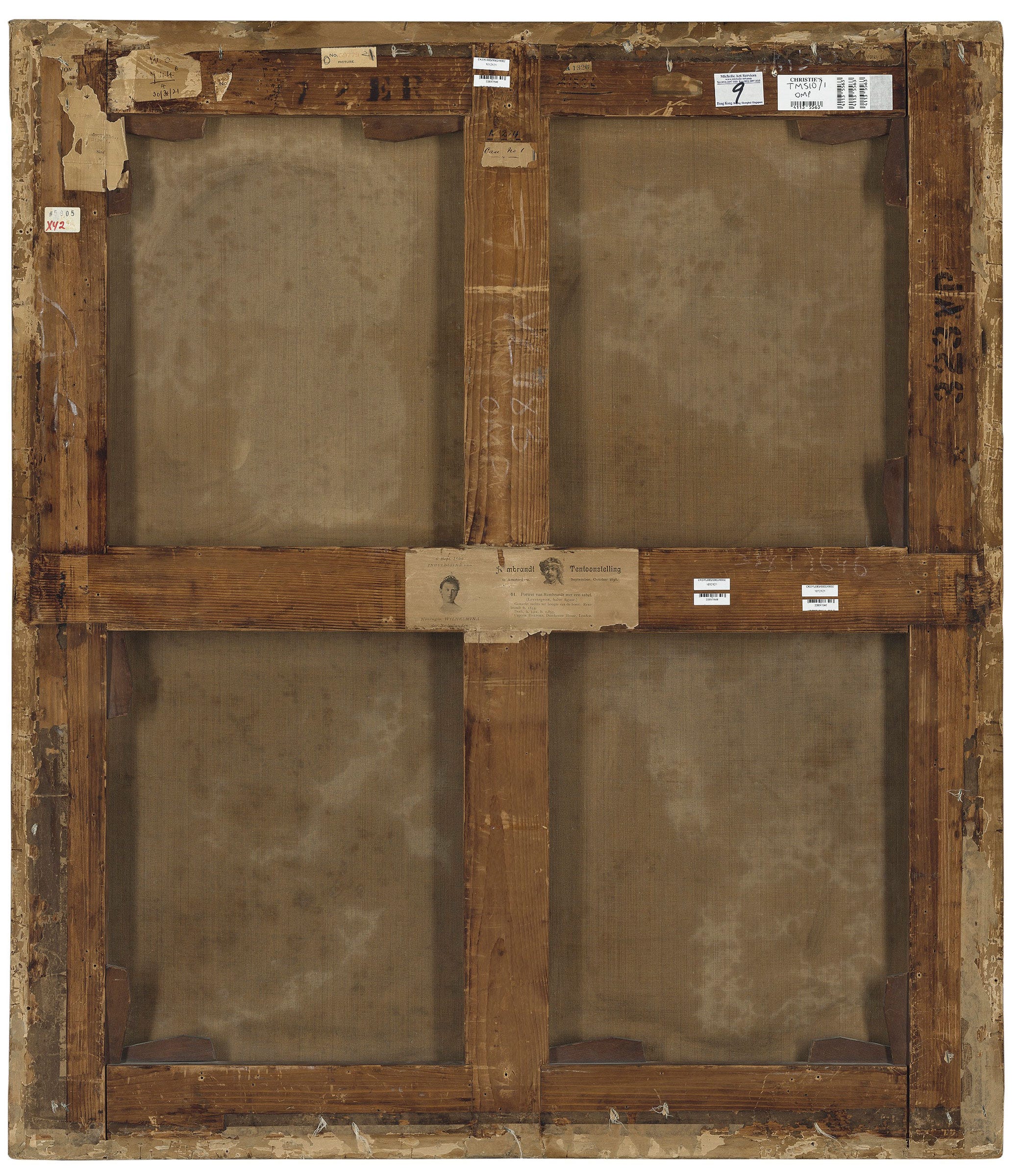
This information is more than simple logistics. It often gives us context for the circumstances in which the artwork came into being. Was the painting commissioned? If so, the identity of the patron may have shaped the artist’s choices from the very beginning, since the person paying for the work was often the one who would live with it and had some say in the matter.
Provenance also matters within the art market itself. Knowing where a painting has been and whose walls it once hung on can influence how it is valued today.
Figurative
(The next two terms go hand-in-hand)
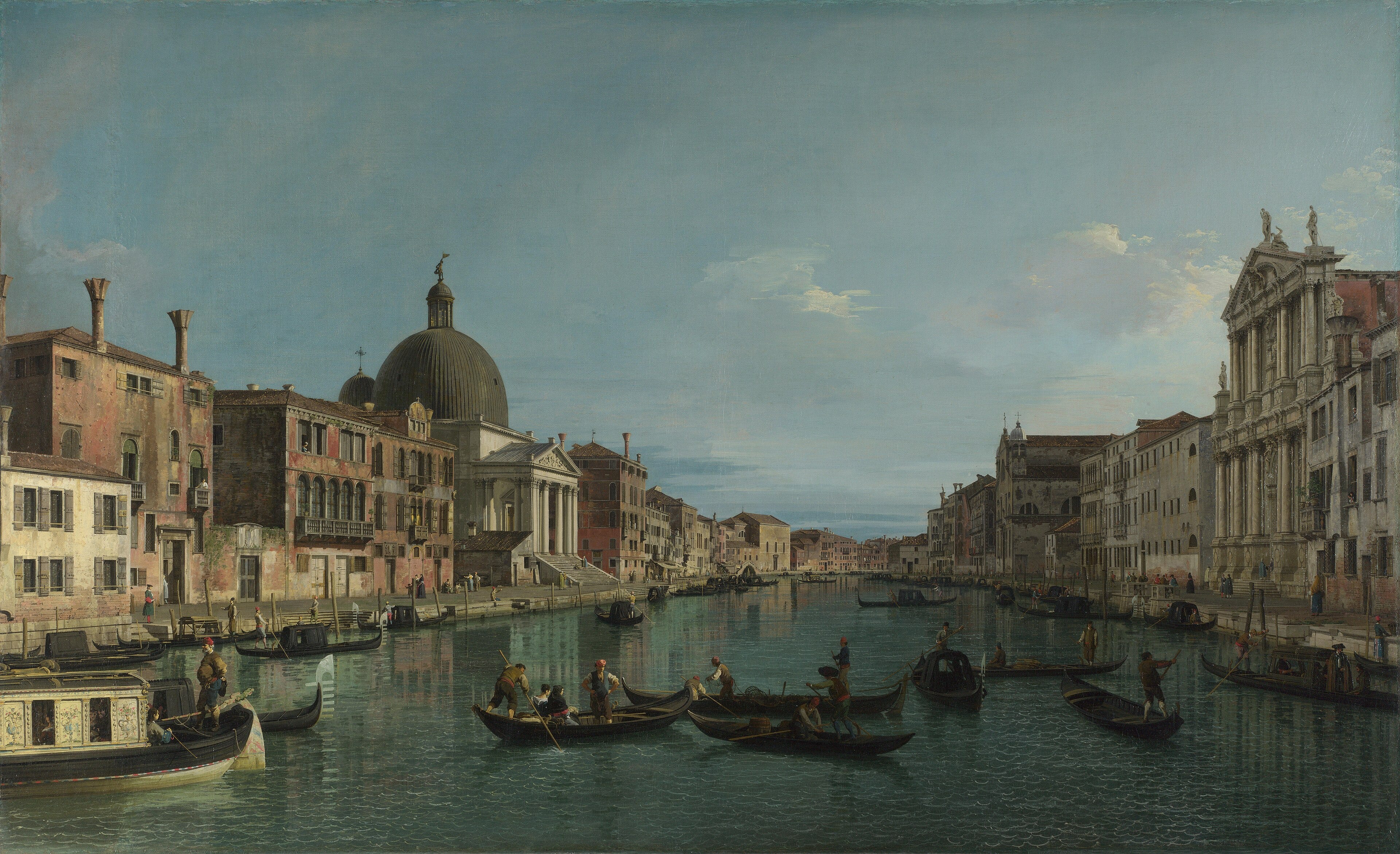
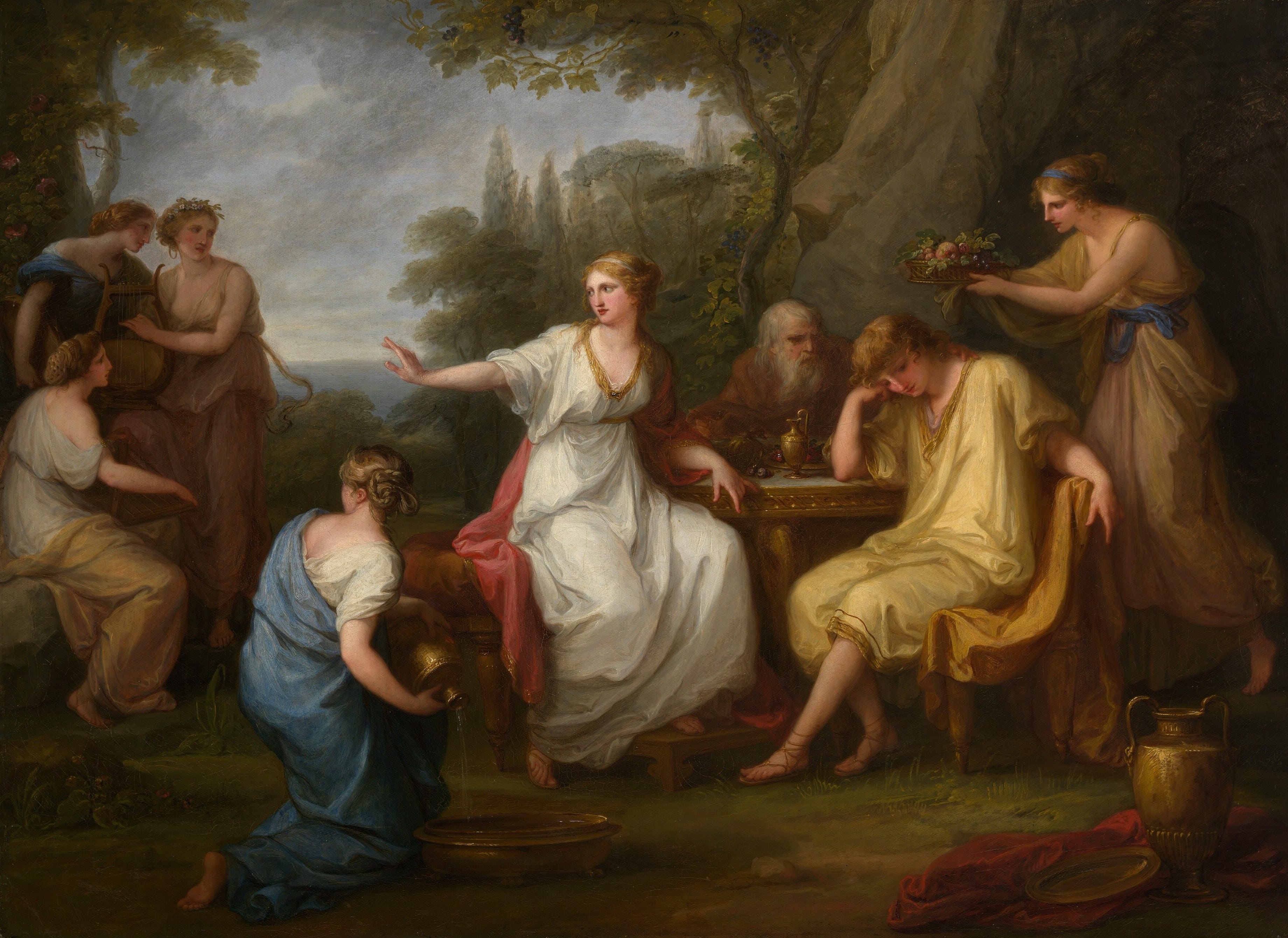
Much of the art we encounter before the 20th century shares one common quality: it’s recognizable.
Whether it’s a town:
or a group of people:
or even a bowl of fruit.
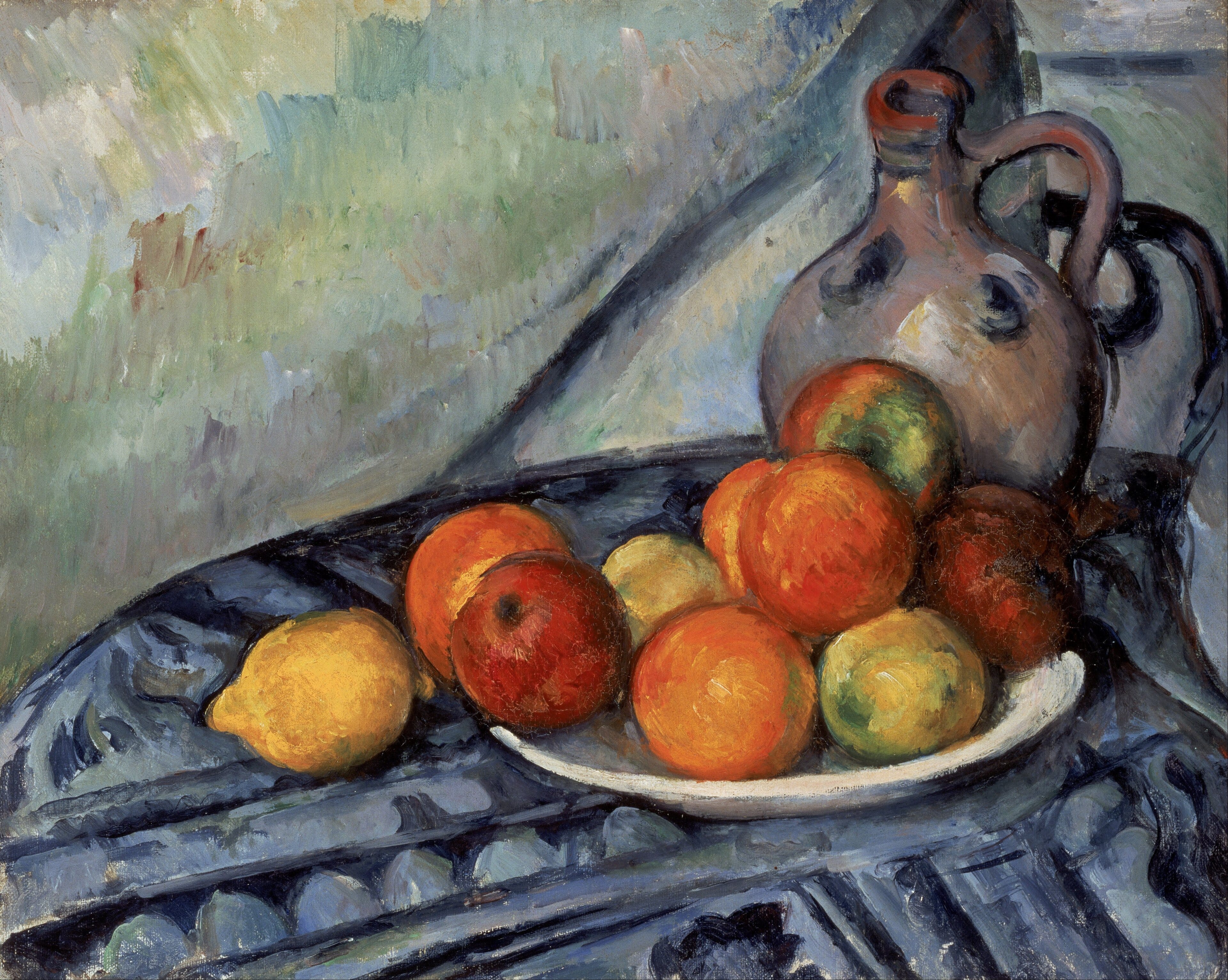
When an artwork represents subjects that exist in the world that we can see, we describe it as figurative.
This term became more widely used once its counterpart, abstract, entered the artistic vocabulary in the 20th century. And so, because of this, the category of figurative art stretches across an immense span of time. Yes, this includes everything from the very first cave paintings to the paintings of Botticelli, and even modern Cubist works.
Abstract
Abstract art, on the other hand, refers to images that do not reproduce the visible world exactly as we see it. So instead of depicting people, places, or objects with natural accuracy, the artist simplifies, fragments, or rearranges them into studies of shape, form, color, and line.
Abstraction first began in the 20th century with the rise of the Abstract Expressionism movement in the U.S. Within its practitioners, there were two approaches.
This Substack is reader-supported. To receive new posts and support my work, consider becoming a free or paid subscriber.
Comments
Nothing yet. Say the first thing.
Sign in to join the conversation.