
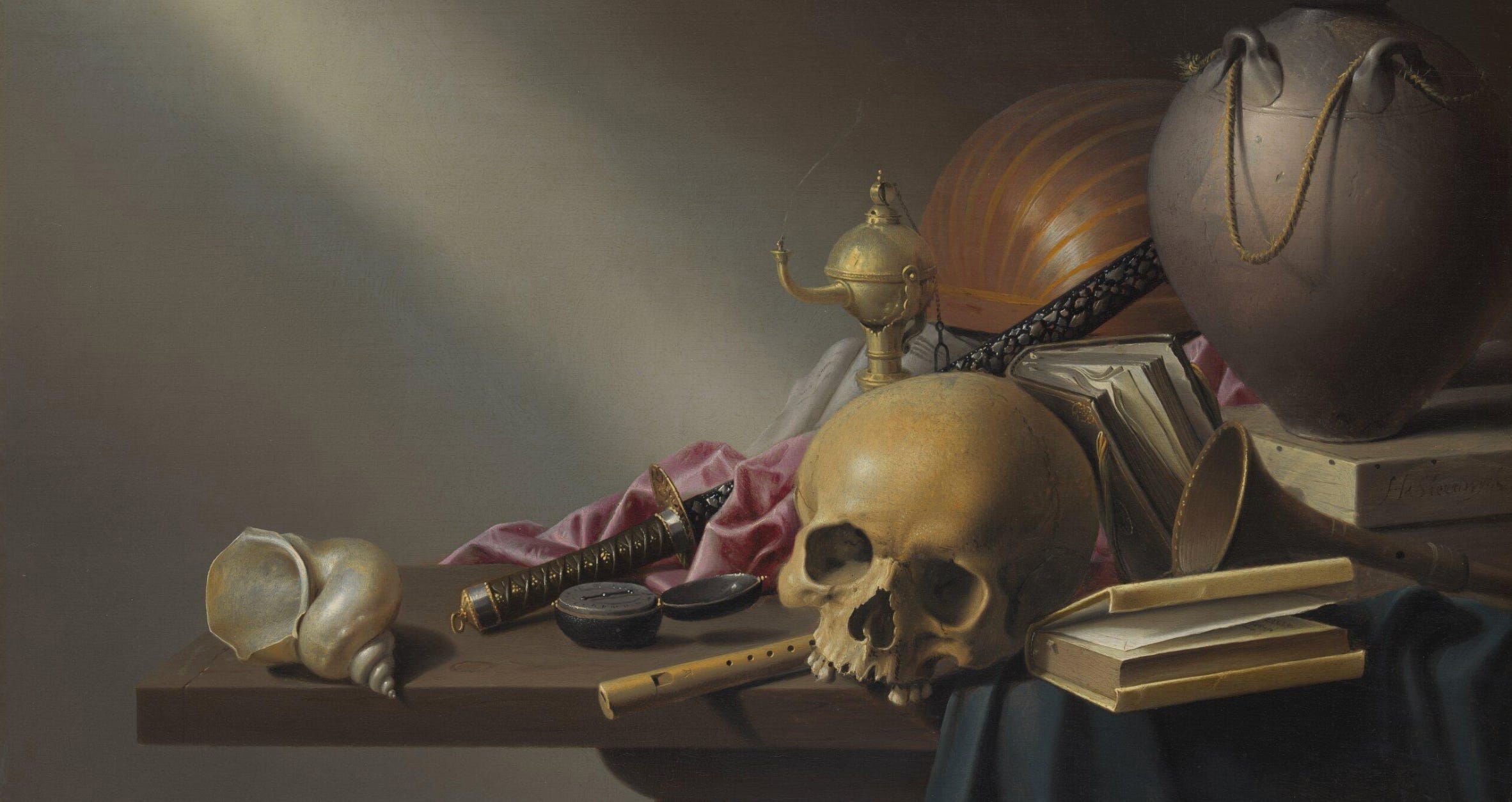
A still life is exactly what it sounds like: objects that stay still.
A bowl of fruit, a vase of flowers, bread and wine, local and foreign goods, and sometimes insects or animals, all beautifully arranged. Through color, light, and texture, the artists practicing in this genre turn these simple arrangements into reflections on the physical world around us, and the silent world inside us.
And without a human figure to guide us around the canvas, these objects become our interpreters. Their position, condition, neighboring elements, and historical context become the language of the painting.
Reminder: You can support Behind the Masterpiece and get access to members-only content for a few dollars per month, such as:
Access to paid subscriber articles
Unlock the full curriculum: From the ‘Language of a Masterpiece’ to the ‘History of Colors’
Ask me anything about your favorite works or upcoming museum trips
Ability to comment and join community chats
It’s important to note that while the still life genre was officially established, named and later popularized in the 17th century, the practice itself is far older.
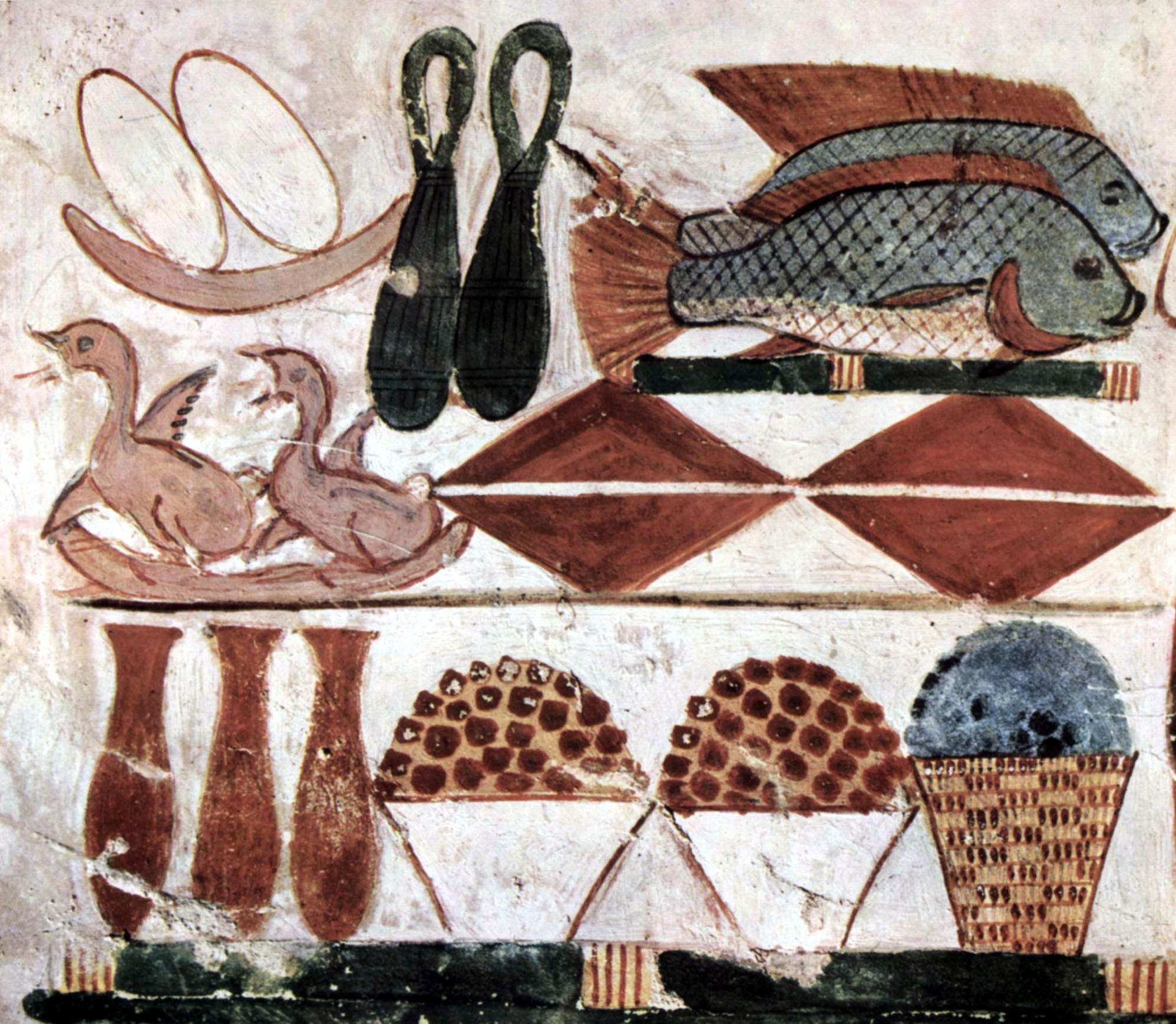
Some of the earliest examples of still life paintings were made in the 15th century BC by the Ancient Egyptians. Archaeologists have found these images in burial sites, showing meat, fish, and grains that were meant to accompany the dead into the afterlife or to serve as offerings to the gods.
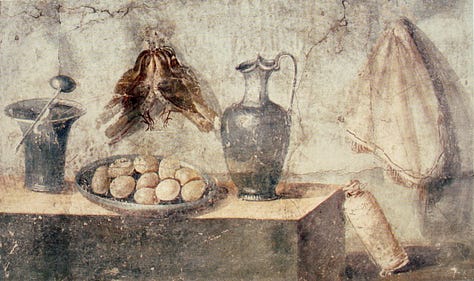
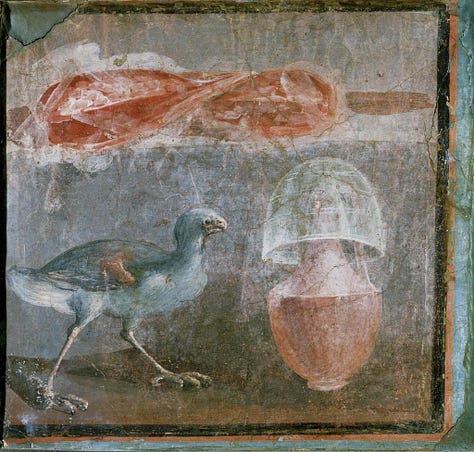
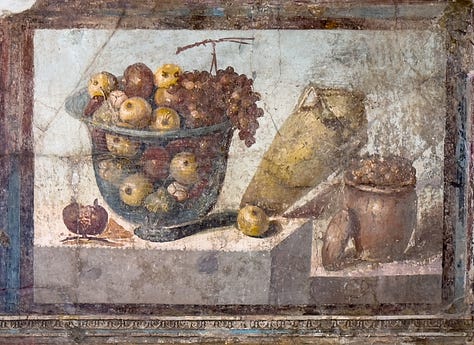
Later, in ancient Greece and Rome, similar themes were depicted in frescoes and mosaics. These images symbolized wealth and prosperity for the homes of the upper classes, and many can still be seen today in Pompeii and Herculaneum in central Italy.
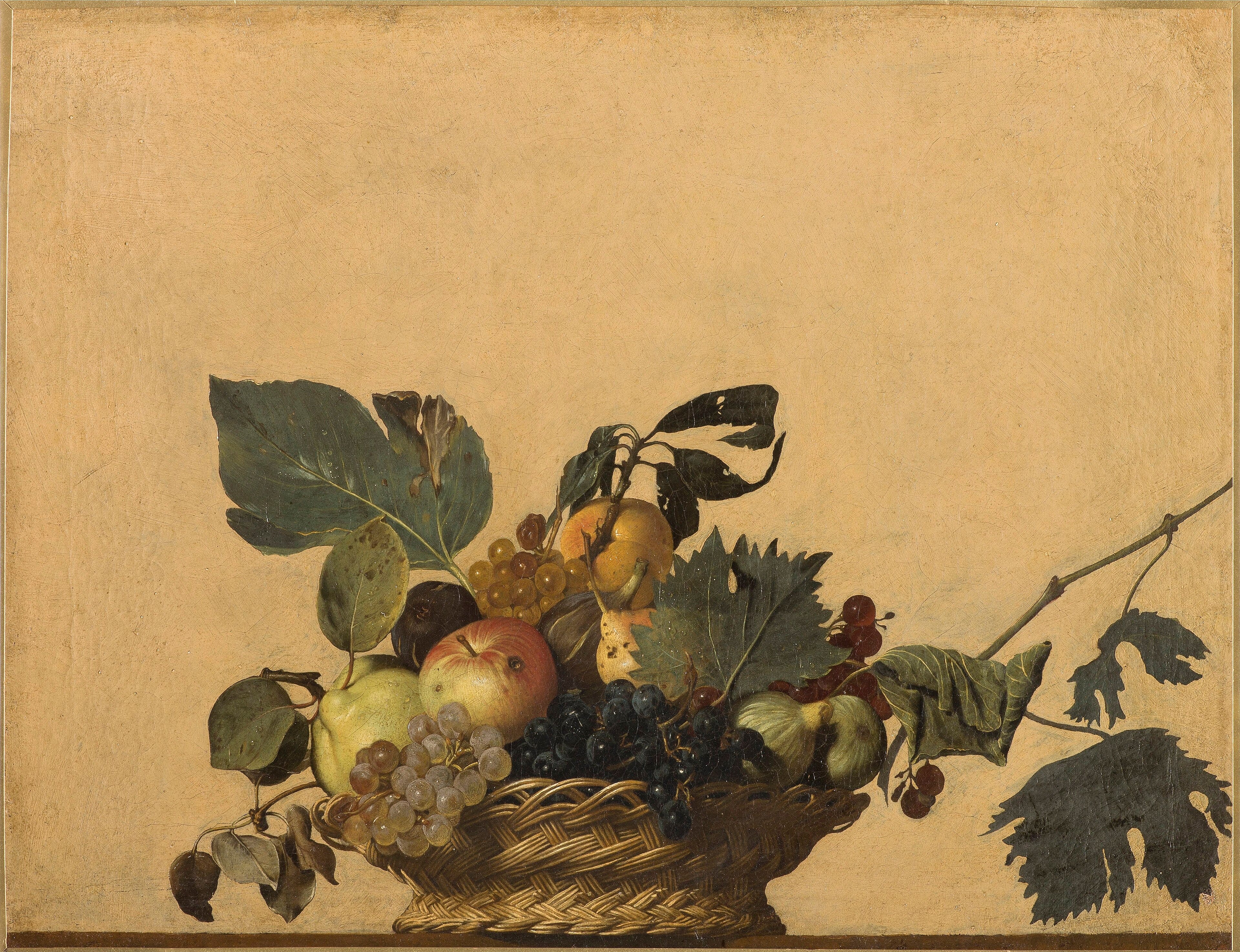
The invention of the standalone genre of still life has traditionally been attributed to Caravaggio, who created his famous Basket of Fruit painting, seen below.
The basket rests on a narrow ledge that slightly overhangs the table, as if it might tip into our lap at any moment. Inside it are fruits, some freshly ripened, others already showing signs of age. Behind them, the empty background forces our eyes to stay with the titular basket of fruit.
Another Italian artist, Fede Galizia, produced a series of oil paintings on the same theme that rivalled Caravaggio’s work. But unlike his, her paintings were largely dismissed; a fate shaped by the realities of being a woman artist in 17th-century Italy.
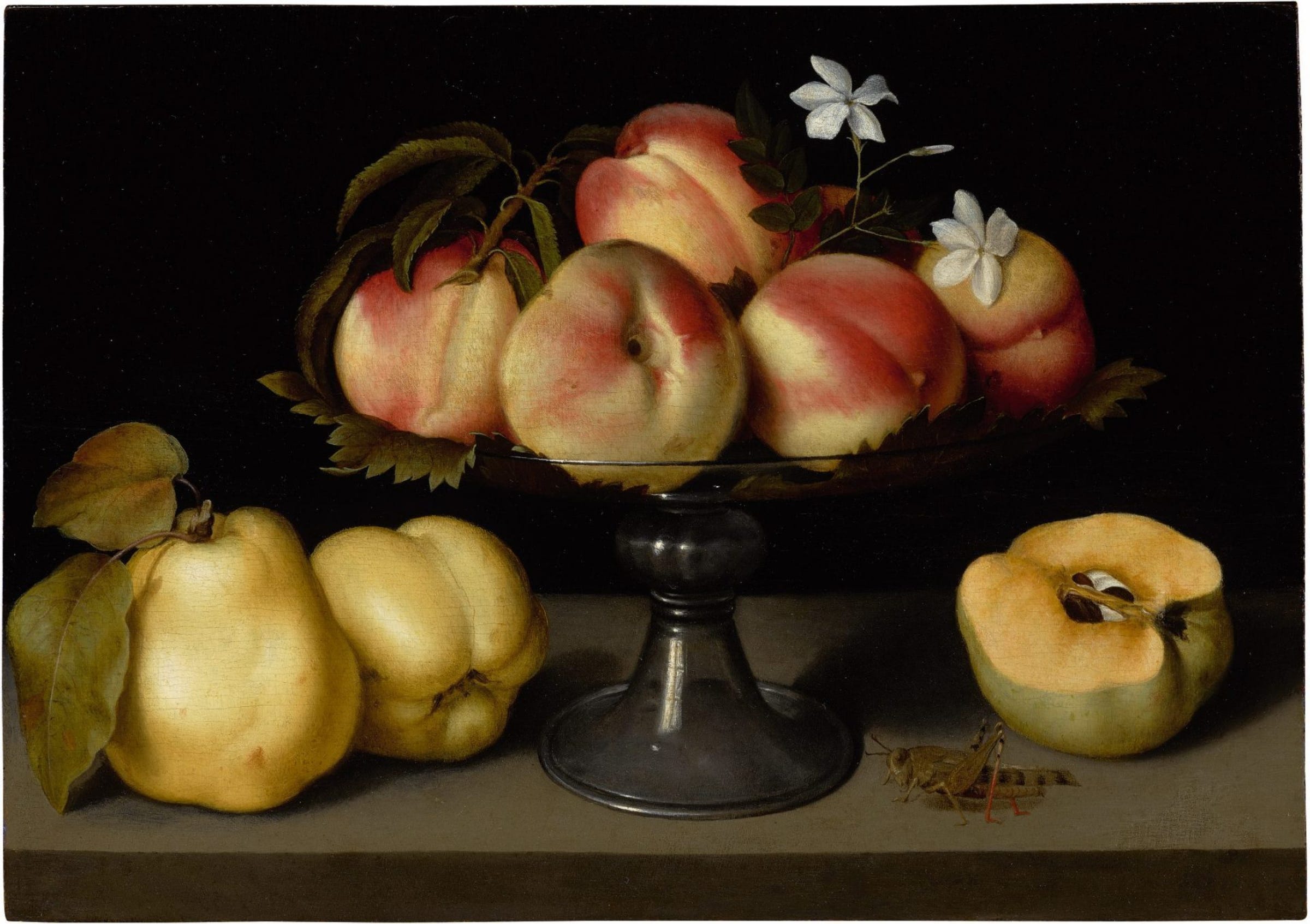
Take for example, A glass compote with peaches, jasmine flowers, quinces and a grasshopper painted in the early 1600s. Here we can see her extraordinary attention to detail. Using delicate shifts in light and shadow, she makes the fruit, flowers, and insects appear strikingly alive. The work also includes symbolic elements; the grasshopper, symbolizing the passage of time, sits beside a sliced quince representing fertility. Together, they suggest the fragile nature of life.
Comments
Nothing yet. Say the first thing.
Sign in to join the conversation.