
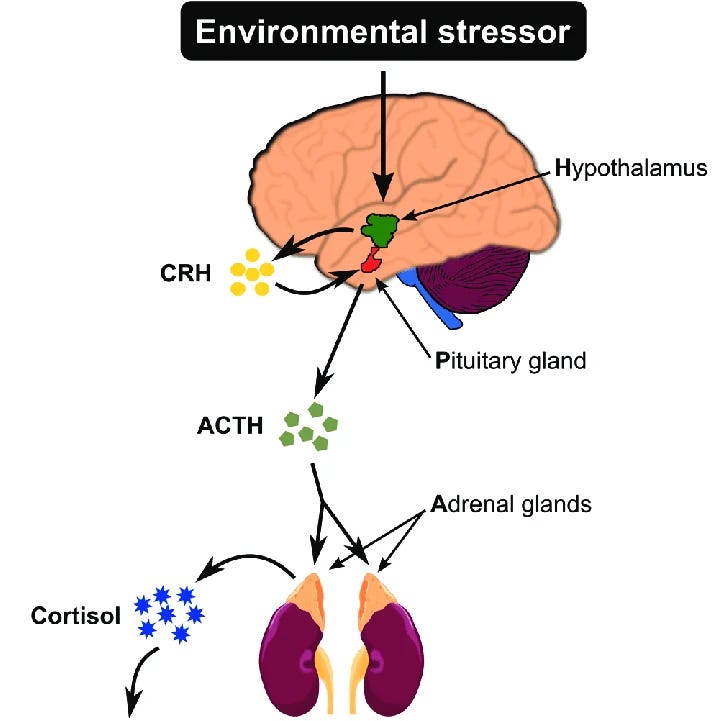
Cortisol face. Cortisol belly. Lower your cortisol and the weight falls off, so you bought the ashwagandha and started the cold showers and the “cortisol cocktail.”
Six weeks later your waist is the same.
Now you feel like you failed at that too.
What you’ll learn in this post:
→ The real size of the cortisol-to-belly link, in one number
→ Why “lower cortisol, lose the belly” gets the cause backwards
→ The stress-eating lever that sits in your kitchen
→ Read time: 8 min
If you take one thing today, take the 9pm swap in the protocol. It’s the only part of this whole topic you can act on tonight.
A mum in the community messaged after a month of “cortisol-lowering” routines. Ice water on her face at 6am, magnesium, a supplement she’d rather not name. She wrote that the routines made her feel busy, the scale hadn’t moved, and she felt worse than when she started.
This is experience, not evidence. One person. No measurements.
THE PROBLEM: the link is real, and it’s tiny
The claim running through every one of those videos: cortisol is why you have belly fat, so lower your cortisol and the belly goes.
Here is the biggest study ever done on that exact question.
Researchers pooled 146 groups of people, 34,342 in total, and measured long-term cortisol in scalp hair against body size (van der Valk, 2022 — https://pmc.ncbi.nlm.nih.gov/articles/PMC9285618/). Hair holds a months-long record of cortisol. This is the good version of the measurement, not a single stressed-out blood test.
They found a link. A real one. Higher long-term cortisol went with higher BMI and a bigger waist.
Now the size of it. The correlation ranged from 0.10 for cortisol and BMI up to 0.18 for cortisone and waist.
In plain terms: cortisol statistically accounts for about 1% of the difference in people’s BMI, and about 3% of the difference in waist size.
One percent. Across thirty-four thousand people.
The other ninety-nine percent is genetics, food, sleep, muscle, menopause, medication, and a dozen things nobody sells a cortisol cocktail for.
I’ll be straight about the limit of my own honesty here. I can’t tell you whether lowering your cortisol would shrink your waist. The biggest study we have can’t tell you either. It’s a snapshot, not a film, and it says out loud that it cannot prove cortisol causes anything.
→ The link is strongest for the least-hyped version. The panic is all about cortisol and belly fat. The strongest signal in the data was for cortisone, the inactive form, against waist circumference, not the cortisol-and-BMI everyone quotes (van der Valk, 2022 — https://pmc.ncbi.nlm.nih.gov/articles/PMC9285618/). What’s being sold to you is not what the data points at.
→ The arrow may run the other way. This is a cross-sectional study. It photographs cortisol and waist at the same moment and cannot say which came first. The authors raise the real possibility that carrying more weight shifts your stress-hormone setpoint up: the body changes the cortisol, not the cortisol changing the body. Nobody selling you a cortisol hack mentions that the causation might point at their own feet.
So the panic is oversold and the direction is unproven. Stress and eating still have everything to do with each other, and that link is the one you can use.
Here’s the food-brain lever underneath all of it, and the exact 9pm swap that works on it.
The full stress-eating reset protocol is inside: what to eat, when, and the one swap that changes everything.
Science-backed food and habits that actually fit your life with kids.
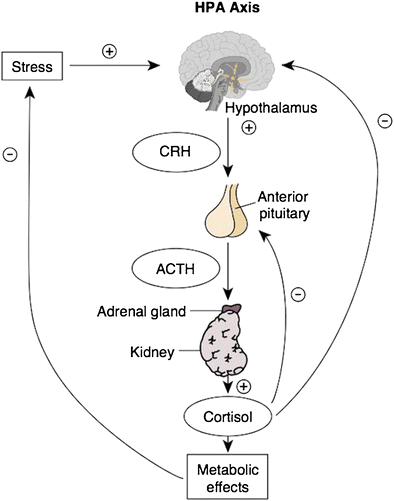
Stop chasing the cortisol number. Start with what cortisol does to a tired parent at night.
Stress → cortisol rises → your brain’s reward system pushes you toward high-sugar, high-fat food → you eat it at 9pm without deciding to. That path is far better supported than “cortisol quietly builds belly fat while you sleep.”
Epel’s team put 59 women through repeated lab stress. The ones carrying more central fat secreted more cortisol under pressure, and kept secreting it when the stress should have become familiar (Epel, 2000 — https://pubmed.ncbi.nlm.nih.gov/11020091/). Fifty-nine people, one lab, and it still can’t prove direction. But it points at the real mechanism: stress changes what your hand reaches for.
The comfort-food link is the mechanism, not the proof. The animal and human work suggests glucocorticoids push intake of sweet, dense food specifically. Nobody has run the clean trial in exhausted parents. I’m telling you how it’s thought to work, not that it’s settled.
So here’s what to do with the one lever you own.
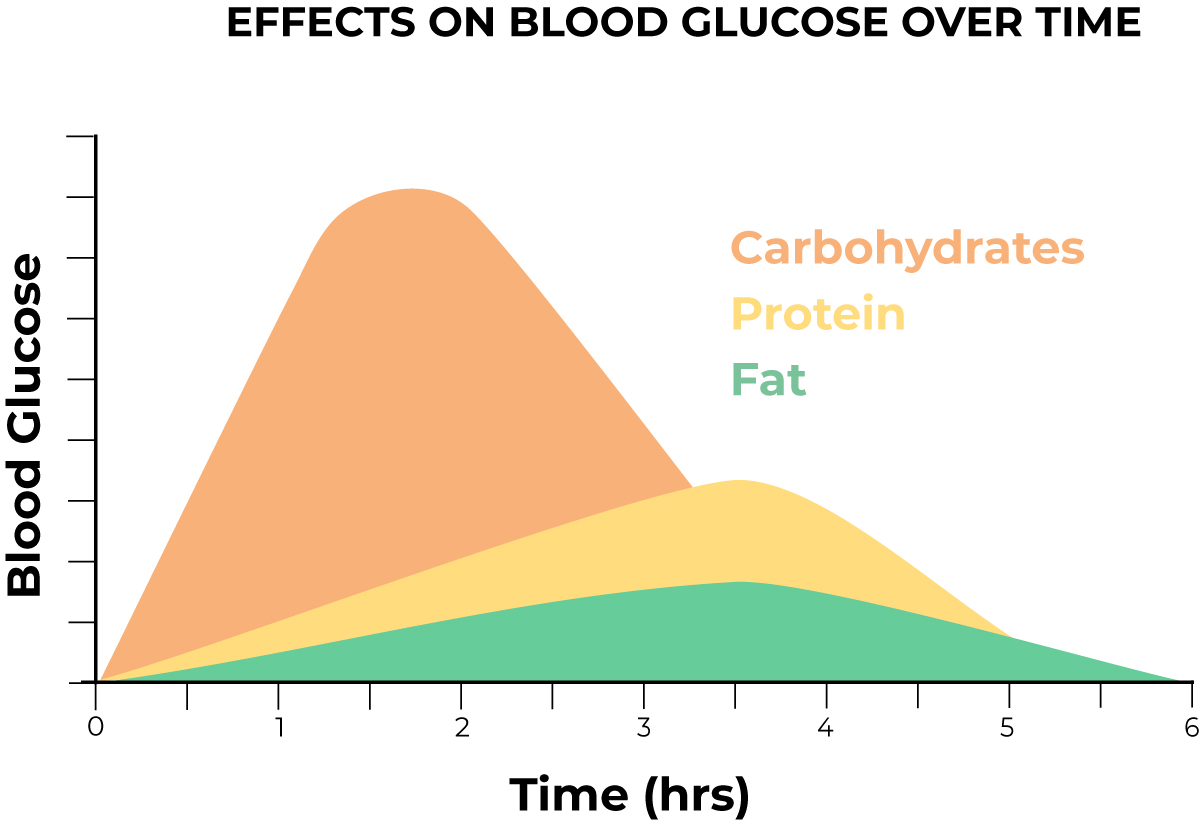
The 9pm kitchen trip is a cortisol-and-reward event, not a hunger event. You can’t out-willpower it at 9. You can under-fuel yourself into it at 3pm.
Eat a real, protein-forward lunch and an afternoon snack with protein and fibre. Steady blood sugar and a fuller stomach take the edge off the evening reach. Greek yoghurt and fruit. Cheese and an oatcake. A handful of nuts with the school-run coffee.
Comments
Nothing yet. Say the first thing.
Sign in to join the conversation.