
Harvard found something genuine in mice. The supplement advice attached to it was invented afterwards.
You read the thread twice.
Then you opened a tab, found lithium orotate for about nine pounds, and read the label three times before you closed it.
Your dad forgets things now. That’s why you’re still thinking about it at 11pm.
What you’ll learn in this post:
→ What the Nature paper measured, and the exact sentence its own author added afterwards
→ Why “90% of people are deficient” cannot be true yet
→ What the food advice actually delivers
→ Read time: 9 min
If you read one section today, read the interactions list below. It matters more than the rest of the post combined.
A mum in the community messaged me a photo of her supplement basket. Two bottles, checkout screen open. She wrote: “tell me if this is stupid before I press it.”
This is experience, not evidence. One person. No measurements.
Start with what genuinely happened, because it deserves better than the thread gave it.
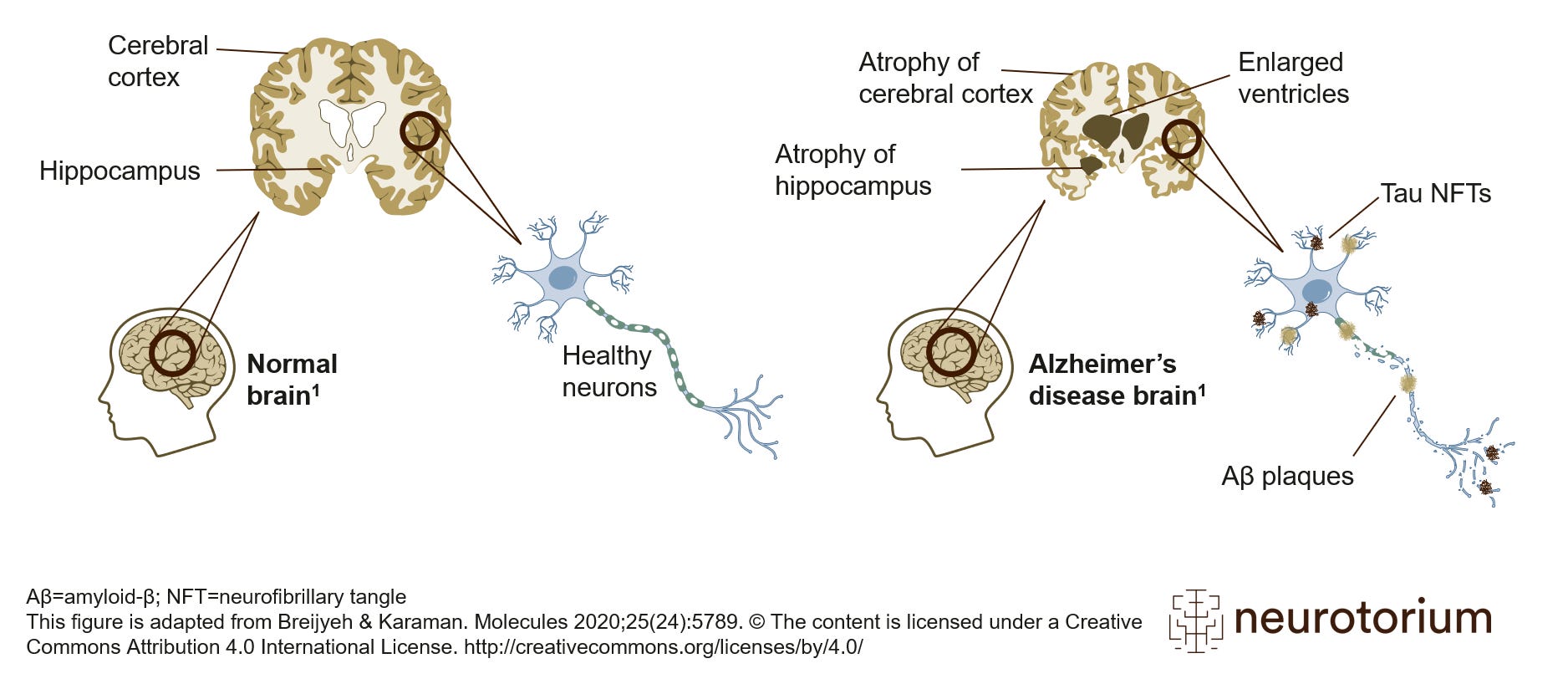
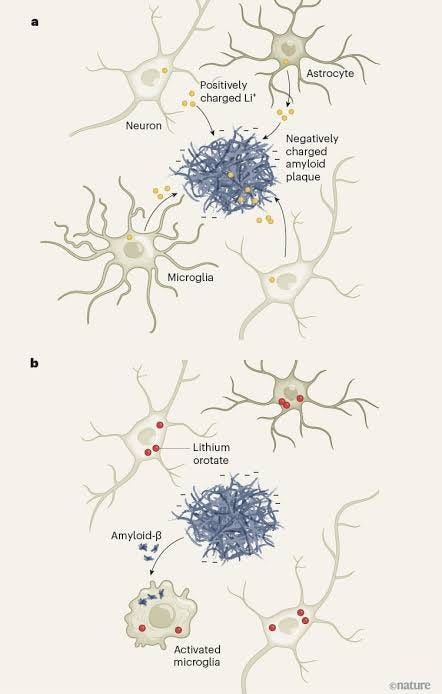
Bruce Yankner’s lab at Harvard measured 27 metals in postmortem brain tissue. Lithium was the only one significantly reduced in the prefrontal cortex of people with mild cognitive impairment, the stage before Alzheimer’s. They then cut lithium from the diet of mice. A drop of roughly 50% in cortical lithium increased amyloid-β and phospho-tau, activated inflammatory microglia, stripped synapses, axons and myelin, and sped up cognitive decline. Giving lithium orotate back prevented and reversed the damage in Alzheimer’s mouse models and in ageing normal mice, at around one-thousandth of a psychiatric dose, with no toxicity across nearly a full adult mouse lifespan (Aron et al., 2025, Nature — https://www.nature.com/articles/s41586-025-09335-x).
That’s a serious paper. I’m glad it exists.
Now read the sentence the man who ran it added when the press called. Yankner said “you never know until you try it in a controlled human clinical trial.”
The human half of his study was postmortem tissue. Observational. It shows lithium is low in affected brains. It cannot show which came first, and the paper says amyloid plaques bind lithium and pull it out of circulation — which means low brain lithium may be a result of the disease as much as a cause.
The half that reversed anything was mice.
Here’s the claim doing the most damage: about 1mg of elemental lithium a day, and 90 to 95% of people are deficient.
There is no established human requirement for lithium. No recommended intake. No agreed deficiency threshold. No standard blood test with a reference range that tells you whether you’re low.
So nobody can be diagnosed as lithium deficient this year, because nobody has defined the word yet. A percentage of the population cannot be deficient in something with no defined sufficiency.
The 1mg figure is one man’s estimate of what ancestors may have eaten. That’s a hypothesis. It arrived in your feed dressed as a dose.
And the supplements on sale don’t agree with it either. A review of the NIH supplement label database found products suggesting anywhere from 1 to 20mg of elemental lithium per day, with one labelled at 120mg (Murbach, 2021 — https://www.sciencedirect.com/science/article/pii/S0273230021001136).
That’s a 120-fold spread on a shelf, for a mineral with no established requirement, sold to people who were just told they’re almost certainly deficient.
I have a family member with this diagnosis. When the Nature paper came out I read the abstract, then the press release, then I put lithium orotate in a basket before I’d opened the methods.
I closed the tab. I’ve reopened it twice since.
I still don’t know what I’d do if it were five years from now and the trials still hadn’t run. That question is genuinely open for me and I’m not going to pretend otherwise.
If you’re caring for someone already diagnosed, this post isn’t the one you need tonight. Your questions are treatment questions and they belong with their neurologist, who can tell you what trials are recruiting. Everything below is written for the healthy 38-year-old reading this because their memory feels foggy and their dad’s is worse.
The lithium content of a plant depends almost entirely on the lithium in the soil it grew in, and that varies enormously between regions and farms. Your spinach has a number on it. Nobody knows what that number is, including the person who sold you the spinach.

So you cannot dose lithium through greens. You can eat greens for folate, magnesium, nitrates and fibre, which are measured and which your brain uses. That’s a good enough reason on its own.
Mussels carry more lithium than most foods. They also carry B12, iodine, selenium, zinc and omega-3s, all of which have defined human requirements and real deficiency states. Two servings a week is a sound idea for reasons nobody needed to invent.
Eat the mussels for the B12 you can measure. Treat the lithium as a rounding error you can’t.
Now the part that matters most, and the part the thread skipped entirely.
There’s a common household painkiller that raises serum lithium. There’s a blood pressure drug class that does the same. And there’s a documented case of lithium orotate toxicity at a blood level most doctors would call low.
Below: the full interaction list, the four groups who should not touch this at all, what the food actually does for a tired brain, and the one thing I’d do tonight instead.
The full sleep + nutrition protocol is inside — including the exact meal timing that works around your kids’ bedtime.
Comments
Nothing yet. Say the first thing.
Sign in to join the conversation.