
As a kid growing up in the early 90s, I had a set of shelves in my bedroom that I referred to as “The Happy Meal Hall of Fame”. It was a display of all the collectible cups, Halloween pails and toys I’d accumulated from McDonalds’s monthly promotions.
It didn’t matter whether the rotating theme used the fast food emporium’s own IP, like their McNugget Buddies, a partnership with the latest hit Disney movie, or even USA Basketball. Chances are, I was interested. Each served as a small token, or reward, that took on a whole new feeling of accomplishment when you’d manage to complete the entire set.
While most kids in that era probably didn’t go as far as branding their bookcases, the majority were influenced by collecting as part of how they consumed things. Scores of people are now finding joy in rediscovering a modern version of it.
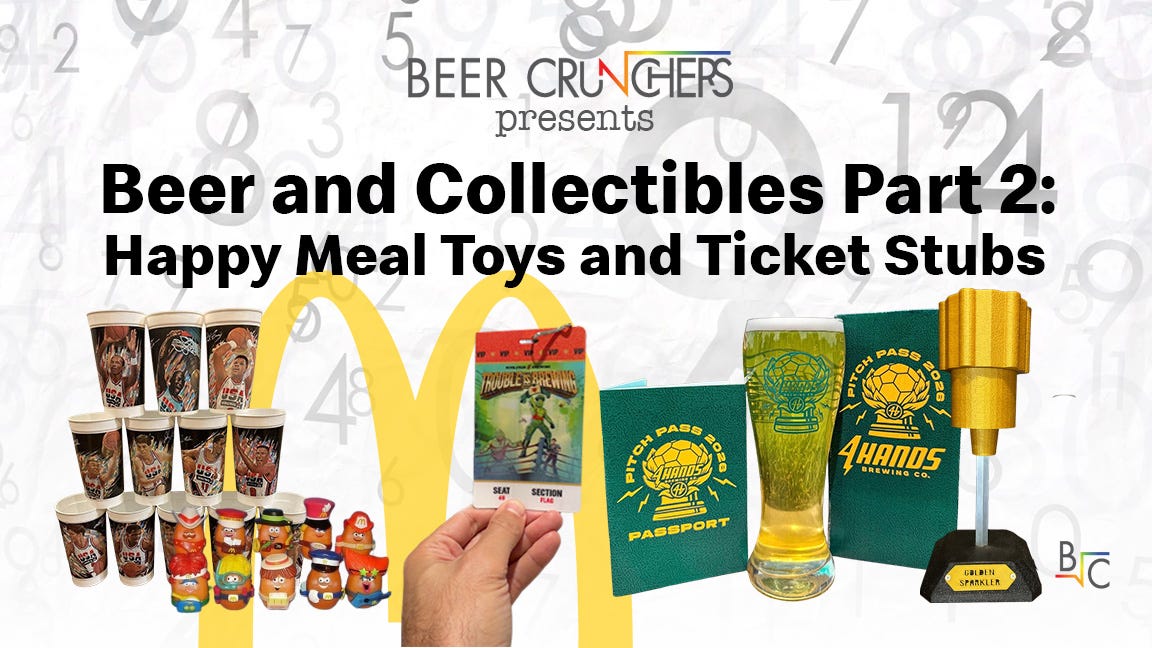
In many ways, that upbringing came back into play with the FOMO that once surrounded craft beer and drove a lot of its early demand. The same generation that grew up chasing the next Happy Meal toy, cereal box prize, or limited-edition cup suddenly found itself hunting for the latest can release, brewery-exclusive glassware, or bottle drop.
For a period of time, collecting became one of craft beer’s secret weapons. Untappd badges turned consumption into a checklist. Limited releases created treasure hunts. Message boards and trading groups emerged. Entire brewery reputations were built on the idea that getting the beer was almost as important as drinking it (and, indeed, some people never even drank the beer).
While that dynamic has cooled alongside the broader craft beer slowdown, the appeal of collecting never actually disappeared. If anything, it has quietly expanded well beyond trading cards and comic books into a growing number of consumer categories. From fast food chains reviving collectible promotions to brands building loyalty programs around limited-edition merchandise, the same psychological pull that once filled childhood bedroom shelves is finding new life with adults who now have disposable income.
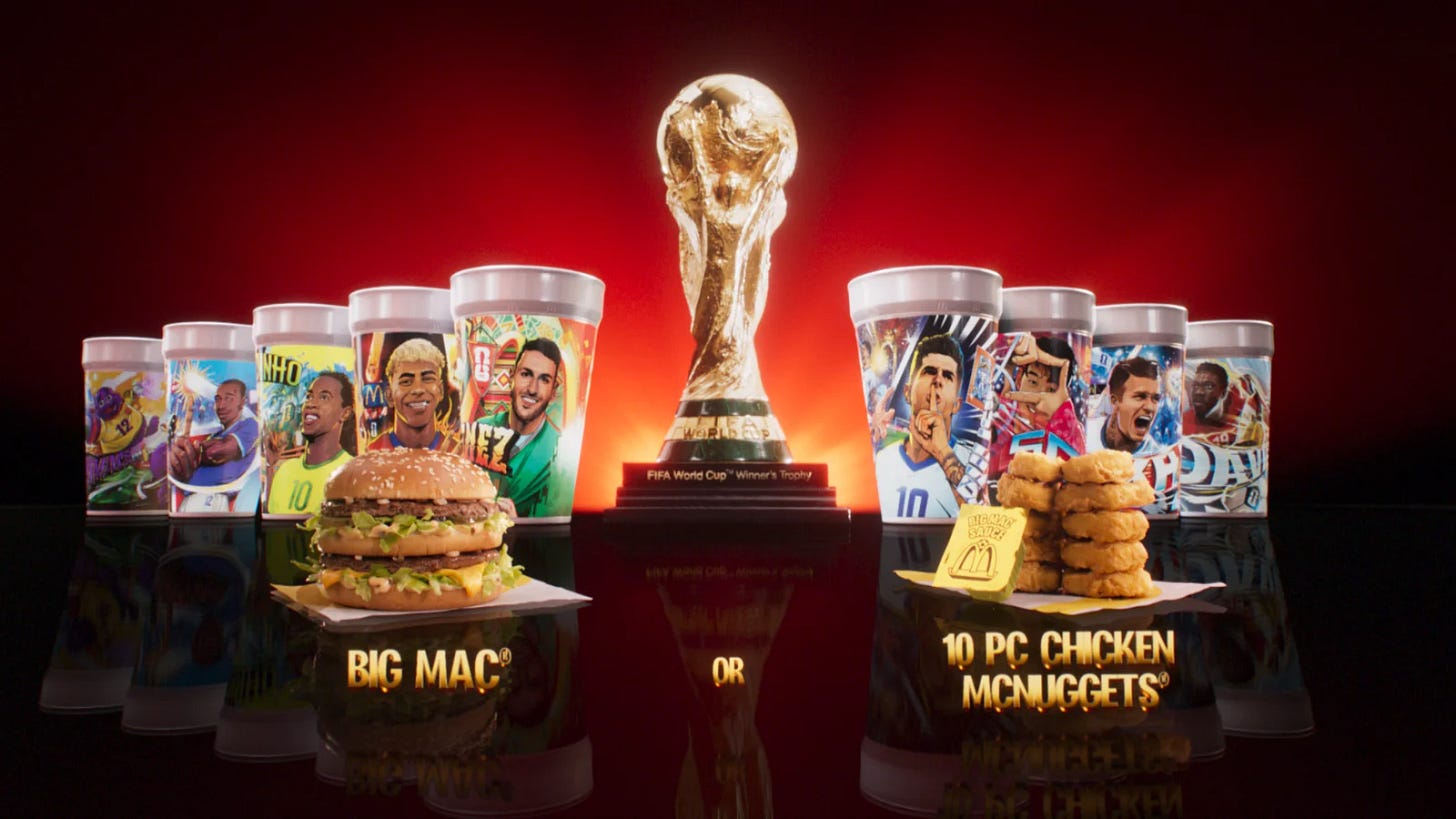
The playbook that worked during craft beer's peak - built around scarcity, hype, and chasing the next release - is far less effective in today's environment. Yet new opportunities are emerging that better align with how consumers today discover brands, build communities, and engage with hobbies. The breweries that recognize the difference may find that collecting still has the power to drive loyalty, just in a very different way than it did a decade ago.
Comments
Nothing yet. Say the first thing.
Sign in to join the conversation.