
For centuries, knowledge was power. The people who knew more, learned faster or had access to scarce information naturally held an advantage. Today, that equation has changed. Information is abundant, intelligence is increasingly accessible and with AI, creation itself has become almost effortless. Anyone can write an article, design a logo, build a presentation, generate code or brainstorm hundreds of ideas within minutes. The barrier to creating has fallen dramatically. In this new world, the question is no longer whether you can create something. The real question is whether you know what is worth creating.
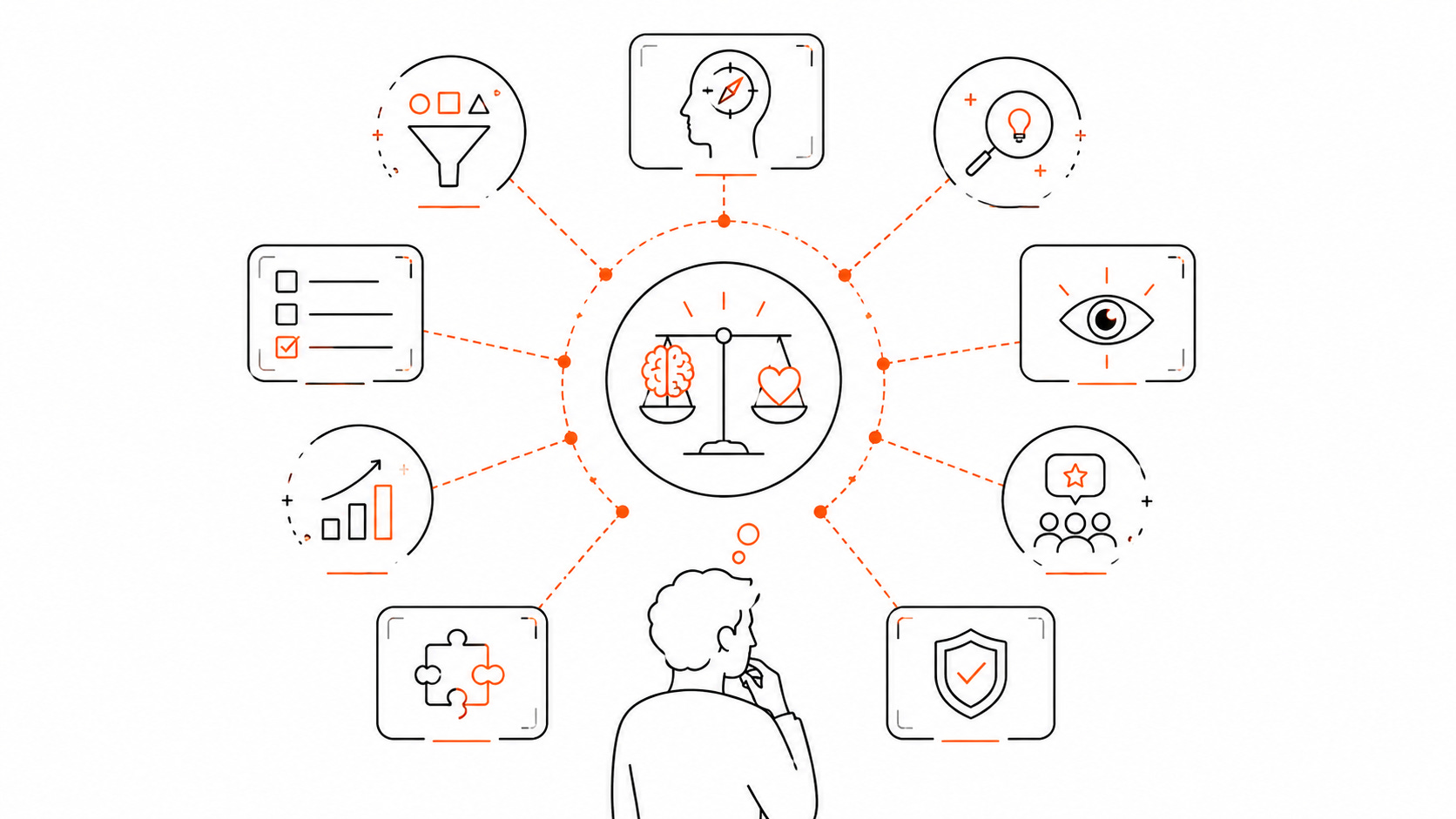
This is where judgment becomes invaluable. AI is incredibly good at producing possibilities. Give it a prompt and it will return dozens of solutions, perspectives and alternatives. But abundance creates its own challenge. When there are endless options, deciding which one deserves attention becomes far more important than generating another hundred ideas. The people who thrive in the AI era will not be those who produce the most content but those who consistently make better decisions. Judgment is the quiet ability to separate signal from noise, to recognize what matters and to ignore what doesn’t.
Equally important is taste, a quality that is often misunderstood. Taste has very little to do with luxury, trends or personal preferences. At its core, taste is the ability to recognize quality. It is knowing when something feels elegant rather than excessive, when a design communicates without shouting or when an idea has the potential to endure instead of merely capturing attention for a day. Great taste cannot be downloaded or generated instantly. It is shaped over years of reading, observing, traveling, failing, experimenting and developing a genuine appreciation for excellence. AI can imitate styles because it has seen countless examples, but developing original taste requires living a life filled with experiences that shape your perspective.
Judgment, too, is deeply human because it grows from experience rather than information alone. It comes from making difficult decisions, learning from failures, understanding people and recognizing patterns that no algorithm can fully explain. The best leaders are rarely those who know the most facts. They are the ones who know which opportunities to pursue, which risks are worth taking and when to say no despite attractive alternatives. AI can recommend options, but it cannot carry responsibility for decisions. That responsibility will always belong to people.
As AI becomes available to everyone, technology itself will stop being a competitive advantage. Just as having access to the internet eventually became normal, having access to powerful AI will become universal. When everyone uses the same tools, differentiation will come from the person using them rather than the technology itself. Two people can ask the same AI for ideas. One creates average work because they accept the first answer they receive. The other creates something memorable because they refine, question, edit and elevate every output through their own judgment and taste. The tool remains the same; the human makes the difference.
The internet rewarded speed. Social media rewarded attention. AI rewards volume. Yet history has rarely celebrated those who simply produced more. It remembers those who created work that lasted. Great companies were not built because they generated the highest number of ideas. Great books were not written because their authors typed the fastest. Great films were not remembered because they had the biggest budgets. Behind every enduring piece of work was someone with the judgment to choose the right idea and the taste to shape it into something exceptional.
There is another reason judgment and taste matter more than ever. AI learns from patterns in the past, while humans possess the unique ability to imagine futures that have never existed. Every breakthrough begins as an idea that appears unusual, risky or even irrational. Visionary founders, artists, designers and entrepreneurs often see value where others see uncertainty. Their judgment allows them to recognize opportunities before the data confirms them, while their taste helps them build products and experiences that people didn’t know they wanted until they encountered them. Innovation has always lived beyond prediction and that remains profoundly human.
The smartest investment anyone can make today is not simply learning the latest AI tools. Those tools will evolve every few months. New models will emerge, interfaces will improve and today’s breakthroughs will soon become tomorrow’s defaults. What compounds over a lifetime is something entirely different. Every book you read, every meaningful conversation you have, every mistake you survive, every culture you experience, every masterpiece you study and every challenge you overcome quietly strengthens your judgment and refines your taste. These qualities cannot be copied overnight because they are built through lived experience.
The future will belong to people who combine artificial intelligence with deeply human intelligence. Technical skills will remain valuable, but they will no longer be enough on their own. The real advantage will lie in asking better questions, making wiser decisions, recognizing quality and choosing meaning over mere output. In a world where everyone can create almost anything, the rarest skill will not be producing more, it will be choosing better.
Judgment tells us what deserves our time and taste determines how beautifully we bring it into the world. Those two qualities, more than any technology, will define the creators, leaders and builders of the AI age.
Best regards,
Manish Pandey
Co-Founder & CEO, BeerBiceps | SkillHouse
Watch My Latest Reels:
https://www.instagram.com/join2manish/reels/
Connect With Me On Linkedin:
https://in.linkedin.com/in/join2manish
A Weekly AI Read I Look Forward To
I’ve been really enjoying The AI Inference by Dhaannesh. It simplifies the fast-moving world of AI with clear, human-centered insights that cut through the noise. From the latest breakthroughs to practical, real-world applications, every edition explains not just what is happening, but why it matters and how it will shape the future.
Loved the first two editions of The AI Inference! Got to preview a few insights from tomorrow’s edition that he is working on and I’m already super excited to read the full release tomorrow. Looking forward to another insightful read!
Comments
Nothing yet. Say the first thing.
Sign in to join the conversation.