
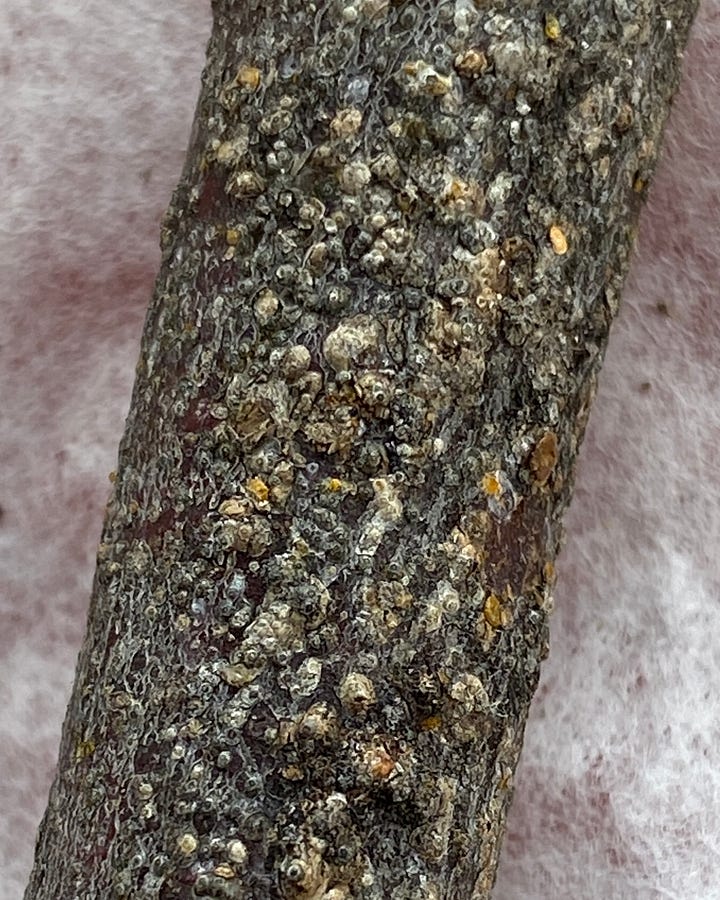
I was introduced to San Jose Scale at Rose Hill Farm. In their active stage, they are crawlers, and then they create waxy little bumps on the surface of tree branches and take cover under those bumps. Inside the bark, the branch is stained a reddish-purple color. This is the result of the scales sucking plant juices and injecting a toxin. But the purple color is beautiful, and Kevin and Dallas at the farm thought it might be an interesting thing for me to experiment with.

I know that cochineal has been used historically to produce purple pigment. I don’t know exactly which cochineal, but since these insects are supposedly related, and since they are producing purple inside the branches, it would be very cool if I could make purple out of them!
At home, I sat and shaved the branch bark, and tiny, shiny, translucent fragments covering the bumps fell all over my knees. It was strange to think that underneath my fingers were literally thousands of tiny insects, all still. I had never even imagined such a way of living. Why are there such things as San Jose Scales? But then, why is there such a thing as myself, if you really think about it?
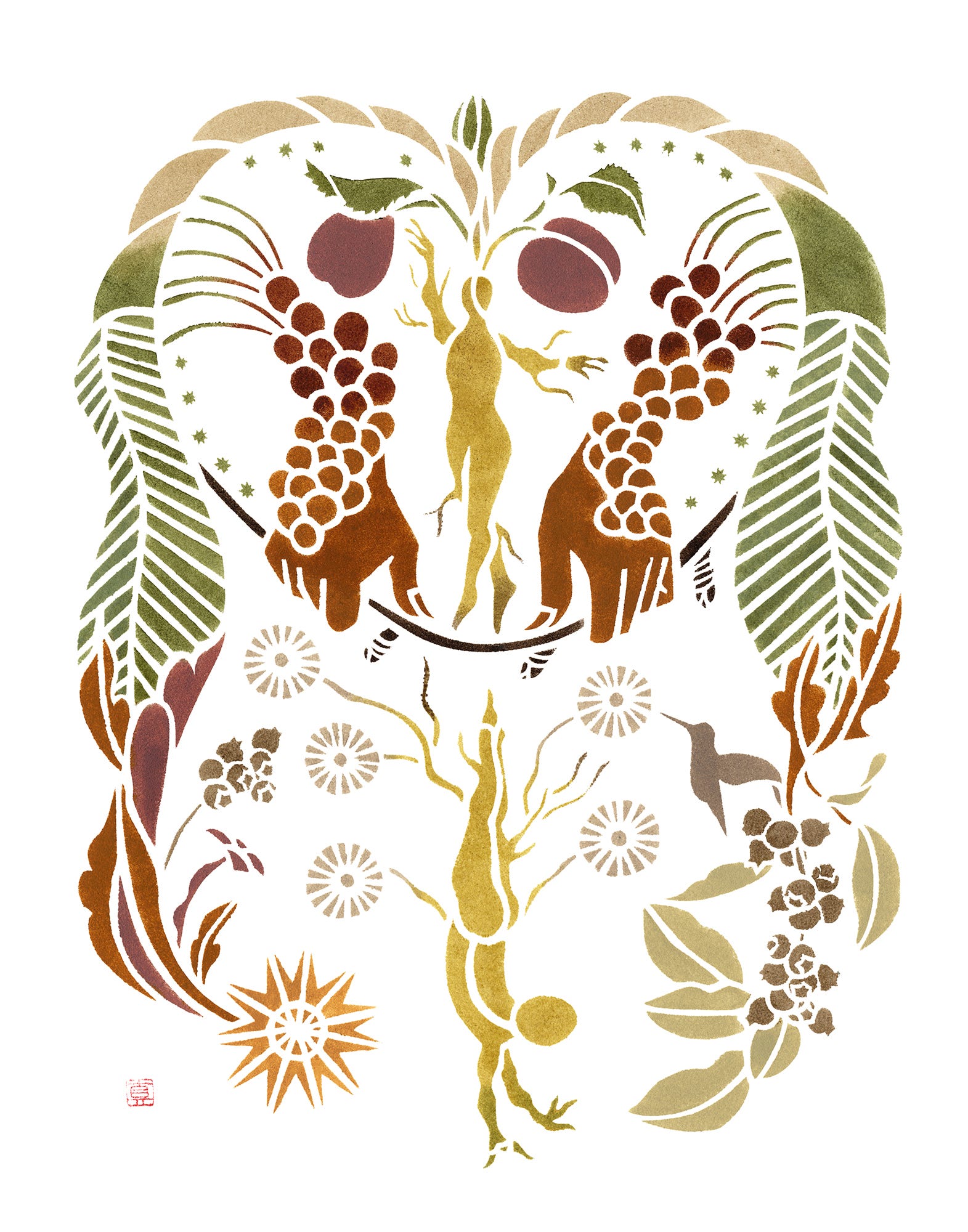
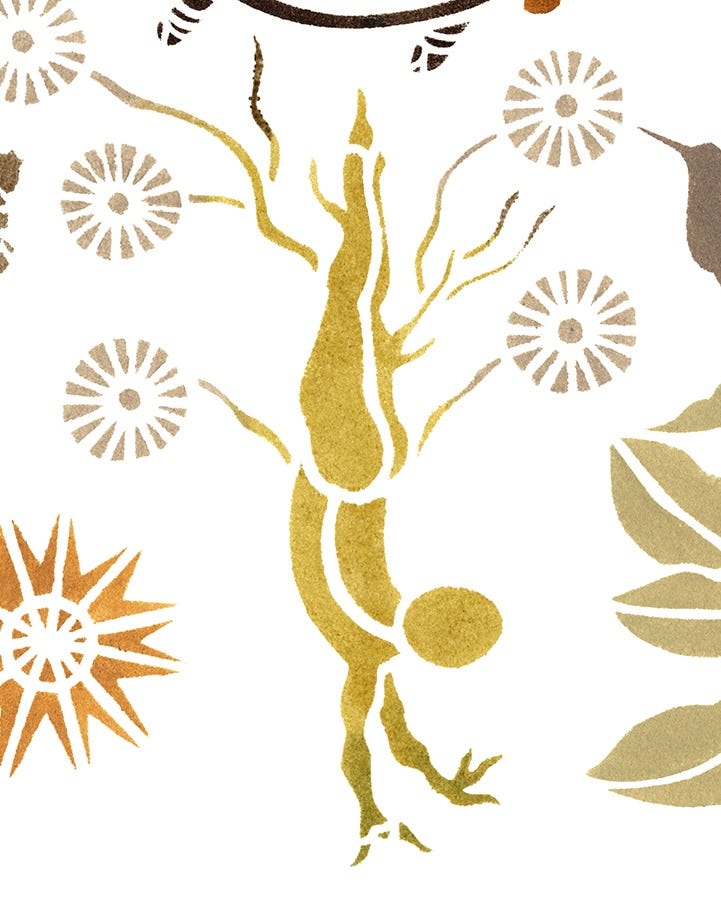
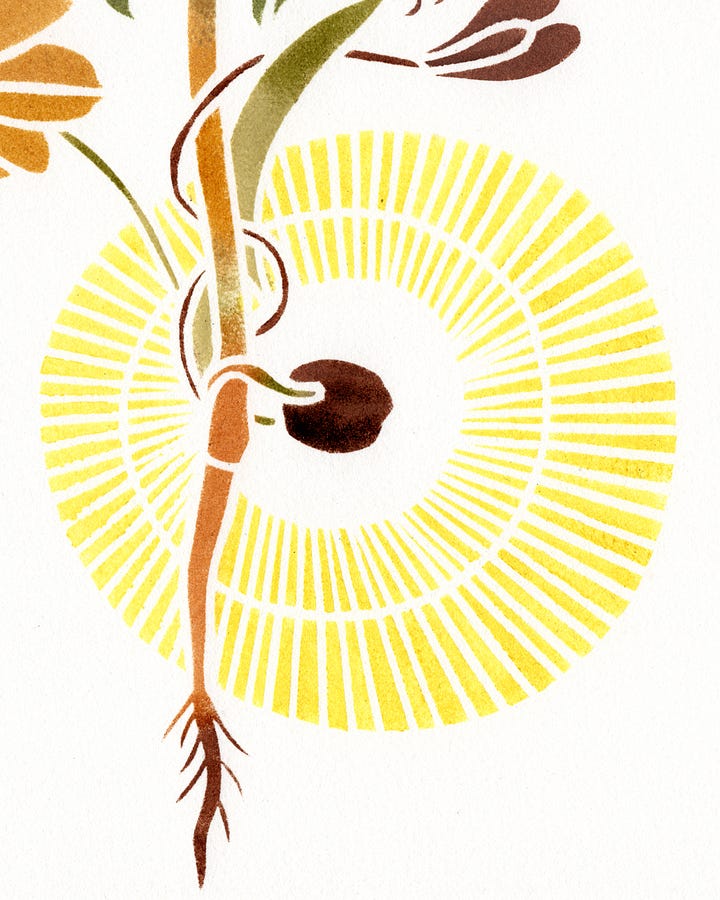
Natural pigments never seem to give me what I imagine from what I can see on the surface. The pigment from the infested branches produced a slightly green-tinted yellow, something I have come to expect from apples. Also, from what I could see in the information online, San Jose scales / crawlers are yellow, unlike the purple cochineal used for dye, so maybe it is their yellow too. I used it to paint the acrobats in the center of this painting.
Maybe I need to collect the crawlers and see what I can extract from the insects themselves, rather than from the infested branches, so I can tell exactly whether this particular yellow comes from the apple or from the insect. But Kevin said he was going to treat the tree, so for the sake of the orchard’s health, hopefully I won’t have a sample any time soon!
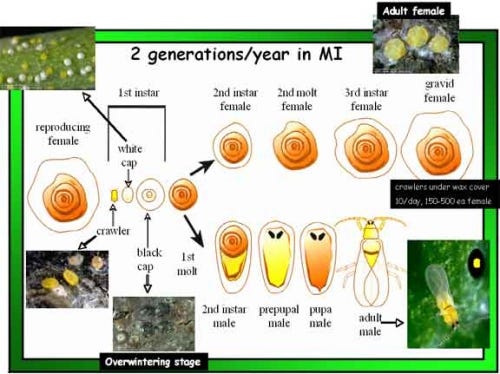
The image below is from an article Time for San Jose scale, Nikki Rothwell, Michigan State University Extension, and John Wise, Michigan State University Extension, Department of Entomology - August 21, 2007.
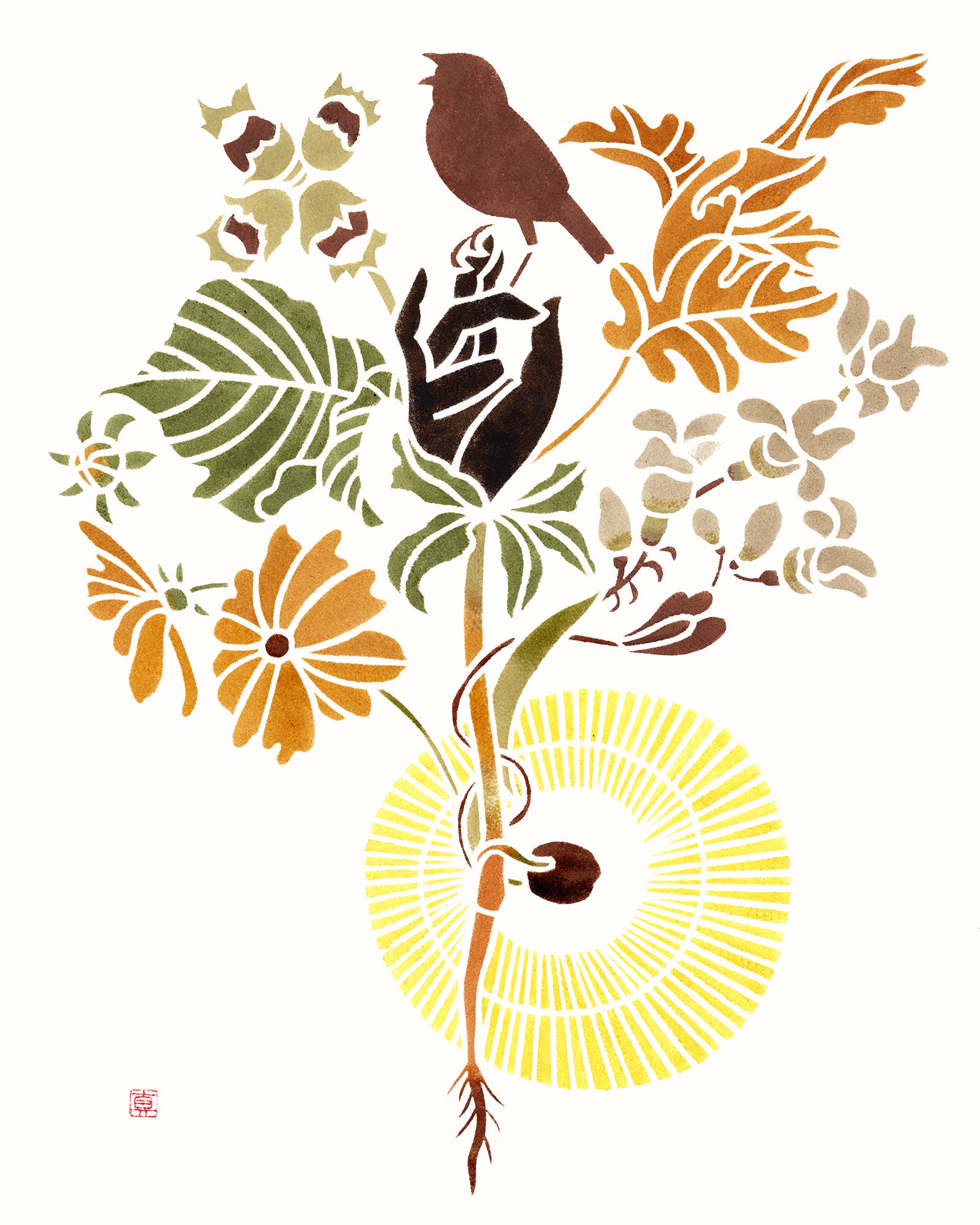
The pigment produced from Japanese honeysuckle leaves is the yellow of male American goldfinch in spring.
Other colors are from Multiflora rose, Toringo crab apple, Common buckthorn, Japanese barberry, hand-cut and stencil painted on paper, 11x14 inches. This image was created inspired by my interview with David Newman and Spencer Crawford, sharing their insights around holistic land management at Arthur's Point Farm is building habitat, supporting biodiversity, and inviting us all to tend the land.

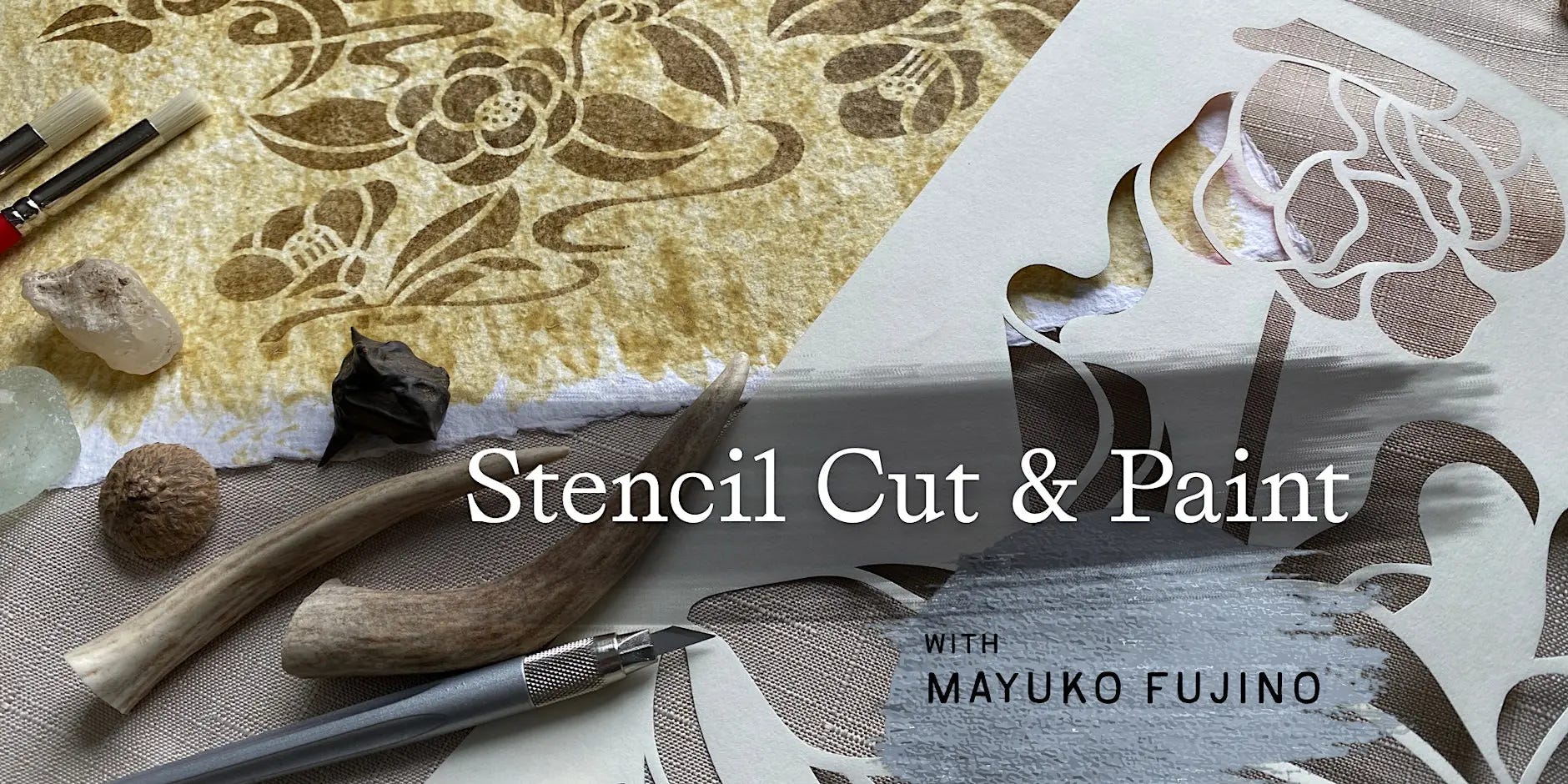
Join us as we venture into nature to find simple shapes and transform them into unique stencil designs. Participants will create stencil paintings on paper to take home, using cutting tools with safety guidance provided. All materials are included, and the workshop is suitable for beginners.
Fee: $75 + taxes, all materials included. RSVP here.
WORKSHOP EXPERIENCE WEEKEND is a weekend festival of hands-on learning, creativity, and community with over 26 workshops and events. For more information, please visit here.
Fee $45, all materials included. RSVP here.
Comments
Nothing yet. Say the first thing.
Sign in to join the conversation.