
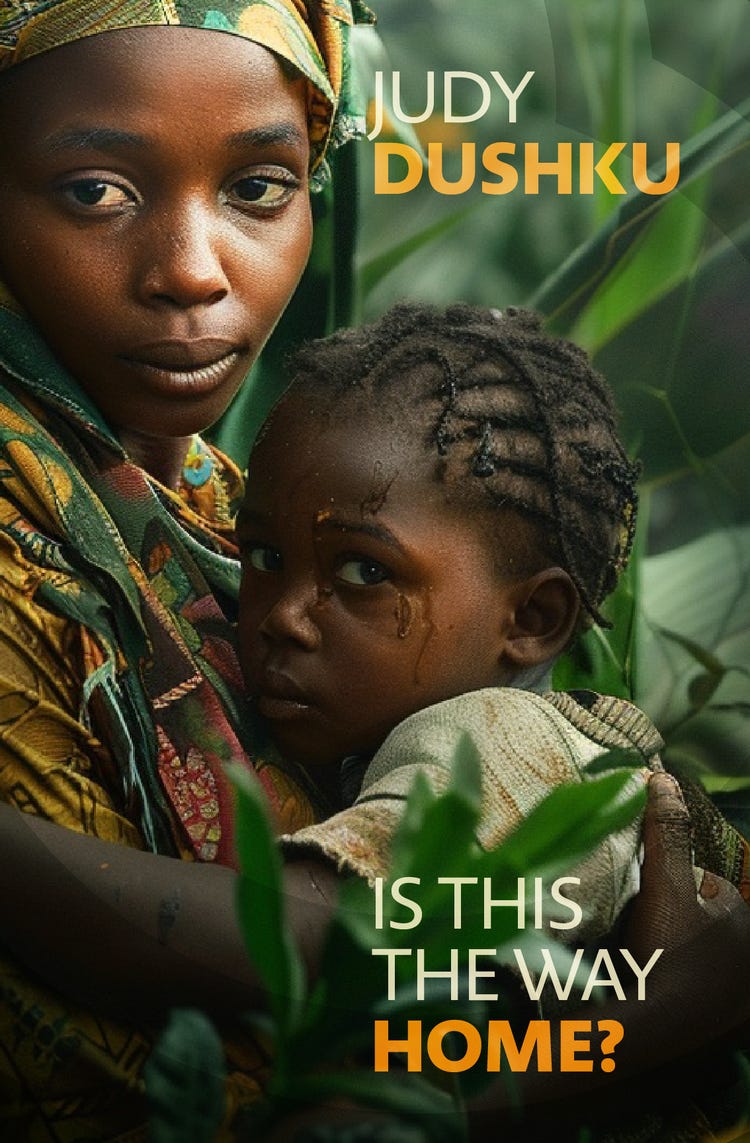
Abducted at eleven. Forced into “marriage” with rebel commanders. Fifteen years of brutality, captivity, and survival in the bush. But when Adong Agnes finally escapes the Lord’s Resistance Army with her two young daughters, the homecoming she longed for is not the one she receives.
Branded a “Kony whore,” beaten, and cast out by the very people she dreamed of returning to, Agnes is left to rebuild her life from nothing. Her own father attempts to exorcise her past. Her sons, left behind when she fled, refuse to speak to her. In the eyes of her village, she is tainted—no longer a daughter, no longer a sister, no longer welcome. But Agnes refuses to be erased.
Fighting to carve out a future, she builds a life from nothing: securing a job, finding allies in unlikely places, and shielding her daughters from the very traumas she has endured. When a near-tragedy brings her face-to-face with her past, she begins a journey of healing—one that will take her from the streets of Gulu to the Mormon temple in Johannesburg, and eventually, to the very heart of her captivity in the Congo. Her journey is one of reclamation, agency, and radical survival.
Written by an aid worker and professor who spent years working with Uganda’s “child mothers,” Is This the Way Home? is an unflinching yet deeply human novel that bridges one woman’s story with the thousands who endured—and continue to endure—the lasting wounds of war. A powerful testament to resilience, healing, and the unstoppable force of a mother determined to rise.
Preorder the paperback from Bookshop.org
Is This Way Home? vividly unveils and excels as an explosive, jarring depiction of what unfolded in northern Uganda. The meticulously plotted story is totally mesmerizing, and a great resource to appreciate the inner details and effects of the two-decades long primordial conflict that traumatized the entire population. At the same time, it offers insightful lessons on how to handle the wounded, hurt, deprived, disadvantaged and traumatized persons. The author passionately manifests a combination of anguish, anger, desperation, empathy, and epitomizes all with exhibition of love. As usual in life, this kind of truth scathes the ears, but is a great blessing for the affected people’s absolute recovery. —Ojera James Latigo, Marcus Garvey Pan-Afrikan Institute (MPAI)
This book is a poignant reflection on the psychological toll of war, the difficulty of reintegration, and the resilience of the human spirit in the face of unimaginable trauma. It’s an exploration of the complexities of returning home, both physically and emotionally after a long period of violence and forced separation. The novel challenges readers to reflect on the idea of home and how one can rebuild a life that transcends the divisions of time, place, and culture. —Phillip Odiambo, a chemist from Gulu
Know someone who would love this book? Feel free to share this post!
Comments
Nothing yet. Say the first thing.
Sign in to join the conversation.