
This book will reinvigorate your Sunday School preparation, or perhaps even teach you how to love the Old Testament for the first time!
—Kristine Haglund, author of Eugene England: A Mormon Liberal
For many of us, the Hebrew Bible, commonly called the Old Testament, is daunting. Not only is it enormous—more than twice as long as the New Testament—for modern readers it can feel like a maze of unfamiliar geography, names, and teachings. As a result, rather than engaging the Hebrew Bible holistically, we too often treat it as little more than a collection of haphazardly scattered verses that we selectively use to support modern Christian doctrines and practices.
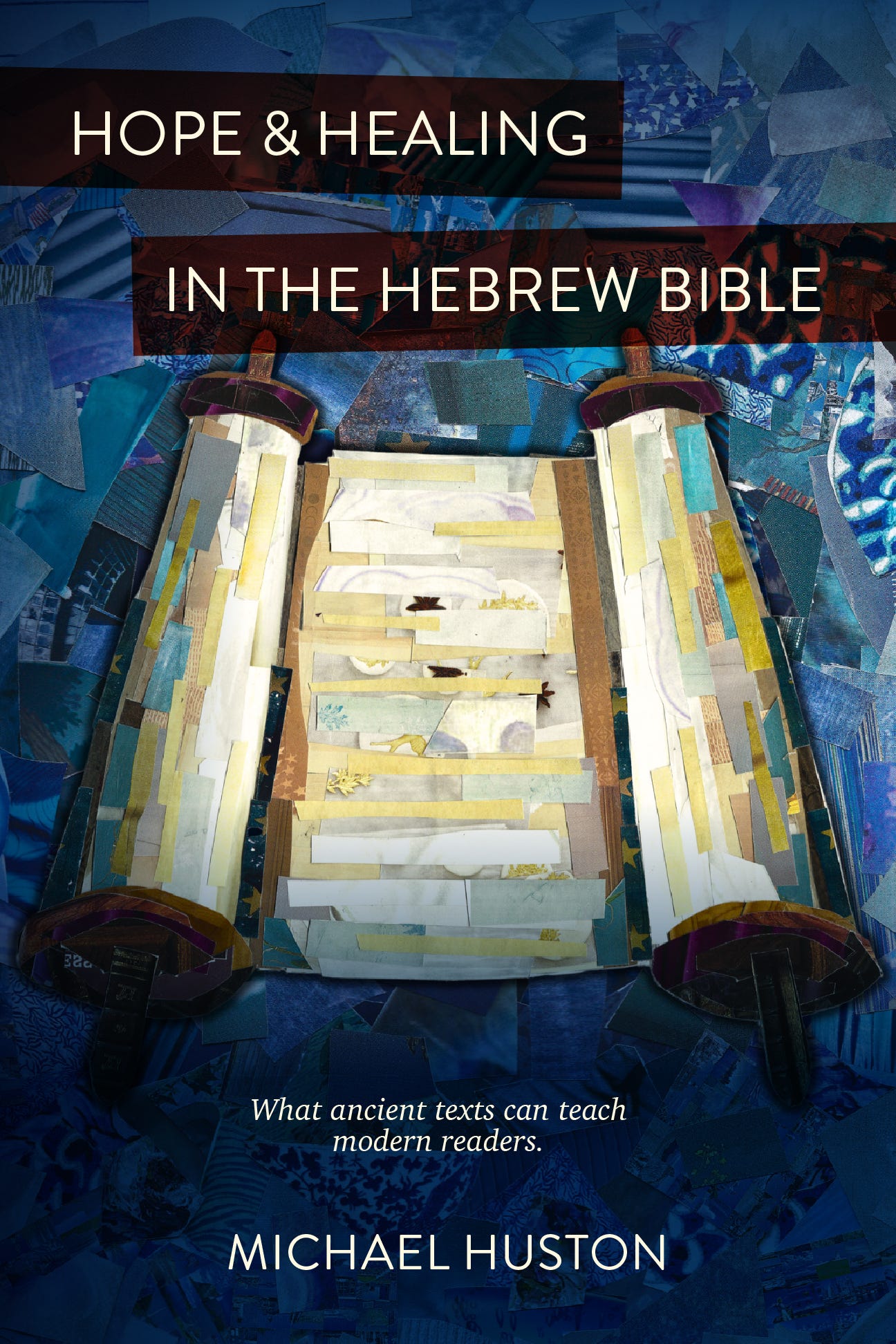
In Hope and Healing in the Hebrew Bible, Michael Huston shows the importance of moving beyond common preconceptions and engaging the Hebrew Bible on its own terms. By exploring critical aspects of its history and teachings and modeling simple ways to improve our own encounters with it, Michael Huston demystifies this remarkable book of scripture and illustrates the many ways that the Hebrew Bible can open up new vistas of insight and strength for our modern world.
EARLY REVIEWS
A gentle introduction to “Gentile” scholarship on the Old Testament for Latter-day Saints. While writing with members of the Church of Jesus Christ of Latter-day Saints clearly in mind, and frequently referencing sermons and writings by General Authorities, Michael Huston introduces readers to important scholars like Walter Brueggeman, Amy-Jill Levine, Marc Zvi Brettler, Michael Coogan, and Kate Bowler. This beautifully balanced approach succeeds in its aim of showing that reading the Old Testament/Hebrew Bible/Tanakh through multiple interpretive traditions deepens and enriches the ways that Latter-day Saint Christians can understand these writings. He reads some familiar sections—creation, exodus, David and Bathsheba—and some that we tend to skip over—Leviticus, the story of Huldah, the Psalms—in ways that both honor and challenge conventional LDS readings. This book will reinvigorate your Sunday School preparation or perhaps even teach you how to love the Old Testament for the first time!
—Kristine Haglund, author of Eugene England: A Mormon Liberal
The Hebrew Bible is hard for modern Latter-day Saints to read and understand. Not only was it written thousands of years ago in a world foreign to the modernity we live in, but we also read it through two thousand years of accumulated Christian understanding and two hundred years of LDS understanding. But even if we can’t read it as it was originally written, in Hope and Healing in the Hebrew Bible: What Ancient Texts Can Teach Modern Readers, Michael Huston shows us how to capture and understand the power and awe of the Hebrew Bible. After reading this book, I’m excited to reread the Bible. I have new tools for seeing the parts I’m familiar with with new eyes and finding value in the parts I’m less familiar with.
—Sam Brunson, author of Between the Temple and the Tax Collector: The Intersection of Mormonism and the State
The Hebrew Bible is the lengthiest, most daunting, least studied, and least understood of all books in the Latter-day Saint canon. Hope and Healing in the Hebrew Bible demystifies this great scripture and invites us to consider it normatively, rather than defensively. That is, rather than use is to justify and defend Latter-day Saint doctrines formulated several millennia later, the author suggests that we accept it on its own terms and in its own context of time and place, without the clutter of LDS apologetics. Only when we cease to “Mormonize” the Hebrew Bible do we gain entrée into its most profound content.
—Gregory A. Prince, author of David O. McKay and the Rise of Modern Mormonism and Leonard Arrington and the Writing of Mormon History
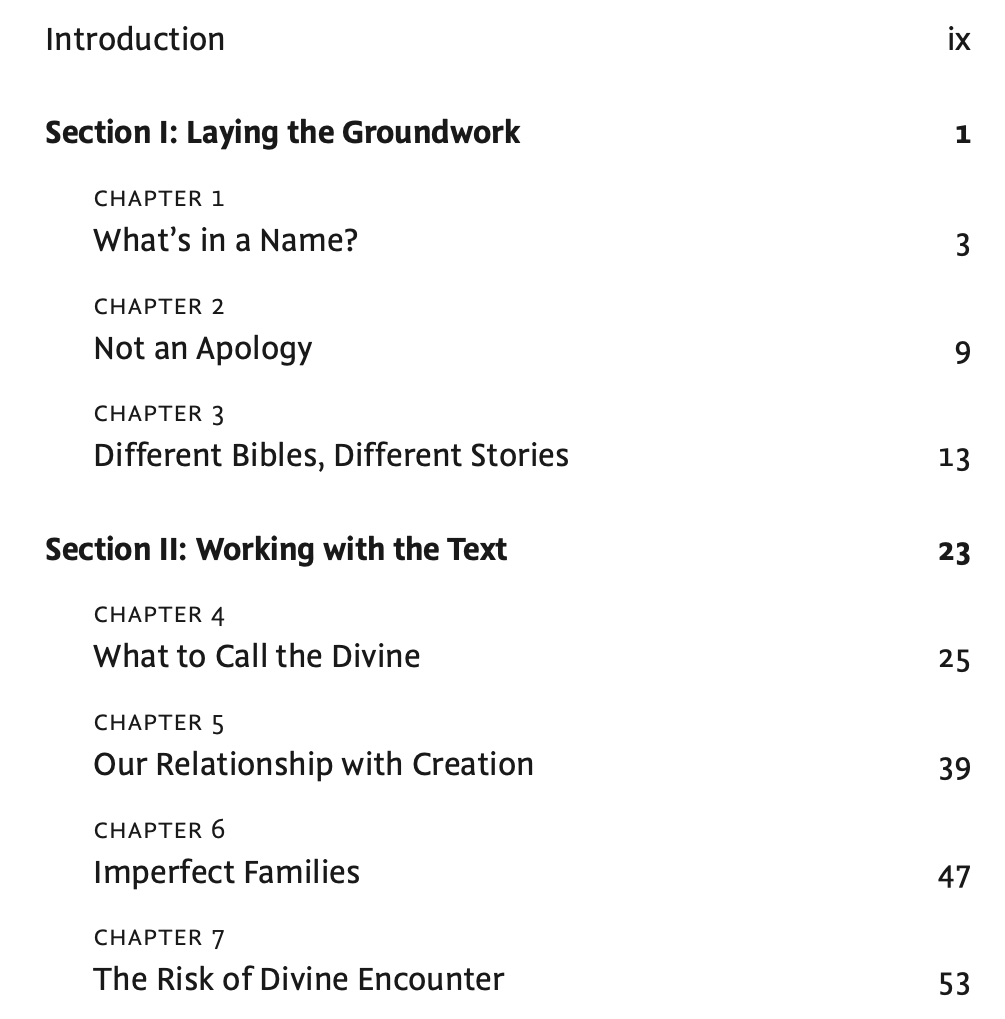
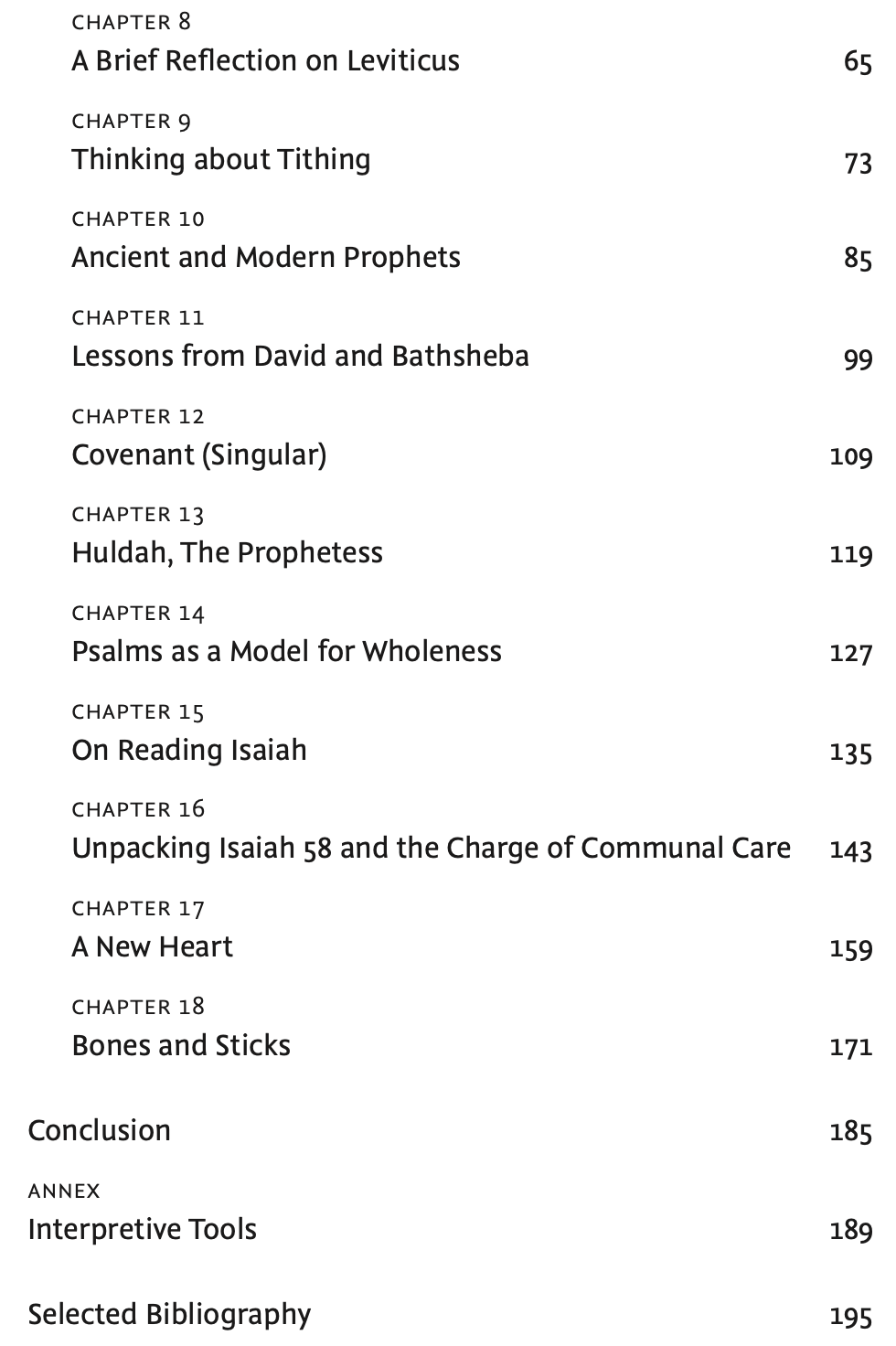
TABLE OF CONTENTS
Comments
Nothing yet. Say the first thing.
Sign in to join the conversation.