
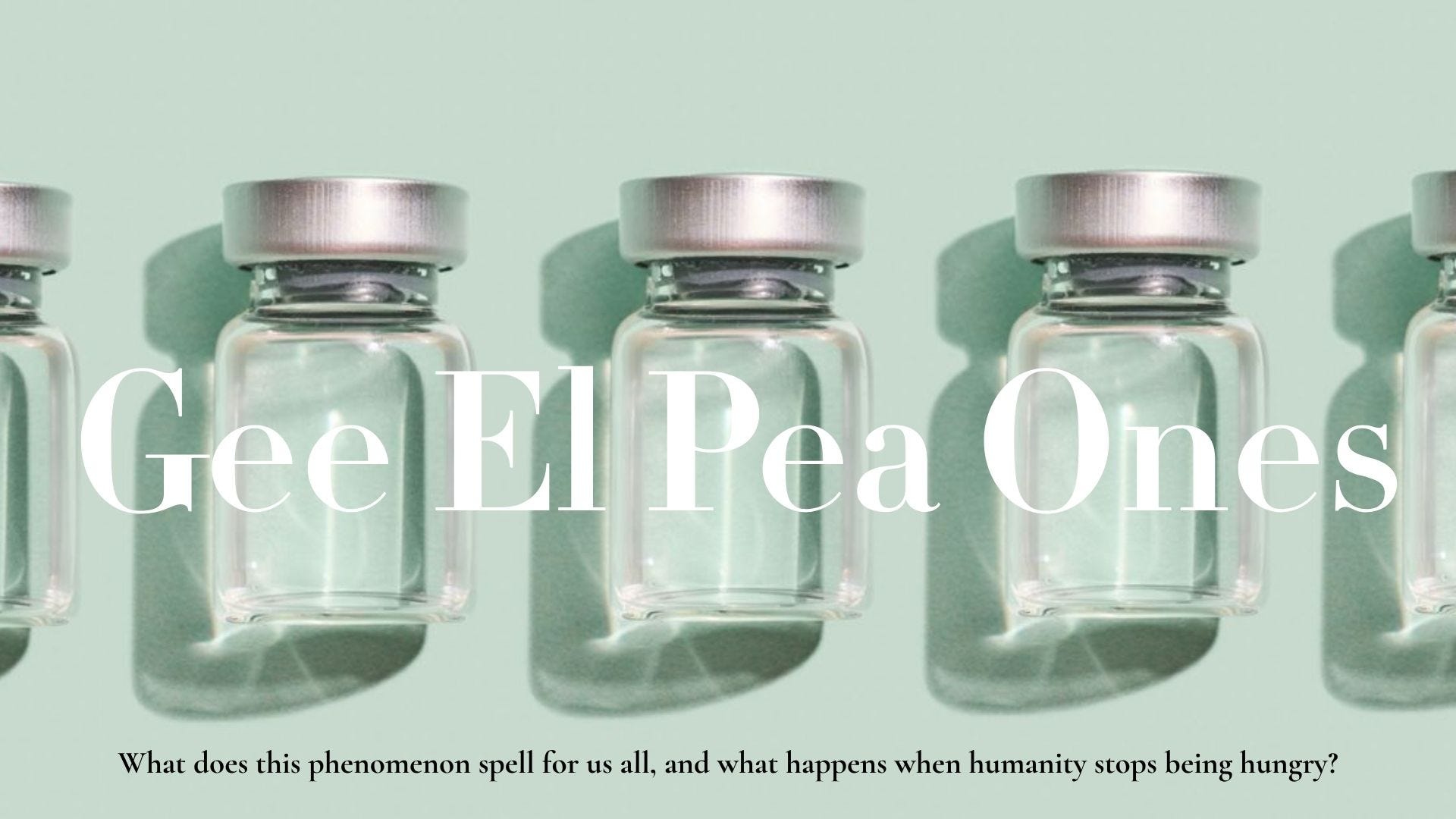
Are you taking a GLP-1? Are you not taking a GLP-1? Are you thinking about taking one? Have you spent years trying to lose weight and reached that point somewhere between frustration and curiosity where you catch yourself wondering whether you should just try it because everyone around you seems to be talking about it? Have you found yourself studying someone else’s face a little too closely, wondering whether they are taking one, or discussing with friends whether a celebrity has suddenly become suspiciously smaller? The spectrum between skepticism, curiosity, envy, enthusiasm, and judgment is real.
Of course, the beauty industry is already doing what the beauty industry always does whenever culture shifts, which is to start calculating the opportunity, estimating the market size, developing products, and imagining entirely new categories. Analysts believe the broader GLP-1 market could approach $200 billion globally by 2030, with 30 million people in the United States using them. While beauty brands are racing to address hair thinning, facial volume loss, dehydration, sagging skin, and muscle preservation with peptides, exosomes, collagen supplements, scalp serums, red-light devices, and a growing menu of aesthetic procedures, all of which may very well become a multi-billion-dollar category over the next decade.
And while I find all of that interesting because, after twenty years in beauty, I find almost everything interesting, I cannot shake the feeling that everyone is talking about the side effects while almost nobody is talking about the human being experiencing them. What does it feel like when people begin complimenting you after years of not being noticed? What does it feel like when everyone suddenly asks what your secret is? What does it feel like when you are simultaneously grateful for the relief and terrified that it could disappear? What does it feel like when people celebrate your smaller body while you are privately mourning your hair, your neck, your strength, or perhaps even the strange familiarity of the person you used to be? And are you truly happy now?
The more I think about it, the more I wonder whether future generations will look back on this entire debate with genuine confusion, because imagine explaining to someone in 2056 that we once spent enormous amounts of energy debating whether losing weight “naturally” possessed some kind of moral superiority over using medicine. I suspect they might find that argument as strange as we would find somebody insisting that a person with poor eyesight should simply have tried harder instead of wearing glasses, because perhaps one of the great misunderstandings of our time has been our tendency to attach virtue to suffering and to view struggle itself as evidence of character.
In fact, one of the more uncomfortable thoughts I keep returning to is whether body positivity, which emerged with such good intentions and provided relief to millions of people exhausted by decades of impossible standards, might one day be viewed as a historical blip because perhaps it represented an attempt to negotiate peace with something that medicine would eventually make manageable.
If I am right, thirty years from now, children may struggle to understand obesity in the same way younger generations today struggle to understand diseases that previous generations feared. Old photographs may become immediately identifiable not by the hairstyles or the fashion, but by the presence of obesity itself, and entire industries built around perpetual dieting, detoxes, fat-burning teas, and endless cycles of guilt and restarting on Monday may eventually look like artifacts from another era.
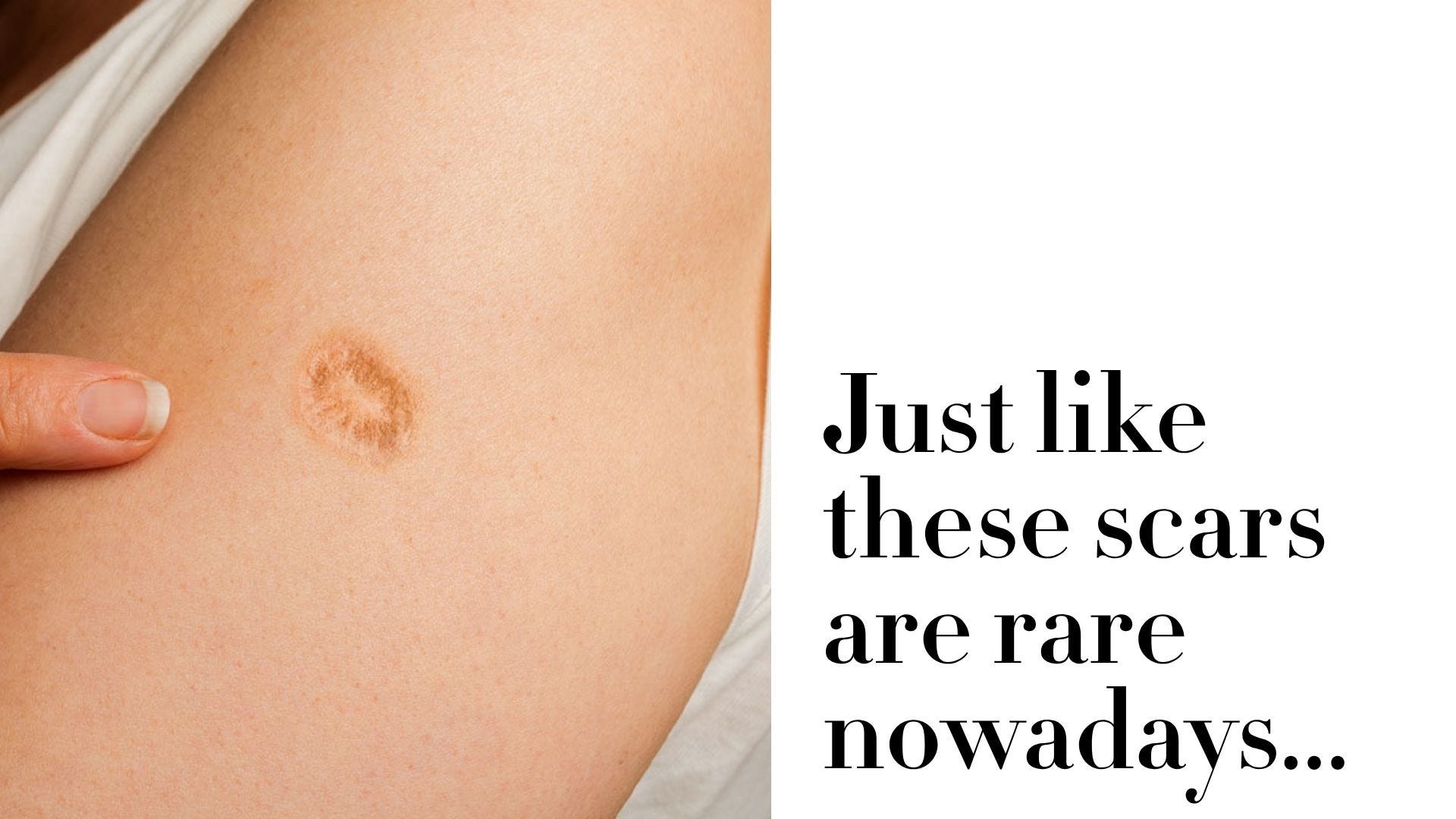
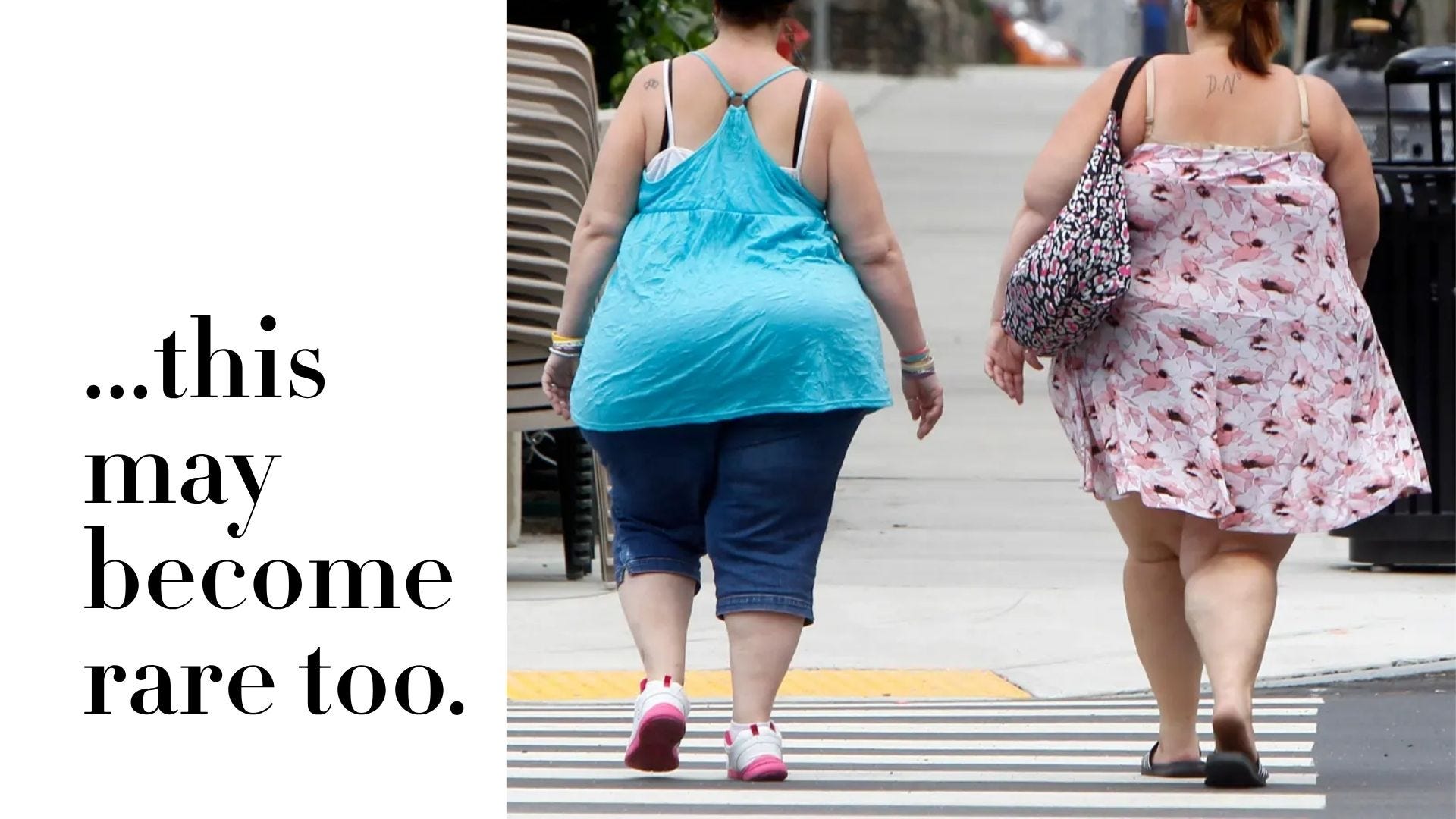
I wonder whether historians will eventually conclude that GLP-1s were never primarily about becoming thinner, but about introducing millions of people to an experience they had never known before, which is the absence of so much mental space being occupied by food and body image. Once you begin thinking about it that way, it becomes difficult not to wonder whether this is merely the first chapter of a much larger story, because hunger may simply be the opening act. We eat to celebrate, to comfort ourselves, to reward ourselves, to socialize, to procrastinate, and occasionally because we are genuinely hungry, and if science is giving millions of people relief from one of the oldest and most powerful forces shaping human behavior, then perhaps the more interesting question is not what happens to our bodies, but what happens to our culture.
What happens when humanity stops being hungry? Not starving, hungry.
Thanks for reading! Bina
(Personal confession: I have never taken a GLP-1 nor am I planning to, but I am currently working on reducing my caloric intake and working with a boxing trainer to get me into better shape. Now, as I pull out the scale each week hoping for a dramatic reduction that disappoints, I do think, well, maybe I should microdose a little, and then my senses return to no, not yet.)
No posts
Comments
Nothing yet. Say the first thing.
Sign in to join the conversation.