
No one likes an extreme concentration of power, except perhaps the people who benefit from having it. In today’s cultural climate, power concentration is being questioned. We talk openly about Amazon and Google, calling out their monopolistic behavior as we wait for the next Amazon or Google to emerge. Will it be TikTok? OpenAI? Or some new start-up? Deep down, we root for challengers because we think enough already, let someone else eat.
Does this exist in beauty? It sure does.
There was a time when getting into Macy’s was considered the ultimate milestone for a beauty brand. Today, that title belongs to Sephora. Sorry, Ulta, but for most founders I have spoken to, their Sephora aspiration comes first. Sephora represents validation, legitimacy, and the feeling that they have officially arrived. It carries cultural cache and bragging rights that still matter deeply in this industry.
More and more founders are speaking out candidly now, particularly on social platforms and Substack, about what it actually takes and means to get into Sephora and what it takes to stay there. They talk about pressure and the reality of what the profit line looks like once the pipeline has truly sold through. The fantasy version of arrival success is giving way to something more complicated and, for many, more sobering. The experience can feel less like winning the lottery and more like bobbing for apples.
Against that backdrop, it’s fair to ask whether the industry is beginning to resent Sephora’s power. I think the answer is yes, and the Olive Young moment made it clear. When Maggie Sellers, host of Hot Smart Rich, suggested that Olive Young, a Korean beauty retailer, was entering the US and would pose a real threat to Sephora, LVMH got the memo.
For background, Olive Young and Sephora could not be more different. Olive Young is built around discovery, speed, and accessibility. It encourages experimentation with fast-moving assortments, clear social proof, and products that feel current rather than intimidating. Its prices are affordable, and it acts more like a cultural engine, creating item hits instead of stocking a whole brand. Sephora, as you know, is structured around brand presentation and has higher price points.
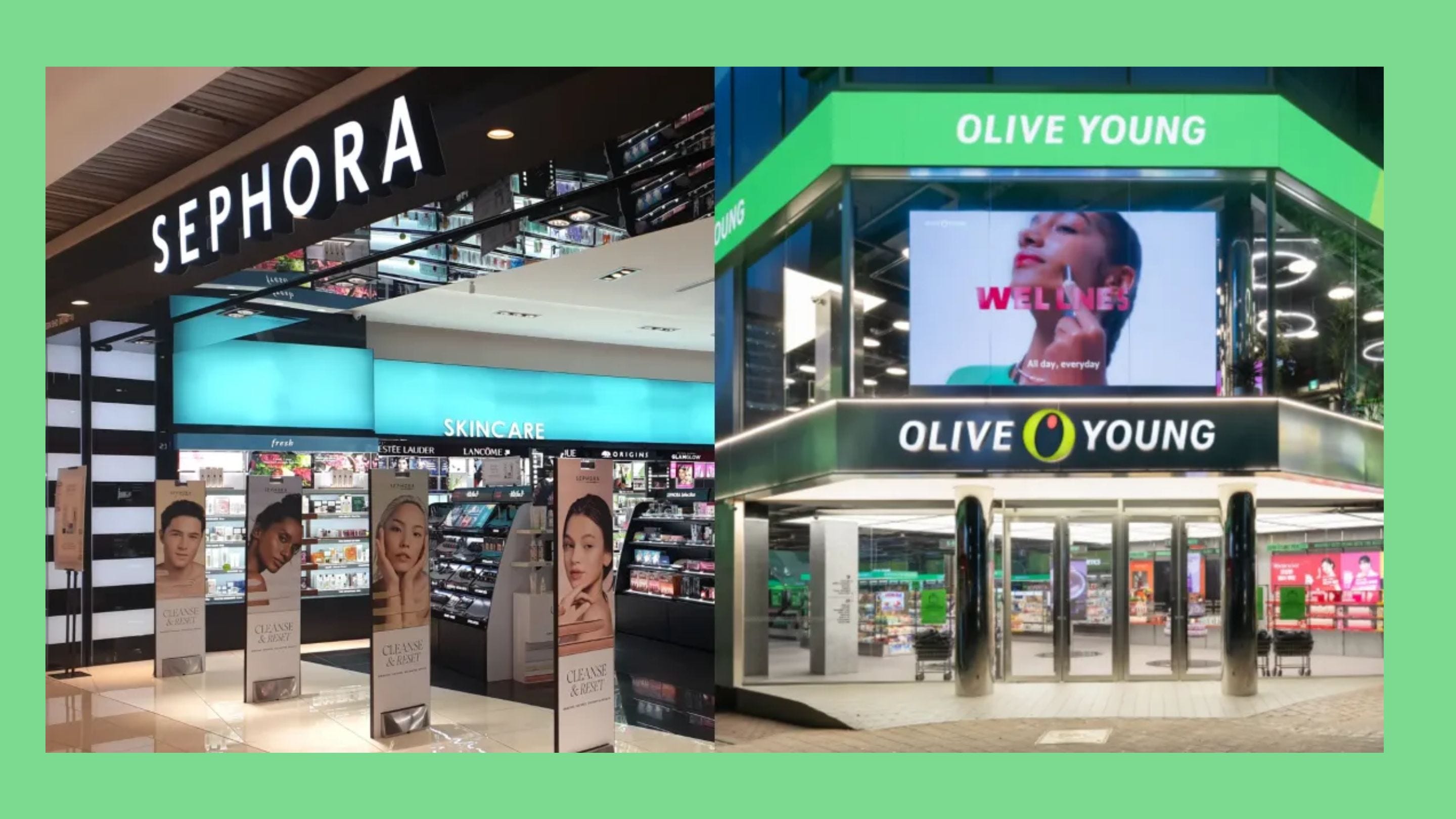
What happened next was a cross between chess and war strategy. Sephora announces a partnership with Olive Young. They will have an Olive Young section inside Sephora. Wait, what? What was Sephora thinking? Hard to know, but I speculate that if Olive Young is indeed a credible threat, why compete when you can eat them? That’s the playbook that Amazon and Google have done for years.
Whether this partnership succeeds remains to be seen. I am skeptical that it will be harmonious. Either way, guess who wins because they control the narrative?
My main takeaway here is that the market wants a new Sephora. Not because Sephora isn’t excellent (they are!), but because we don’t love excessive concentration of power for too long. We see this pattern across industries, from media to technology to politics, where dominance starts to feel less like leadership and more like greed.
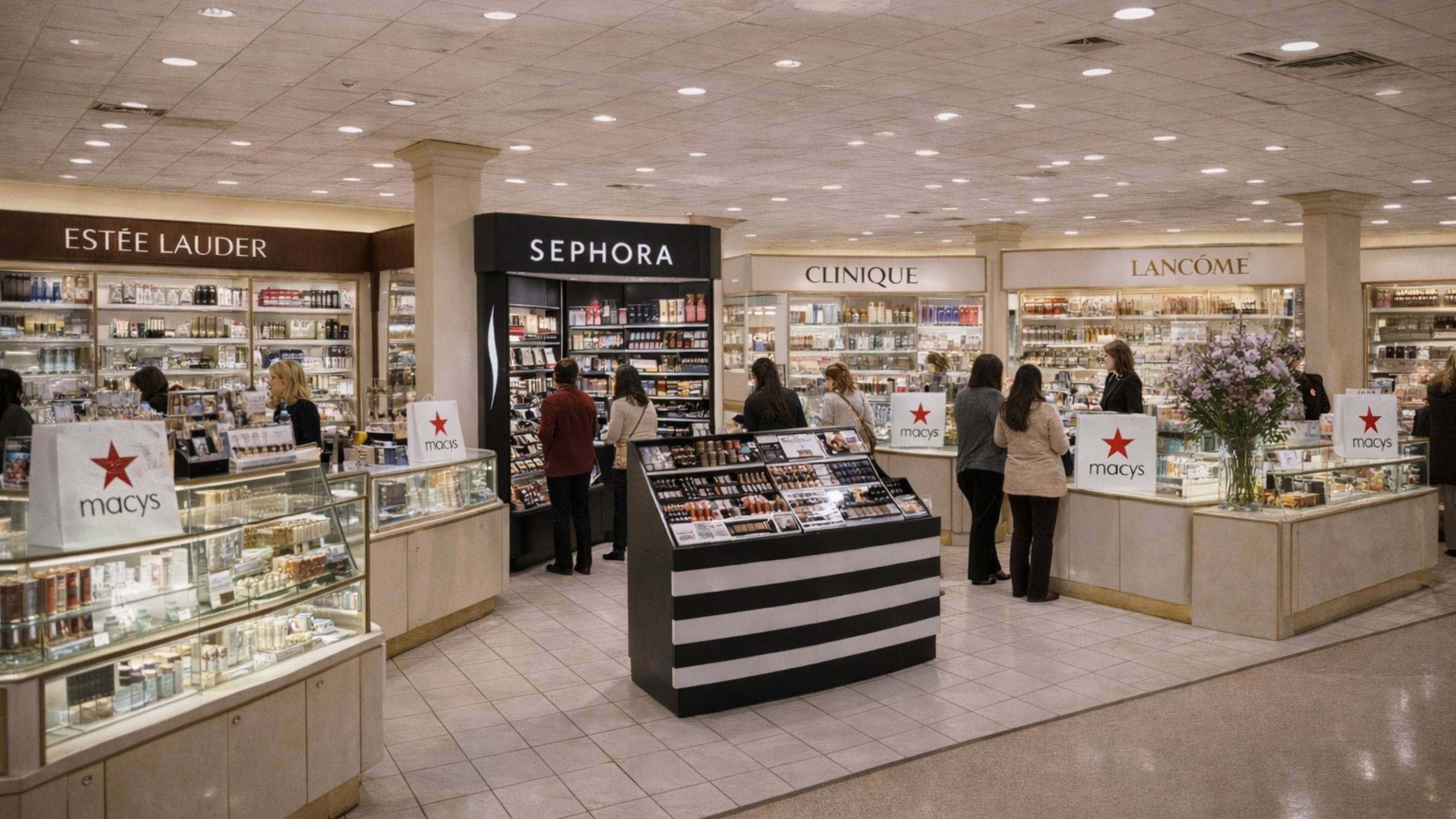
If you believe Sephora is too big to fail, you may be right. But it may be worth asking IF Macy’s incubated a little French retailer inside its walls in the 90s, how would that have played out? Could they have had a slice of Sephora? Could they have contained the threat in their own house, on their terms?
Ending on a personal note, just this year, my sister sold her Tesla and casually mentioned she’s considering canceling her Amazon account. These are words I never predicted would come out of her mouth, yet here we are.
I am excited to see who wins this beauty retail battle. Who is your money on?
No posts
Comments
Nothing yet. Say the first thing.
Sign in to join the conversation.