
As an optimist and someone who has spent years developing, testing, and creating beauty products, what I am about to say might sound negative, but it’s not. It’s honest.
I. am. bored.
Despite the flurry of “new” launches across WWD headlines, Beauty Independent newsletters, pop-ups, and TikTok feeds, most of what is called innovation feels like déjà vu. There is plenty of sizzle: the packaging, the buzz, the celebrity endorsement, but very little steak: never-before-seen formulas, efficacy that you don’t need a chart or a before and after photo to believe, the “wow” that stops you in your tracks that doesn’t disappoint you after a month. I am not talking about incremental tweaks, a new texture, a waterproof version, a derm-developed, clinically proven cocktail of ingredients. I mean the kind of game-changing formulation that shifts the entire industry.
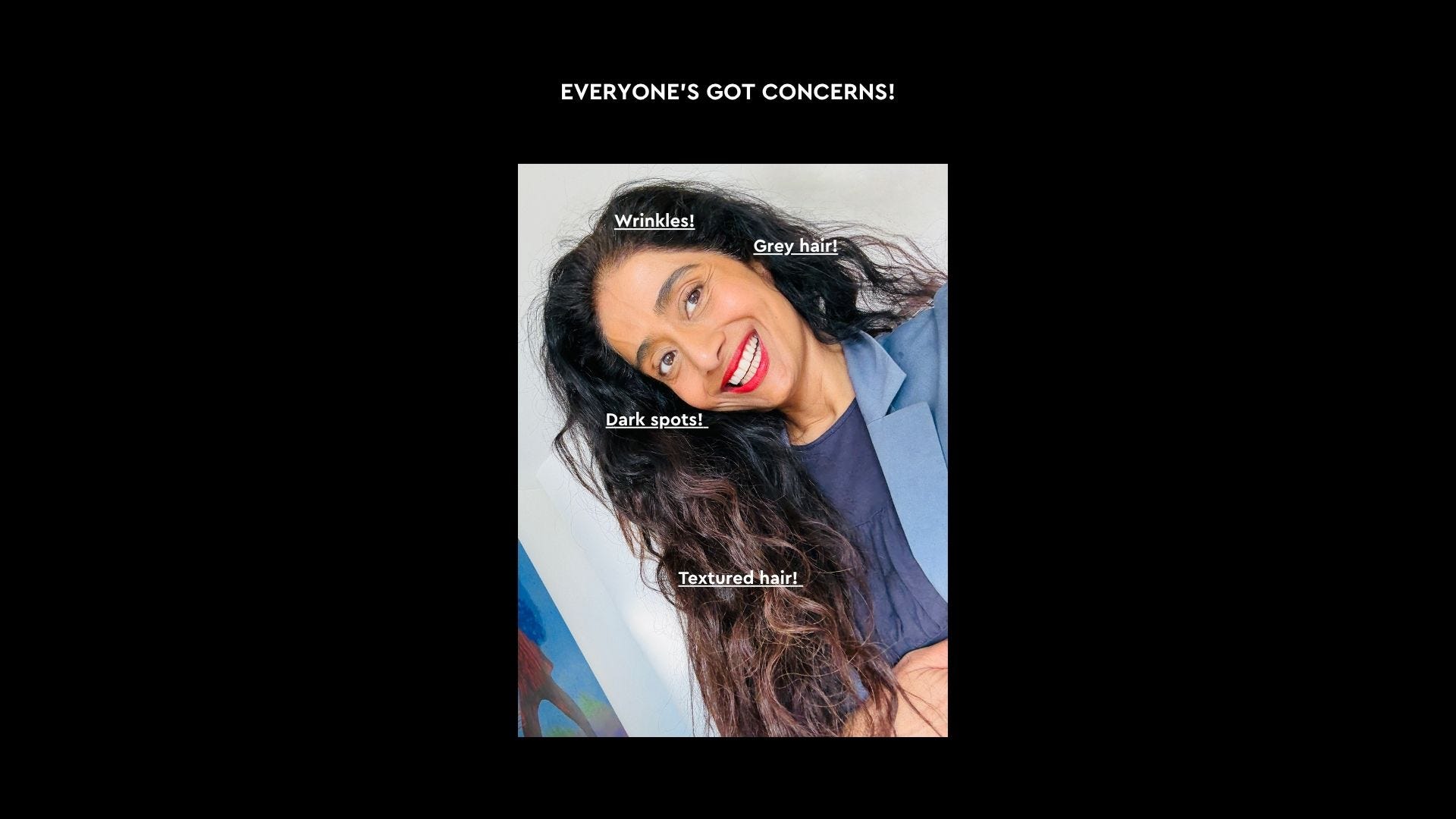
We have been chasing the same problems for generations: frizzy hair, gray hair, wrinkles, dark spots, hair loss, and chipped nails. And the uncomfortable truth is that most of what really works today at a very high level is decades old.
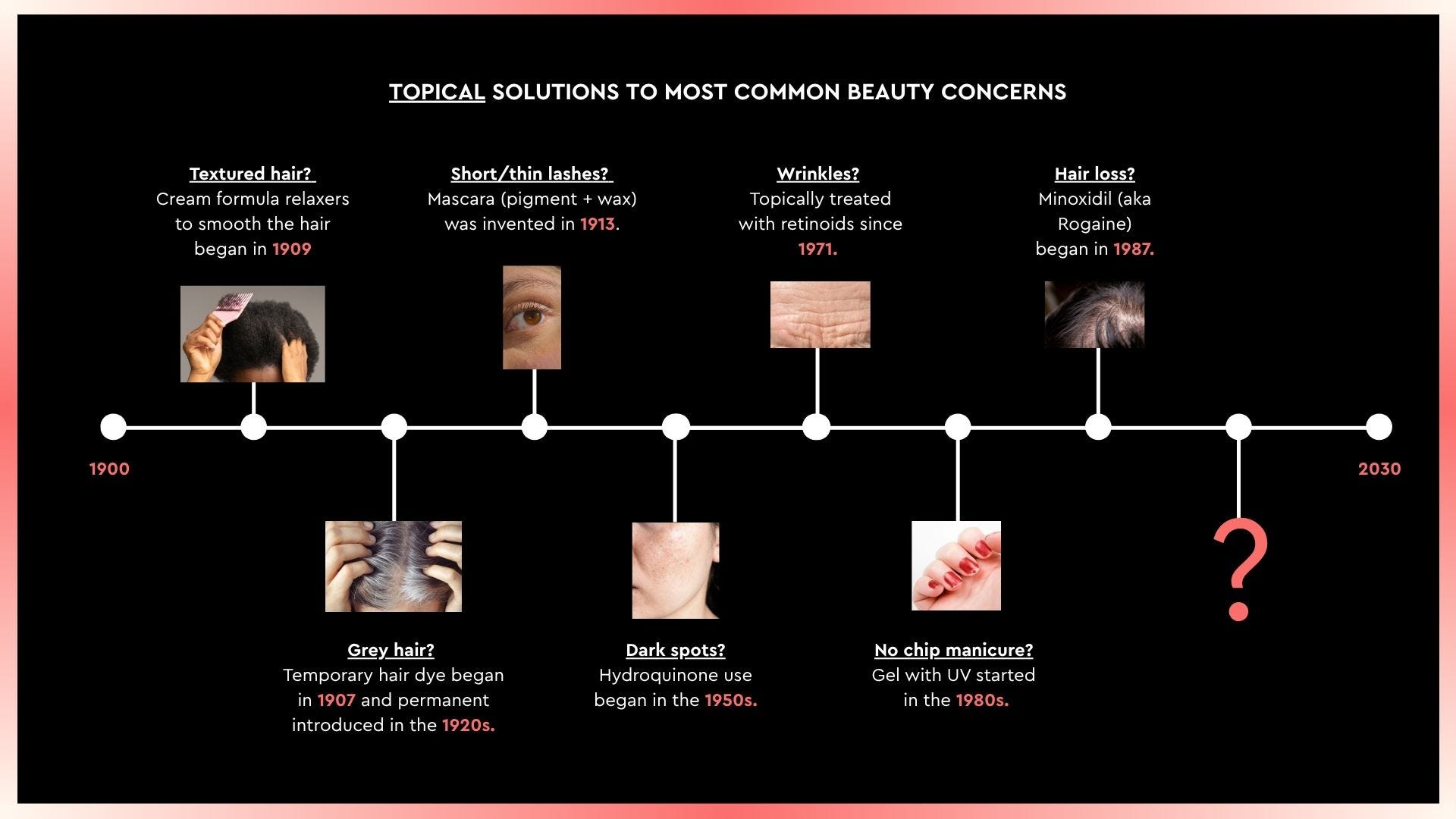
If you actually chart the timeline of topical beauty innovation, it tells a humbling story. Relaxers, 1909. Mascara, 1913. Hair dye, 1907. Hydroquinone for dark spots, 1950s. Retinoids for wrinkles, 1971. Minoxidil for hair loss, 1987. Gel manicures, late 1990s. Every major category-defining topical solution to our most common beauty concerns was invented decades ago. What we have been doing since is just incremental innovation.
Yes, mascara wands are sleeker, formulas are waterproof, but the concept of pigment and wax remains the same. We have refined textures, upgraded packaging, and incorporated high-performance actives at claimable percentages, but the fundamental formula mechanics have barely moved. (In fairness, I am excluding invasive procedures such as Botox, fillers, hair transplants, lash extensions, fake nails, and lasers.)
In my opinion, there is a different type of “formula” where current incentives converge, and it’s the “business formula”. Here are the Top 10 most popular “business formulas” ranked according to me:
Actor/Artist + VC/Private Equity = Beauty Business
Influencer + VC/Private Equity = Beauty Business
Brand (Fashion, Luxury, or Lifestyle) + Private Labeler = Beauty Business
Celebrity Derm + Private Backer = Beauty Business
Plastic Surgeon + Private Backer = Beauty Business
Makeup Artist + Private Backer = Beauty Business
Celebrity Hairstylist + Private Backer = Beauty Business
Retailer + Private Labeler = Beauty Business
Deep-Pocketed Unknown + A Gaggle of Agencies = Beauty Business
Passionate Founder + Mortgaging of Their Home = Beauty Business
All 10 (or any combination of the above variables) are built from similar bench chemists, labs, and manufacturers, more or less. Investors reward virality, reach, growth, valuation, and exit. The system is designed to sell dreams, deposit conversion, and wrap it in a bow, prettier each time.
In beauty, most major companies spend under 3% of revenue on R&D and close to 10% on Marketing. In pharma, the equation flips: global drug makers invest roughly 25-30% percent of revenue in R&D and about 5-8% percent in Marketing. A consumer who buys because she is a fan of the founder is not the same as a consumer who buys when a product works, really works, like GLP-1s work for weight loss. Loyalty is not emotional; it’s earned and hard-wired in.
The beauty industry has trained us to be happy with SIZZLE, not STEAK. A solution for an age-old problem might come from a curious scientist, tinkerer, or something else. For example, AI is already attempting to cure cancer, design proteins, and predict how cells behave inside the body. What if AI could map skin aging like it maps genetic mutations, or simulate every ingredient combination to find one that truly reverses wrinkles, or prevents grey hair? That would be the real GLP-1 moment for beauty. I am optimistic that someone out there will do this, but first, we just need to get our incentives aligned.
Steak people, not sizzle.
No posts
Comments
Nothing yet. Say the first thing.
Sign in to join the conversation.