
I was 15 or 16 when Big Brother first premiered in Australia. Shocked by the idea of a bunch of normal people being filmed and broadcast 24/7, I quietly yearned to be a contestant. I thought I wanted that kind of fame, because I was a stupid teenager.
Fast forward about 5 years: MySpace arrived, and I latched on like a hungry newborn. I was a boring, average, outer suburban office worker in my early twenties, still living at home with my parents – but my Big Feelings™, strong opinions on music, impulsive streak, and frequent weekend-long benders made me feel a bit more interesting than my peers at the time. (Cringe!)
Learning basic HTML to customize my page felt like living in the future. Selecting music, photos, colors and fonts, then arranging (and rearranging) my Top Friends was fun, but the real hook was browsing other profiles.
It was like watching Big Brother for the first time again: getting an intimate look into the lives of other normies. We entered a new world, where we could present ourselves however we wanted. We became performers and voyeurs.
Eventually, we migrated to Facebook, scratching the same itch with a new set of acrylics, uploading the minutiae of our lives, unaware that we were feeding a future monster. We relentlessly tagged each other in photos, offering ourselves (and our children) as sacrifices to facial recognition databases and advertising algorithms. We came together online, celebrated, caught up with former friends, and it was fun – until the misinformation, fighting, and bots took over.
When we get an audience, we start performing. I’m not exempt from this behavior. This blog is public for a reason, even though I haven’t fully figured it out yet. I like writing, I want to do more of it, and I want people to read it, but I’m not a good writer. (I’m good at the kind of writing I do for work, which is dry and concise, but not this.) I struggle to articulate things verbally at times, and I like having the time and space to make sense of my thoughts before putting them out into the world.
Everyone wants to make sure their life means something. For many of us, meaning is derived from what remains of us when we’re gone: does anyone remember me? Is my name preserved in stone, metal, or the hearts of future generations?
Posting anything to the internet feels a bit like trying to carve a detailed headstone: When I’m gone, this is what people will see, will remember me by. This is what my life meant.
I grappled with this search for meaning in my late teens. Despondent from the pointlessness of it all, followed by giddy freedom in the face of that pointlessness. Rinse and repeat.
Eventually, I stumbled upon a new kind of freedom, borne from the realization of two truths:
We get to choose what has meaning.
Nothing is permanent, no matter how much it means to you or anyone else.
(A quick Google says this line of thinking describes existentialism, but I don’t know enough about philosophy to say that with much confidence.)
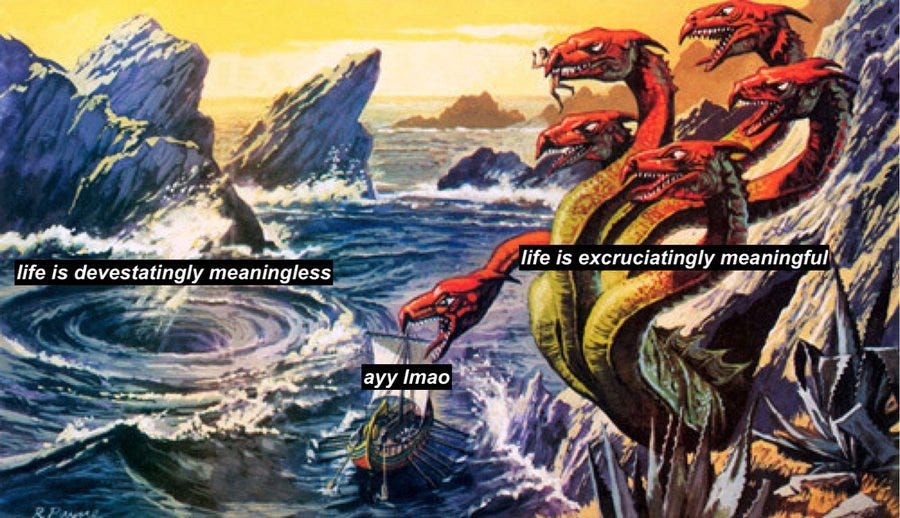
Some people push back against childfree people with the “legacy” argument, as if we’re royalty and not just average, regular people, living average, regular lives. I like to ask: can you name your great, great, great, great grandparents? I can’t. We’re personally affected by one, two, or maybe three generations before or after us (if we’re lucky).
For those of us in corporate jobs, we’re expected to invest incredible amounts of time and energy into making things better for the business, and made to feel like it’s important. I work hard, but companies change, merge, pivot, go bankrupt. The work I do will eventually disappear. I do my job, and do it well, but I derive meaning from the relationships I build with my fellow workers, many of whom are genuinely incredible human beings.
The same impermanence applies to our digital presences. Where’s my MySpace page today? The one I thought would be around forever to represent me as a person? I also lived a lot of my 2009–2022 online life on Twitter, and met incredible real life friends (including Jesse!) as a result of my time there.
Twitter felt like it’d be in my life forever, but one insecure billionaire quickly turned a place that I loved into a cesspool of abuse and fascism. I deleted my account and walked away, surprised by how little I missed it.
Of all the social media platforms I’ve used over the years, I invested the most time and energy into Instagram. My feed was less of a highlight reel and more of a photo diary, filled with moments that I wanted to remember (and thought others might enjoy seeing).
For a long time, I loved it. It was usually the first app I opened every time I picked up my phone. But towards the end, the reasons for leaving outweighed the reasons to stay.
I wanted to heal my brain from my (terrifyingly common) dopamine-destroying doomscrolling addiction. I wanted to be free from the daily emotional whiplash of cute puppy! to horrors of war! to you should buy this!
I became aware of the biggest trick it was playing on me: the one that made me feel like Instagram could replace some in-person connection. It felt like we were all at a party together, showing each other memes and laughing, while passively broadcasting information about our lives. I realized that it scratched the itch of socializing – complete with the fatigue from socializing – but with no real socializing actually happening.
Since deleting my account, I’m already connecting with people in more personal ways, and making plans to see them in real life. I’m no longer dreading the energy expenditure of hanging out, because I have more energy to spare now that I’m not spending it on endless scrolling.
Yes, I still get tired after socializing, but I’m a primate. I need to interact with other people. I get tired from exercise, too; however, like socializing, it’s necessary for my health.
I need to see people IRL more than I need to giggle at memes. I need it more than I need that pit in my stomach as I watch parents post endless pictures of their kids’ lives without their consent, or find out that someone I worked with for one week over a decade ago bought a car, or that someone I don’t know (and will never meet) who was algorithmically shown to me has a nice new thing, and now I need a thing that I didn’t even know existed two minutes ago.
I stopped scrolling and kept my feed for a while, but the final push to delete really came when I realized that all it would take is another sociopathic billionaire to throw money at it and turn it into something even worse than it already is. Or nuke it entirely, ruining businesses and livelihoods with a single click. Maybe it’ll get abandoned in favor of TikTok, or the next exciting thing. It doesn’t matter how it happens. Eventually, it’ll be gone.
I’ve put time and effort into this blog. I periodically export its contents “just in case”, and I’ve moved it from platform to platform over the years – but if it disappeared tomorrow, I’d probably shrug my shoulders and move on.
It sounds counterintuitive, but the awareness of impermanence has brought immeasurable peace to my daily life instead of fear. It’s relaxed my grip on everything, especially over the last few months.
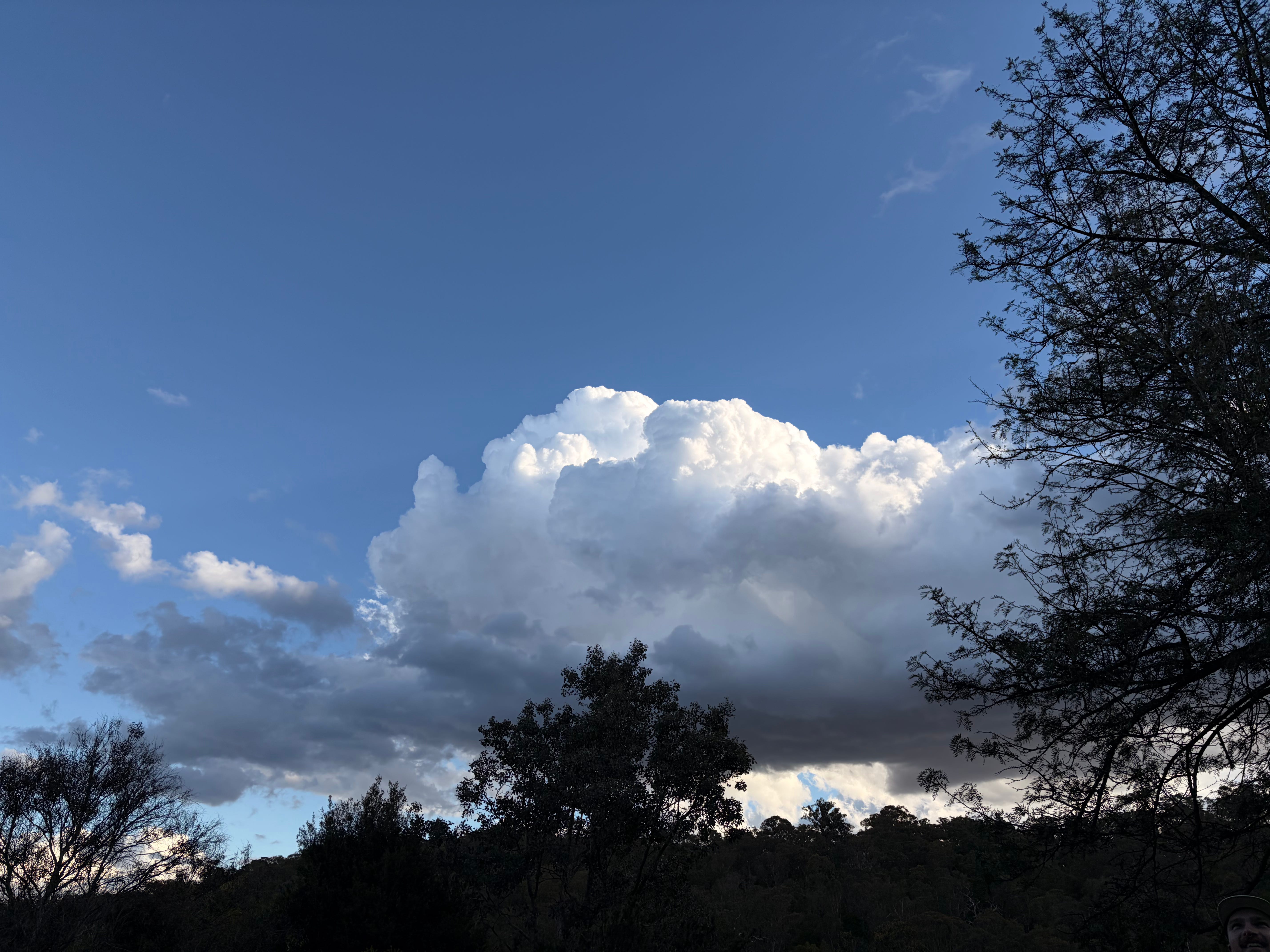
Most humans will live and die without global fanfare or lasting impact, and I’m okay with being one of them. Western societies are individualistic, conditioning us to believe we’re all important, special snowflakes, but the reality is that – when you really zoom out – we’re nothing.
Does this mean that I wake up every day without a sense of meaning or purpose? Surprisingly, the opposite is true. I feel deeply, and I’ve learned to dive into the turbulent waves of human emotion instead of fighting them. I’m driven by awe and I’m awestruck by the simplest things, especially nature, and my partner. I have a powerful drive to do the right thing, to make things around me better instead of worse. I want to care for the people closest to me, and I have a newly-discovered impulse to be more vocal about the fact that I care, that I love, and I love hard.
I want to help my neighbors when they need help. I want to be a non-judgemental, helpful ear to anyone that needs to vent or work out a sticky problem. I want to be a shoulder that people feel safe to cry on. I want to reduce the harm I inflict on the world, people, and animals, despite being born into a system where causing harm is practically unavoidable. I want to be a trusted auntie to my friends’ kids, be involved in my community, and fight for people who have less than me. I want to put more love out into the world.
I don’t need (or want) recognition or lasting remembrance for any of this. I just want to do it all because it means something to me.
My meaning may not look like yours, but that’s exactly what makes individual people so interesting.
Accepting true impermanence allows me to greet every day as a brand new version of myself, ready to learn something new, ready to change my mind again. It allows me to appreciate good days, knowing that bad ones will come, and that I’ll survive them. It helps me find magic in the mundane, dance like nobody’s watching, and gives me the energy to reach out to people to try and make their day a tiny bit better.
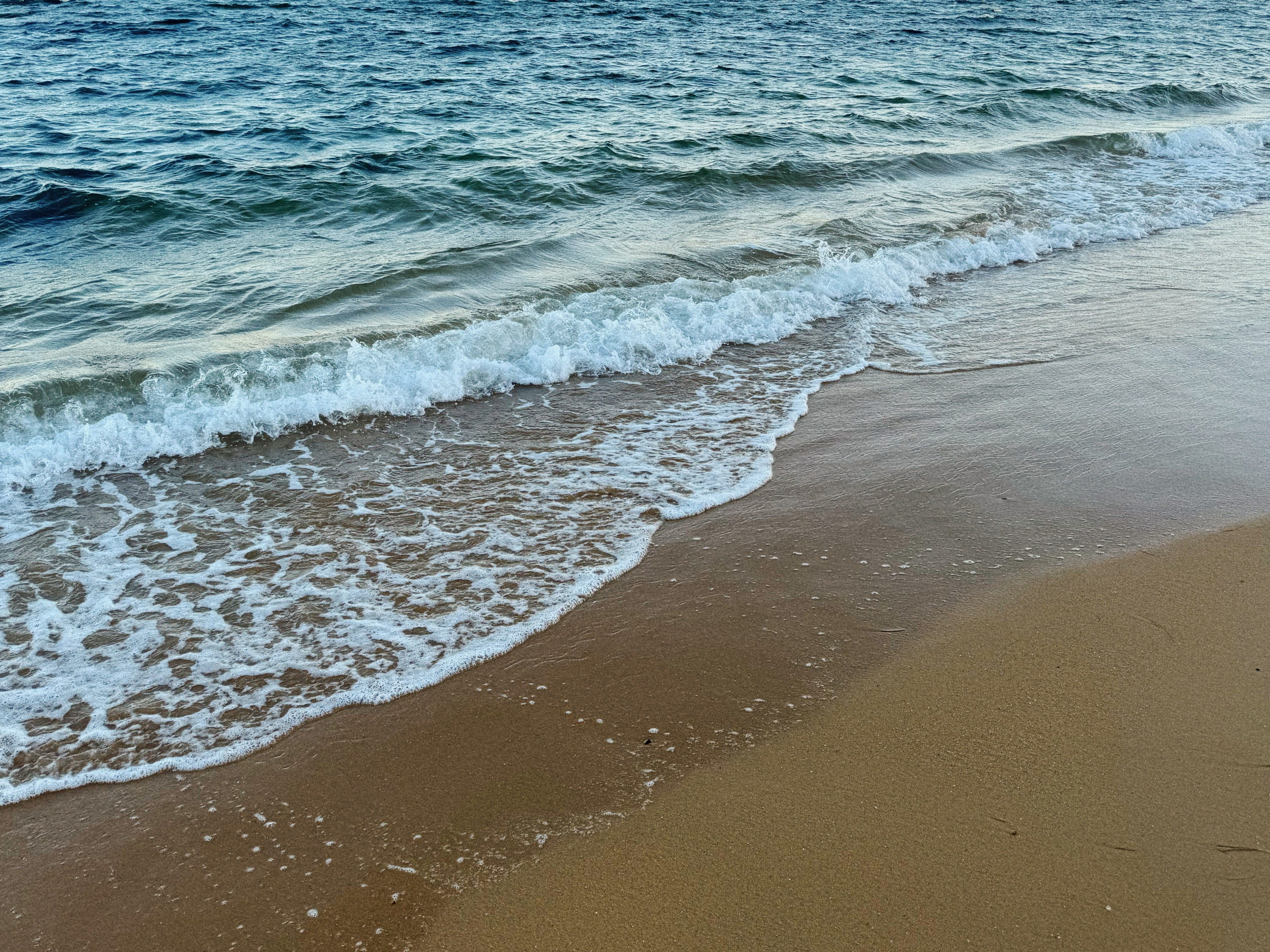
Embodying impermanence pulls me deeper into the present moment and makes life brighter, more delicious. I’m a solitary water molecule in an ocean; flowing with the current or crashing on the shore, affected by forces bigger than I’ll ever understand.
I’m the tiniest part of something expansive, sublime, and temporary. To be aware of that is all the meaning I need.
Let’s hang out – in person – so you can tell me what’s meaningful to you.
Comments
Nothing yet. Say the first thing.
Sign in to join the conversation.