
I owe much of my career to Ted Turner, the CNN founder who died on Wednesday.
I spent more than a decade working for his Cable News Network, hearing stories about him coming down to the newsroom from a penthouse in Atlanta’s CNN Center — in a bathrobe, no less — to give early-morning marching orders. By the time I got there, in January 2009, the day before Obama’s inauguration, Turner had parted ways with the network. The lore of this person who smoked cigars and sailed competitively and said what needed to be said, even when the world wasn’t ready to hear it, loomed large in that place. I was grateful to be working at a company that maintained much of his brashness and fearlessness — that wanted to promote an informed, global public.
Then, in 2022, I was honored to be named the first Ted Turner Visiting Professor of Environmental Media at the George Washington University.
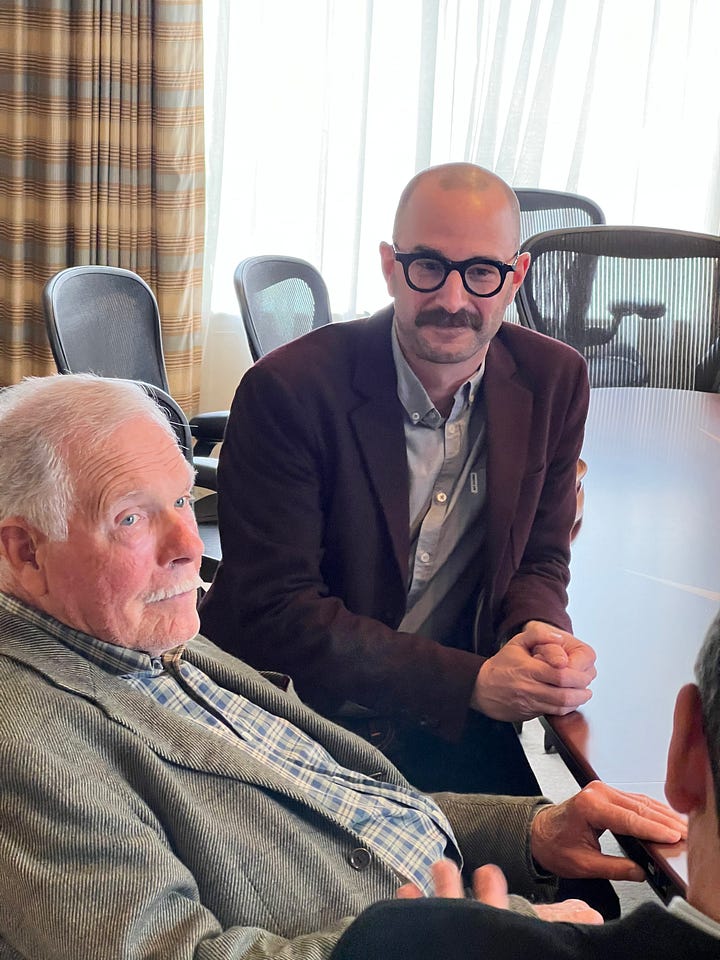
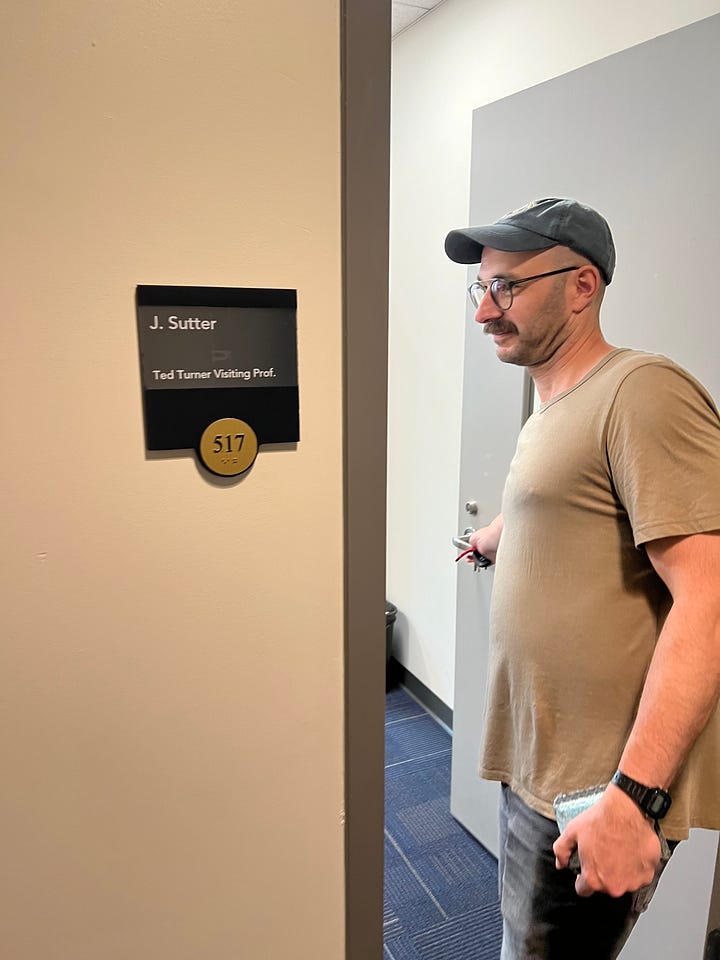
I developed and taught courses at GW on the history of climate media, environmental filmmaking and sustainability journalism in an effort to honor a man who truly had an outsize impact on the way my generation sees our relationship to the planet. (I’m now teaching versions of these courses now at the University of Oregon. I’d invite you to read some of my students’ work from GW and from my U of O class. It was a great honor that one of my students, Katherine Gunning, had her film screened at the DC Environmental Film Festival this year. I think Turner would have been proud of that).
Turner is and will be remembered for many things — from his reshaping of the news landscape to his $1 billion contribution to start the United Nations Foundation.
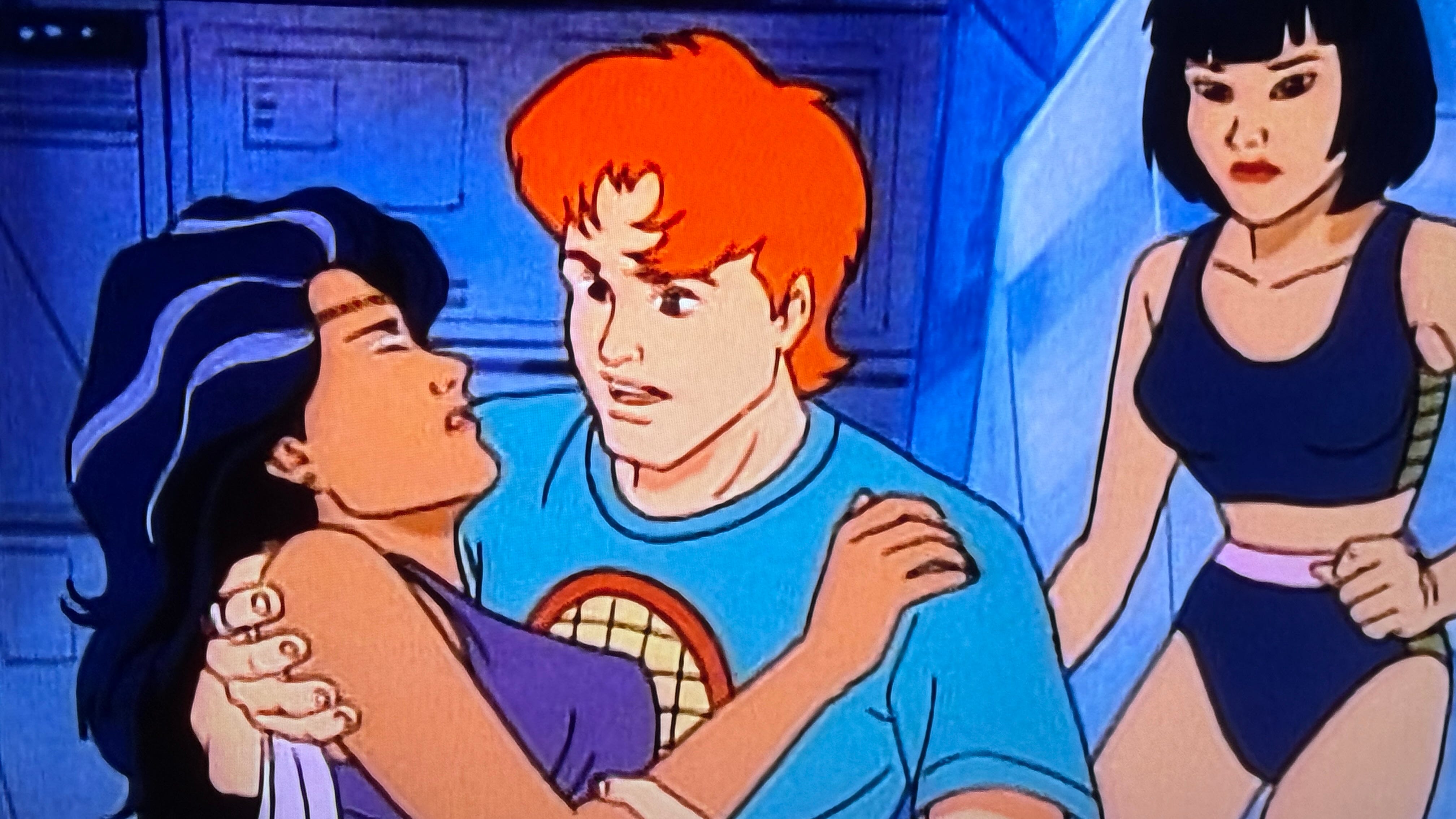
I want to highlight a less-appreciated and still critically important slice of his legacy — and that’s the role he had shaping the way young people see environmental issues. Much of that shaping came in the form of the 1990s cartoon series “Captain Planet.”
“Captain Planet” aired from 1990 to 1996, and Turner co-created the show with Barbara Pyle. There’s a wonderful 2021 piece about Pyle in The New Yorker, and the piece also does a nice job of summing up the framework and ethos of the series:
Superheroes are usually bachelors who act alone, then retreat to their caves. Captain Planet, by contrast, is summoned by committee. In the show’s mythology, Gaia, the spirit of the Earth, has sent five magic rings—representing Earth, Wind, Water, Fire, and Heart—to five young people around the globe. Each ring grants its bearer the ability to control an associated element at will (Heart summons a mixture of kindness and telepathy); meanwhile, the kids can “summon Earth’s greatest champion, Captain Planet” using “their powers combined.” Captain Planet’s only weakness is pollution itself; his stated purpose, as the theme song says, is to “take pollution down to zero.”
It doesn’t hurt that Gaia is voiced by Whoopi Goldberg!
Each episode starts with the statement “our world is in peril.”
And in each episode, these five young people — each from a different part of the world, underscoring the international mindset that was the bedrock of so much of Turner’s work — come together to summon Captain Planet to stop pollution or heal our relationship with the environment and non-human world. I’m an old millennial, and I remember the show being a true part of the fabric of growing up in the 90s. This was true even though I was a kid in Oklahoma, where oil and gas were king.
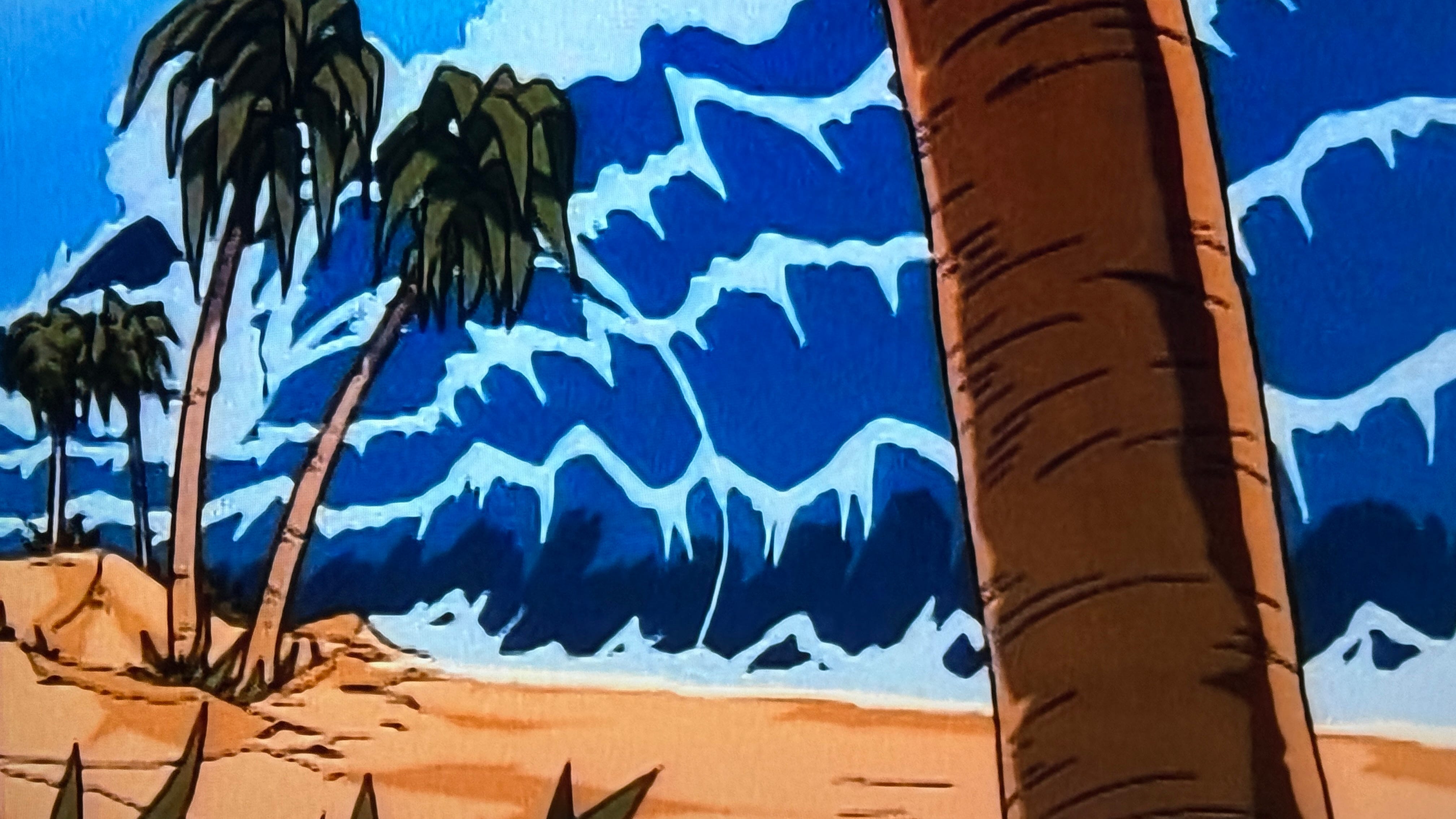
I now teach a course to juniors and seniors called “A History of the Climate Crisis: As Seen in the Media,” and I show Ep 26 from Season 1 of “Captain Planet.” The episode is titled “Heat Wave,” and it’s almost ridiculous how prescient the storyline is.
Here’s the gist: A femme-fatale villain named Dr. Blight creates a forcefield around the island where Gaia/Whoopi/Mother Earth lives. She starts burning coal, oil, gas and wood and pumping those gases into the forcefield, thus creating a realistic greenhouse effect. “Burning these fossil fuels will increase the concentration of carbon-dioxide in the Earth’s atmosphere — and keep in more of the sun’s heat!” she declares gleefully, as if narrating a science textbook. “We’ll have such fun making life on Earth too hot to handle,” her co-conspirator, a computer named MAL, says.
The dome gets hotter. Seas start rising. Tidal waves hit the shores. Gaia/Whoopi is weakened and faints. The Planeteers, as the protagonist kids are called in the show, ultimately summon Captain Planet to bust up the forcefield, stop the burning of coal, and return Gaia/Whoopi’s island to some sort of natural atmospheric balance.
“Gonna take pollution down to zero,” the theme song declares during the credits.
Reminder, dear reader: That actually is the goal of global climate negotiations — brining carbon pollution down to net zero to slow catastrophic warming.
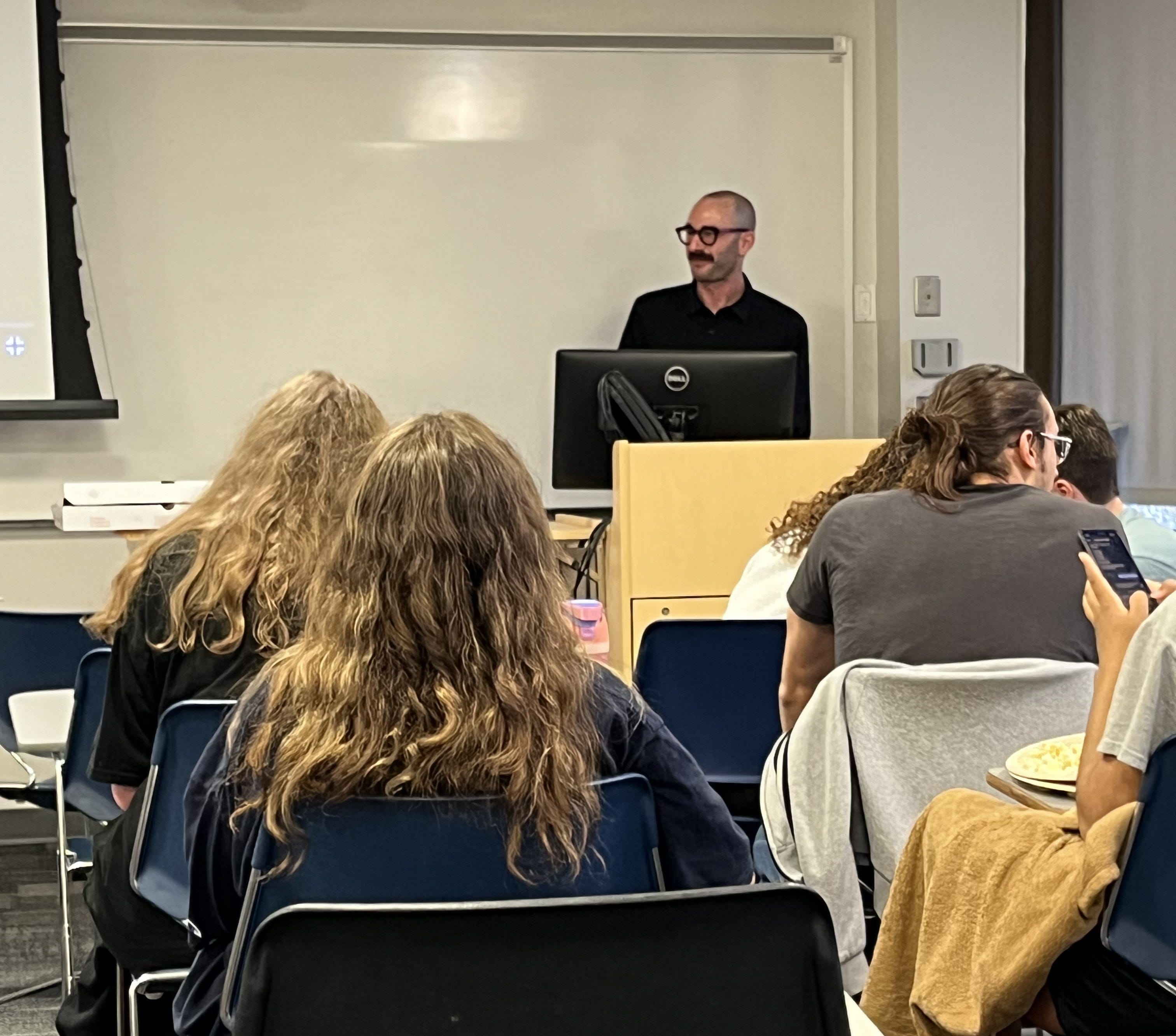
My students typically laugh at certain moments of the episode that haven’t aged terrifically. Some of the Planeteers are dressed more for a guest appearance on Baywatch than for environmental activism. And Dr. Blight is absurdly menacing as she cackles and insists that more and more coal should be burned. (She also flirts with her computer and calls him names like “baby cakes,” which they love). Students often say that she seems a little too one-note as a villain. Today’s climate villains are shrewder and hide behind the modern-day gods of economic growth, jobs and patriotism, they point out. Yet they’re always charmed by the show. And every class comes away from the screening with one key takeaway: Holy shit this show was way ahead of its time.
It dealt with the greenhouse effect and fossil fuel pollution in a clear-eyed way that is enviable when viewed from 2026. Unfortunately, there is more hand-wringing now — less boldness in saying what must be said, which is there’s no room for fossil fuels in the modern economy, and they need to be phased out and “down to zero” ASAP.
At a moment with the news media and academia are getting rocked by fear and self-censorship, I hope the boldness with which Ted Turner approached his life — telling it like it is, even when that was unpopular, especially when that was unpopular — lives on. That fearlessness and prescience are critical parts of his legacy. I see those ethics being embraced and celebrated by the generation of students I have the privilege of getting to work with. I don’t think it’s fair to lean on them to create the future we want — all of us have a part in that — but I do take comfort in seeing how alive they are, how much they want to create a better world with Ted’s boldness.
RIP, Ted. You are missed, and your legacy is very much alive.
No posts
Comments
Nothing yet. Say the first thing.
Sign in to join the conversation.