
The best kind of art challenges your assumptions. It shakes up everything you believe and shows you a world you didn’t even know could exist. That’s Speed Racer. From the colors that blend reality and make-believe, to the editing that folds time and space like an origami. The Wachowskis cashed in every chip they earned from The Matrix to build something we’ve never seen before.
I rewatched the film in IMAX earlier this week, and our crowd was buzzing: ‘oohs' and 'aahs', bursts of applause, laughter anytime we cut to that damn monkey, and that energy carried from the credits straight into the lobby. It was magic, but that undersells it, because magic is a trick, what the Wachowskis did with Speed Racer is art, in the fullest and most personal sense of the word.
Editing a New Visual Language
Let’s start with the editing, because this is where the film invents itself… Lana Wachowski put it plainly:
Editing is this very straightforward grammar; it’s like a sentence it begins with a capital letter ends with a period. Every cut is a period. And we thought, well because of computers we actually have the ability to transcend this older language and try something more postmodern
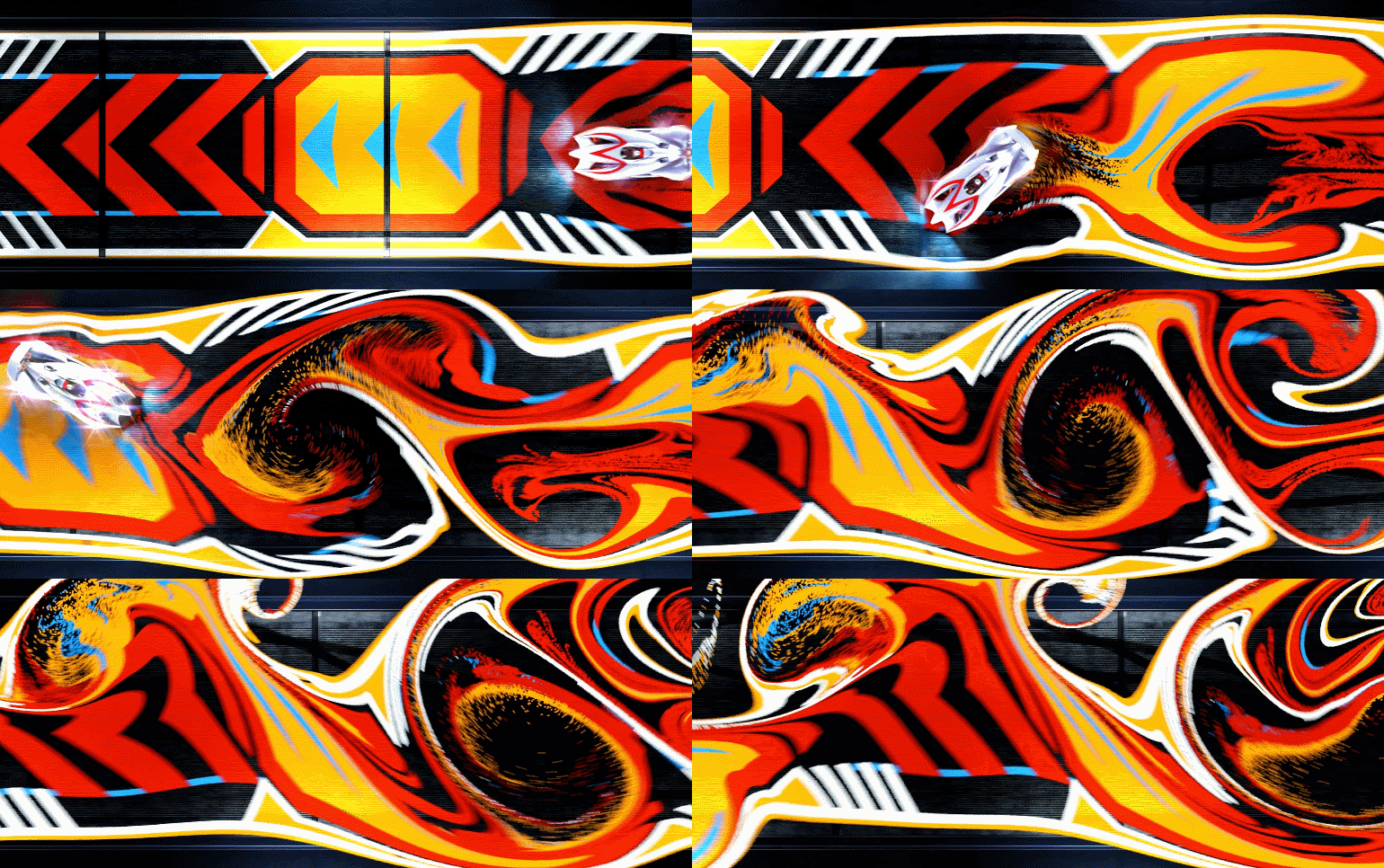
So the Wachowskis threw out all the rules. Where every other film on earth uses the standard cut: one image ending, another beginning, the sisters asked a simple question: why do we have to stop? Why can’t scenes just keep flowing, with one image melting into the next?
The result is a film built on layered wipes and invisible transitions. Characters slide across the frame, wiping the scene clean behind them. Landscapes rise from below to swallow racetracks. A head rotates and the background changes. Speed lines accelerate until the scenery becomes pure abstraction before taking you to a whole new place. Its the closest we’ve gotten to capturing the visual style of a cartoon in live-action.
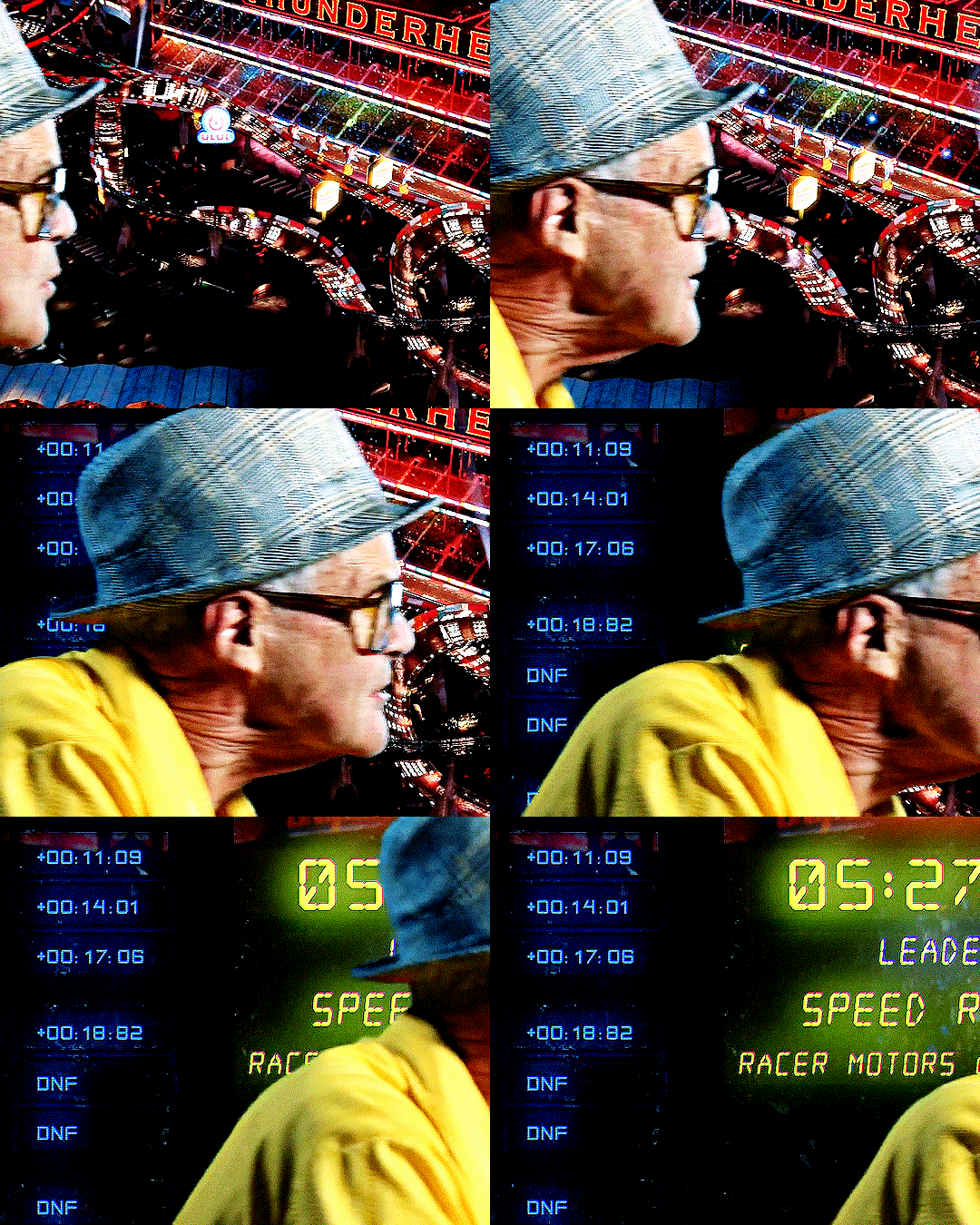
In conversation scenes, one character wipes across the frame as they finish their line, already leaving before another character takes command of the space. Nobody stands still. Nobody waits. The film is always in motion, let’s get a little .gif crazy:
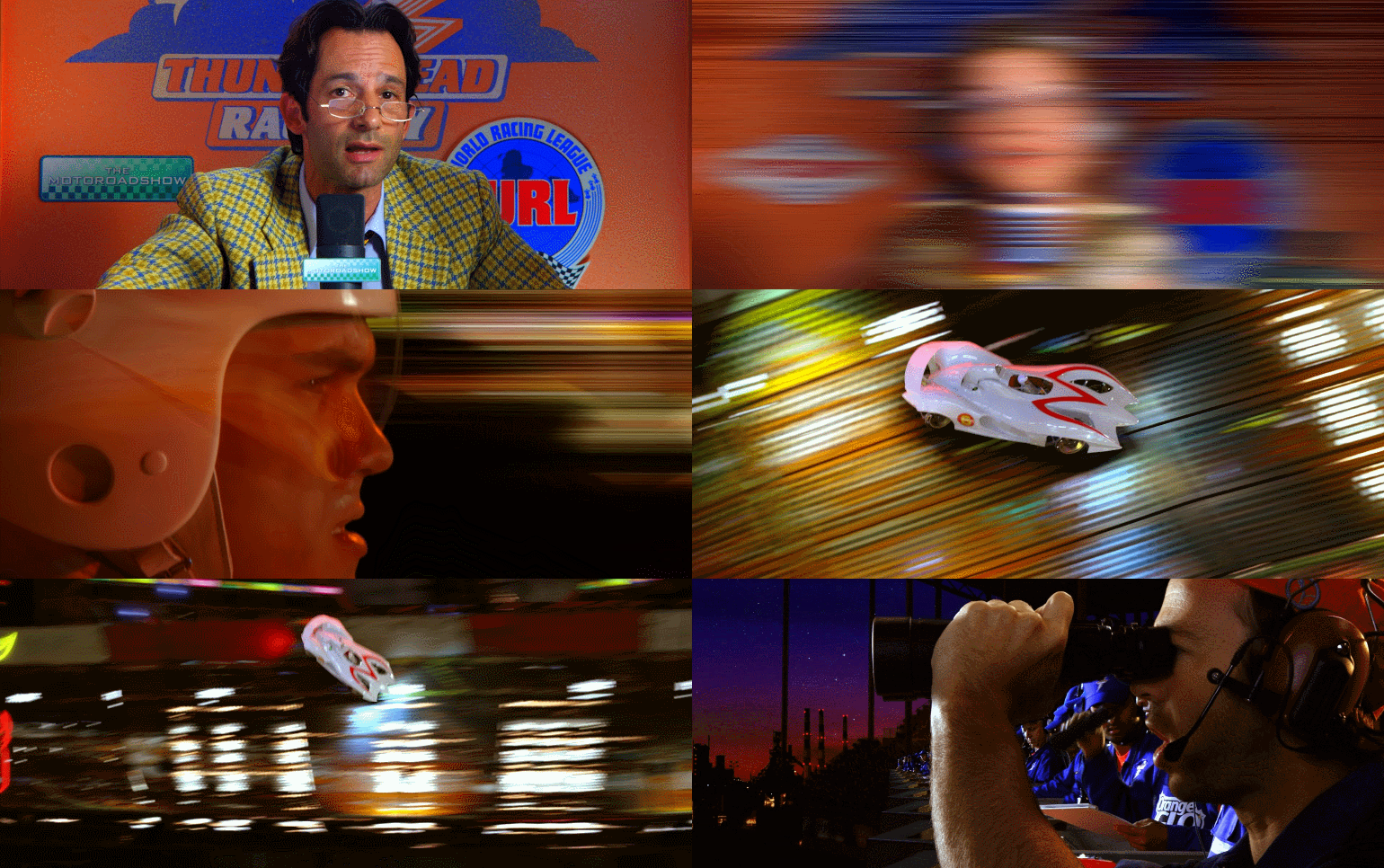
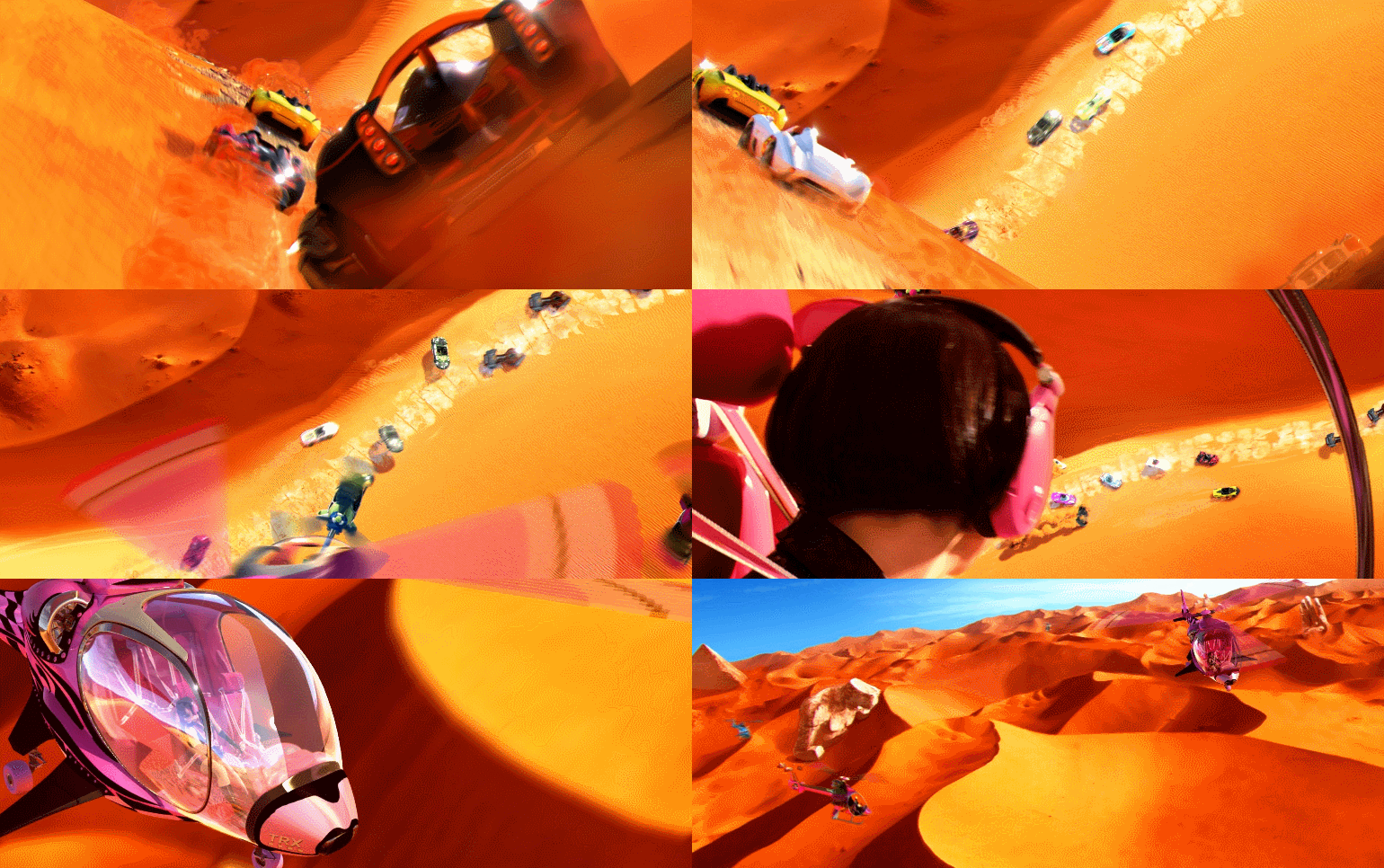
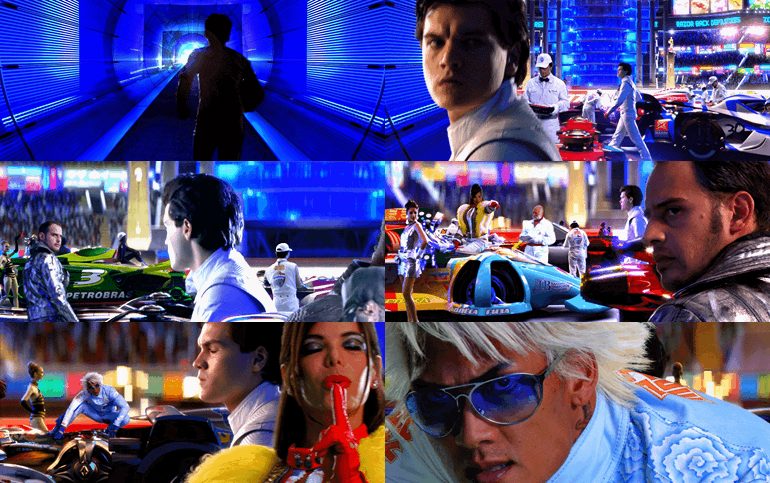
But the real editing feat is what the Wachowskis do with time by collapsing past and present together. Take the opening for example: Speed is chasing the ghost of Rex, literally racing a projected replay of his brother’s car (Mario Kart-style). We jump back to Rex’s actual record-setting race, but the film doesn’t just cut to a flashback… instead the camera pans around Speed’s car as it turns into Rex’s car:
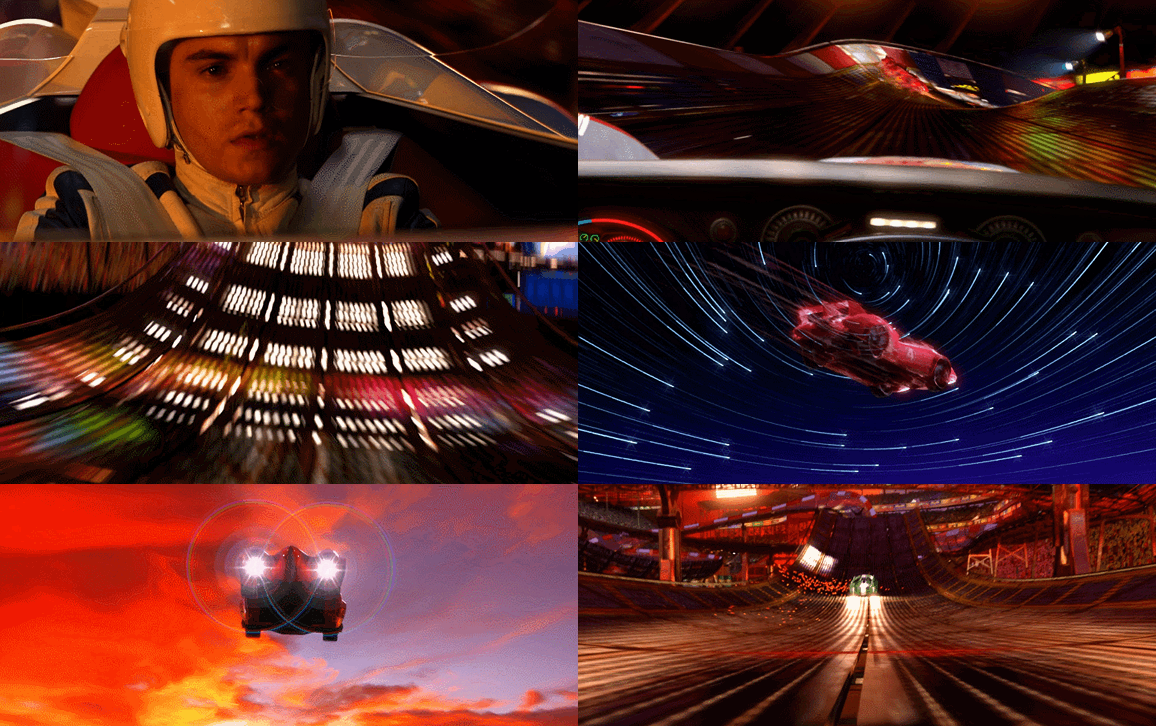
The background dissolves and suddenly we are ten years in the past, without a title card, without a tone shift, it’s just the Wachowskis trusting you to follow along.
Speed’s present-day car finally overtakes Rex’s ghost, but he presses the brakes at the last second to keep his brother’s record intact, because it’s all that’s left of his legacy. He crosses over the finish line and a wave of colors just washes over the screen: the present covering the past with the flashback resolved through motion… a moment that only last seconds but always brings tears to my eyes.
Now compare this to Oppenheimer (a film that I love!) where jumps between timelines require color grading as a navigation system. Speed Racer makes the same leaps faster, more often, and you are never lost: the emotional logic is so clean that the chronological logic takes care of itself.
Colors Paint the Picture
Then there are the colors, with blues and yellows so saturated they might as well pop off the screen.
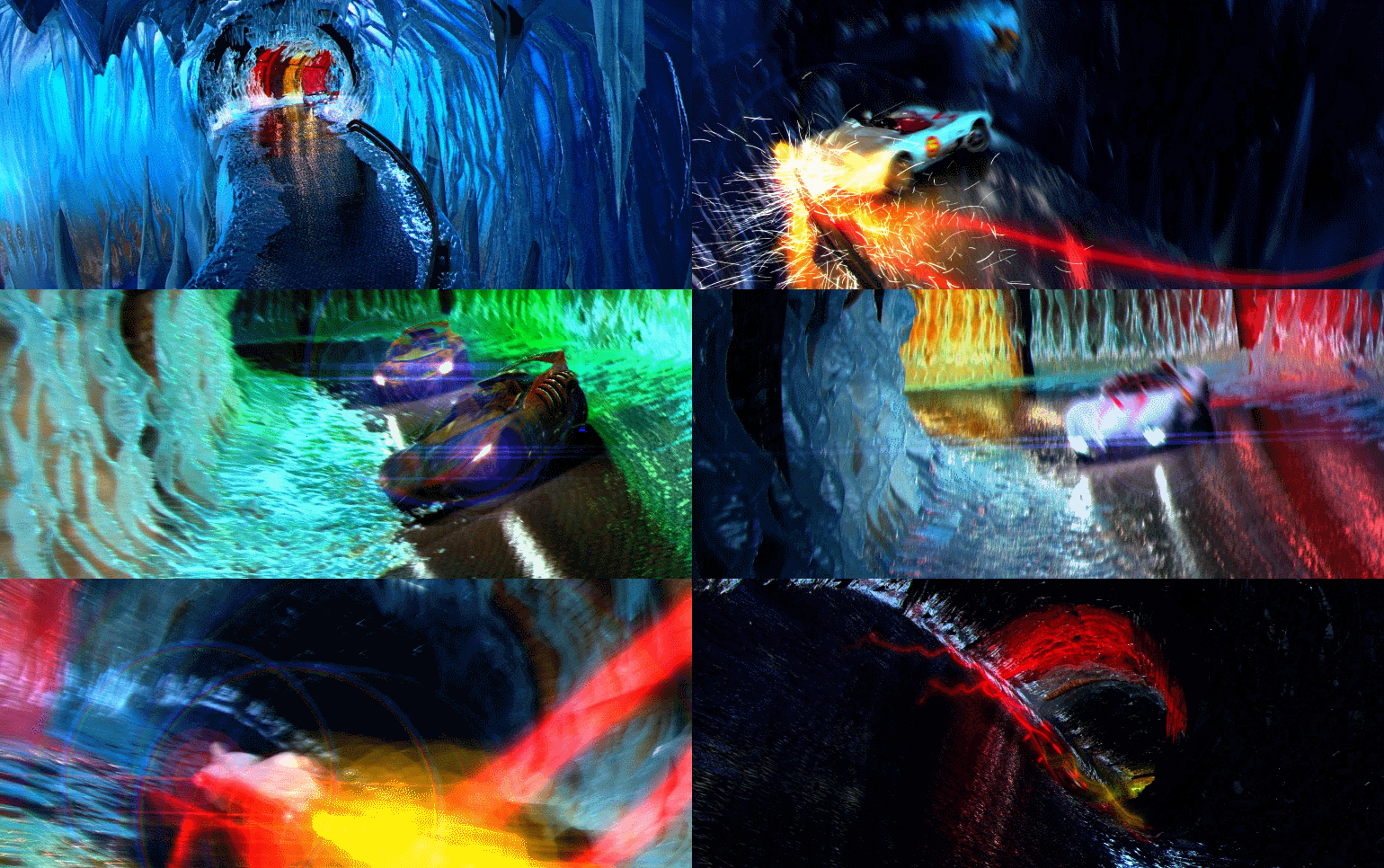
Critics back in 2008 found it overwhelming but the Wachowskis were explicit with this palette. Warner Bros. was excited to have them adapting a known family property, but when the studio reviewed the work-in-progress they thought the directors went nuts, but Lana Wachowskis confirmed that they were being very intentional:
We wanted to assault every single modern aesthetic.
The colors bring the hyper-realistic look of the original anime to life, but it’s more than just decoration, they are the film’s entire moral argument made visible. The Racer family’s world is green, bright, happy, alive. Meanwhile, the corporate machine trying to swallow them is dark, metallic, and full of machines. You don’t need a single line of dialogue to understand the film’s central conflict… you just need to look at what is vibrant and what isn’t.
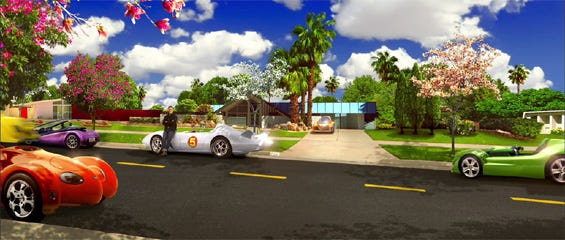
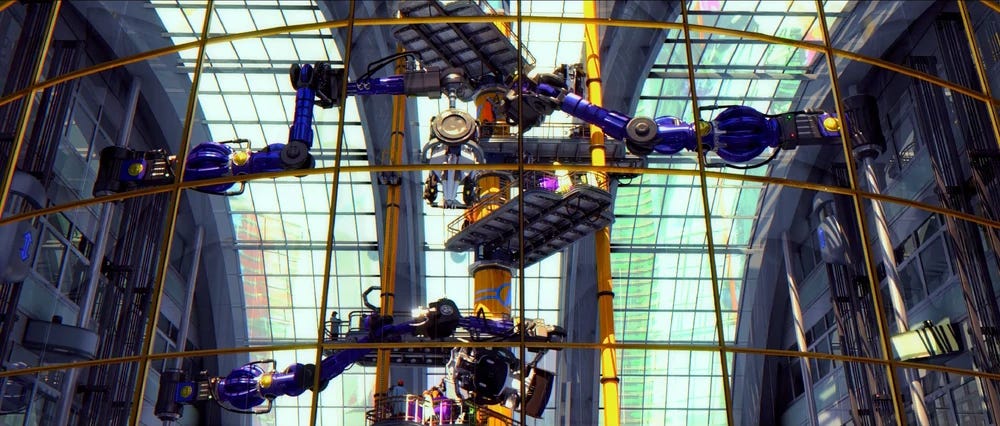
What looked like ‘too much’ in 2008 looks exactly right today, especially after more than a decade of grim and serious superhero movies.
Passion, Family, Legacy, Corporate Greed
Here is what gets lost anytime we talk about this film’s visuals: Speed Racer is also one of the most emotionally complete blockbusters ever made. It runs multiple threads simultaneously and closes on all of them in a spectacular finale.
Rex’s Reveal
Rex’s absence haunts every frame. The mystery of what actually happened to him is the film’s emotional spine, and the way the Wachowskis play it is one of cinema’s great sleight-of-hand acts.
We’re told about Rex’s fate from the start, and right after his death we cut flow into a scene with Racer X, our first hint that the masked stranger might be Rex. We watch him race alongside Speed as if they’ve always known each other, he almost gets unmasked at one point in the second act but the film holds back on the reveal… at this point every trope and movie rule is telling you that Racer X is Rex. And then the twist: Racer X takes his mask off and and it’s not Rex, you got fooled, you’re confused, you feel exactly like Speed, because you were convinced that was Rex and you want to believe he’s still alive… you know in your guts that he’s still around, and yet the face doesn’t match!
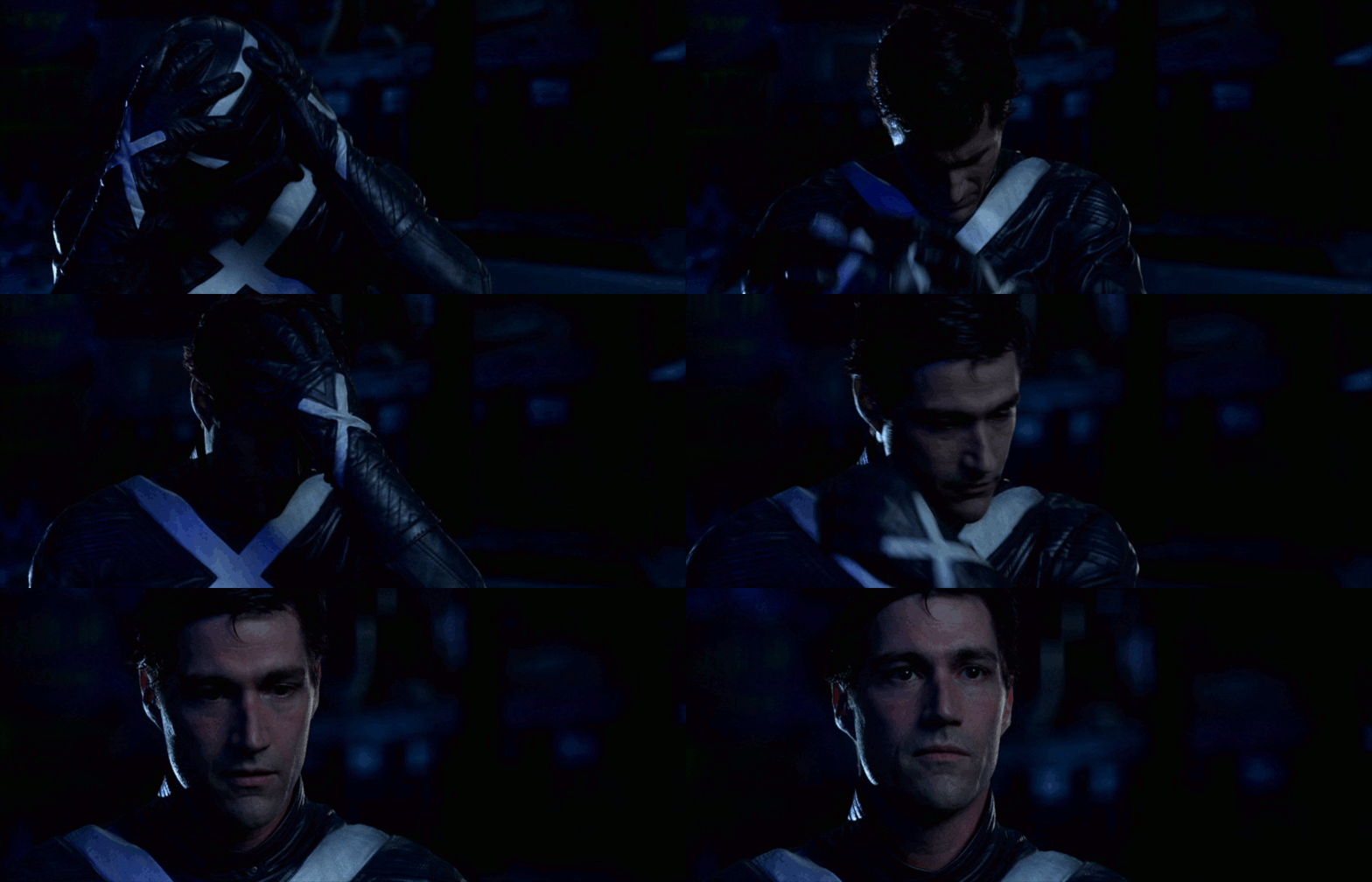
The mystery of Rex’s fate doesn’t get resolved until the very end, where it’s revealed he faked his death and altered his face, a ghost who chose to disappear, protecting his family from a world that would destroy them. The reveal is cathartic because the film has been playing with your emotions the entire time through the bond between Speed and Rex. We finally know the truth but Speed doesn’t.
It’s impossible to watch that arc and not see the Wachowskis in it. Two trans women, who back in 2008, were still presenting publicly as men, hiding from a world that wasn’t ready to see them for who they were. The Racer X reveal is an open wound the Wachowskis lived with, and they wrapped it all in candy colors and racing stripes… now tell me that’s not art in its purest form!
Capitalism and the Love of the Game
We gotta talk about our big bad: Arnold Royalton… his entire pitch to Speed is one of the all-time great villain speeches: he starts off warm, funny, persuasive, and genuinely reasonable, but Speed declines because it was never about money for him. He drives for the love of it, it’s what he was born to do, and he would be doing this for free if he had to.
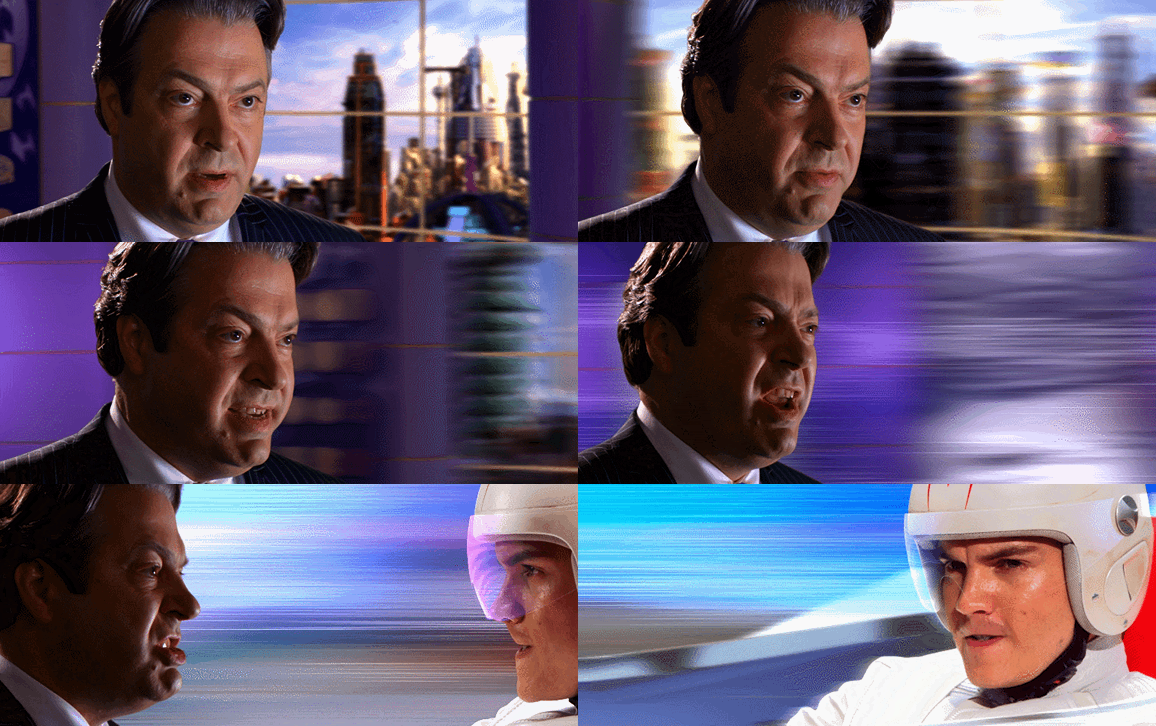
Speed refuses the offer and Royalton reveals his true colors, turning into the ugly and instantly recognizable corporate monster that will stop at nothing to squash the competition.
Royalton is every executive who asks a filmmaker for more sequels, and the Wachowskis are all too familiar with these corporate monsters… after The Matrix became a cultural phenomenon, the studio pushed them to turn their film into a franchise, getting as much money as possible out of this deeply personal IP.
The only way Speed can fight back is by driving his car, that’s an analog for the Wachowskis staying true to their values and doing their own thing, whether it’s making Speed Racer an avant-garde blockbuster for kids, Cloud Atlas, Jupiter Ascending, or the magnificent middle finger that was The Matrix Resurrections.
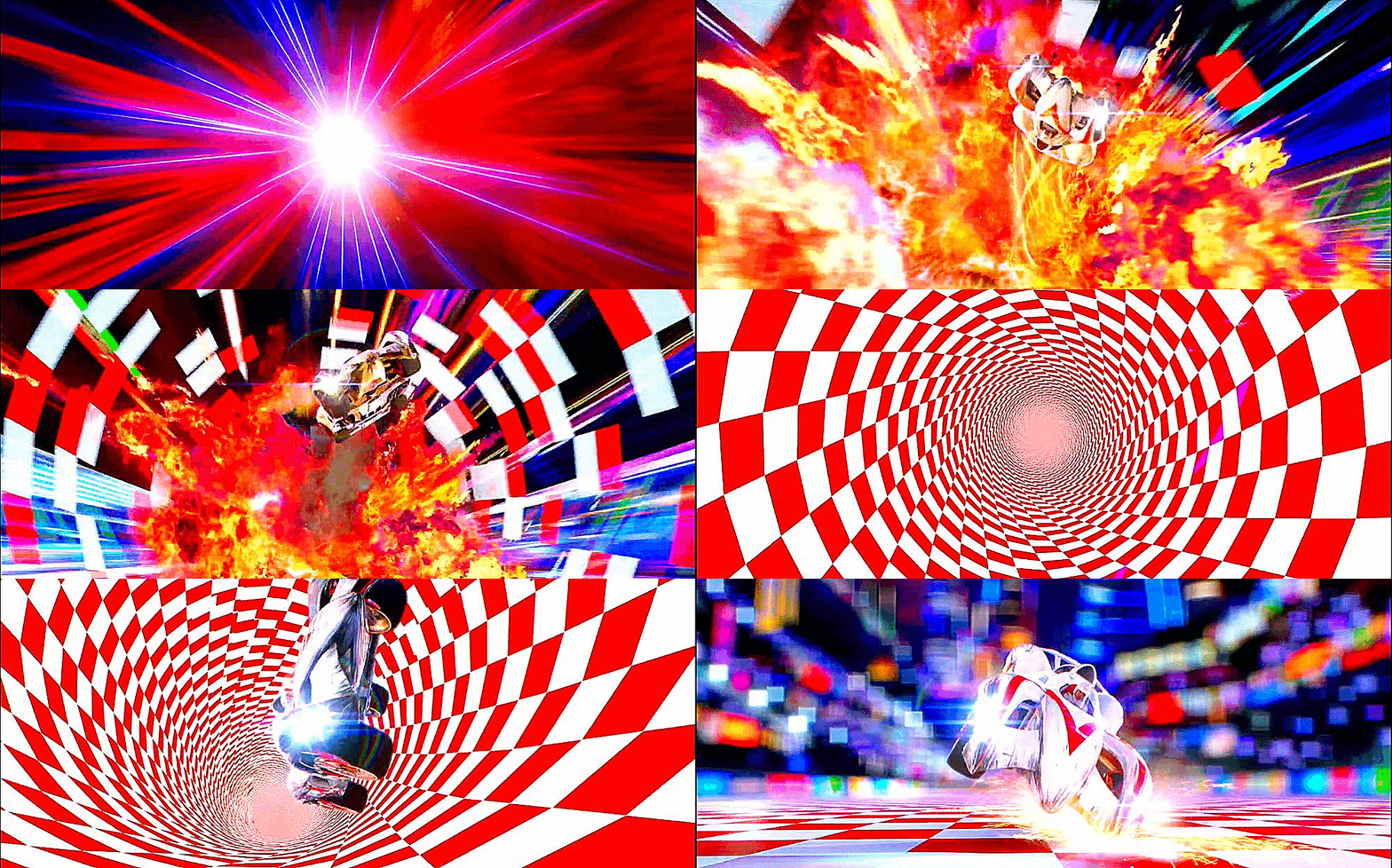
The Grand Prix finale is where all these arcs resolve: Speed’s passion, Rex’s legacy, corporate corruption exposed and demolished. When Speed crosses the finish line and the checkered flag ripples across the screen in a burst of color, it’s not just the race ending, it’s every theme the film has been building paying off simultaneously. Our crowd lost its mind. That’s what real catharsis feels like.
Trojan Horse
Now step back and think about what the Wachowskis actually pulled off. Warner Bros. brought them in to make a family film based on a beloved anime property: nostalgic IP, a known entity, a built-in excuse to play it safe. The studio wanted mainstream appeal and the sisters used that cover to smuggle in one of the most audacious studio films of all-time.
The genius is that every wild choice they made is still faithful to the source. Of course it’s this colorful, it’s based on a cartoon! Of course the editing is strange, it’s based on a cartoon! Of course you got Looney Tunes logic action, it’s based on a cartoon!
The Wachowskis believed kids would receive radical experimentalism more openly than adults hardened by convention. And so they used a PG-rated family tentpole as the vessel for something different… it takes a specific kind of artistic nerve to take advantage of a summer blockbuster to shock the entire system.
It’s almost poetic that the film flopped… don’t get me wrong, there is a world where this is the #1 movie of 2008 and we all live in utopia now, but Warner Bros losing money on Speed Racer while the Wachowskis got to stick to their vision? That’s the Trojan horse completing its mission.
The Future Arrives Before We Do
Speed Racer was a flop with critics and audiences. Maybe it’s because the film looked like a pinball machine, maybe it was too childish. The real issue might have been sandwiching the release between Iron Man and The Dark Knight… that summer set the tone for the next decade of cinema and audiences just weren’t ready for Speed Racer’s sincerity.
Art that breaks form is always disorienting before it is celebrated, because audiences needs time to learn the new language. That’s not a failure of the film, the Wachowskis were just ahead of their time once again.
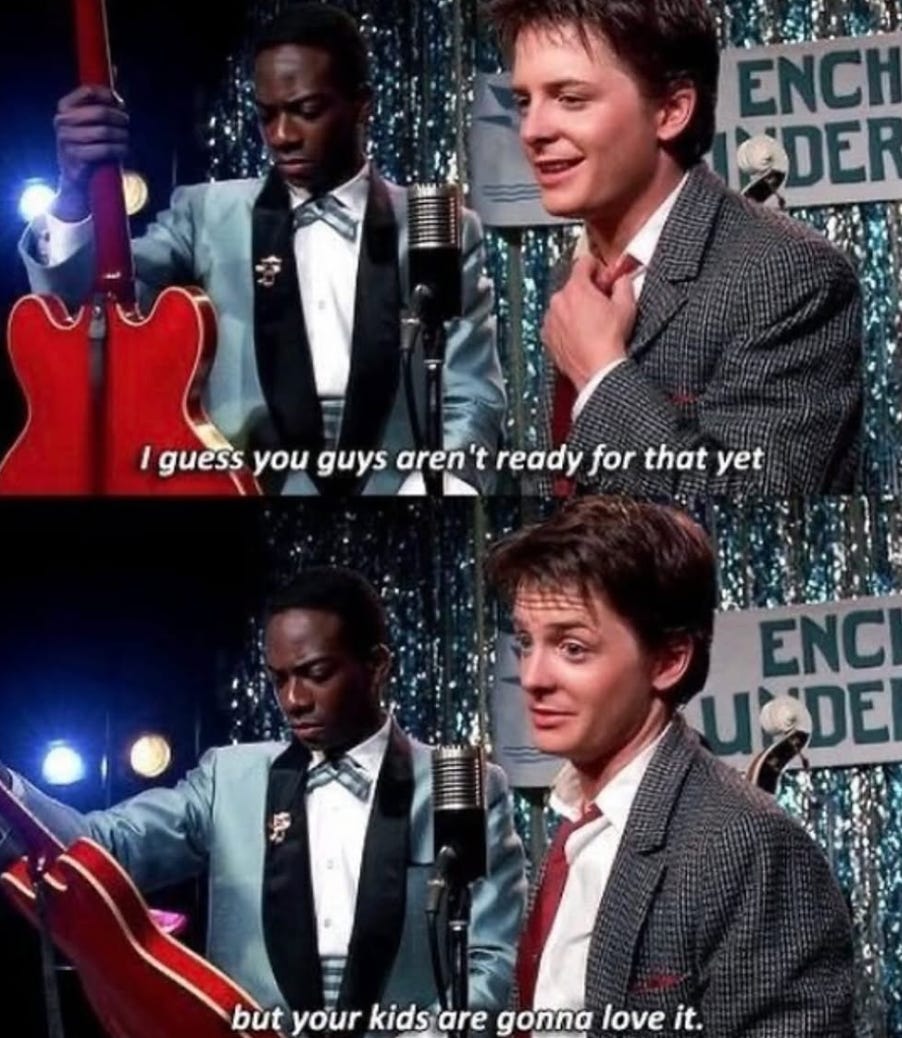
Eighteen years later, the reassessment is complete and we got IMAX screenings selling out on a Monday night. Speed Racer has aged better than most movies precisely because it was never trying to be of its time. Even in 2026 it looks like a movie from the future. It’s one of the very few films of this century with no comparison (looking at you Mad Max: Fury Road), there was nothing like it before 2008 and there’s been nothing like it since.
The film endures because it was made by two people who understood, in the most personal way possible, what it means to do the thing you love regardless of what the corporation wants or what people expect. That’s what great art does. It can only be made by people who needed to make it, and Speed Racer could only have been made by the Wachowskis.
Thanks for reading! As always, Deleted Scenes is a 100% free publication. You can support me by subscribing or sharing this article.
Comments
Nothing yet. Say the first thing.
Sign in to join the conversation.