
You are a senior developer with decades of experience. Depending on how plugged in you are to the latest AI developments, a year ago or a few months ago you thought you were one of only a few people who could write a 20K lines of code complex system, launch it, and keep it running. You studied various technical manuals and knew useful trivia useless outside your field, and you did this for years.
Guess what. The AI models have also read those books, and can pull them into their context as needed. They are also actively out-reading you. They can generate code very quickly, creating large systems in a way that you didn’t.
Sure, they make a lot of mistakes, and vibe-coding an unstructured 20K LOC is a Very Bad Idea. They need to be guided and taught, and you need to serve as the architect and product manager to keep it on track to meet implicit and explicit requirements. There are times when it will act just like a junior developer, and all your skills in mentorship will pay off. There are times it will generate very slow code, and your years of experience tuning will be very valuable. In many ways these coding tools are serve as a mech suit for someone like you.

While many of your skills carry forward, there are some that don’t, and only one that really matters. Attitude. Because although they are a mech suit for you, they are also a tool for non-programmers.
Your whole life you have been told and it has been reinforced that software engineering is a high art and a difficult science that you are therefore very special. Some of us having taken this to heart more than others. But we have all been treated with special handling by product managers, QA staff, and other members of our team because Only We Can Change the Code.
And now that isn’t quite true anymore, is it?
Much like doctors are taught within a culture where they are viewed all very powerful, better even, than their coworkers, programming has the same sin.
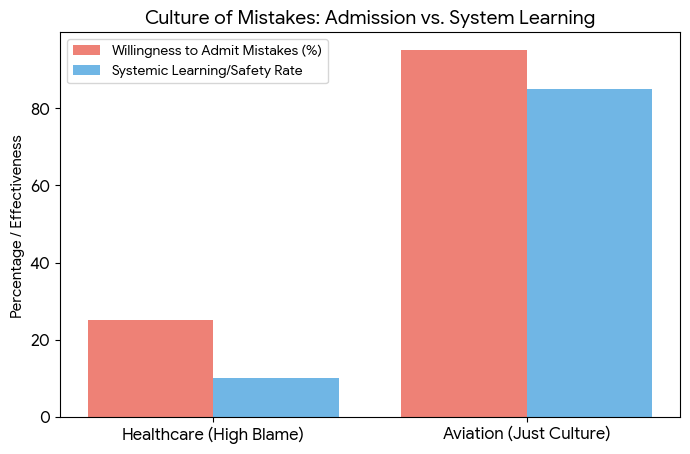
The I’m-special attitude is dangerous, professionally and personally. These tools should enable product managers to build clickable prototypes quickly and easily, and help QA analyze the code looking for bugs in a new way. We can’t be gatekeepers of this, we need to instead help them turn these efforts into what we always do - shippable, supportable high-quality systems. Without the attitude.
Comments
Nothing yet. Say the first thing.
Sign in to join the conversation.