
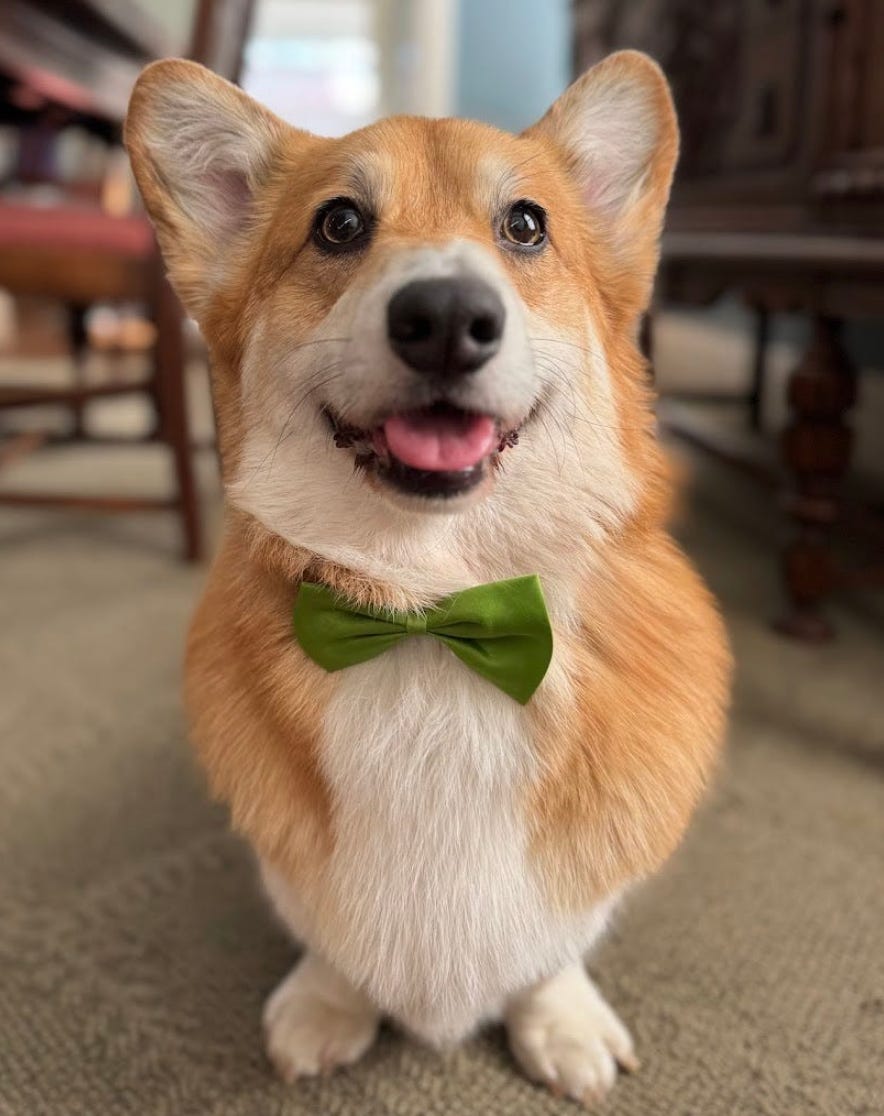
Please welcome talented author, LindaKSienkiewicz, owner of the darling Cowboy (scroll down), and our expert this week on author book fairs.
Ever been to one? Here’s your primer!
You might sign up for an author fair hoping to sell a few books, but you’ll likely leave with much more than that. Planning for these events, though, can be confusing and exhausting if you’ve never participated in one before.
I’d like to share what I’ve learned about why they matter, what they really cost, and how to sell your books without feeling like a used car salesperson—even if you’re an introvert (like most authors, honestly).
💥 Big thanks to my sponsor, Booklinker (always free), plus GeniusLink, a paid tool I genuinely use and recommend (affiliate link). Love both 💥
After more than ten years of book events and even earlier days spent selling my handcrafted purses at craft shows, I’ve learned a few things about how people browse, connect, and decide what to take home with them.
Make real connections
Meeting and chatting with readers face-to-face can lead to new readers, future events, and unexpected opportunities.Grow your email list
Invite visitors to sign up for your newsletter. Consider offering a small giveaway, such as a gift card emailed to one lucky subscriber.Support the literary community
These events celebrate reading, promote literacy, and shine a light on local authors. It’s hard not to feel energized being in that space.Help you refine your pitch
Author fairs are the perfect place to practice your 30-second “what’s my book about?” pitch until it feels natural and compelling.Learn from other authors
Share business cards, compare notes, and look for ways to support each other, such as guest posts, blog features, or future collaborations.Find your people
Ask other authors where they’ve presented and what’s worked for them. This is insider knowledge you won’t find online.
Before you sign up for an event, it’s worth taking a closer look at what author fairs actually cost—because the table fee is only part of the story.
Most authors focus on the number, say $35, $75, maybe $100, and think that’s their investment. The real cost of an author fair is everything wrapped around that one day.
Here’s what you’re actually paying for:
· Space fee
I aim to stay under $100. Less is better. Free is ideal. Libraries and book stores are typically low-cost. I usually avoid two-day affairs. Consider splitting a table with an author friend—but check with the venue first. Be aware that some venues do not include the table and chairs.
· Books
Whether you’ve ordered author copies or paid for print runs, that’s an upfront investment. Every book on that table represents money spent before you make a sale.
· Display Materials
Tablecloth, signs, bookmarks, QR codes, a simple shelf unit or easels to give height, and maybe a banner if you’re feeling ambitious. It adds up, and you’ll likely keep tweaking it over time.
· Travel
Gas, parking, and for further events, possibly a hotel.
· Food and Coffee
You’re there for hours. You will need sustenance. Pack a lunch, a chilled can of coffee, and a bottle of water.
· Time
This is the big one people underestimate. A full day (or two) away from writing, marketing, or just living your life has value. Don’t pretend it doesn’t.
Once you sign up for an event, a few details can trip you up if you’re not prepared. These are the things I’ve learned, some the hard way.
· Know your sales tax situation
Figure this out before the event. You can set your prices however you like. I build the tax into the cost of the books so I can tell shoppers, “tax included.”
· Track everything
Keep records of sales, expenses, inventory, and travel time. It makes tax time much less painful.
· Plan your payment methods
Cash is great, but digital payments are essential. PayPal can be used on a cell phone now with tap-to-pay, but keep in mind that some platforms take a percentage. Venmo can be a simpler option. Some sellers design a Scan-to-Pay card with QR codes.
· Bring printed materials
Business cards, rack cards, or small flyers matter, especially for e-reader fans who may not buy on the spot. Have something with a QR code or website address so they can find you later (Canva has a free option here).
· Prepare for the elements
If your event is outdoors, think beyond books. Wind is real. I once packed rocks to keep things from blowing away. It worked. (I always bring packing tape, markers, and paper, too.)
· Draw people to your table
A bowl of candy or a few stickers can invite people to pause, making your space feel approachable. I’ve even considered bringing my corgi, Cowboy—but he’d steal all the attention.
Once you’ve decided an event is worth your time and money, the next challenge is making the most of it without feeling pushy.
Author fairs can feel a bit like speed dating for books. Someone pauses at your table, you have a few seconds to connect, and then—poof—they’re gone.
Your instinct might be to say everything, explain everything, sell everything. But the better approach is usually the opposite.
There’s no official rulebook for author fairs, but there probably should be, especially when it comes to how we approach readers. A thoughtful interaction can spark genuine interest. Trying too hard can send someone walking.
The good news? It’s not complicated—even for shy authors.
Start with a simple question.
If someone pauses near your table, don’t assume they’re your reader. Try a low-pressure opener: “Do you enjoy reading?” or “Are you a book person?”Let them lead the genre conversation.
If your book isn’t their usual genre, resist the urge to convert them on the spot. You can invite curiosity with, “Some readers enjoy it as a change of pace,” or suggest a signed book as a gift. Then let it go.Keep your pitch to one sentence.
This is not the time for your origin story, themes, or your publishing journey. One clean, compelling line is enough. Then pause. Silence is your friend.Watch their body language.
Interest looks like leaning in, asking questions, or reaching for the book. Disinterest can look like darting eyes, a stiff posture, or polite nodding. Respect both.Put the book in their hands—literally.
Placing a display copy in someone’s hands can be powerful. Keep pristine copies for purchase separate. I tie ribbons around mine, so they look like gifts.Stay at your own table.
Roaming the venue to pitch your book while people browse is distracting and unfair to other authors. Your table is your space—trust readers to come to you.Never interrupt another author’s interaction with a shopper.
This isn’t a competition. Interrupting a conversation is a fast way to lose goodwill.Know when to let go.
Let the reader escape gracefully. A warm “Thanks for stopping. Enjoy the fair” leaves a far better impression than just one more sentence.
Selling books in person is as much about awareness as it is about enthusiasm. Be approachable, be respectful, and remember, readers don’t owe us their attention—we earn it.
I hope to see you at the next local author fair: relaxed, present, and actually enjoying yourself. 📚
LindaKSienkiewicz is the author of an award-winning novel, five poetry chapbooks, and a children’s picture book. She holds an M.F.A. in Creative Writing and serves as Honorary Director of Detroit Working Writers.
This is Cowboy, who wins the Internet.
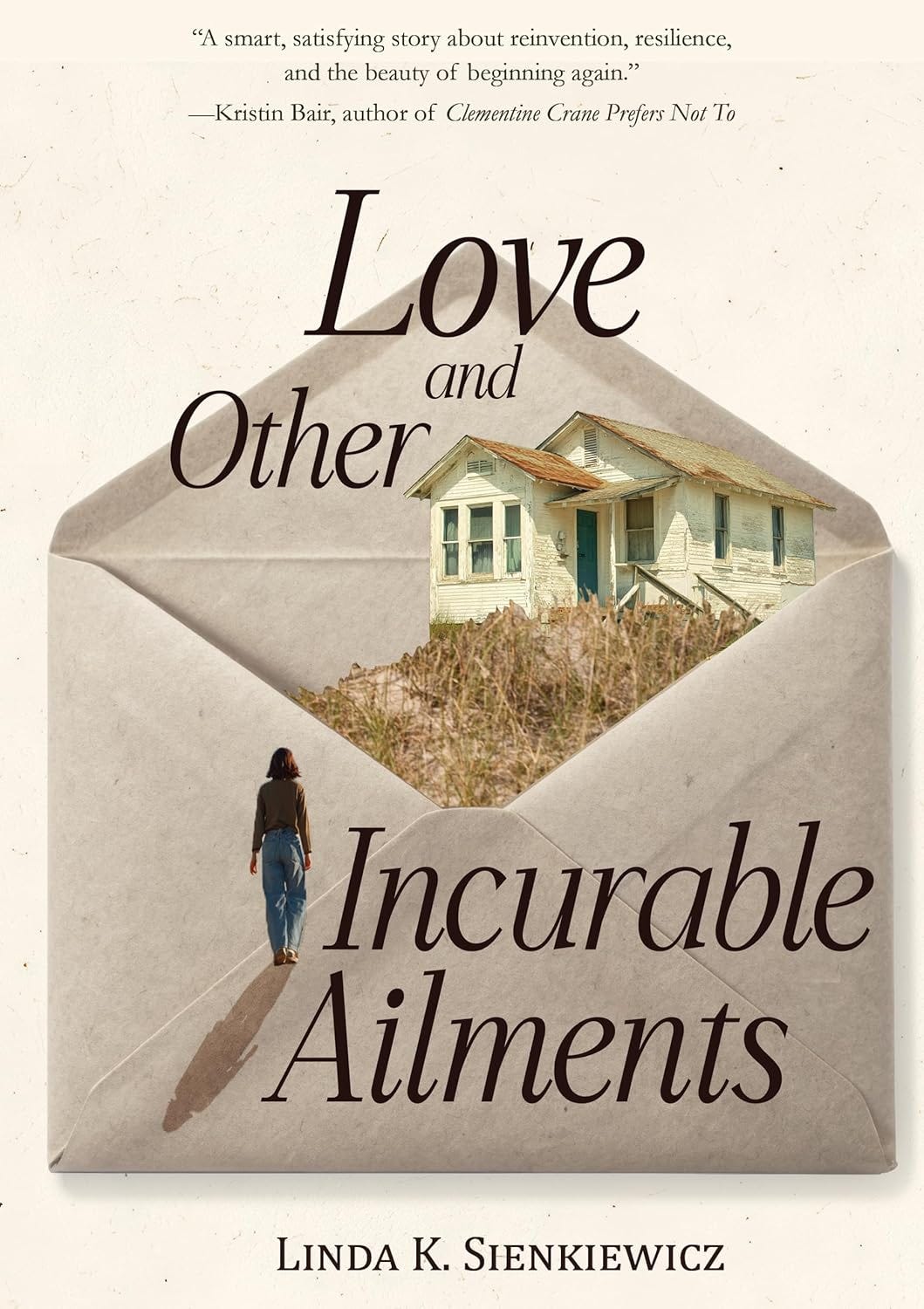
A veteran of author fairs, Linda has spent years observing how people browse, connect, and choose what to take home. Love and Other Incurable Ailments is her forthcoming novel, a story about unlikely friendships, second chances, and finding your way when life doesn’t go as planned.
If you’re figuring out Substack as you go (aren’t we all), you might like my free section, Substack Tips. I share what’s working, what’s not, and little tips I wish someone had told me sooner.
If these posts save you even one frustrating afternoon, please toss a coin in the BadRedhead Media tip jar. Completely optional, any amount welcome and appreciated. Genuinely appreciated. 🙏
Thanks for reading and being part of this little corner of the writing world. I’m really glad you’re here.
Comments
Nothing yet. Say the first thing.
Sign in to join the conversation.