
By Erin Sikorsky and Caroline Baxter
It will take the world a long time to recover from the energy crisis precipitated by the US-Israel war with Iran and the closure of the Strait of Hormuz. With the standoff having reached the dubious milestone of 100 days, the importance of national energy security has been never more evident. Remarkably, we have seen a global chorus of political leaders - who don’t agree often - have nevertheless been making the shared case for clean energy as a matter of national security.
From Paris to Jakarta, from Seoul to Warsaw, heads of state and senior officials have spoken with unusual clarity about the strategic vulnerability that fossil fuel dependence creates. The words are striking. The actions that follow must be more so.
Time to walk the talk
French President Macron noted that every step toward energy transition is a step away from volatile outside suppliers. EU Commission President von der Leyen warned that abandoning the clean energy transition to return to Russian fossil fuels would be “a strategic blunder.” Korea’s President Lee argued that this moment is an opportunity for a swift and extensive transition to renewable energy.
Polish Prime Minister Tusk — representing a country long skeptical of rapid decarbonization — said that the Iran crisis “clearly demonstrates how dangerous dependence on external energy supplies can be,” and declared renewables “the most sovereign energy source for Poland.”
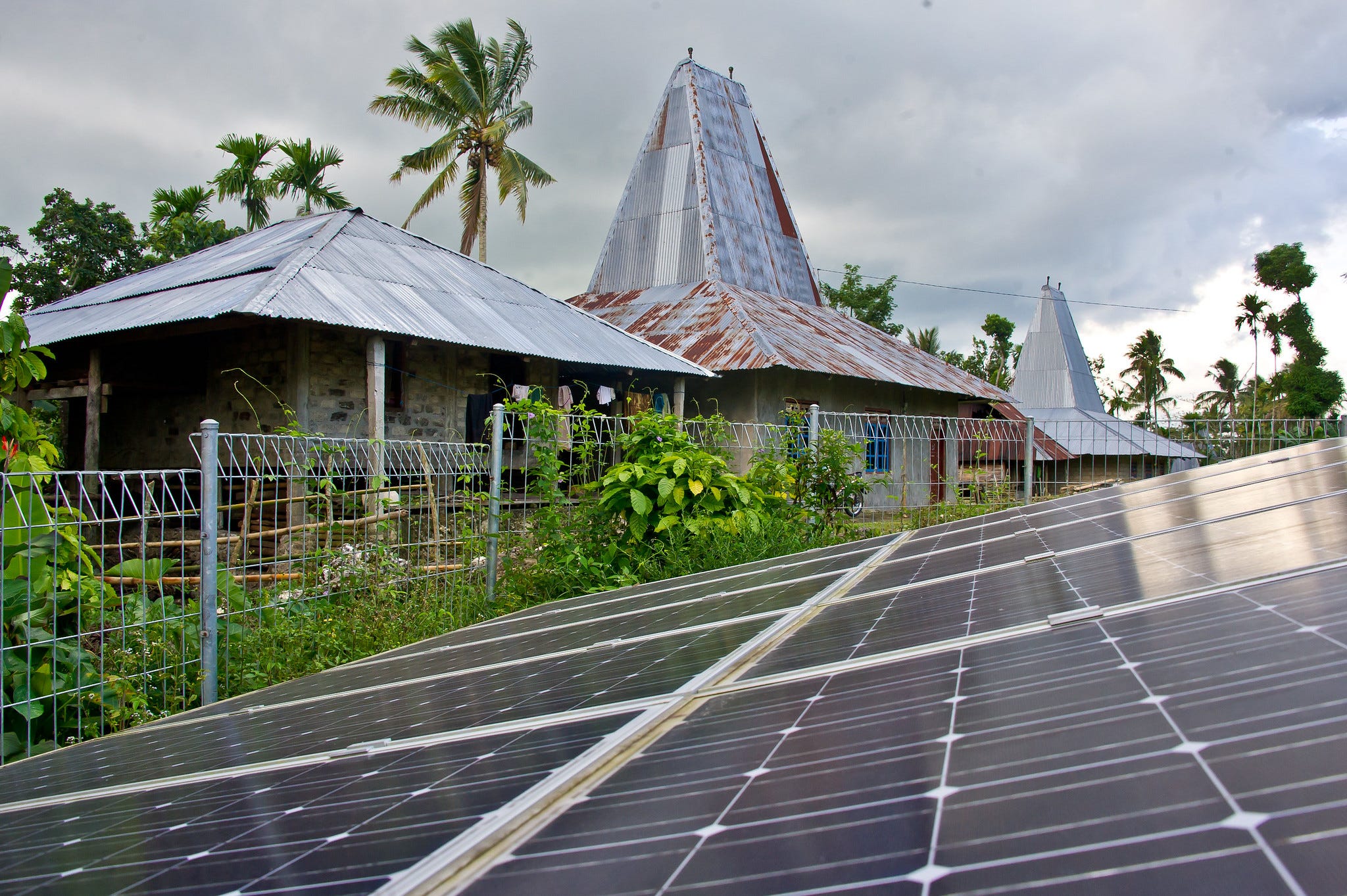
Indonesian President Prabowo described a new solar project as a “strategic step to accelerate Indonesia’s energy transition and reduce reliance on imported fossil fuels while strengthening national energy security.”
These are not climate activists. These are heads of governments and senior officials responding to a geopolitical shock in the language of realpolitik. That matters.
It means the political preconditions for serious action may finally be aligned, even as the US Administration continues to try and obstruct renewable energy.
The world can’t afford a repeat of 2022 response
Of course, we have heard similar statements before. After Russia invaded Ukraine in 2022, European leaders pledged to accelerate their energy transitions. Some even followed through, but many also scrambled to lock in new long-term contracts for liquefied natural gas, expanded fossil fuel infrastructure, and quietly extended the lives of coal plants. The urgency faded. The structural dependencies remained.
The test now is whether this moment produces durable policy rather than durable rhetoric.
That means concrete steps: accelerated permitting for renewable projects, binding targets with enforcement mechanisms, investment in grid infrastructure and storage, strategic stockpiling of critical minerals and agreements on mineral refining, and real coordination among allies on energy supply chains. These leaders’ statements must be followed through on, rather than being treated as communiqués to be filed and forgotten.
Some of the biggest opportunities–and urgent needs–for action are in Asia. The region is heavily dependent on oil and gas that transits through the Strait of Hormuz. Closure of the Strait effectively denies almost 100% of Japan’s oil imports, while other nations, like Vietnam, have only a few weeks of oil stockpiled. This crisis should supercharge the transition to renewable energy in these countries – but that will require sustained commitment and vision from leaders in the region.
Earlier this year, President Lee of South Korea reshuffled his cabinet to transfer energy policy to a new Ministry of Climate, Energy, and Environment (MCEE). His government has been forward-leaning on renewables and should take this opportunity to double down on investments in wind, hydro, and solar power as security imperatives. Meanwhile, Japan’s leaders have not publicly made the case for clean energy investments in light of the Iran war, and have lifted restrictions on coal-fired power plants through next April to manage prices in the short term.
A more security-minded path would ensure such a measure is accompanied by a robust and aggressive renewables investment plan so that the return to coal – the dirtiest and most destructive fossil fuel there is – is as short-lived as possible.
A national security imperative
The security case for this transition extends well beyond securing future energy supplies.
Burning fewer fossil fuels means slowing the pace of climate change that, for the first time, displaced all other threats in the eyes of many in the region. Slowing the pace of climate change will also reduce the frequency and severity of the extreme weather events that destroy harvests, displace populations, and overwhelm governments.
Food and water insecurity are already among the leading drivers of political instability and conflict; a world of intensifying droughts, floods, and heat stress will produce more of both. More rapidly scaling up renewable energy infrastructure is a no-regrets investment that builds resilience across the range of future shocks governments will face.
History suggests that energy shocks produce short bursts of political will followed by backsliding once prices stabilize. The window between crisis and complacency is narrow. Governments that treat this moment as an opportunity to rewire their energy systems, rather than simply weather the storm, will emerge more resilient, more sovereign, and better positioned for the next shock, which will come.
The leaders have been making the right speeches. Now they need to govern like they mean it.
Erin Sikorsky is Director of the Center for Climate and Security (CCS), and the International Military Council on Climate and Security (IMCCS). Previously, Erin served as Deputy Director of the Strategic Futures Group on the National Intelligence Council (NIC) in the United States. You can follow her on Substack here.
Caroline Baxter is the Director of the Converging Risks Lab at the Council on Strategic Risks. From 2021 to 2024, she served as Deputy Assistant Secretary of Defense for Force Education and Training within the Office of the Secretary of Defense.
No posts
Comments
Nothing yet. Say the first thing.
Sign in to join the conversation.