
A goddess worked herself to death for this holiday, and we have turned her funeral into a mood board.
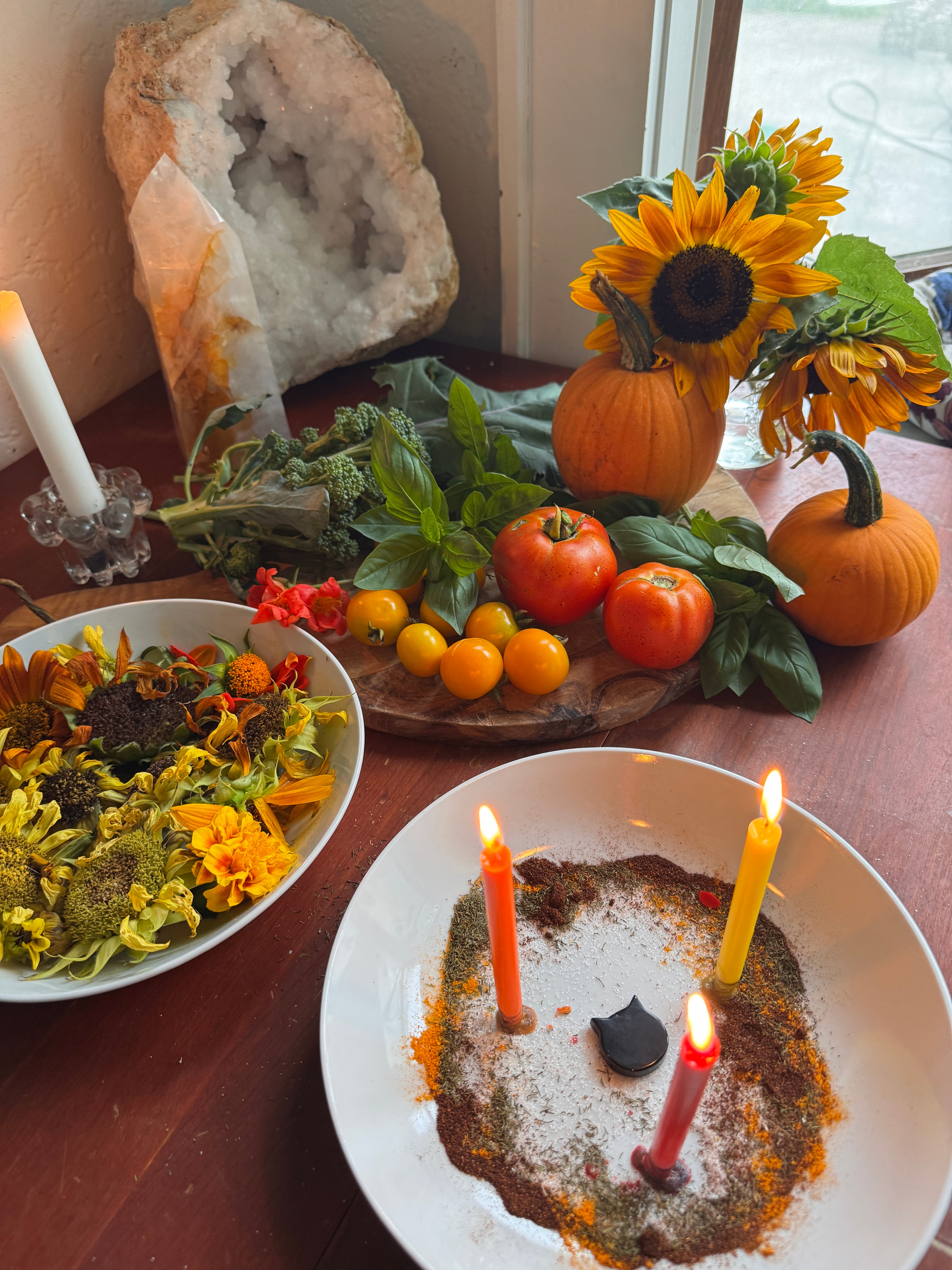
Wheat sheaves and sunflowers strung across a mantel. A grid post the color of honey: Happy Lammas, witches! A curated altar photo (bread, berries, a candle the shade of a wheat field) with a caption listing the day’s colors and crystals and herbs, and not one sentence of history. The aesthetic is gorgeous. I understand the pull of it. Late summer is golden; the light really does turn thick and sweet, and the urge to mark it is ancient and good.
But if you are posting “Happy Lammas” for a holiday whose story you cannot tell, you are wearing that holiday like a costume. And it is no different from lifting any other culture’s traditions because you like their vibe, taking the sacred day of a colonized people for its aesthetic and leaving the people, the history, and the meaning behind. We have a name for that everywhere else it happens. It doesn’t stop applying just because the culture is European.
And August 1st is exactly that kind of holiday. Underneath all the decor, it’s a funeral feast. Most of the people posting about it have never heard the story, and the name they are using isn’t even the festival’s own. “Lammas” is a Christian name, born in the churches of medieval England, and how it ended up stamped onto an Irish festival is a story of its own.
The festival’s name is Lughnasadh (in modern Irish, Lúnasa), pronounced LOO-nah-sah. It is one of the four great Celtic fire festivals, and it is named for Lugh, the god the Irish called the Samildánach, the Many-Skilled One: master of every art from smithcraft to poetry to strategy, the figure who talked his way into the court of Tara by being the only man alive who held every skill at once.
But here is what I never hear anyone share: Lugh did not found the festival for himself.
He founded it for his foster-mother.
Her name was Tailtiu. She was a queen of the Fir Bolg, the older people of Ireland, and when the Tuatha Dé Danann took the land she did not war with them. She made peace, and she raised their brightest son as her own. Her final act was to clear the great primeval forest of Breg so that the land could be farmed: felling ancient trees, burning brush, pulling stumps, breaking soil, until a wilderness had become a plain that could feed a people. The story goes that when the work was finished, her heart broke from the strain and she died of pure exhaustion. The land’s own body, spent so her children could eat.
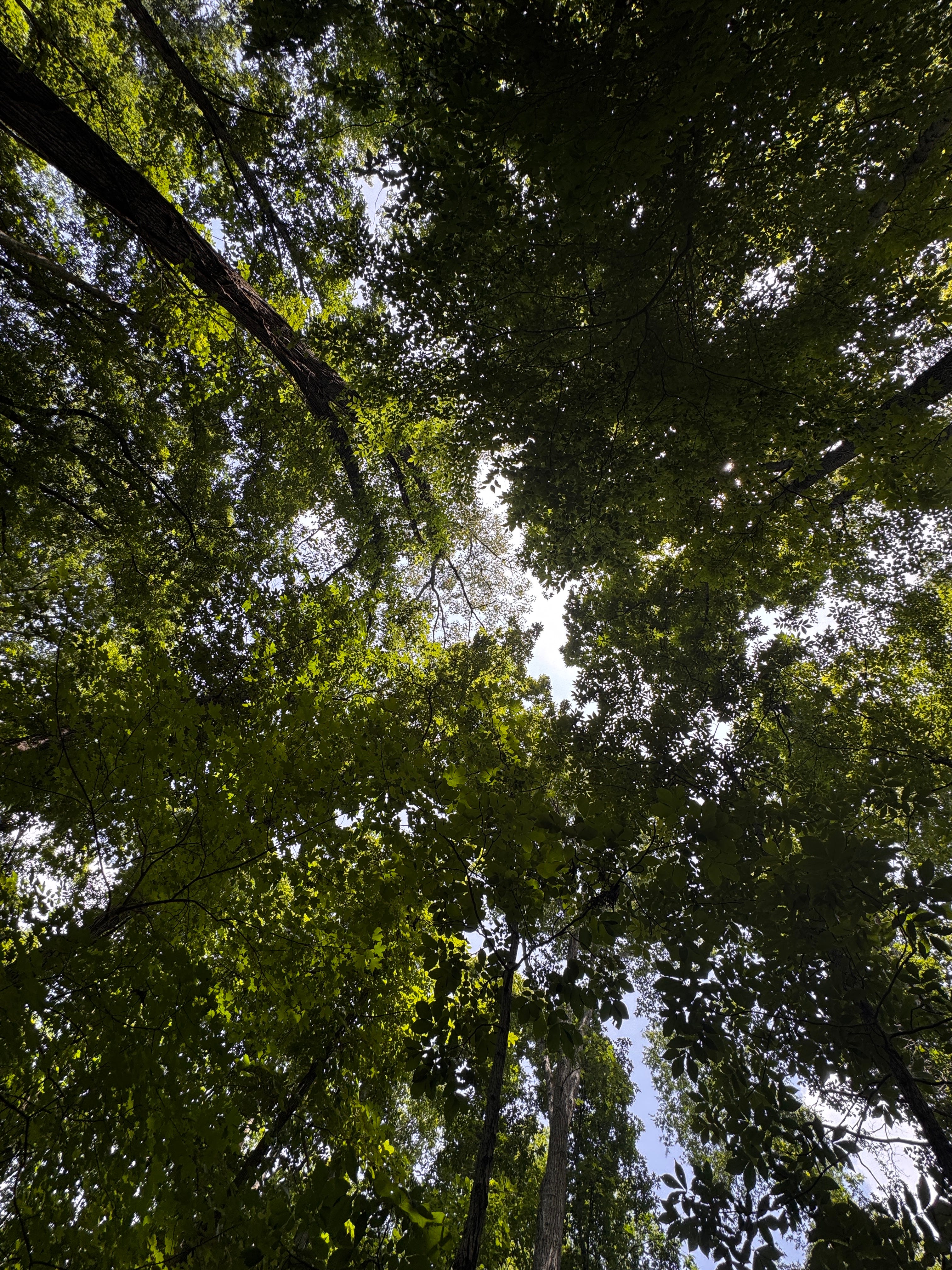
I grieve that forest. I will always wish the ancient trees had been left standing, and I don’t think we’re meant to read the clearing as a simple triumph. Even the story won’t let us: the clearing costs Tailtiu her life. This is the truth at the center of the agriculture story, the one our ancestors were wise enough to build a whole festival around: every field was once something wilder. Abundance is always paid for. The grain, the bread, the golden light, all of it stands on a real and staggering cost, tragedy and plenty braided together so tightly you cannot honor one without the other. This was never just a fun day to play games and put up sunflowers, and we shouldn’t celebrate it like it was.
On her deathbed she asked Lugh for one thing: a festival in her honor, every year, at the time of the first harvest.
He gave her that and more. The Óenach Tailten, the Assembly of Tailtiu, was a funeral feast celebrated with ferocious, joyful life: horse races and feats of strength, contests for poets and harpists and goldsmiths, laws proclaimed, treaties made, marriages contracted. It was held at Teltown, in County Meath.. It was held for centuries, well into the Christian era.
That is what August 1st is. A dead goddess. A grieving son. A people who answered the sacrifice of the land by becoming their most skilled, most generous, most alive selves, and then sharing all of it.
“Lammas” comes from the Old English hlaf-mæsse, the “loaf-mass.” On August 1st in Christian England, farmers carried the first loaf baked from the new wheat to the church, where the priest blessed it. It gets told as a charming folk custom. Look closer at what the rite actually did. The oldest human instinct at harvest, giving the first and best of the bounty back to the land and the spirits that grew it, was redirected to the church’s altar. That was the strategy across Europe: don’t stamp out the old ways, absorb them, rename them, and fold them into the church’s own services.
So understand what you are actually saying when you say it. “Lammas” was never a pagan word. It is the church’s brand pressed over an older devotion, made by the same Christianizing force that, hand in hand with the English crown, would spend centuries colonizing Ireland, suppressing its language, and driving its old ways underground.
And then modern paganism continued that narrative. The early Wiccan writers used “Lammas,” a thousand books and blogs copied them, and it became the default name for the August festival. The church rite and the Celtic festival were blurred into a single interchangeable holiday, and the name that stuck was the Christian one. Lughnasadh, when it appears at all, gets listed as an alias, a pronunciation challenge, a “also known as.”
Sit with what that means. An Irish festival, named for an Irish god, carrying an Irish story, rooted in an actual field in County Meath, is now most commonly called by the name of a Christian church rite.
Ireland spent centuries under English colonization: centuries in which the Irish language was suppressed and shamed toward extinction, in which Irish place names were anglicized on the map, in which the culture that carried Lughnasadh survived through the sheer tenacity of rural people who refused to let it go.
This is not abstract history to me. My ancestors are Irish. They survived the Great Hunger, when a million people starved while ships full of Irish food sailed for England, and they survived so much more that was done to try and destroy the Irish: the outlawed language, the stolen land, the emptied villages. When I say these traditions were kept alive by people who refused to let go, I am talking about my own blood.
Names are not neutral. Ask anyone whose name has been steamrolled into something easier for someone else to say. Calling Lughnasadh “Lammas” because it’s less effort is not a synonym choice. It is the last, easiest step of an erasure that other people spent centuries resisting.
The festival has a name, and the name is part of the tradition. Say it. LOO-nah-sah. It takes five seconds to learn, and every time you choose it over the church’s word, you hand something stolen back to the people it was taken from.
Someone is already typing: it’s not that deep, let people enjoy things.
But taking the symbols of a culture (its sacred days, its language, its imagery) while stripping out their context and meaning, and using them for ambiance or engagement, has a name: appropriation. It is most harmful precisely when the source culture was marginalized or colonized by the culture doing the taking. It turns something holy into a costume or a trend, and in doing so it does two injuries at once: it disrespects the source, and it erases the struggle of the people who fought to keep the tradition alive at all.
The aesthetic celebration is not a lighter version of the real one. It is the opposite of the real one, because Lughnasadh is specifically a festival against forgetting. Its entire founding gesture is Lugh saying: you will not enjoy this harvest without remembering what it cost and who it cost. A “Lammas” post that borrows the wheat and the glow while forgetting the woman under the field isn’t a partial observance. It is the precise thing the festival was built to prevent.
These traditions were suppressed, fragmented, driven underground. They reach us because rural folk kept them, scholars pieced them together, revivalists gave their lives’ work to them. Most of us practicing today have no unbroken lineage to these cultures, which means we are guests in these old stories. Guests are welcome. Guests are wanted, even. But a guest who redecorates the house, mispronounces the family’s names, and poses for photos at the funeral is no longer a guest.
Here is what I am not saying. I am not saying you need a degree in Celtic studies to light a candle on August 1st. I am not saying your celebration must be elaborate, or historically flawless, or joyless with rigor. The most powerful practice is the one you actually do, and a single focused moment of true gratitude outweighs a three-hour ceremony performed for the camera.
What I am saying is that depth is not a burden. It is the entire reward.
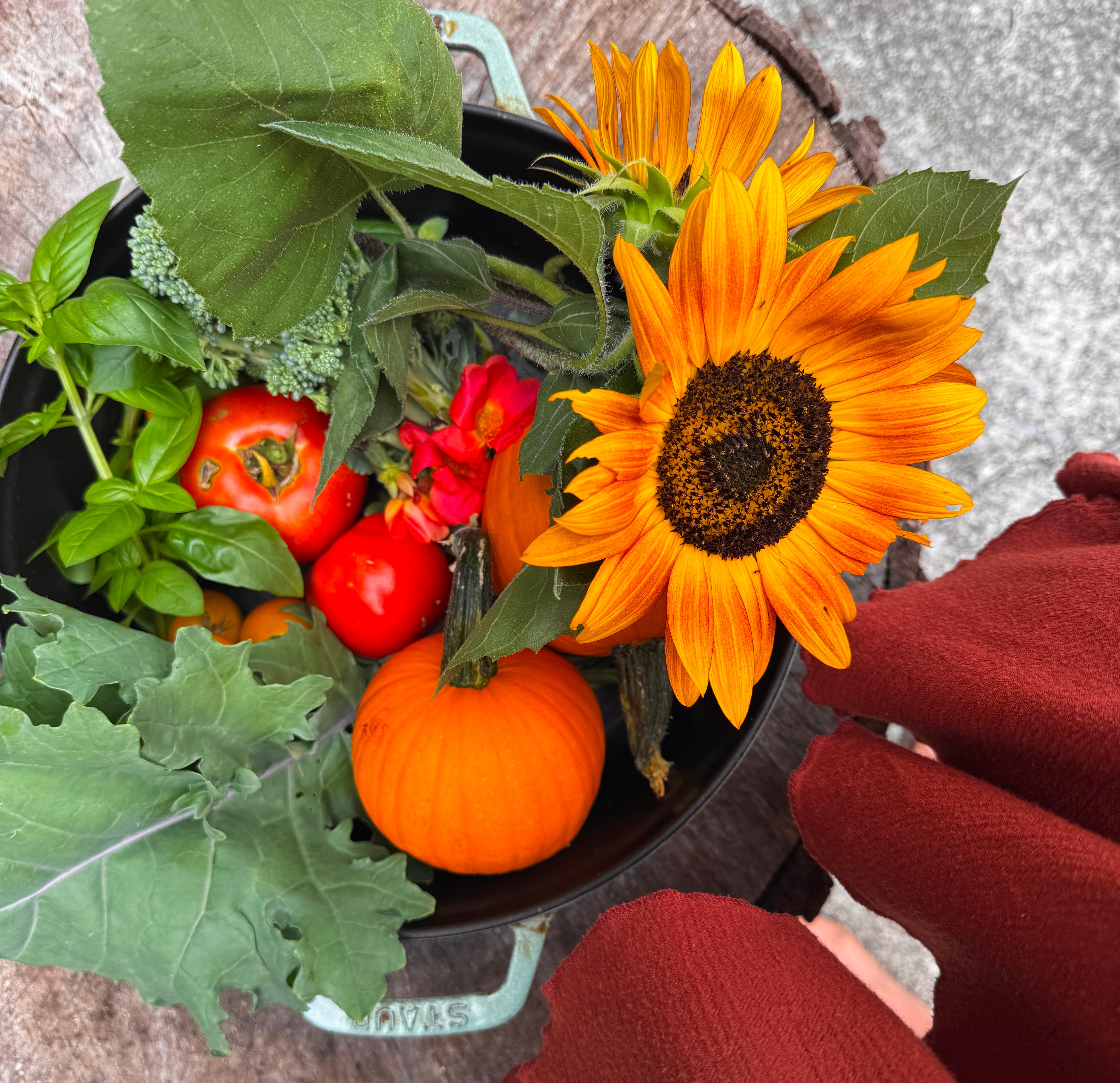
So this year, before you type “Happy Lammas,” try this instead:
Learn the story well enough to tell it. Not recite it, tell it. Tailtiu, the clearing of the plain, the death, the games. Two paragraphs of your attention. That alone puts you ahead of most of what will be posted this week.
Call the festival by its name. Say Lughnasadh, and let people ask you about it. Every “also known as Lammas” is a chance to tell the truth about where that word came from and what it was built to do. Bake the bread, bless the loaf, honor the first fruits; those belong to the harvest, and to you. The church’s name for them can stay in the church.
Honor it in its own key. Lughnasadh is a festival of skill offered in gratitude. So offer yours. Name the harvest you have actually brought in this year (the project finished, the sobriety held, the garden coaxed from a balcony) and share the fruit of a skill with someone: bake for a neighbor, play the song, teach the thing you know. That is the Óenach in miniature.
Root it where you actually live. Learn what the land under your own feet is called, and who called it that first, and who is still here. A festival born from a goddess who was the land does not survive being celebrated by people who know nothing about theirs.
The golden hour is real. The pull you feel toward this season is real, and old, and worth trusting. The wheat and the light and the bread can all stay. All the festival asks, and all it has ever asked since a grieving son first called the games in his mother’s name, is that you remember.
Decorate if you’d like. But make sure you understand the roots behind this festival, and move through it with that grounded understanding.
And if this stirred something in you and you’d like to go deeper, I wrote a book for exactly that. Celebrating Lughnasadh walks you through the whole season: the stories and their roots, the science of the grain, the recipes, the rituals, and ways to celebrate whether you have a full day or ten minutes. I would love for it to help you meet this festival with your whole heart.
Comments
Nothing yet. Say the first thing.
Sign in to join the conversation.