
The last time I was in Mallorca I was 20 years old, on a package holiday with other students. We stayed in Magaluf. I had no idea of its reputation. Don’t google it.
Now I am back, barefoot and pregnant with my second child. I am on a babymoon, which required an adults-only hotel to alleviate the guilt of leaving our two year old at home with the grandparents for a few days.
It turns out that the most stunning property on the island, a little known secret, is, in fact, adults only. It’s a place where if you know, you know. A place many regulars would be annoyed at it being revealed.
That place is Deia and that hotel is Sa Pedrissa.
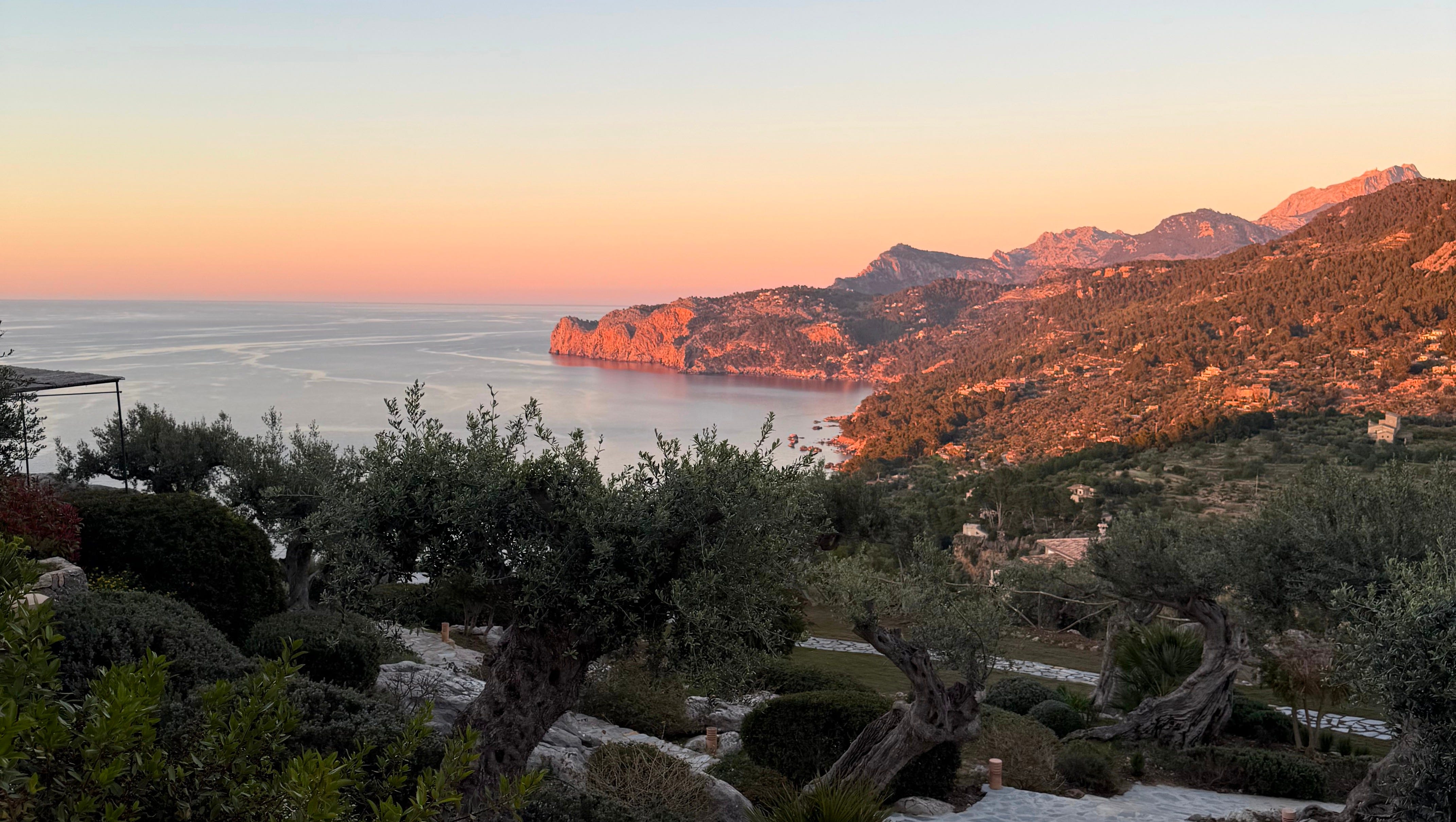
First of all, Deia. It is a fantasy landscape. It’s a place where mountains slope into the sea. You get the calm of the ocean and the drama of the mountains, like a curtain opening on a scene. In April and May, it’s cool overnight and it’s sunny in the day.
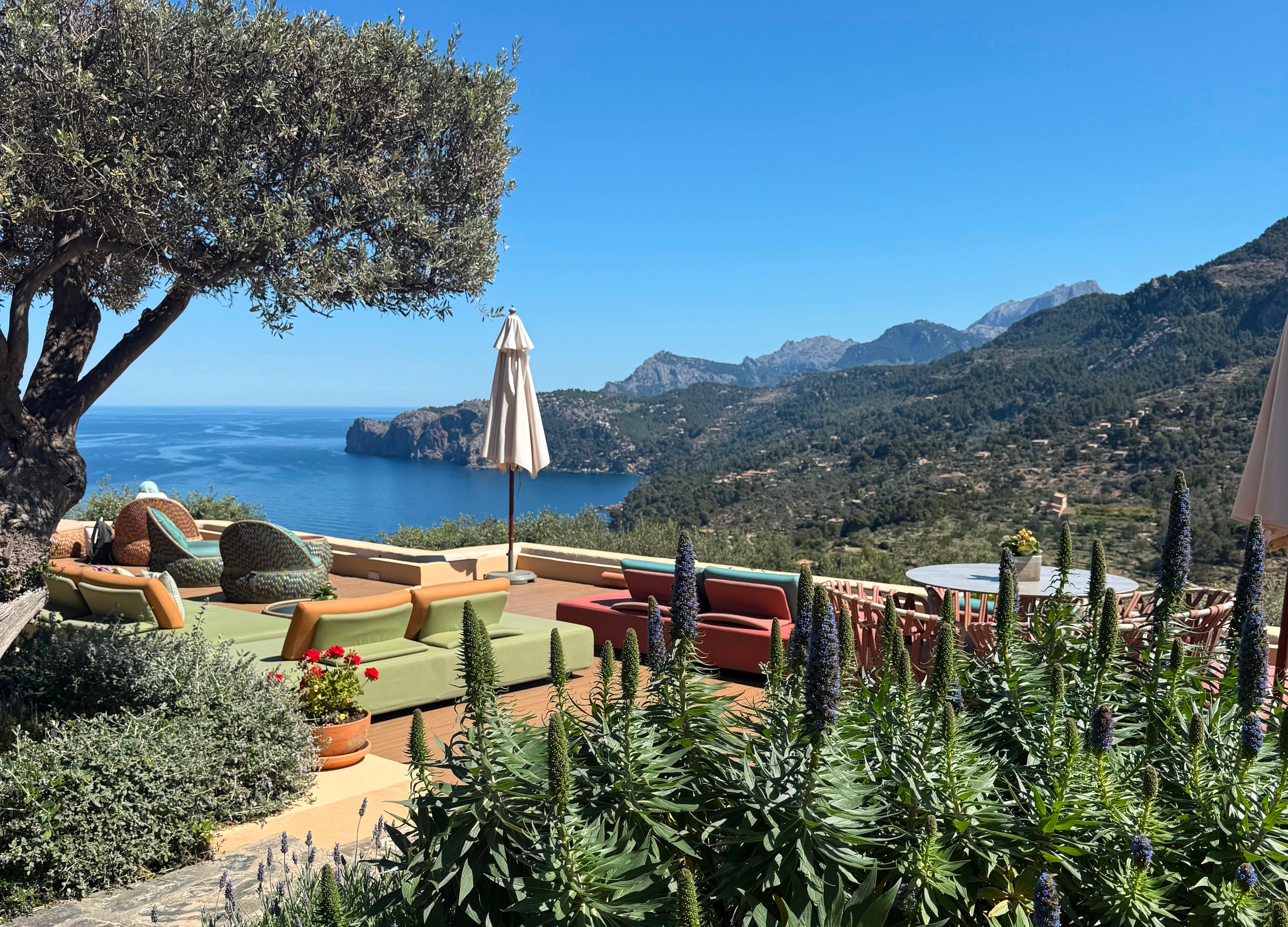
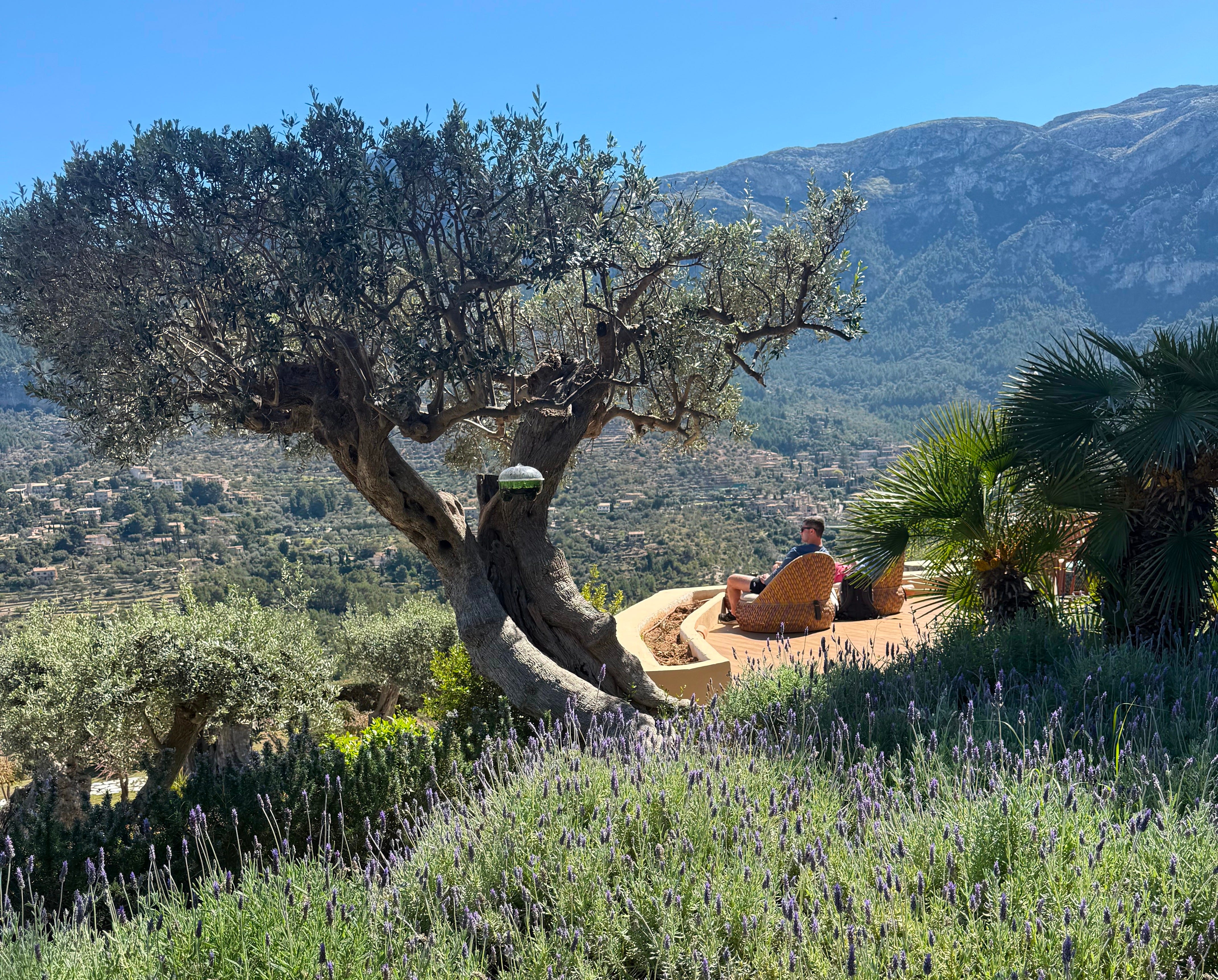
The terrace at Sa Pedrissa runs down to a stone wall and stops, as if the architect had simply nodded at the Mediterranean and conceded defeat. Olive trees, grey-green, are twisted with the patience of four hundred years. There’s a bleating goat somewhere in the scrub.
A babymoon is a sacred time, a sort of pilgrimage. It is the last trip you take before a person you do not yet know changes the rest of your life. It must be slow and deliberate. I walked slowly. I ate with attention. I noticed the small things you only notice when you have nothing to be in a hurry for.
Below is what I would tell you, if you were going.
Stay at Sa Pedrissa. It is a converted seventeenth-century finca a few hairpin turns above the Tramuntana coast, between Valldemossa and Deià. There are only fourteen rooms. None of them are ostentatious. Book any room with a sea view: this is the one piece of advice that admits no flexibility. I recommend the Deluxe Suite Sea View.
The pool is cantilevered out over the cliff, but the real architecture is the absence: nothing between you and the ocean view, no resort, no music, no children’s club. Just an olive grove and some goats.
The breakfast is worth the stay alone. The French Toast - some sort of caramelised crust, spongy custard marvel, must be ordered. The menu is a la carte, starting with pastries, orange juice just squeezed and coffee. The honey is from the bees on the farm. The fruit is mostly local. Order eggs and sides to your heart’s content. Most people take a few hours to sit, watch the sun rise, and feast. No buffet in sight and all the better for it. Everything is prepared fresh and to order. On the first day, ravenous, I am impatient. On the second day, I wonder what’s the rush.
Dinner at Es Pi, Sa Pedrissa. If you want to stay somewhere else, do visit Sa Pedrissa for dinner. Dinner starts with a palate cleanse. Every meal is topped with tiny purple flowers from the garden. We started with seared tuna with asparagus spears and scallops. Main was beef fillet with mountain herbs and cranberry and lobster rice with seaweed and generous chunks of lobster. Dessert was Maua Dark Chocolate with hibiscus. They had the best non-alcoholic rose I have tasted. Beau Viva sparkling rose from Provence. The sommelier has been careful to source this, not just for the sober, but for the drivers, and it shows the attention to detail here.
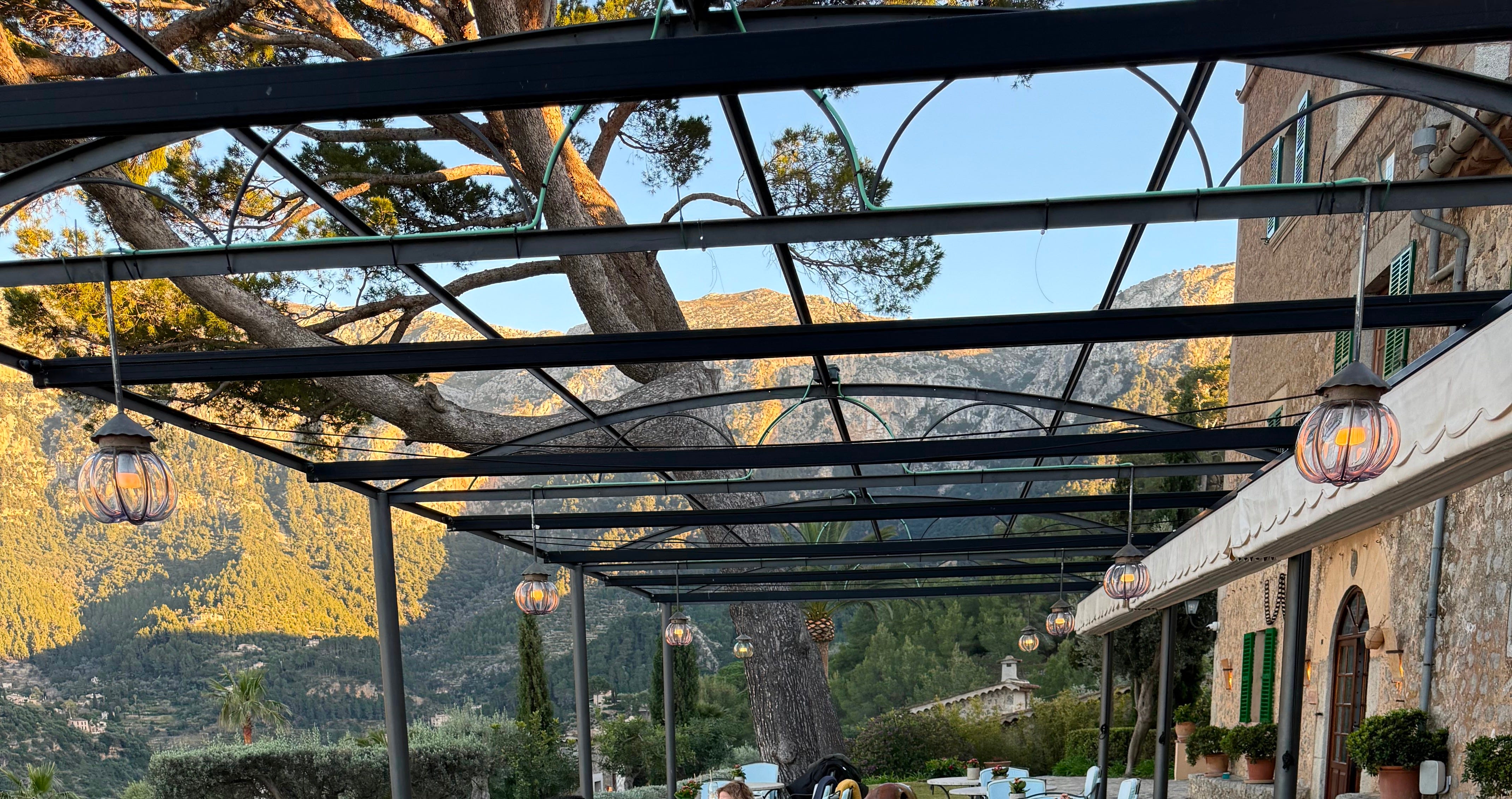
Have a drink at Belmond La Residencia, in Deià. Specifically the Miró bar. The walls hold a ridiculous number of original Miró works, which the hotel has been quietly collecting for forty years, and the effect is what an art gallery would feel like if it forgot to be a museum. We sat at the end of a long afternoon and watched the cats walk over the bougainvillea with one vermouth and one alcohol-free aperitif. Stay for dinner, and have a firepit wheeled over to your table once the sun sets.
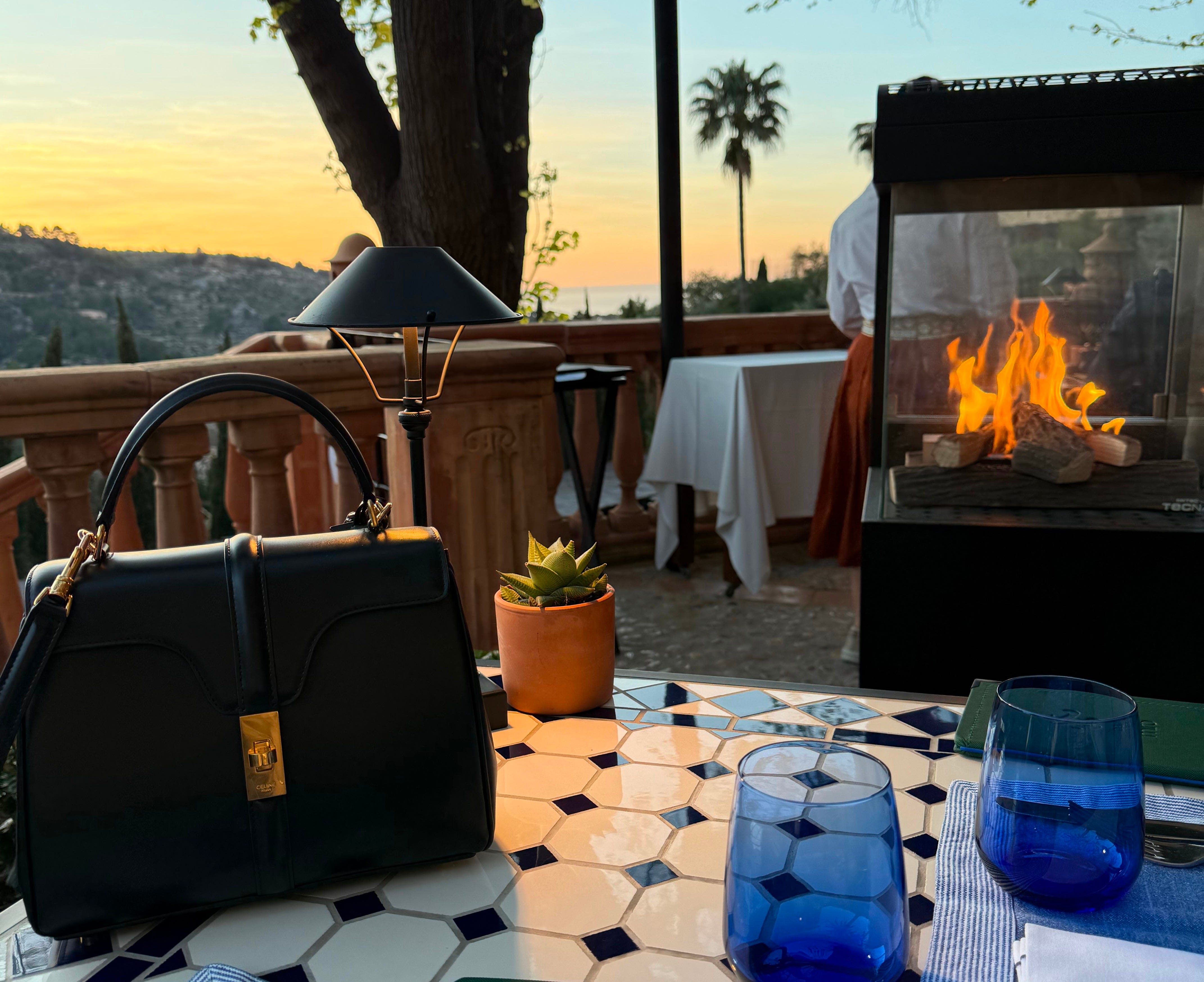
Drive to Son Marroig at sunset. This was the estate of the Archduke Ludwig Salvator of Austria, who in the late 1800s did the rarest thing a European aristocrat has ever done: he came to a Mediterranean island, fell in love with it, and decided to leave it as he found it. He bought the land along the coast to protect it. There is a small marble rotunda set on the cliff edge: eight Carrara columns and the entire sweep of the Sa Foradada peninsula below.
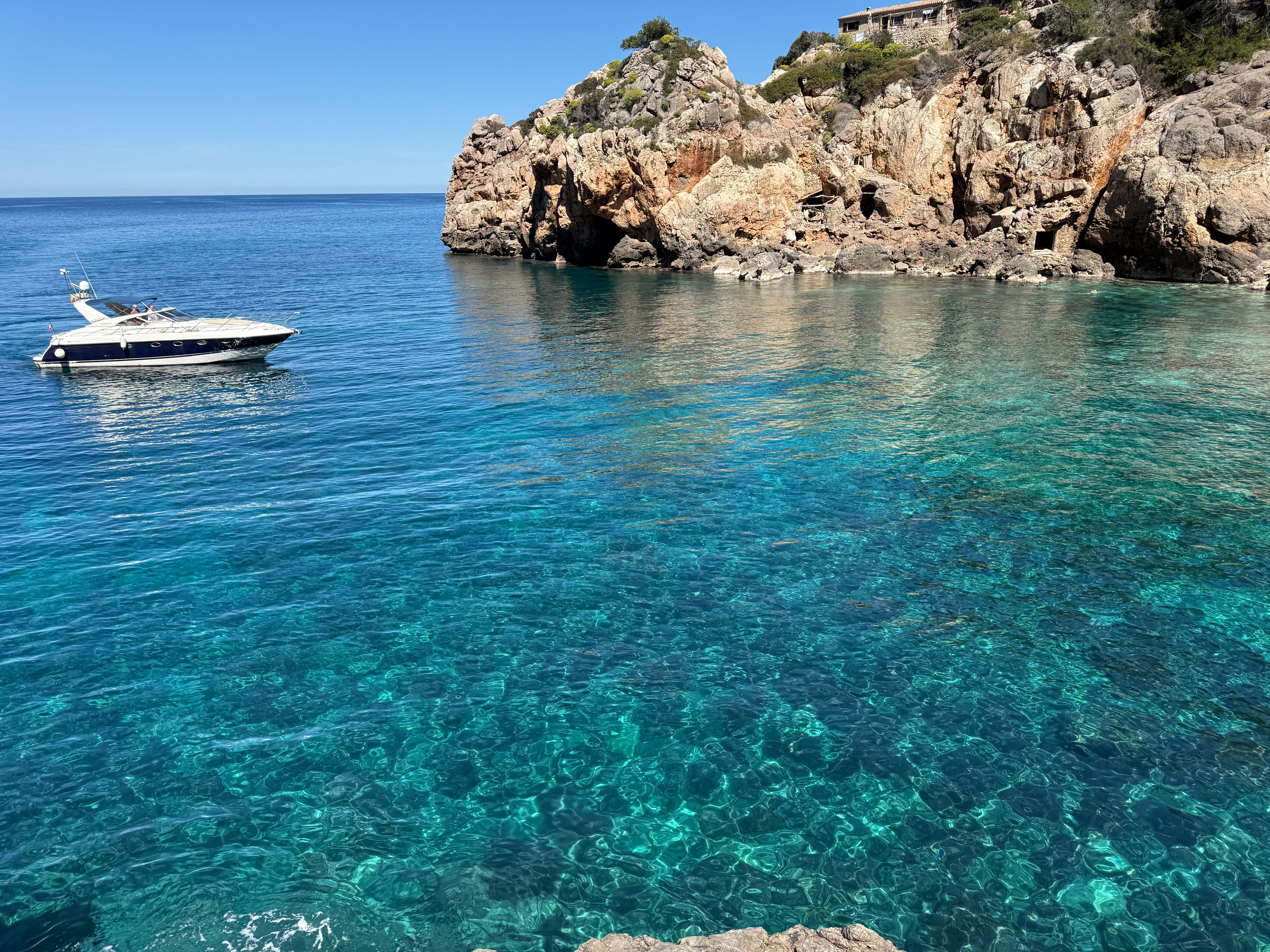
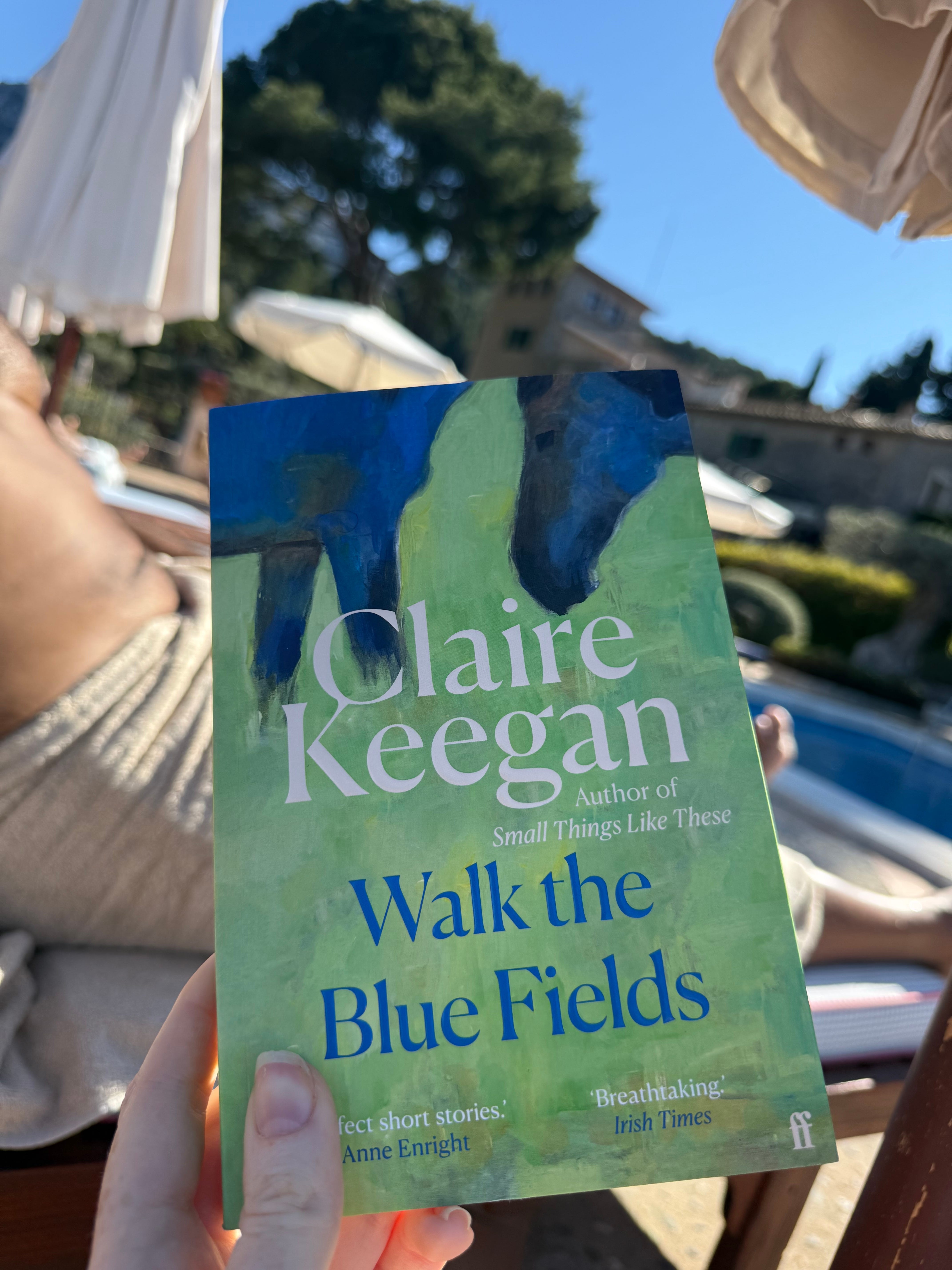
Cala Deià for an afternoon. It is a cove with pebbles the colour of bone. The sea is bright and blue and colder than it looks. Bring water. Bring a book. Bring cash. Parking is a gamble, on a narrow steep road. Park the car and enjoy the walk down via a stream. Small sellers will give you lemonade and fresh juice. That’s what the cash is for.
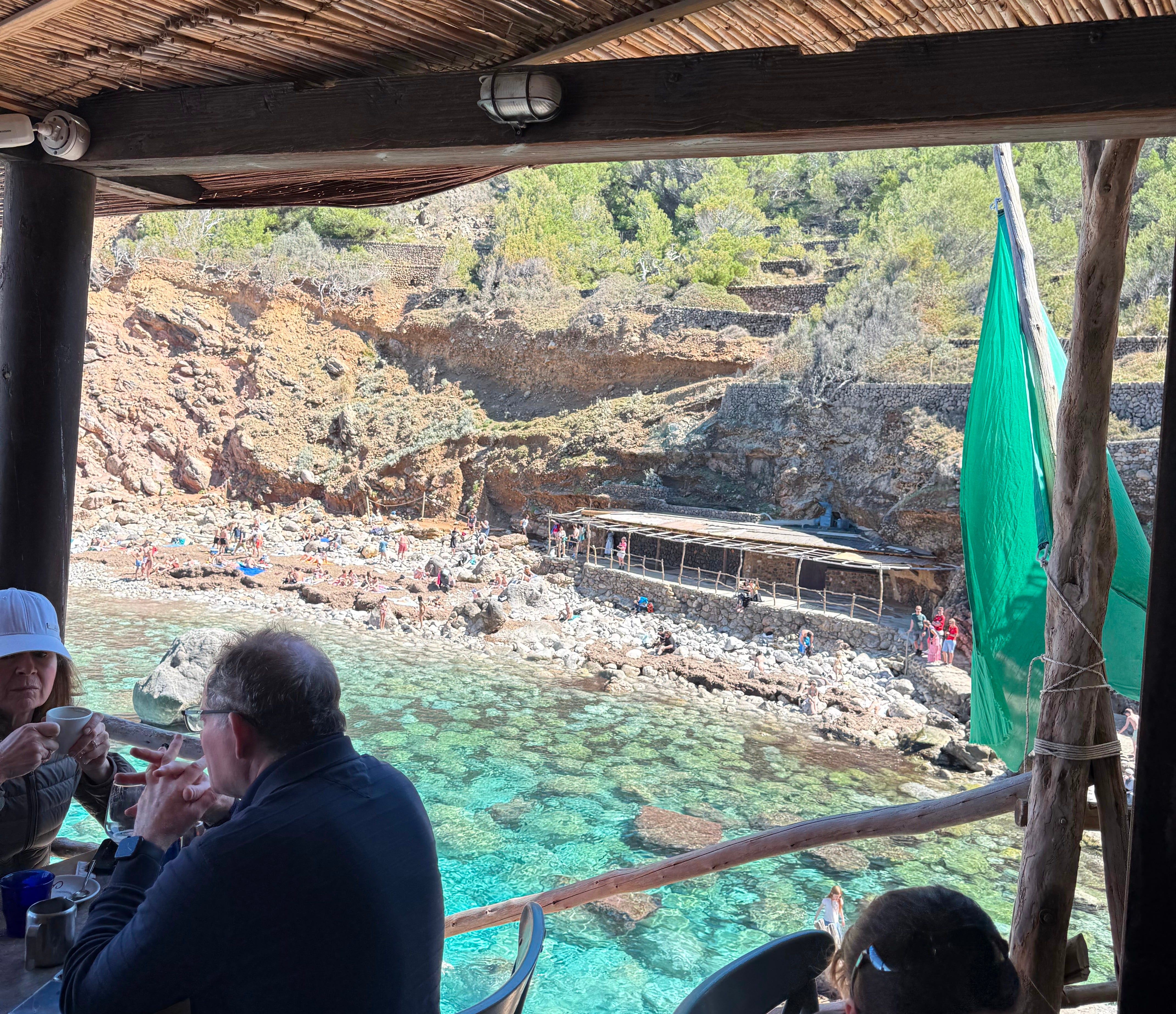
Cash is also for Ca’s Patró March, which sits on the rocks at the cove and serves the same lunch it has served for half a century of grilled fish, bread, salad, more fish. They are famously hard to book. I tried for weeks on their website. So, the rumour is true and also misses the point of a slow, lethargic trip: I discovered you can simply turn up, give your name, and wait the standard thirty minutes that the rocks and the sea will absorb on your behalf. Cash only. A surprising amount of it. The fish is not the best in the Mediterranean, the room is. You sit two metres above the water; below you, swimmers from the cove drift past, looking up, slightly envious.
Then walk up the hill to Ca n’Alluny, Robert Graves’s house, now a small museum kept almost as he left it. This is the man who wrote “There’s no money in poetry, but there’s no poetry in money, either.” The garden has a pomegranate tree that he planted. There is a single page from his manuscript notebook, in a glass case, on which he has crossed out a line and written, in tiny careful pencil: no — better. The deletion itself is the improvement. The best edit is often absence. I am, after all, here to do less.
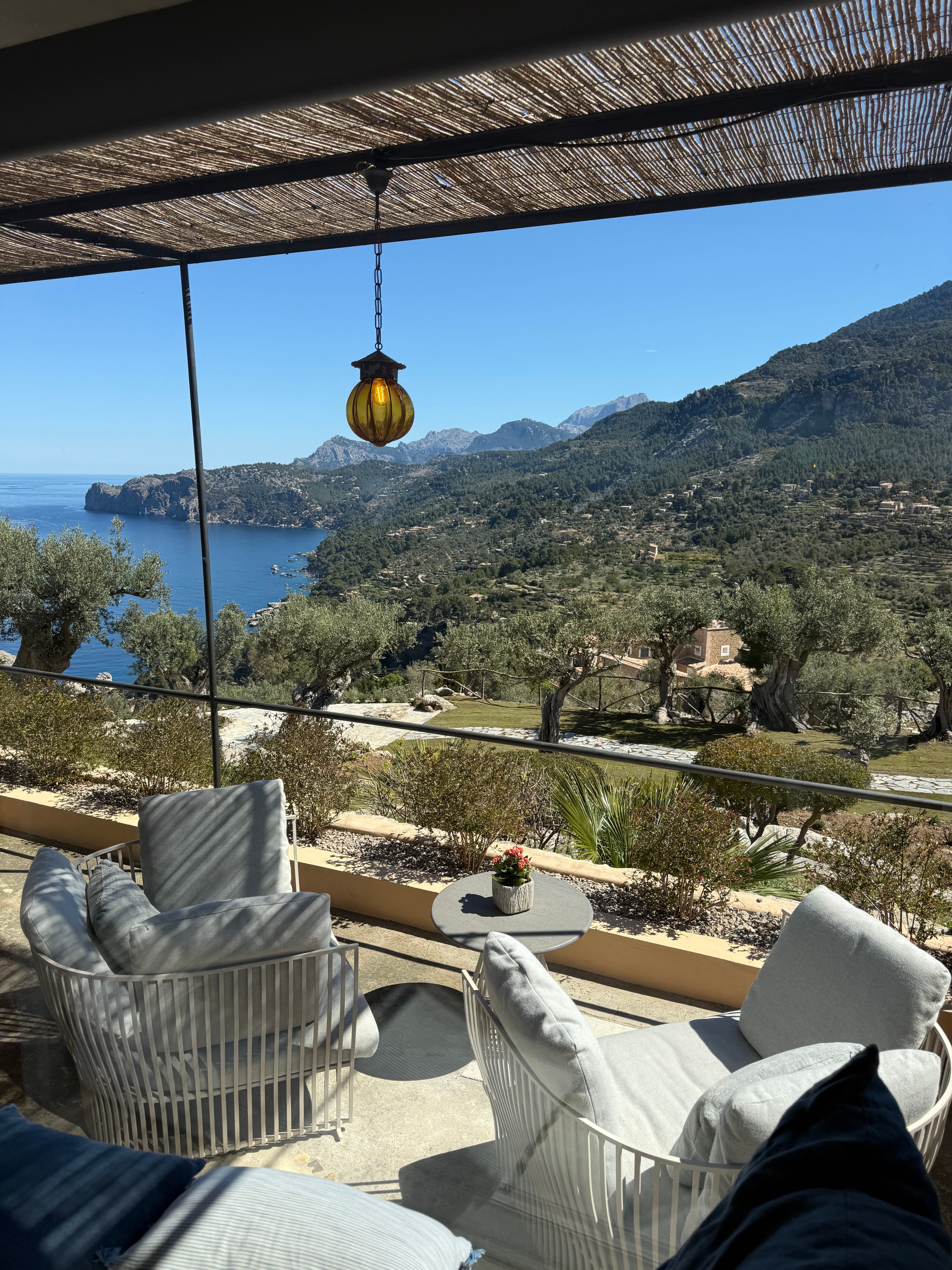
The thing about the Tramuntana coast, and the reason I will go back there, is that it lets you not do very much. Not drinking. Not driving. Not booking. Not checking the phone. This part of the island gives the bored traveller almost nothing. The slow one, almost everything.
The last evening at Sa Pedrissa, I stood in the shallow end of the pool with my hand on the part of me that is no longer entirely my own, and watched a single white sail move along the line where the sea stopped and the sky began. It moved very slowly. I stayed in the water until I couldn’t see it any more and felt my baby kick.
I’ll be back in May 2027 when we host a Reading Retreat in Mallorca and spend even more time taking life slow.
No posts
Comments
Nothing yet. Say the first thing.
Sign in to join the conversation.