
Within the span of three days, America lost three of its most unflinching witnesses.
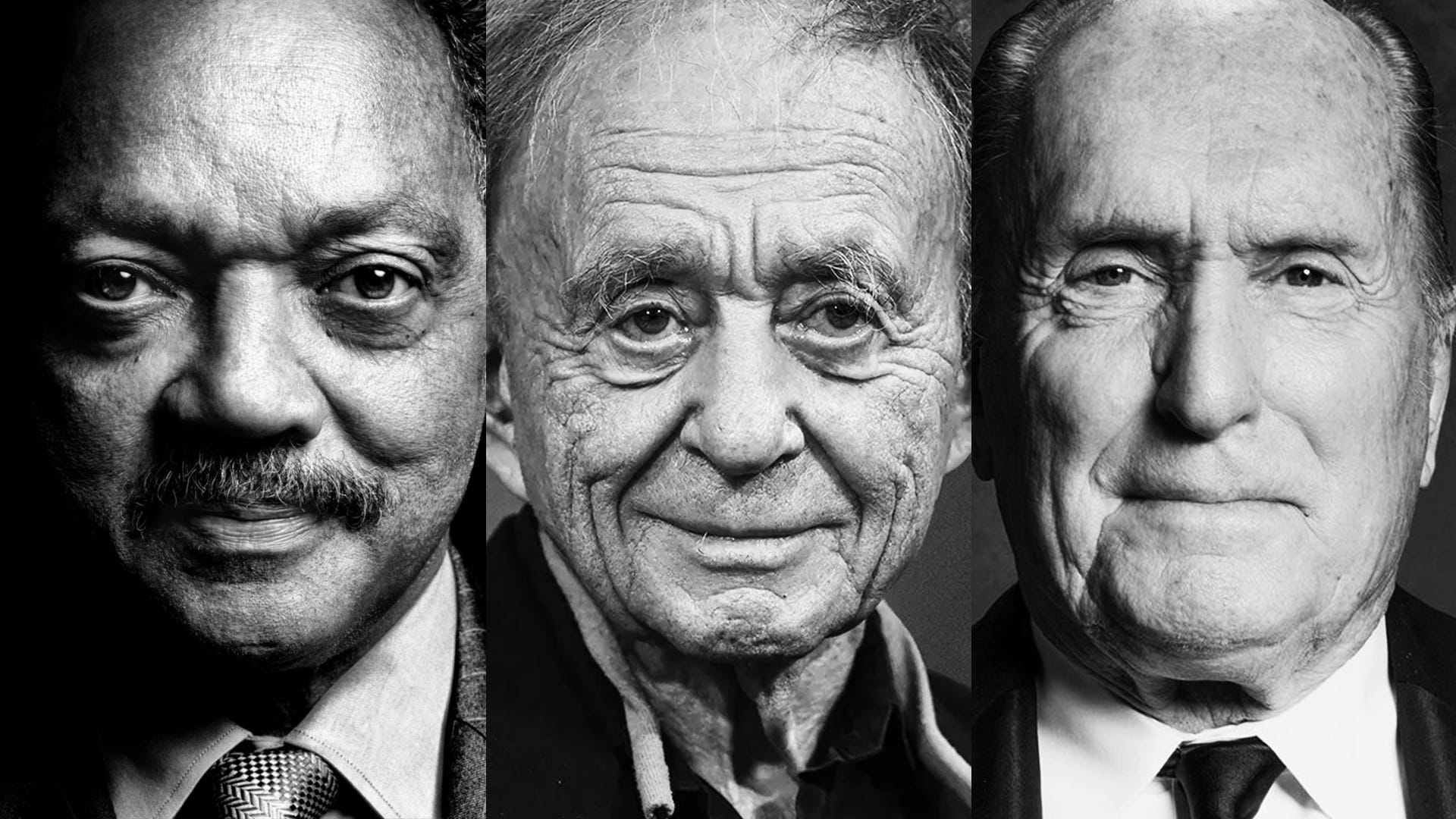
A preacher’s son from South Carolina, Jesse Jackson stood with Dr. King and then spent the next half-century trying to carry the flame forward. He died Tuesday at 84. Frederick Wiseman was a Boston lawyer turned filmmaker who spent six decades pointing his camera at unglamorous parts of American life — at hospital wards, welfare offices, high school hallways. He died Monday at 96. Robert Duvall was a military kid from San Diego, California who became one of the most quietly devastating actors in American cinema. He died Sunday at 95.
These three men were not similar men. But I’m struck by how they each looked deeply at America within their respective work. They moved through very different worlds and used very different instruments. But they shared a calling. They were committed to telling the truth about America, in all its promises and hypocrisies.
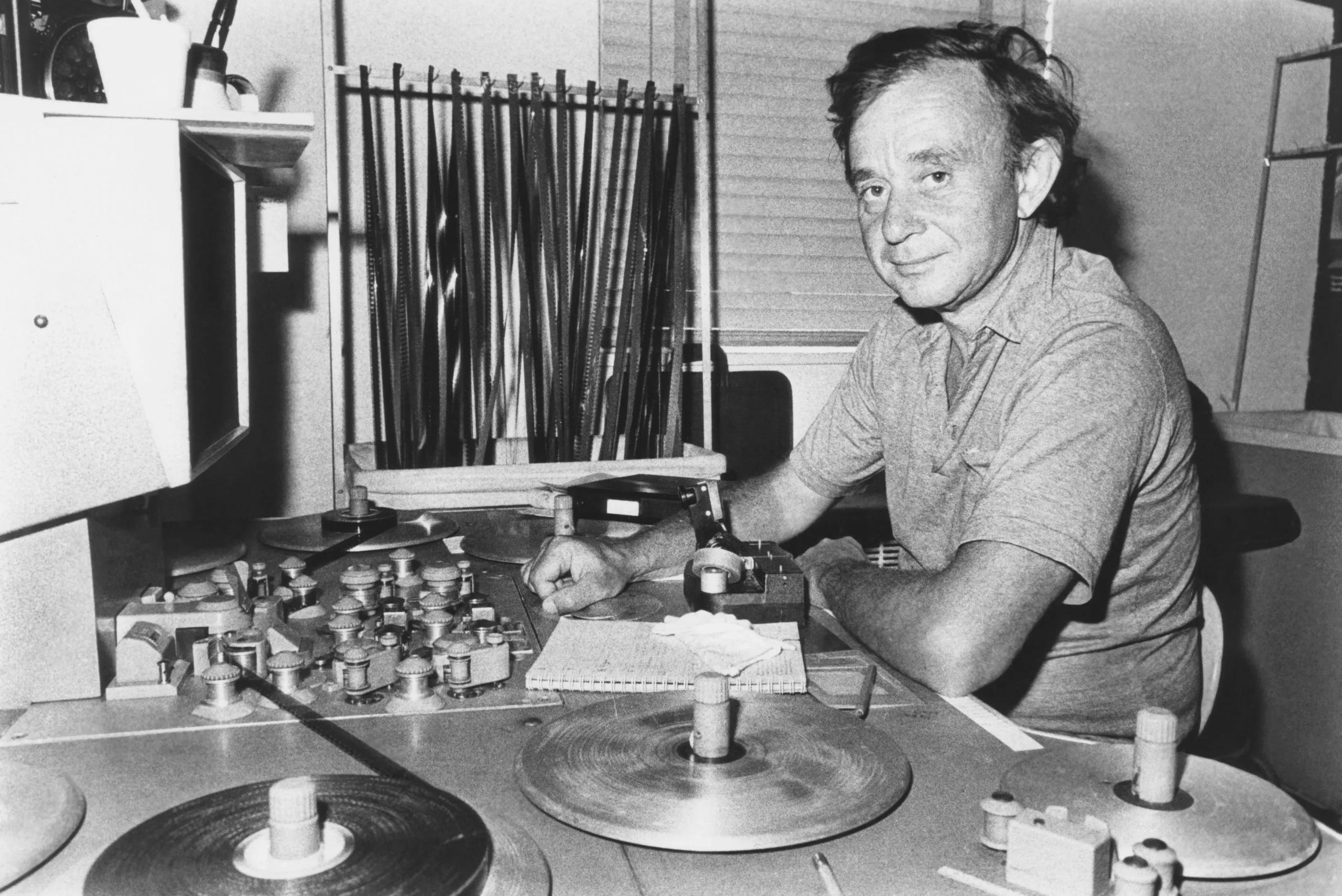
Wiseman was the most invisible of the three. By design, I think. Or maybe because he began making documentaries before they were big business. He never appeared in his films or provided narration to explain them or comfort us. He never used music to tell us how to feel. He simply arrived. And looked. At Bridgewater State Hospital. At a Philadelphia high school. At the New York Public Library. At the housing projects on the South Side of Chicago. He arranged his camera and waited for the world to reveal itself. Through 50 documentaries across nearly 60 years (!), he painted a portrait of America that no official history has dared to assemble. He showed us the reality behind our national mythology.
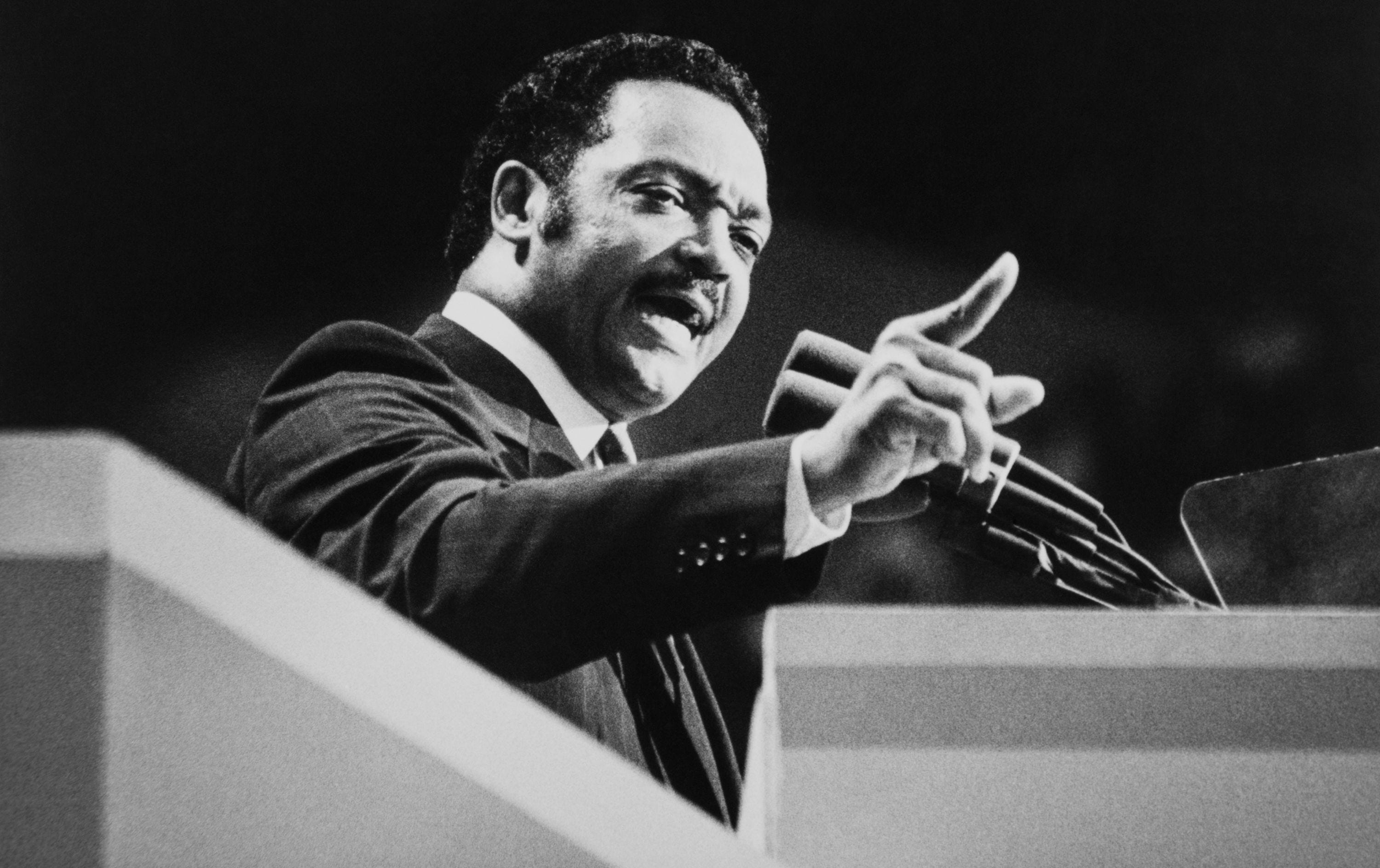
Jesse Jackson was far from invisible. As a college student, he walked into a segregated library and sat down. He was at the Lorraine Motel the day King was assassinated. He ran for president twice and changed the map of American politics. He was imperfect, as every human is, and his legacy carries the weight of those imperfections. But his moral vision and voice for his community and other marginalized communities were clear sgain and again. On South Africa, on Cuba, on Palestine. He believed, past all reasonable evidence, that America could become what it said it was.
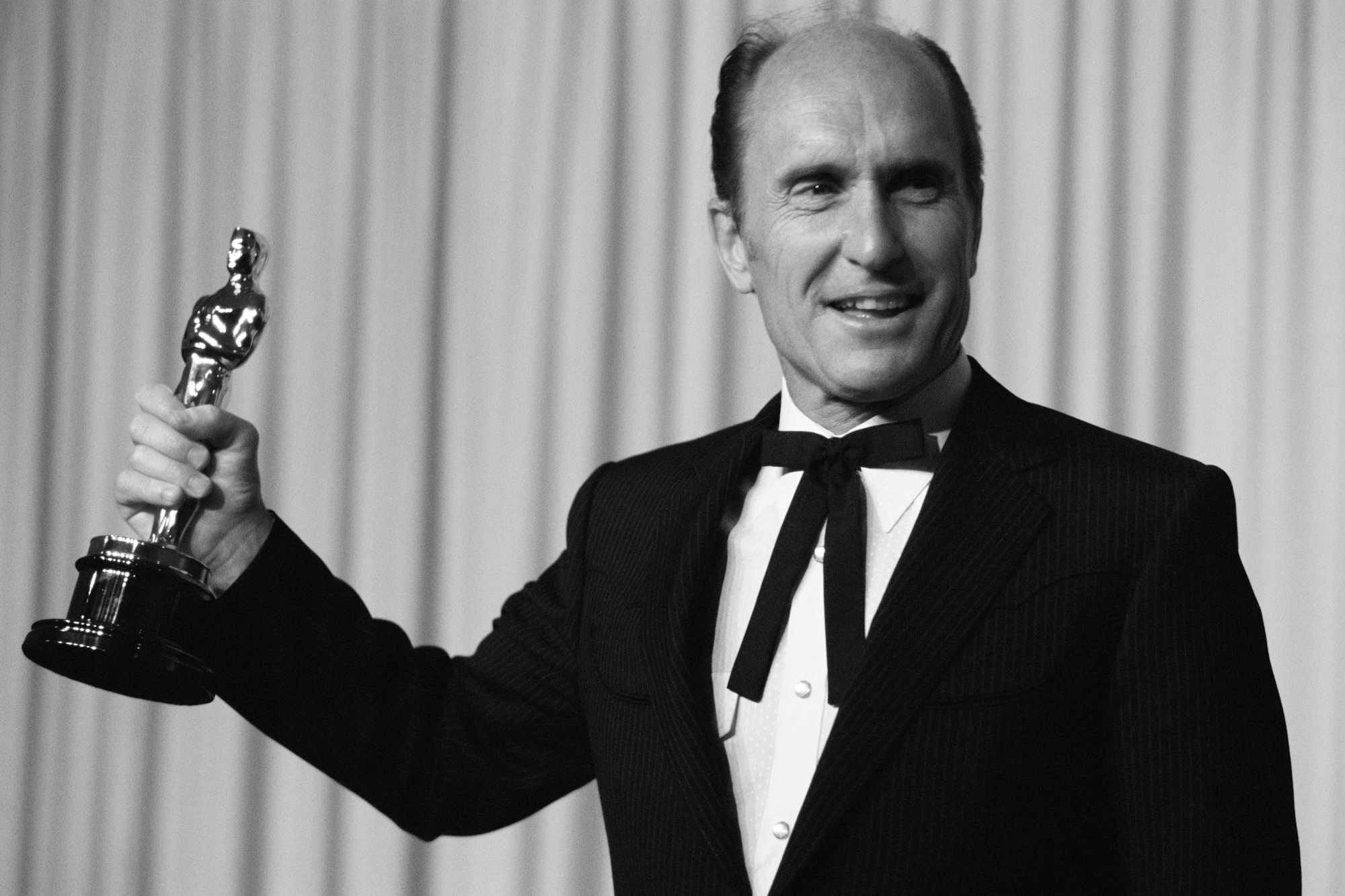
Even though he was on the other side of the political spectrum, Robert Duvall believed in something equally profound, it seems. He showed us through his choice of characters that every American life, no matter how marginalized or broken or strange, contains a universe within it. His big screen debut was as Boo Radley in “To Kill a Mockingbird” opposite Gregory Peck, of all people. He went on to play Tom Hagen, loyal to a family that was never his, in “The Godfather.” He was Lieutenant Colonel Kilgore, who loved the smell of napalm in “Apocalypse Now.” I loved him in “Tender Mercies.” He played a burned-out country singer trying to find a little grace. Duvall spent over a decade writing and financing “The Apostle” himself because no studio believed in it. He knew otherwise and was right. Seven decades, seven Oscar nominations. No small feat. I saw a post online yesterday from a young Black chef who shared that he crossed paths with Duvall several years back and found the reformed Republican turned independent, who called his party “a mess,” to be a curious, kind gentleman. I was happy to read that.
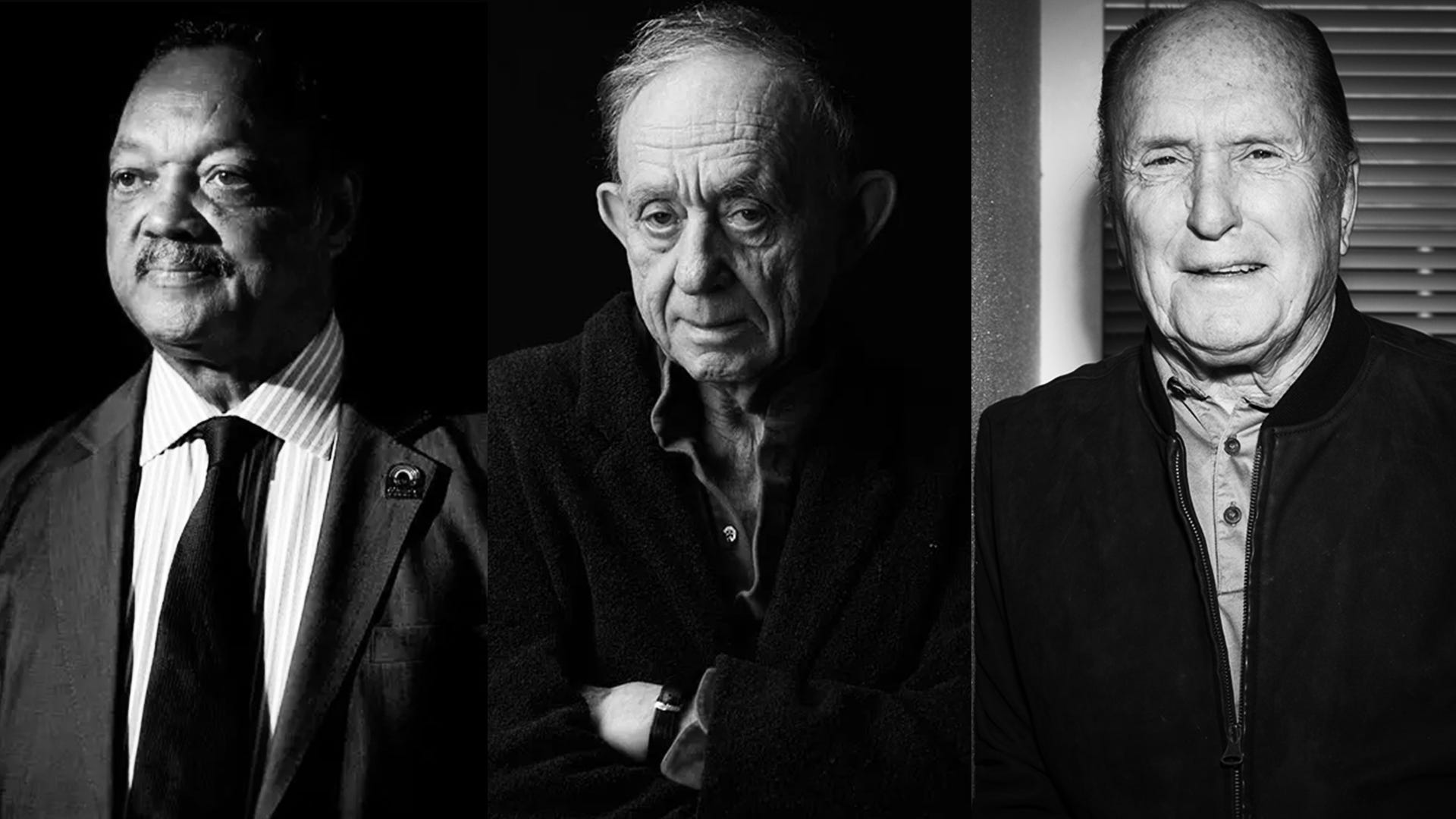
In a single winter week, they all journeyed on. Three men who, in very different ways, spent their long lives paying attention to America. They each had a stubborn belief that their telling of the story mattered. And in the end, they were right.
ONWARD is now free for everyone, all the time.
Every subscriber has access to everything.
No tiers. No paywalls. One conversation.
No posts
Comments
Nothing yet. Say the first thing.
Sign in to join the conversation.