
If you squint at it just right, the holidays look suspiciously like a film set.
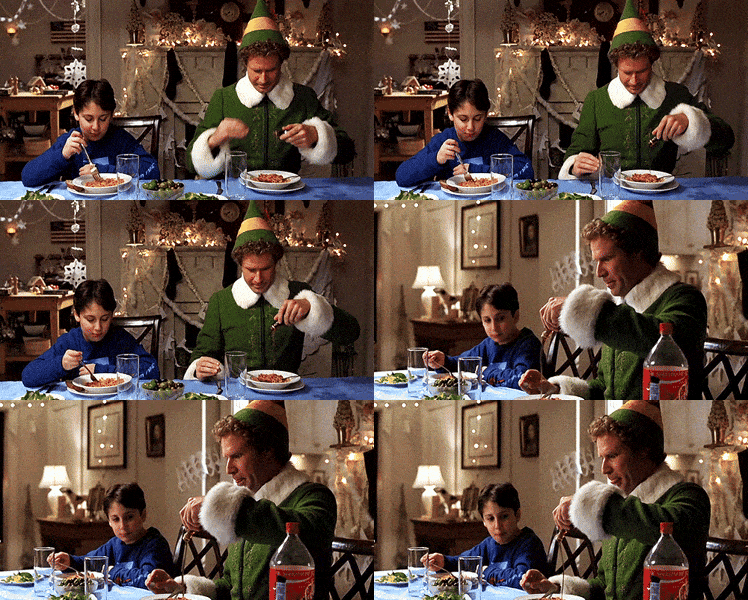
It’s got everything. Competing personalities. Surprising plot twists. The sudden need for a reshoot or special effects when the sweet potatoes come out all damn wrong. To navigate these festively fragile gatherings requires the same cocktail of stamina and imagination that filmmaking does. So, instead of packing as I should be right now, here are a few of my musings on how to holiday like someone whose survived more than a few productions.
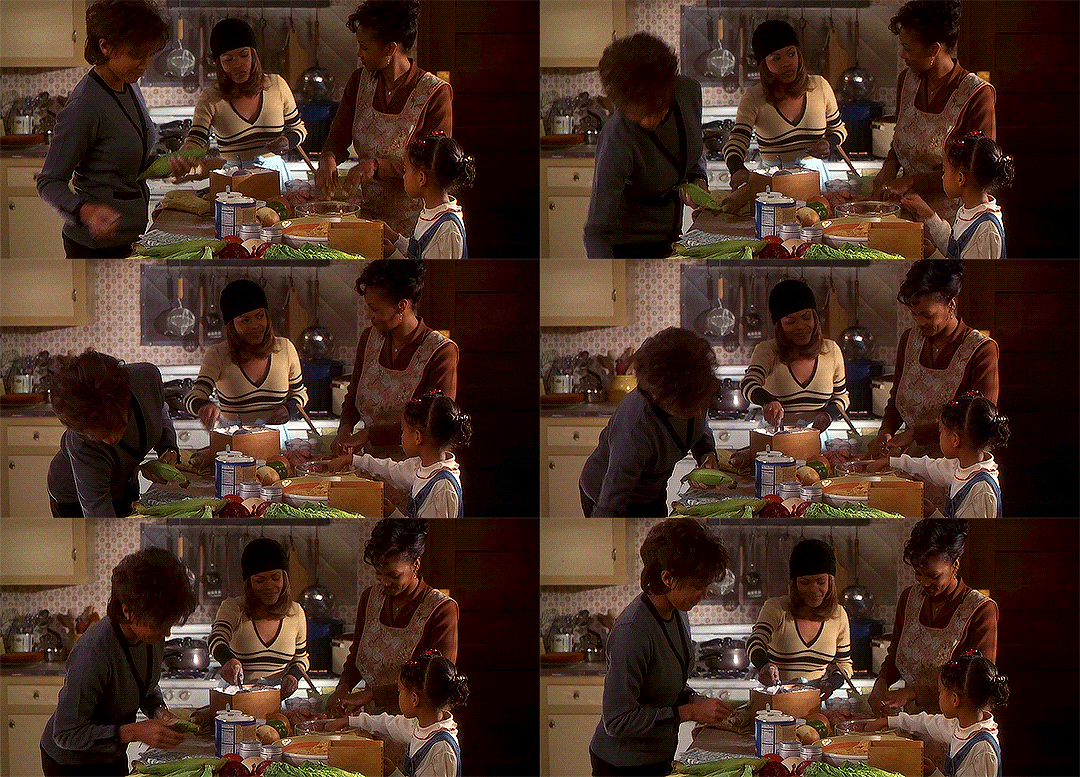
They say that in filmmaking, vision is everything. Same is true when you walk into a house filled with memories and opinions and aromas drifting from the kitchen. Every good film starts with a vision… and so does every holiday. So, before you step through the door, remind yourself why you said yes and decided to attend or throw this gathering in the first place. Remember your vision and put gratitude first that, 1) you have a place to be, 2) with people who want you there, and 3) some food is coming your way. Good things all.
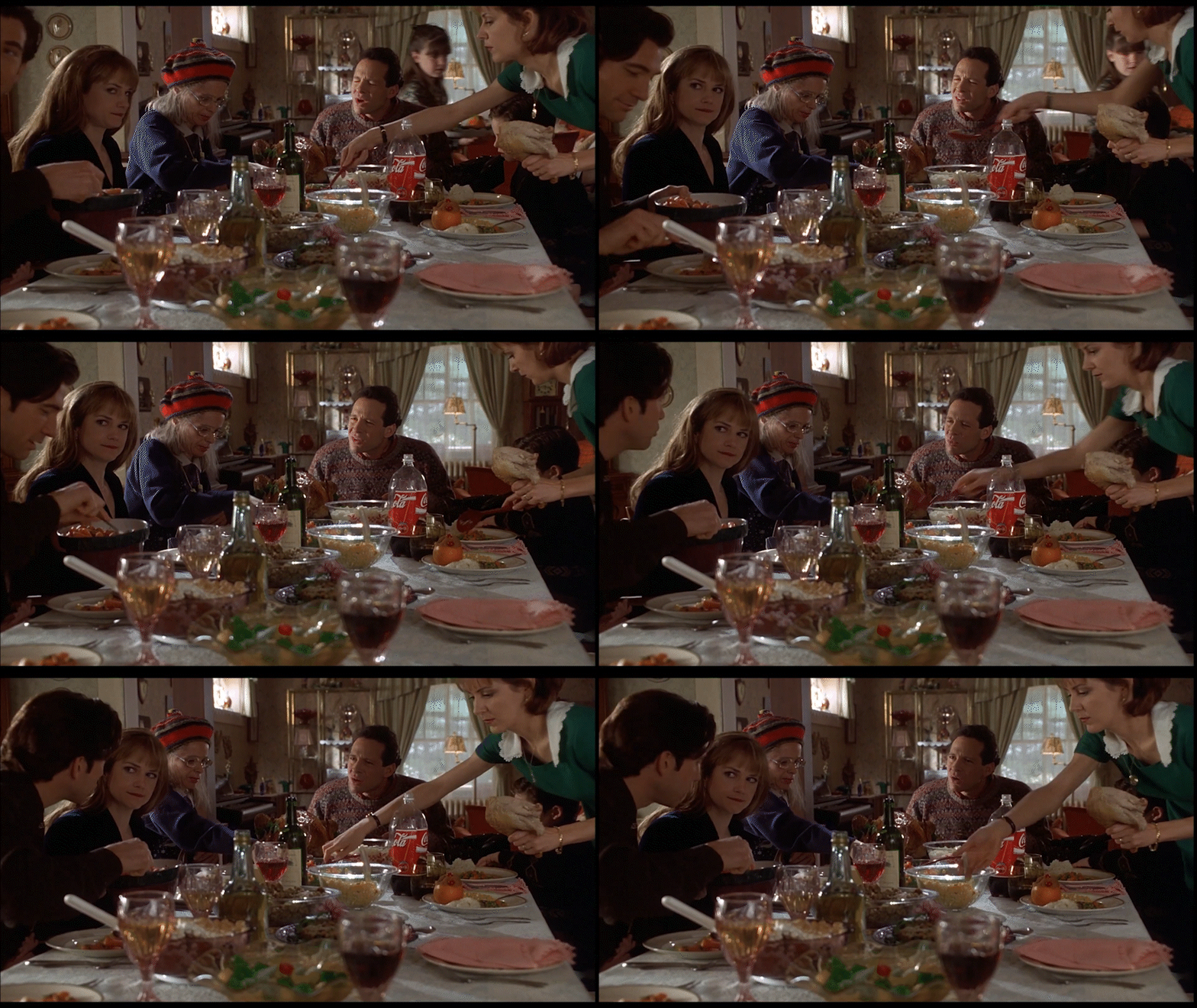
Next, have your logline ready. Loglines are the one line that explains quickly what the movie is about. For example, the logline for “ET” is something like: “A lost alien and a lonely boy discover that the greatest journey isn’t across the universe, but into each other’s hearts.“ So… if someone at Thanksgiving asks why you’re still single or married or quiet or shining or anything that makes you blink twice, have an elegant sentence ready. A good logline can keep you from oversharing or spiraling out.

In film, we call it blocking when we move our bodies to shift the energy of a scene. Blocking is basically what we call movement in the movies. Remember you can practice blocking during the holidays too. When the conversation gets heated or derailed, relocate yourself with a sturdy excuse. Go grab some ice. Help stir a pot. Get that thing you forgot in your car. Make a graceful stroll to refill someone’s drink. Play with the little kids. Just remember that the best blocking is invisible. It looks like it’s happening organically. So, figure out the blocking you need to keep the vibes right.
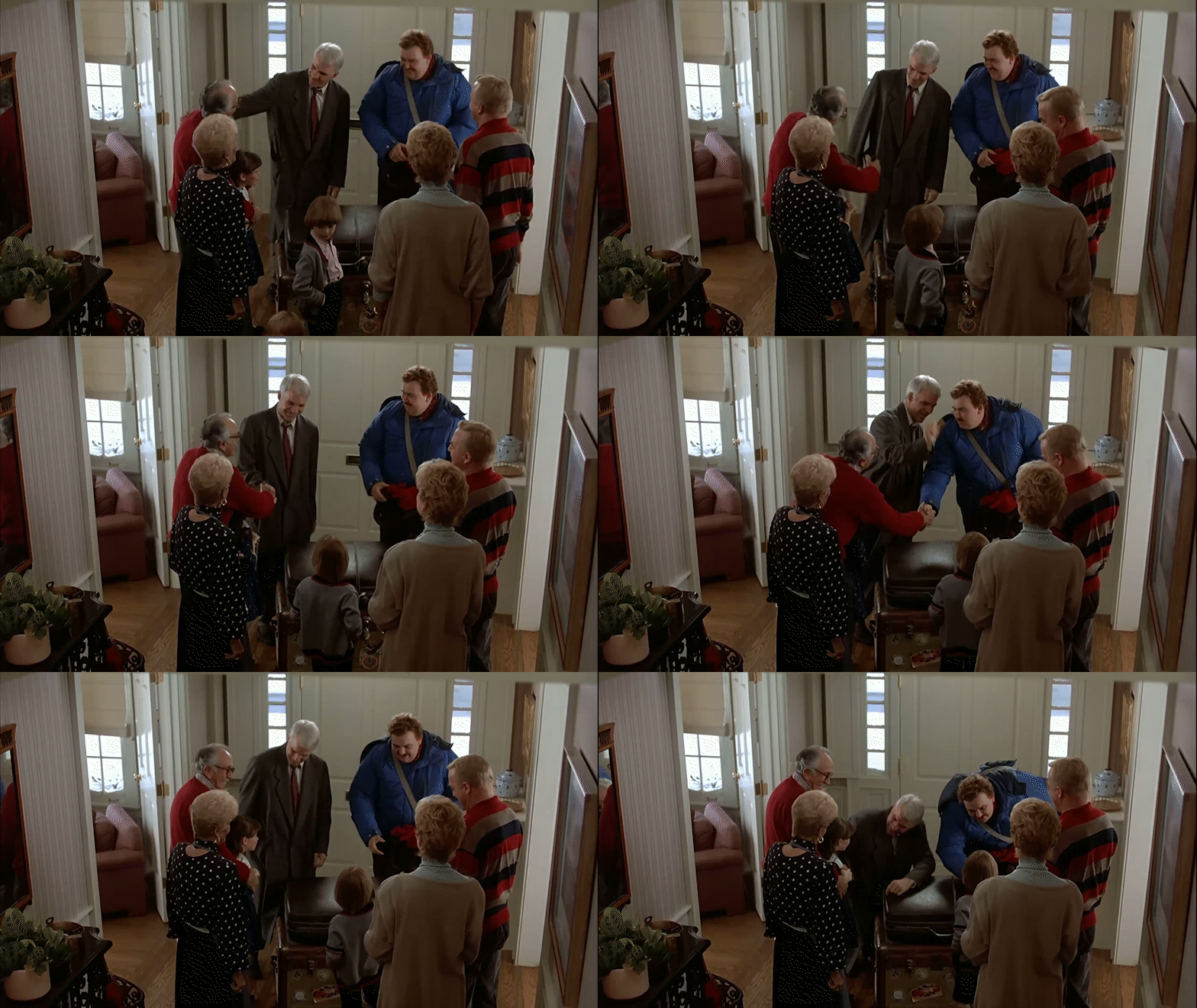
Stay aware of the B story. What’s a B-story? In “The Terminator,” it’s Sarah Connor falling in love with Kyle Reese while being hunted by a big machine man. The B-story usually explores the main character’s emotional growth while the A-story drives the plot. Every family has a B-story. It’s the quiet drama happening in the background. The cousin who did this or that, last time. The uncle who voted the other way. The sibling having a secret romance and thinks nobody knows. Observe it like a director. Stay curious, but unbothered. The joy is, you can treat it like dailies. Review it, but never cut into the main film. Their story is their story. Yours is yours.
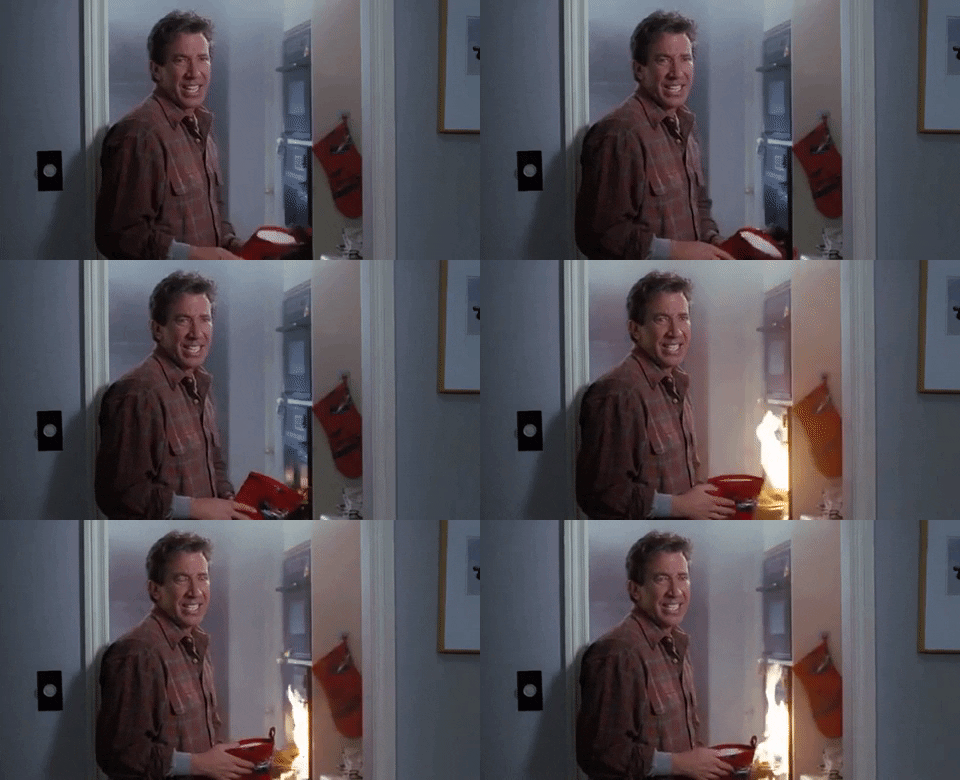
Some of the best directorial advice I’ve ever received it to embrace happy accidents. They’re actually gifts. If a dish burns or someone unexpected shows up, all good. If it’s happening, it’s meant to happen. The most beautiful shots in the films we love were never in the storyboards. And you know from your own experience that all the crazy stuff eventually becomes material for the blooper reel if you let it. You might actually laugh at the mistakes and errors one day.
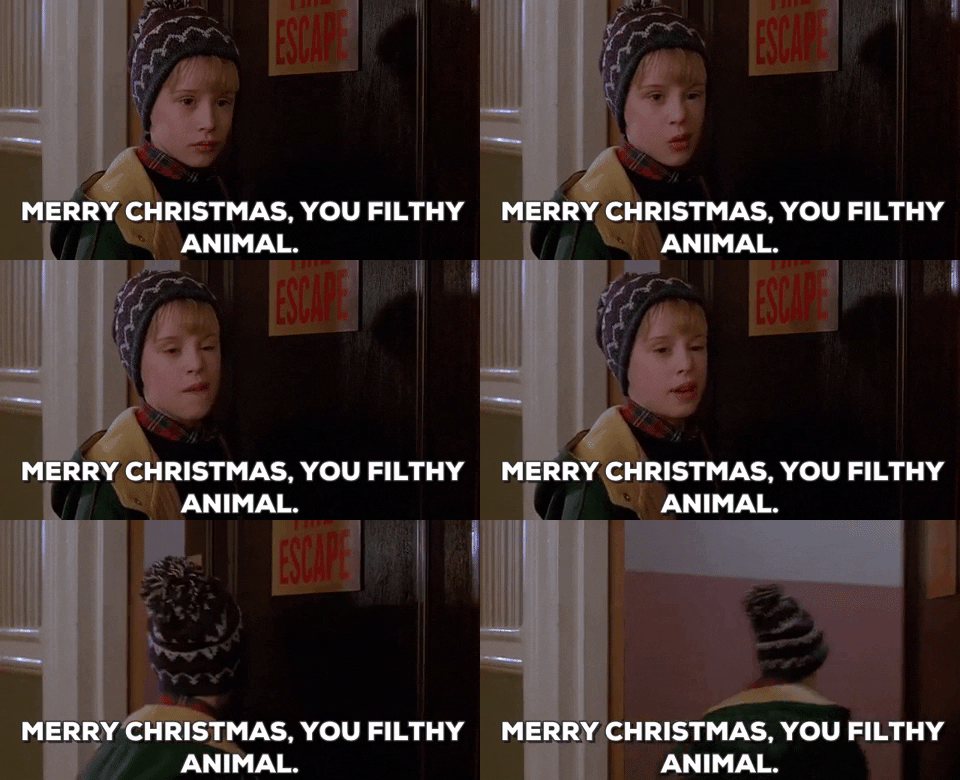
Finally, when the moment calls for it, do what every good director knows how to do. Call cut. End the scene. Ain’t it the truth that most disagreements or ridiculousness happens because the welcome was overstayed a little too long? If you have problems with people, keep everything short and sweet.

In filmmaking, and in family, we’ve gotta learn to find grace inside imperfection. Holidays can be messy, noisy and overflowing with all the wild emotions that love brings. But if we approach these days with a maker’s heart, we might find something unexpected and, maybe even beautiful, inside of the frame.
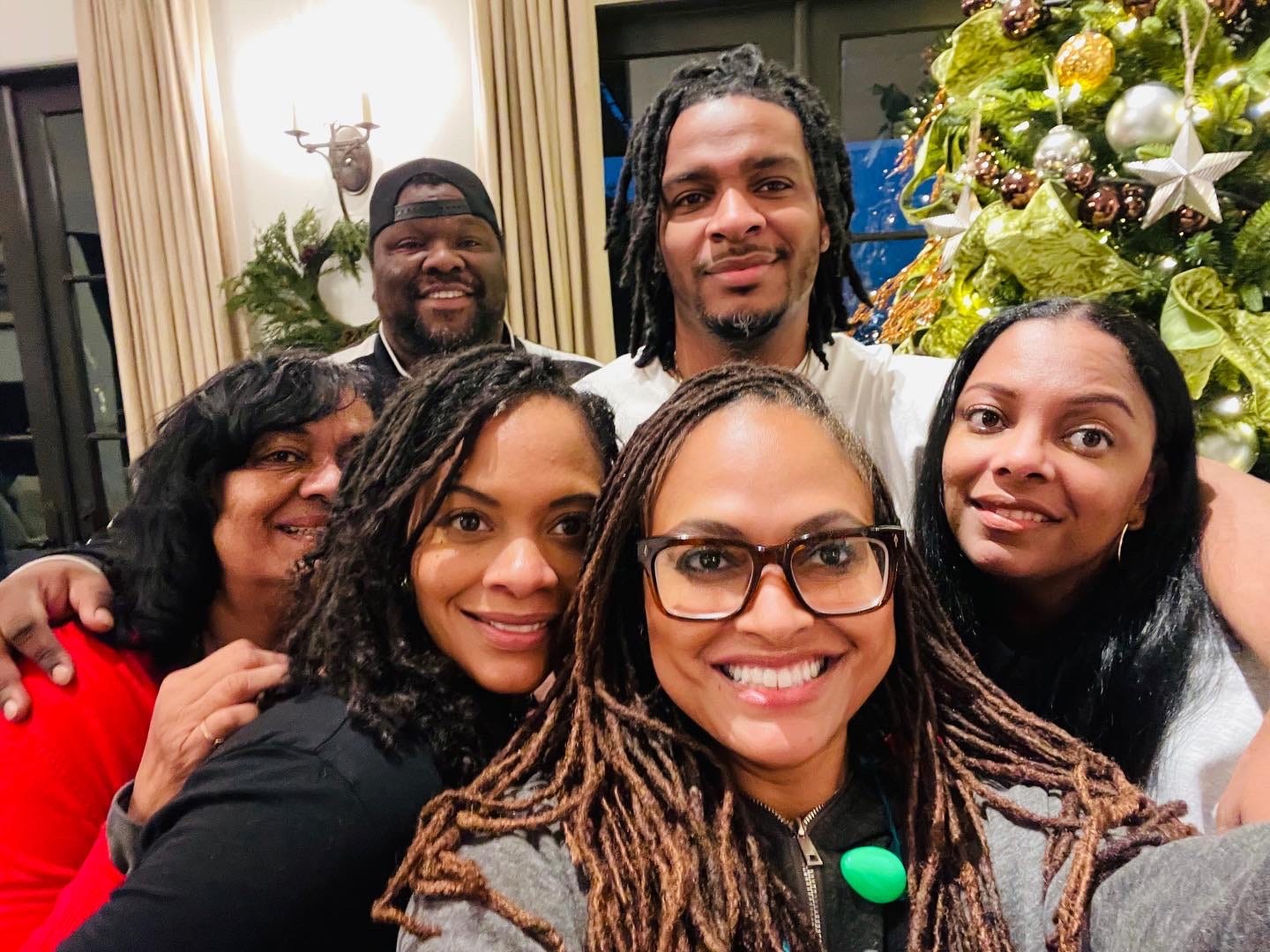
Sending love to all this season, especially to my family. I’m gonna get back to packing now. Because I can’t wait to see them and call action on my holiday. Onward!
Onward with Ava DuVernay is a reader-supported publication. To receive new posts and support my work, consider becoming a free or paid subscriber.
Comments
Nothing yet. Say the first thing.
Sign in to join the conversation.