
A gestalt processor looks at twenty years of books and discovers a library organised not by subject or Dewey, but by meaning-time—each shelf gathering the ideas, people, and recognitions that belong together.
I have been buying books for a little over twenty years.
Not because I suddenly became intellectual, but because that is roughly how long I have been truly literate. Before then I could read (ish), but reading and literacy are not quite the same thing. Books became companions only after language itself had begun to settle into my life in a way that allowed ideas to accumulate rather than merely pass through.
Recently I found myself looking at my bookshelves.
Not because I was searching for a particular title.
Because I realised they seemed to be organised according to a system I had never consciously designed.
The answer surprised me.
Most libraries are organised by category. Dewey Decimal, the Library of Congress, bookshops, university shelves—they all begin with the assumption that knowledge is divided into subjects. Philosophy belongs with philosophy. Architecture belongs with architecture. Children’s books belong somewhere else entirely.
Mine do not.
At first I assumed I had simply become untidy. Then I began looking more carefully. Robert Nozick sits comfortably beside books on myth and architecture. Calvin and Hobbes shares a neighbourhood with educational theory. Harold and the Purple Crayon appears amongst manga. Science fiction wanders into Ozark folktales, family memoirs, and Wodehouse without the slightest concern for genre.
The arrangement looked accidental.
The more I looked, the less accidental it became.
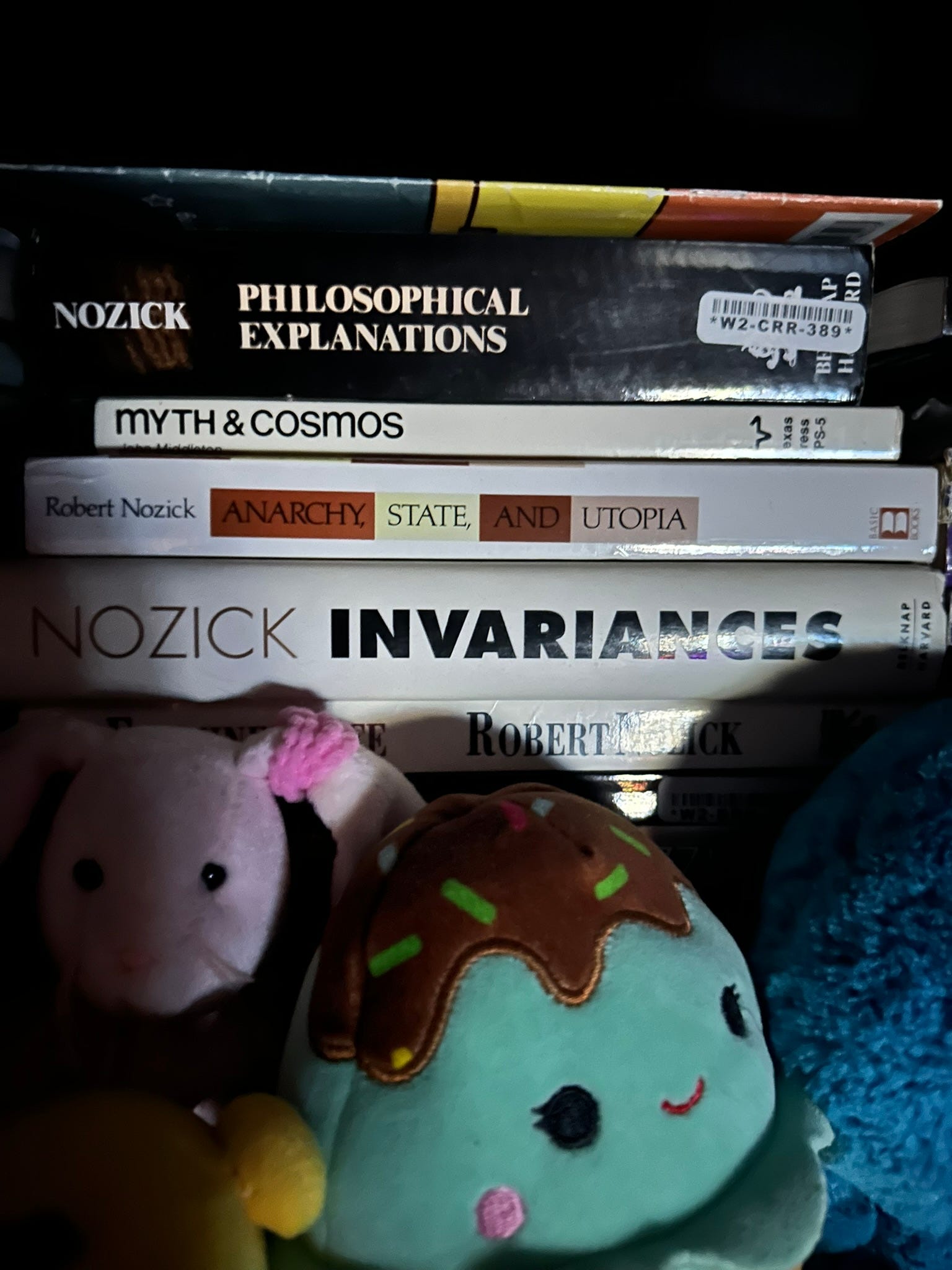
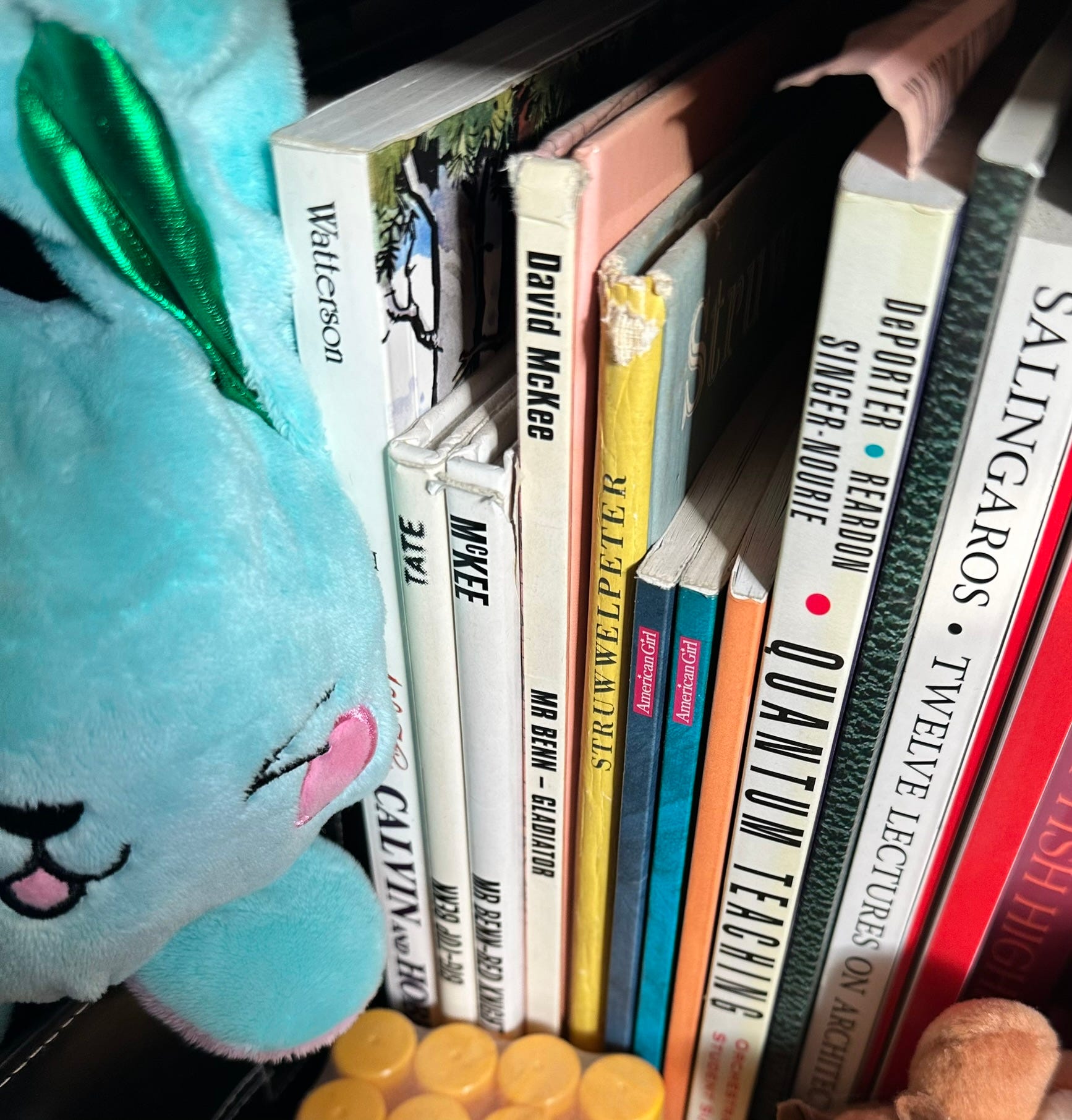

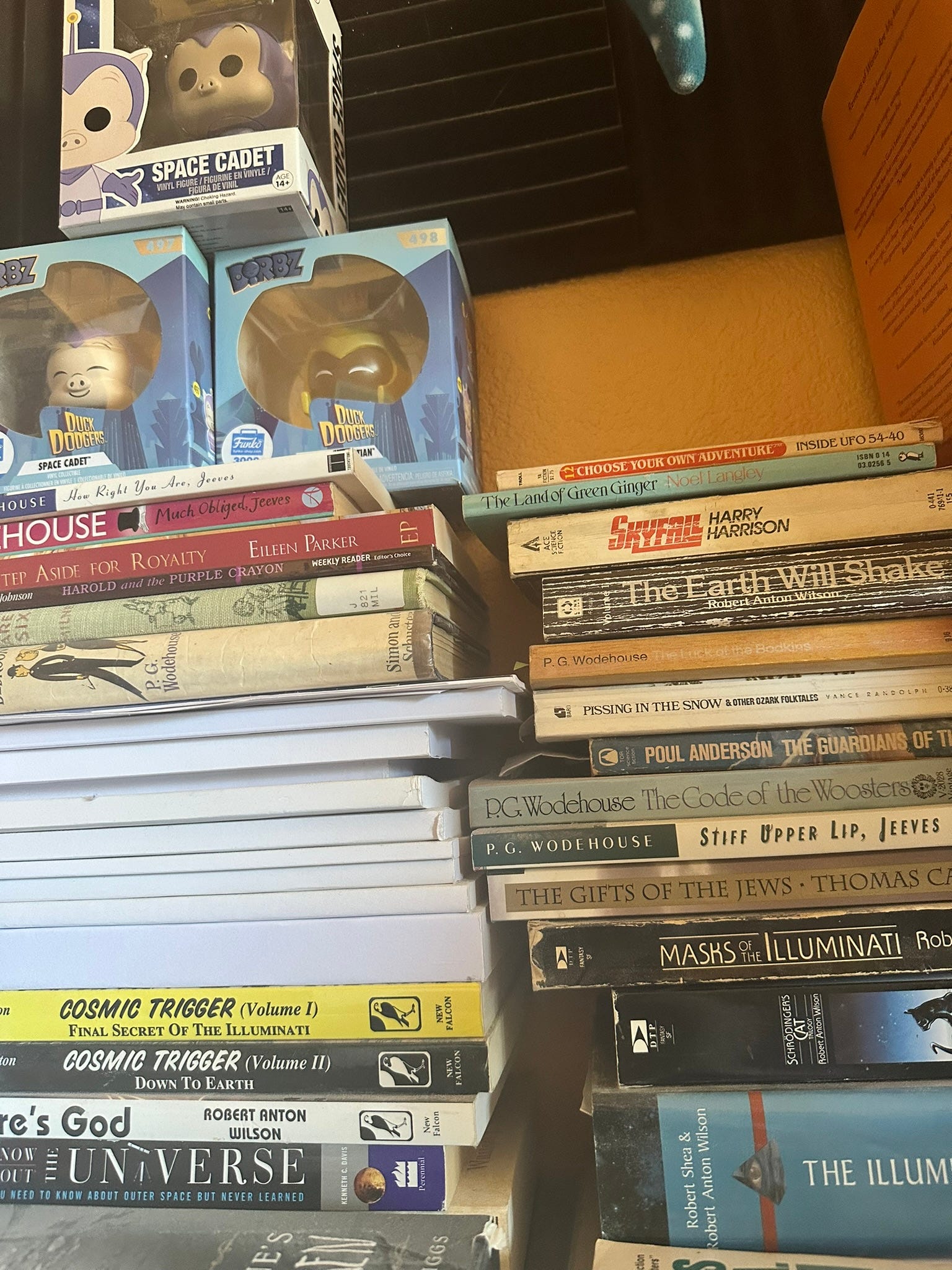
I think what I have built is a library organised by meaning-time.
Not chronological time. Not publication date. Not subject classification.
Meaning-time.
Books that answered the same question—even if they arrived decades apart—gradually found one another. They became neighbours because they belonged to the same recognition rather than the same discipline. A children’s picture book and a philosophy text could occupy the same shelf because they were solving different parts of the same problem in my own life.
Once I noticed that, other patterns became impossible to ignore...
The AutSide is a reader-supported publication. To support my work, consider becoming a paid subscriber.
Comments
Nothing yet. Say the first thing.
Sign in to join the conversation.