
So, I have a health condition called ME/CFS.
It’s a mysterious condition. Nobody really knows what’s going on or why, though theories abound. It’s probably the same thing as Long COVID, though I got it before COVID. (One theory is that ME/CFS is a post-viral condition, and Long COVID is ME/CFS triggered by COVID, while it can also be triggered by other viruses.)
The full name, Myalgic Encephalomyelitis/Chronic Fatigue Syndrome, tells you what it is. “Myalgic” means muscle pain. “Encephalomyelitis” means brain and spinal cord inflammation, from one of the theories about what’s going on and one of the few biomarkers observed in people with the condition. And “Chronic Fatigue Syndrome” . . . well, that’s pretty self-explanatory.
Basically, my muscles hurt, and I’m tired. All. The. Time. And it gets worse if I do anything. Like, literally anything. Walk, talk. Think.
The muscle pain is frustrating but tolerable. If I use a muscle, even a pinky finger, that muscle will quickly begin to hurt. It feels as if I just finished a workout and pushed myself too hard (which is ironic since I can’t actually work out). Muscles that are in use all the time—my arms and legs and neck—ache all the time. I can’t hold my phone to my ear for long before my arm gets stiff and sore and I need to switch hands. Sometimes the muscle pain will wake me up at night and I’ll have trouble getting back to sleep. It also resists painkillers.
The fatigue is less tolerable. On bad days I feel like I can hardly move. My steps drag the ground. My voice slurs. An activity as simple as getting off the couch and getting a drink of water requires a concentrated effort to gather my energy and push myself forward.
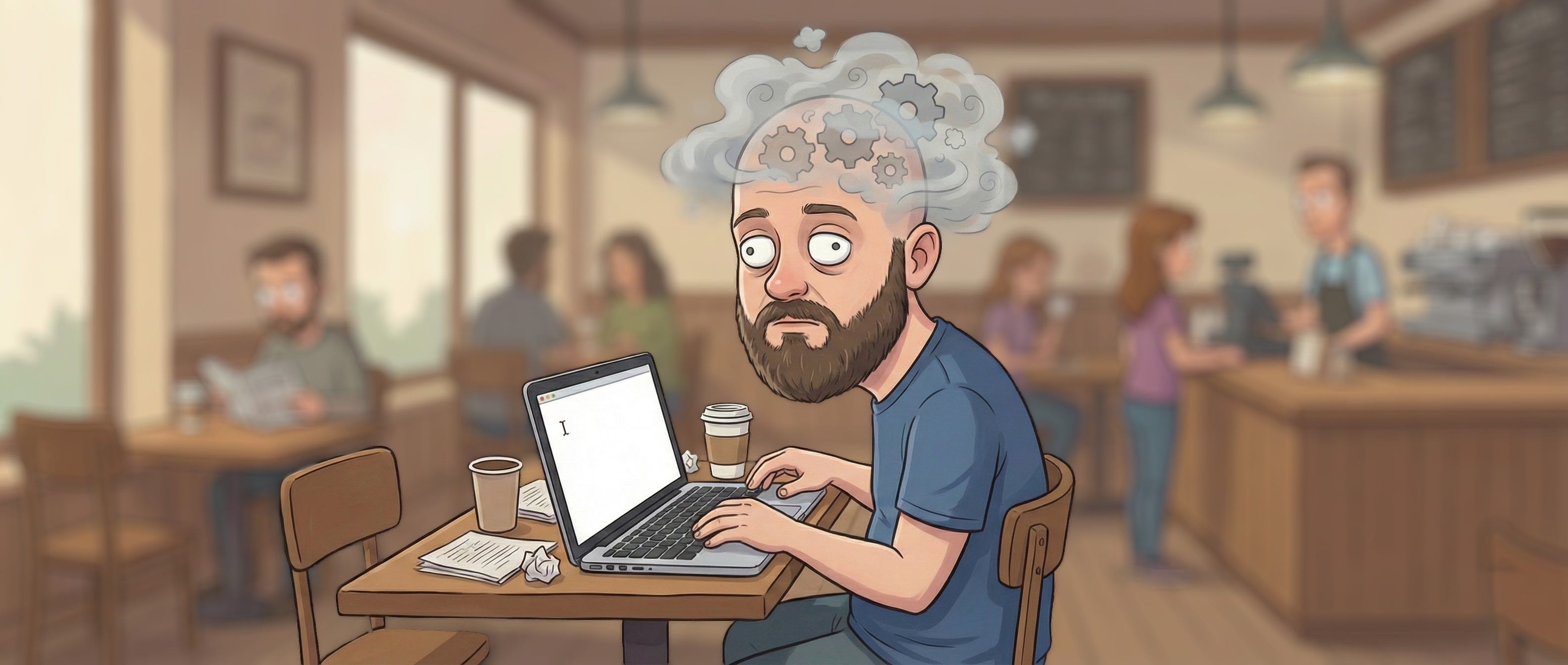
The brain fog is worst of all. On bad days I have trouble following conversations. I stumble over my thoughts because my brain literally can’t find the words I need. It’s scary; it’s like they disappear. If you ask me a question, I’ll probably stare blankly at you for five seconds before beginning a slurred and halting reply in which I soon get stuck looking for a word that I feel but can’t quite catch.
There’s no treatment for ME/CFS. When I was diagnosed, it felt like a joke. “We don’t really know what’s wrong with you, and we can’t fix you. But hey, here’s a label for your symptoms. Good luck.” There’s no approved medication. There are a bunch of off-label meds and supplements that somewhat help some people, but results are highly individual, and what helps one person might not help someone else. So when you’re diagnosed with ME/CFS the only thing they give you is advice on how to “manage” it. This includes “pacing”—watching your energy expenditure to stay under a threshold … and never exercising.
That’s right: exercise is dangerous for people with ME/CFS. That was hard to wrap my mind around. How could exercise be unhealthy? But exercise causes “post-exertional malaise” (PEM), a significant worsening of symptoms. Which explains why, before my diagnosis, a couple sessions of vigorous exercise were all I could manage before I’d crash and have to wait several weeks to feel well enough to exercise again. It also explains why the “warm up” session of five minutes on an exercise bike, which my physical therapist assigned at the start of each session, would leave me slurring my words and trying to get through the appointment feeling weak as a kitten.
The truly scary thing about ME/CFS is that if you exceed your body’s threshold too much or too often, you can get permanently worse. I can look back at my past, pre-diagnosis, and see several times that happened, times in which I “ratcheted down” the one-way descent to a new, crummier baseline.
So I “pace,” and I “manage,” and, so far, I get by.
It’s not all gloom and doom. I’m better off than a lot of people with ME/CFS, many of whom can no longer work. And we’ve discovered a few things that help me. One is a painkiller, tramadol, that for most people causes a drowsy opiate high and helps with pain, but which gives me a “paradoxical reaction” of a significant energy boost without affecting my pain at all. I can’t take it every day because the effects would diminish, and because having that energy boost causes me to expend more energy which causes me to crash if I don’t rest again. But I try to schedule it for when I need it, especially for situations which require me to interact with my fellow human beings, like teaching, or meetings. Another drug, guanfacine, which I decided to try (helped by AI, more on which in another post) based on some small trials in the medical literature, has significantly improved my brain fog, leading to fewer days when I’m flat-out useless.
But it still sucks.
I never feel rested. Never feel healthy. Never, to some degree, not hurt. And always, somewhere in the background of my mind, is the lurking fear that I’m going to get worse.
Even years after that dismissive shrug of a diagnosis, I’m still trying to come to terms with the doors that have closed. I have vivid memories of long summer evenings playing basketball with my dad and my brothers, competing to the point of glorious physical exhaustion until darkness finally closed the day. I’ll probably never play basketball with my kids. I’ll never again jump on the trampoline with them, or roughhouse in the ways they like best, or let them chase me around the yard as they squeal in delight. I’ll never go on a hike with them, or take them on a long bike ride along the trails in our area.
(Honestly, the very worst thing about ME/CFS is how deeply and negatively it impacts how I interact with my family. )
But this post is supposed to be about writing, not self-pity.
I time my writing with caffeine, which helps dispel brain fog. Even so, when I sit down to write, it can feel overwhelming. In between writing sessions, I struggle to hold the shape of the project in my head, so I have to waste significant amounts of my limited writing time simply re-familiarizing myself with what I’m trying to do. When I start putting words down, they come with effort, and when I read what I’ve written, it feels flat and lifeless. The struggle required to get anything done creates a feedback loop of discouragement which makes the task even harder. This is true of both of my fiction and my academic writing.
But! I have a novel coming out in May. And though I’ve been working on this book in one form or another for many years, the majority of the final draft, including many from-scratch chapters and rewrites, was written in the throes of this condition, and much of it before I’d started guanfacine. Somehow, it got done, and somehow, it got accepted, and somehow, it’s coming out in May.
Here are some things I’ve learned from writing with ME/CFS which, I think, may be helpful to anyone trying to tackle a large and amorphous task with limited confidence:
The old adage about a journey of a thousand miles beginning with a single step is true. It’s also true that it continues step-by-step. The only way to get from point A to point B is to keep stepping. I tend to be a slow, methodical type of person anyway—my last name even means “slow,” a topic of some amusement to my grade school teachers—but the important thing is not speed but that I keep moving. “Slow and steady” might not win the race, but it will eventually cross the finish line.
Which leads me to lesson number two:
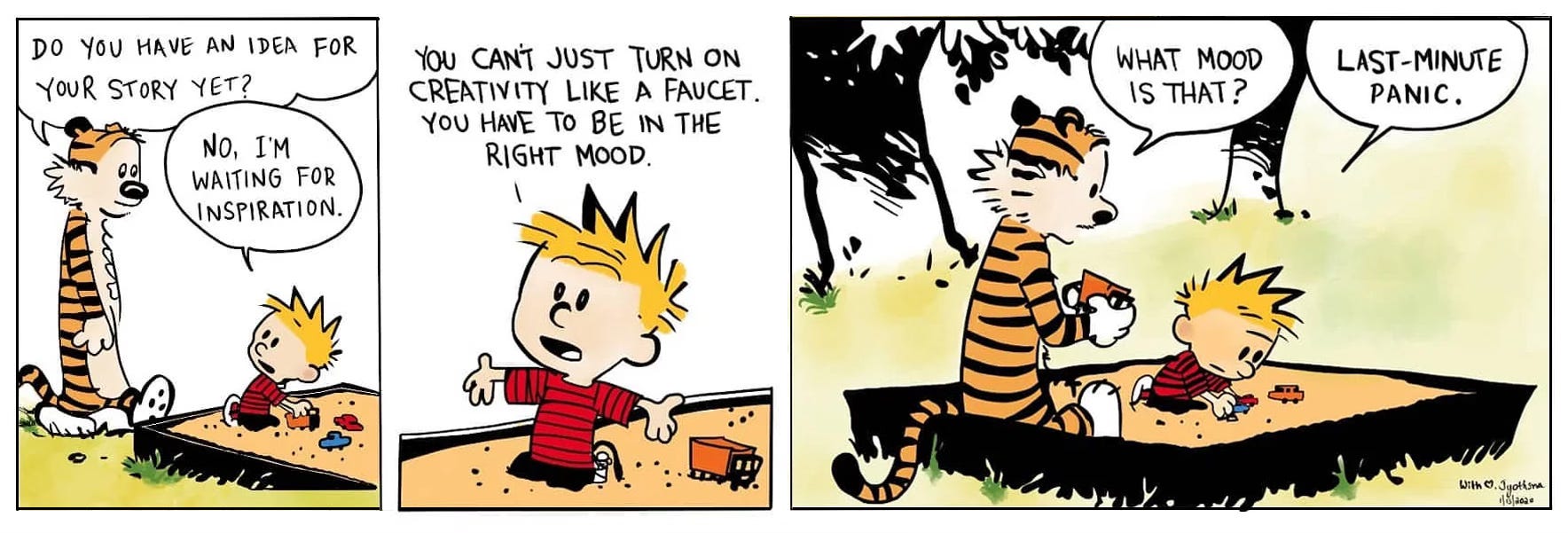
I tend to like deadlines. Sometimes I need a fire under me to keep pushing forward—and then oh! the sweet relief when the deadline is met and the task is done! But whether there’s a deadline or not, it’s important to remember that I’m not competing against anyone except myself.
Which leads to:
In my academic life, I’m all about self-reflection—it’s my research agenda (specifically, how self-reflection relates to information literacy). But self-reflection does not mean self-criticism. On one of the many days in which I just can’t seem to get anything done, it can be tempting to beat myself up about it, but that’s not helpful. More useful is to acknowledge that I can’t control every circumstance. And it can be helpful to understand my limitations, so that if I fail to meet my own expectations it’s not the end of the world. Not every day is going to be a good day, and that’s okay. Sometimes the steps along the journey will be halting, but the only thing that will truly stop forward progress is if I stop trying.
The flip side of this, though, is that self-understanding does not mean self-coddling. Sometimes I have to acknowledge the hard truth that I could have done better. But hey, what else can I expect of imperfect me? I’ll do better next time.
Writing is rewriting, as they (Hemingway?) say. It’s a lot easier to improve something which exists than to give existence to something which does not. So I try to let those first words be raw and unfinished and, frankly, really, really bad. I’ll fix them later.
And it’s not just the writing that doesn’t have to be good: it’s the situation. I do my best to set the situation up for success (for me that usually means a steaming coffee at my elbow and the bustle of a friendly coffee shop fading out as I put in my headphones), but I can’t wait for the perfect situation or moment of inspiration or creative feeling which might never come (and, if it does, will come too rarely). I try to just put something down now, and perspire it into shape later.
This lesson is a bit more practical to the writing process. When possible, I end a writing session in media res. Leaving something unresolved—a scene, a paragraph, even a sentence—makes it easier to jump in and start finishing it next time. By far the hardest part of writing for me is gaining momentum, getting into the flow of things, and this little trick allows me to pass a little of the momentum from an earlier writing session on to the next one.
I’m trying to remember these lessons right now, as I work on both a long-overdue academic project and what will hopefully become my sophomore novel. So far, I’m making very slow but at least visible progress, and sometimes that’s the best I can expect, and that’s okay.
No posts
Comments
Nothing yet. Say the first thing.
Sign in to join the conversation.