
Hello Substack friends! Thank you for bearing with me during this time of slower posting. My husband and I have been moving to Asheville, NC (to work on our land project and just have a change of pace), and it’s been hard to find time to write. BUT I have some really exciting articles planned for y’all in the next few weeks, including a) my strategy for making friends in a new area, and b) the account of an amazing re-wedding ceremony I created for myself and my husband last weekend.
Stay tuned! And I hope you enjoy this article. As it is all about “pay what it’s worth to you” experiments, I will make this free and you can subscribe if it was worth it to you ;)
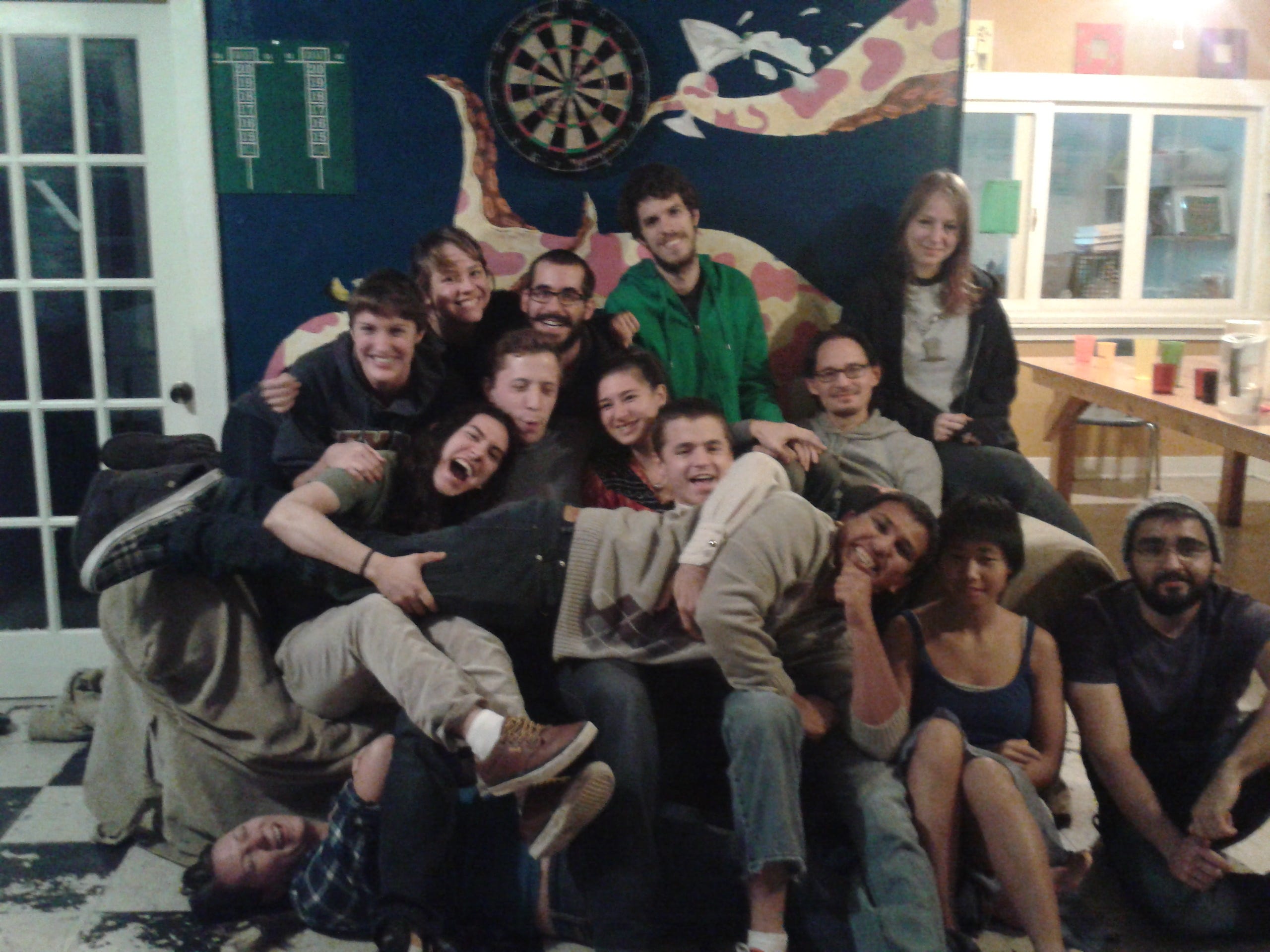
When I first started running Authentic Relating community, we offered all our events for free. We were college students leading for college students, ecstatic dancers, and hippies; it was a love economy and the relationships were worth our cost in time. My collaborators and I hosted out of housing co-ops on the UT Austin campus and didn’t need to pay for space.
Eventually we outgrew the co-ops. We approached a beautiful community center, Casa de Luz, about renting us space on Sunday evenings. They agreed - for a nominal fee.
Switching to charging money for our events, just $5-10, caused a rift in the community. This was old-school Austin, before the techies and hipsters moved in; you could still get a room next to campus for a couple hundred dollars per month. But we made the shift.
I was always a fan of alternative economies. I let people trade music, skills, or goodwill for my trainings. If someone couldn’t pay for Games, they became a greeter or just got in for free. For most of its lifetime, my magnum opus, the Authentic Relating Games Manual, was entirely by-donation. (My eternal gratitude to Gumroad, one of the early product sales sites, for having a pay-what-you-can option from the very start!)
I operated the same way when I asked people for money. I survived off Patreon, making up to $2,000/month at my peak, which was plenty to support my low-income post-college life. My Authentic Revolution co-founders Pete and Chad, more experienced entrepreneurs, worked for free. All the AR Games facilitators were volunteers. The web of exchange was dizzying: we cooked for each other, hosted for each other, held space for each other. When I was houseless, as I intermittently was, I never had trouble finding a bed (or couch - extra beds were luxuries back then!).
But all things must pass. We grew up. Suddenly we had partners who wanted to share our rooms, who wanted privacy and houses of their own. We gained jobs and needed cars to drive to them. Rent increased on homes and event spaces alike. In AuthRev, we wanted to bring on more help, and they needed to be paid. Games Night pricing increased from $5 to $15. Trainings went from free to more than our 2013 rent. We always had scholarship options, but now you needed to apply.
I always struggled with it. I grew up privileged, with money never a problem, and developed a sense of deep guilt for having more than others did. I vacillated between “people should pay what a training is worth, and I should be able to make my own rent without dipping into savings” and “not everyone has the same means, so who am I to gatekeep connection?”
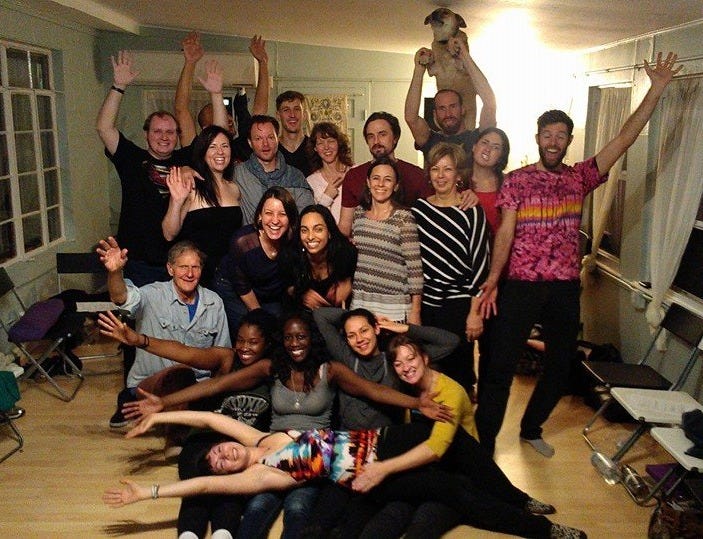
So we began charging closer to what others did. Never quite enough - we’ve been supplemented with angel funds for the past 5 years - but a “normal” rate, not counting the scholarships. Our website became sleeker, our software subscriptions numerous. We hired a social media manager and a consultant. We became professional.
And I became miserable.
It seemed like the more we charged, the less happy I was. My conversational emails were replaced by sales pitches, my wild new-every-month ideas by predictable course series. The people coming to our courses now weren’t those who I thought most needed them, they were those who could pay. We still got lots of lovely emails about how our work changed people’s lives - but it all felt transactional. I give you transformation, you give me a testimonial. You go back to your middle-class life and I go back to my computer.
I’m sure I’m overstating things. Being able to afford a training doesn’t mean people aren’t making change in the world. In fact, more money often means more reach, so perhaps we’re more influential than we were before. But I was stuck in a hamster wheel (my spirit animal): not enough money, not enough students, not enough impact. Charge more and we got fewer students; charge less and we couldn’t pay our staff.
Eventually it got to a breaking point. At the end of last year, Geof and I decided to leave the company.
We had planned to transition it to only on-demand courses and minimize our staff. Surprising us, our lovely little team asked to take on AuthRev themselves. We didn’t think it was a working business model even without our full salaries in the way - there are few people paying for luxuries like communication trainings in this economy. But we were happy for them to try.
As we get partway through the year, it indeed seems like live courses will be hard to sustain. So last month, with nothing to lose, I decided to try an experiment.
We were a month out from our next live Authentic Leadership Training. Me, Geof, and our marketing maven Sarah Jack were all about to enter into a major theatre production and be mostly unreachable for 3 weeks. The rest of the team was burnt out. I was staring down the barrel of a training I didn’t know how to fill. And in that “welp, fuck it” state, I finally got to try something I’d wanted to for years: “Pay What It’s Worth To You”.
There are many ways to do tiered pricing scales, and we’ve probable tried them all. One of my favorites is the Green Bottle scale:
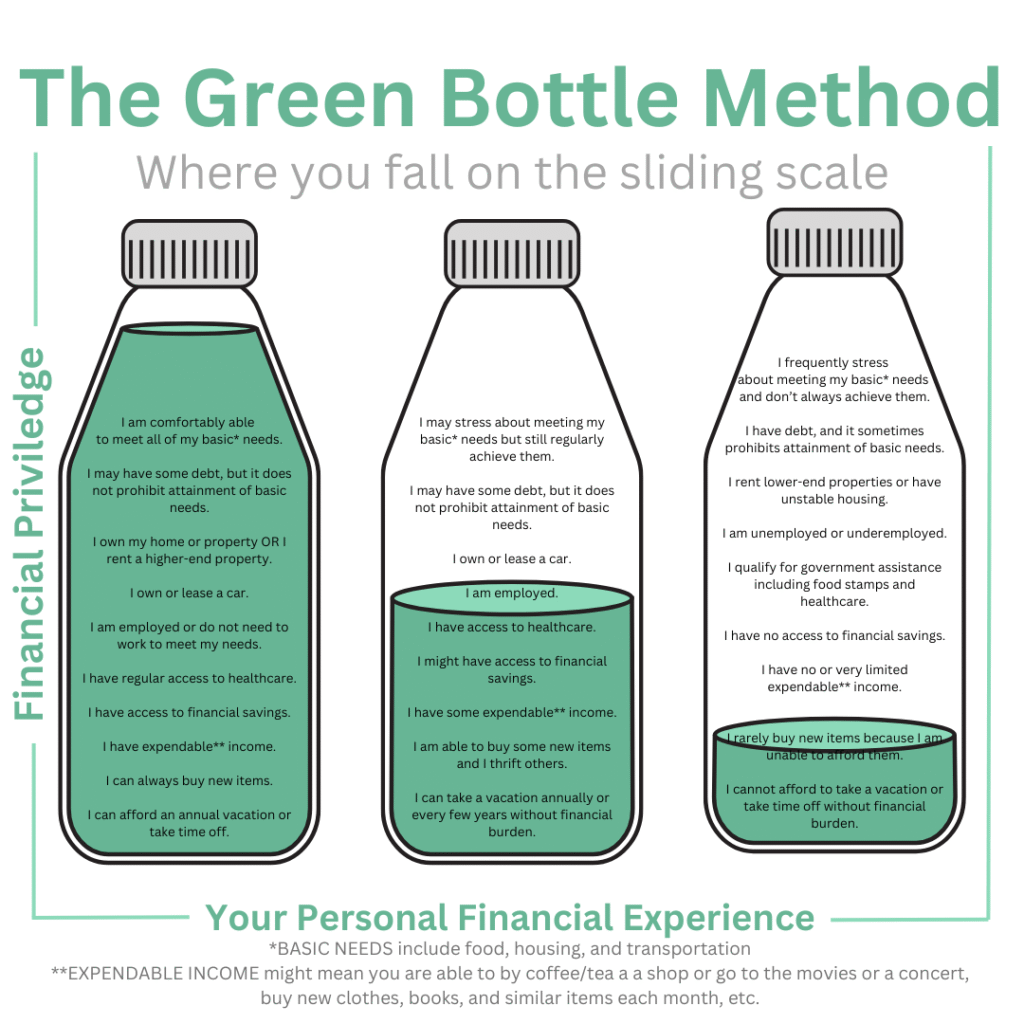
Anytime I see someone using this scale, I immediately trust their ethics more. We ourselves didn’t use this scale, because our students were from all over the world and thus a scholarship system allowed us to be more flexible with currency differentials and specific needs. But I hired my current therapist as soon as she included this image in her offer to work with me!
I tried my own version of this scale once, for a training that didn’t sell:
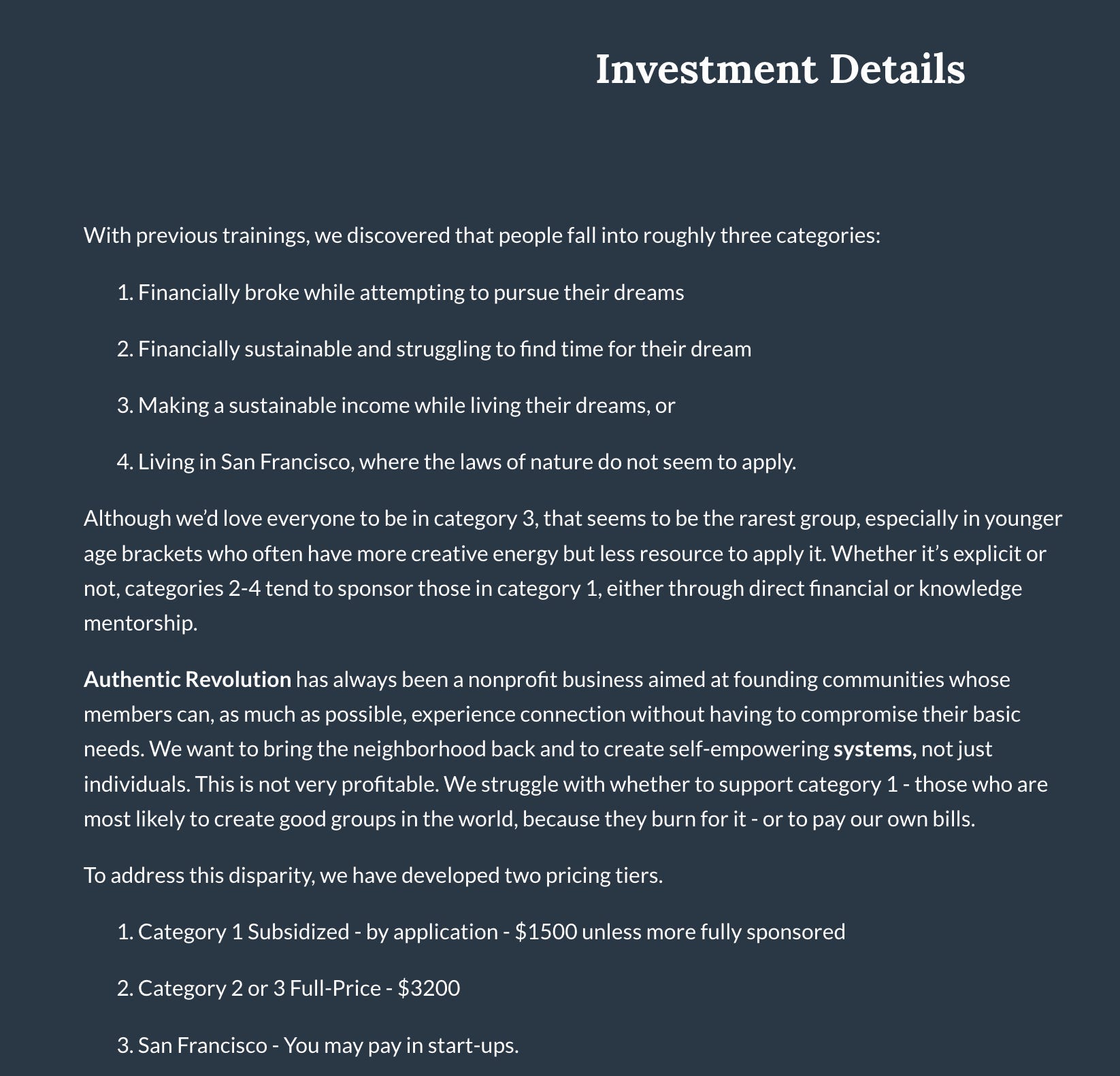
Gotta have that San Francisco clause.
These models are great, but they all rely on two fundamental ideas:
People will get more out of events when they pay a good price for them, and
If you don’t force people to pay, they won’t.
I call the first the “Coaching Clause”. It allows coaches to justify charging sometimes thousands of dollars for their work, because “the more you invest, the more you’ll get out of this”. In my experience, what actually happens is that people who can pay that amount either have enough money that they don’t care, or become so stressed about their finances that it outweighs the benefit they receive. I’m sure it does motivate some people, but I doubt they’re the majority.
The second supposition seems counterintuitive to question. But, I think back to Frederick Laloux’ beautiful book “Reinventing Organizations”, about Teal Integral companies. He has lots of examples in there - including the model of Advice Process, which I’ve used in my own orgs for years - about what happens when you give people free rein and trust them to do what is best for the collective.
Now, this idea rests on the idea of people feeling connected to The Collective. With a distributed network of communities and social media “friends” to which we over-subscribe, people may or may not feel the kind of social obligation that causes them to be responsible to each other. Social contracts are strongest in small-world networks.
But, I figured it was at least worth trying an experiment.
My team at AuthRev humorously called this endeavor “Pay From The Pussy” pricing. We tried it first at the Authentic Leadership Training.
To make the experiment safe for us, I first did some math. I hypothesized that money, not desire, was the biggest barrier to people joining our trainings. Thus, if the price was lowered, we’d get more people in. Our usual attendee count was about 16. I calculated how much each person would have to pay just to break even on food, venue, and other static costs if we filled to our max of 24.
That was the base price I charged. It evened out to just $295 including a shared room for 3 nights (usual price would have been $850). This meant that even if nobody donated more, if we filled, we wouldn’t lose money, aside from staff setup costs.
I then borrowed an idea from Vipassana and created the extra pay option at the end and not the beginning of the training. I wanted people to experience the value of what they were getting before deciding what it was worth.
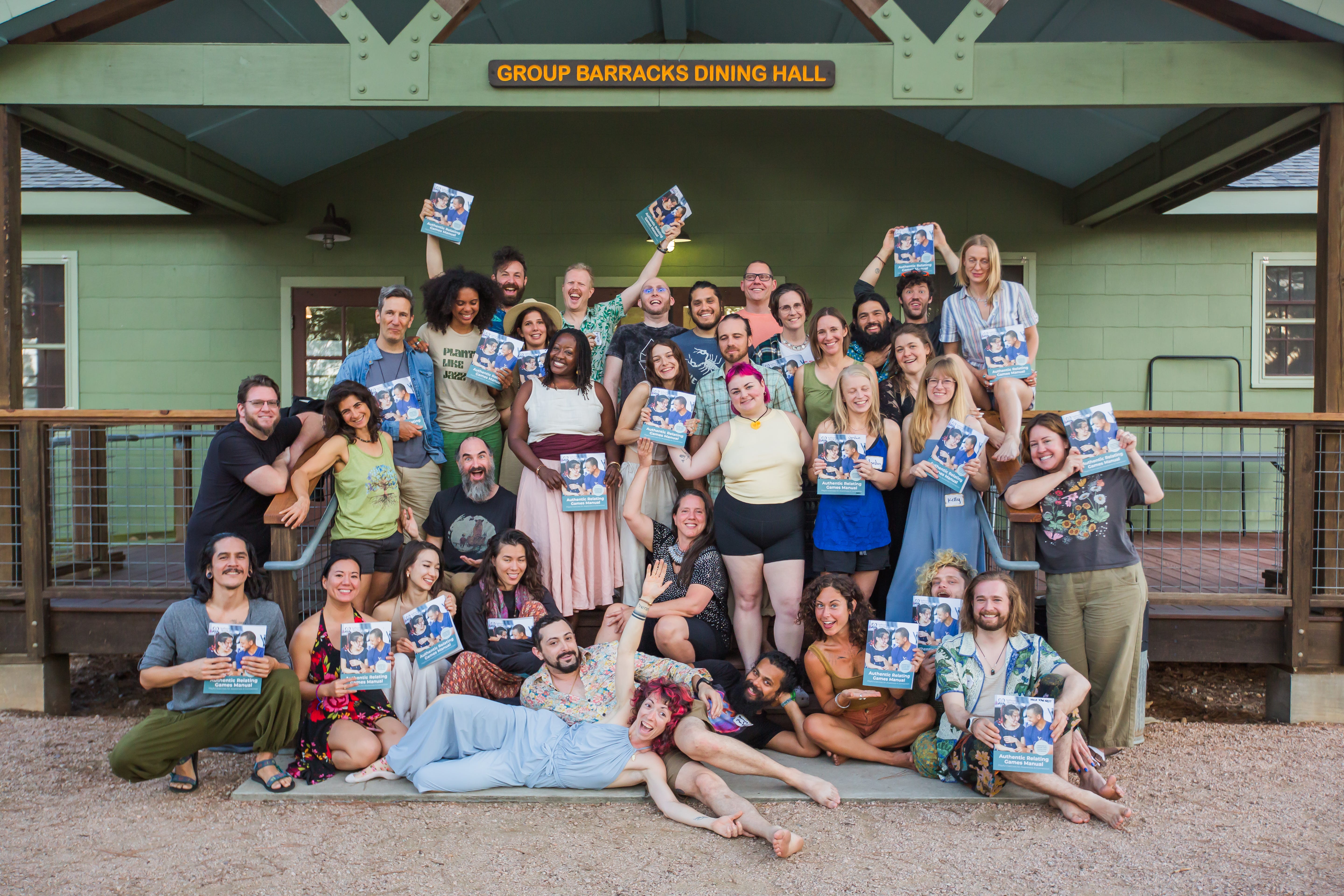
And oh man…was it a success.
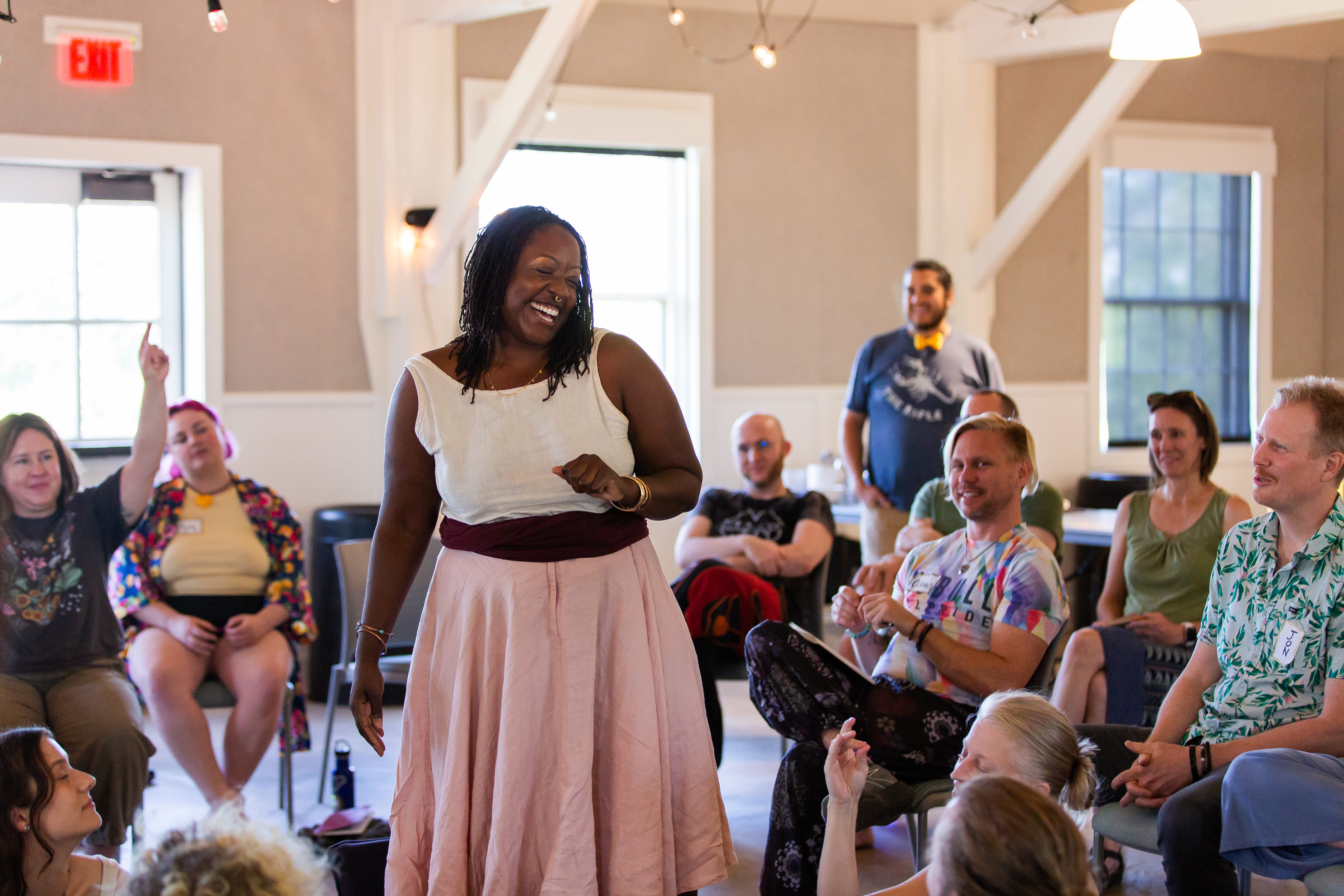
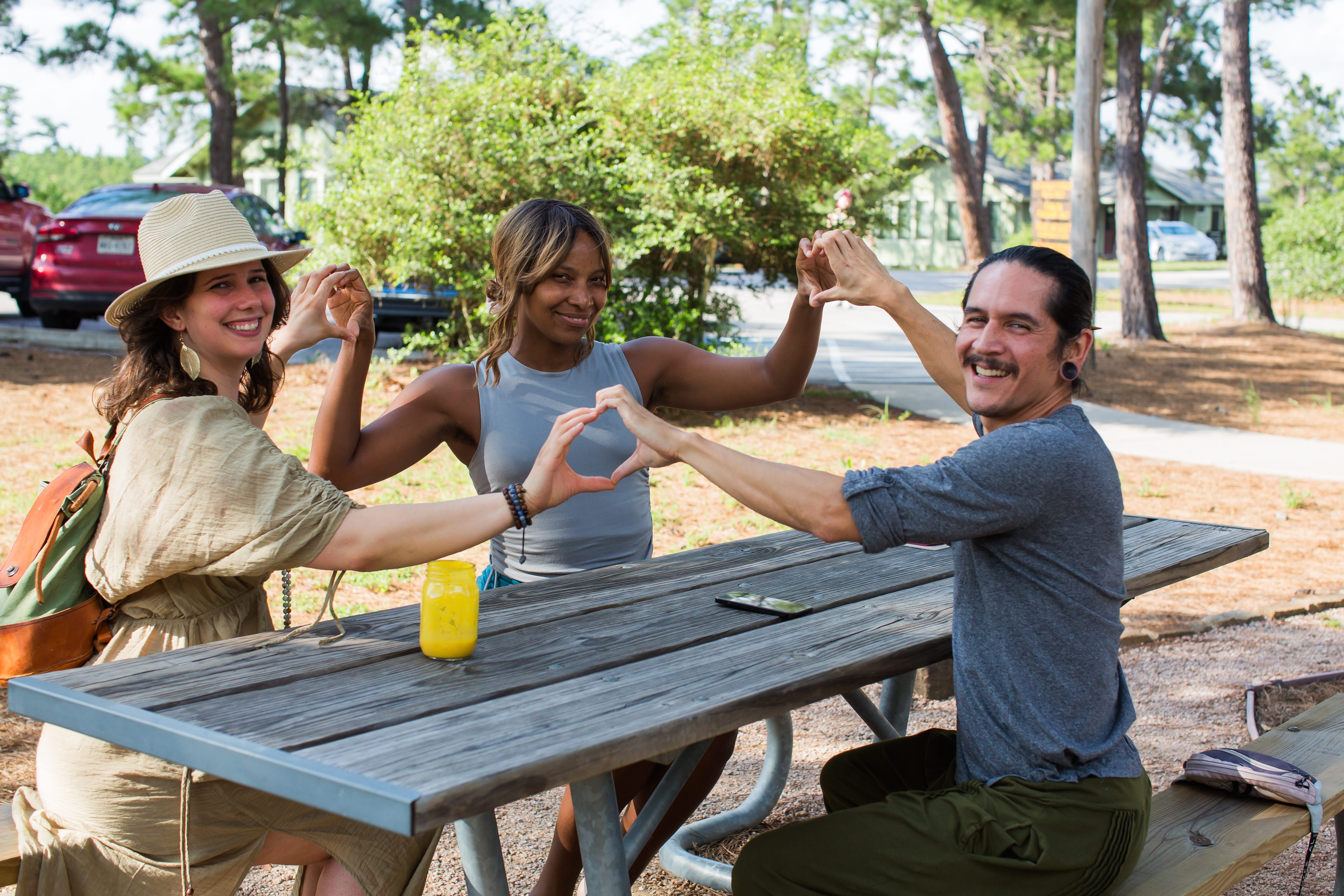
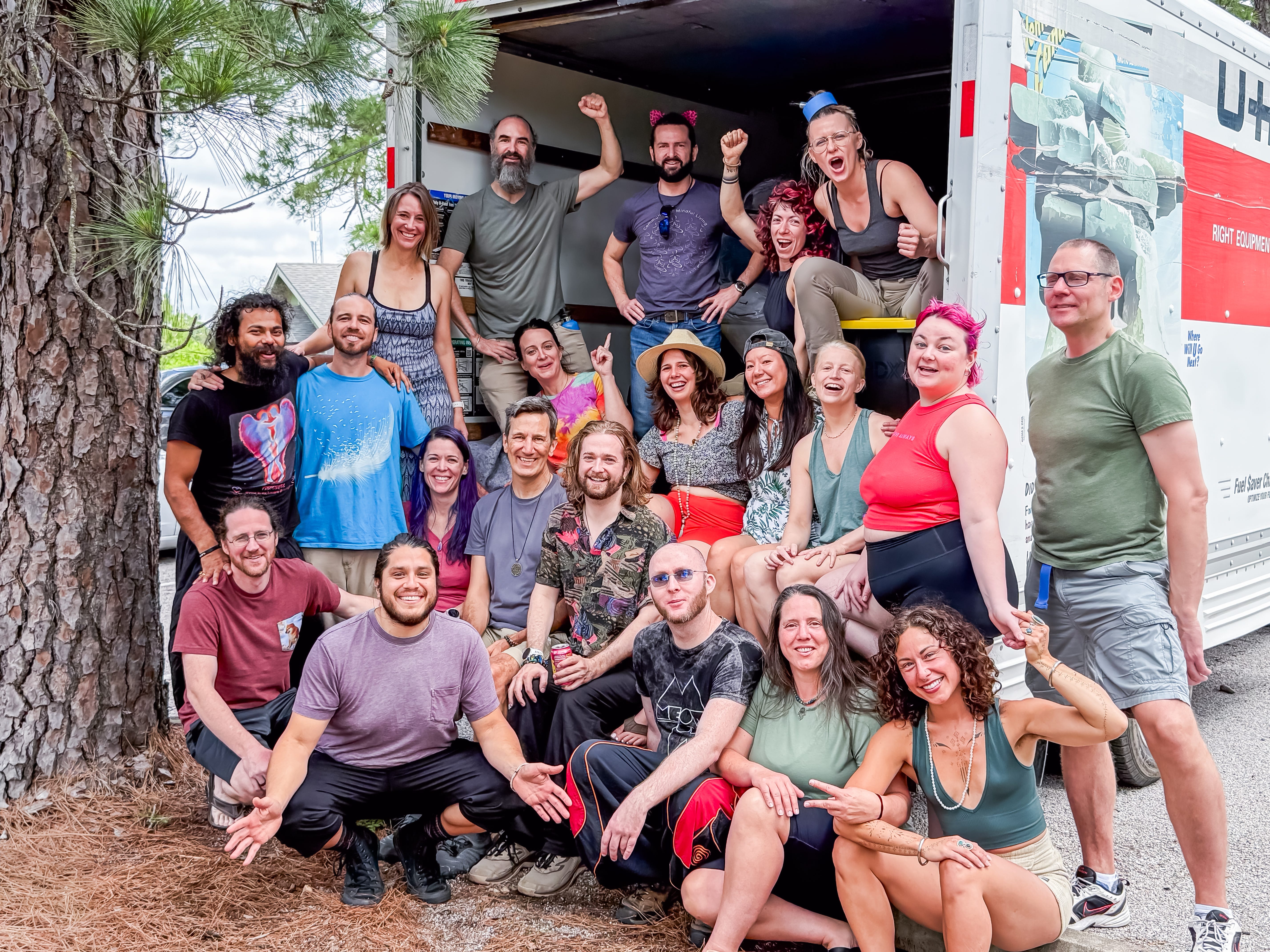
Within two weeks we were on a waitlist. We had whole groups of people coming in together. With a full roster and an incredible staff team (not to mention our amazing photographer Bridgett!), plus the wonderful lead team of myself, Geof, and Wilde, it was one of the most fun trainings I’d ever run.
At the end of the training, we made our pitch. We created 20 minutes for students to journal on what the training had changed for them - what they’d learned, where they’d grown, and what it was worth for them. They we put a basket in the center of the room and our Venmo on the board.
We made more than $4,000 in donations.
As with every pay-what-you-will kind of thing, about 1/2 of people donated and 1/2 did not. But the half that did made up for the others.
So a few months later, I tried a second experiment.
After a profound in-person experience, people are riding off the glow of connection and transformation. It’s easy for them to consider what something is worth. But what about selling a product? Can you make pay-what-it’s-worth work there too?
In all of these experiments, I had to convince my team to let me try this radical new thing. I did this in part by selling things that were under my personal purview or probably would fail if done another way. For the ALT, it was not only my training baby, but we didn’t have time to fill it. For this product, I created it in my free time and, from the beginning, stood for it being free.
It is called “Authentic Relating Games for Traumatic Times”. You can download it here.
I was going to post it up for free. But after the success of the ALT, I thought - why not put a donation link on it? People would be giving money BEFORE getting value, so it might fail. But I was curious to see.
317 people have downloaded the manual thus far, in the two weeks-ish that it’s been out. And it has made $2,076.
To put that in perspective, this is as if every single person who bought donated $6.50 for a free product.
In reality, once again, just about 1/2 of downloaders - 131 people - paid for the manual. Most gave between $10 and $20, with a range from $4 to $50.
We have one more experiment to try.
In the fall, we will hold all our live online trainings on a “pay what it’s worth to you” model.
Once again, we will calculate what we need to make to cover our basic costs provided the training fills. That will be the base price.
At the end (and possibly the middle, since online trainings have more attrition) we will ask for donations. If it was valuable to you, pass that value on to us.
In an economy unable to afford even its most basic needs, with trainings that we believe can help the world be more prosocial, why not trust people to be their best selves - the selves we are trying to support them into?
We’ll have our trainings up in the next week or two, if you want to join us.
Join the AuthRev list to be in the know
As for me, I feel an immense sense of relief. I am finally back in integrity: giving my trainings and products to everyone who needs them, not just those who can afford them. Trust falling into the arms of strangers. Being the Queen of Authenticity: honest with the pain of being dropped, but still believing we can love each other to the best of our ability. That those who can give will, for those who cannot.
Your Loving Thought-Dom,
Sara Ness
Share this post with someone who could use the ideas or inspiration!
Comments
Nothing yet. Say the first thing.
Sign in to join the conversation.