
The world feels like a scary place these days. Civil dissension, wars, AI, tornados and freezes and floods. I spend a lot of time reading history to remind myself that every generation has had its stressors. Still, our current one seems particularly intense.*
*Except for the Dark Ages, the Dust Bowl, and the 1918 flu. Those might have us beat.
As I am a particularly stress-prone person even when absolutely nothing is happening, I’ve been trying to figure out methods to regulate my reactions.
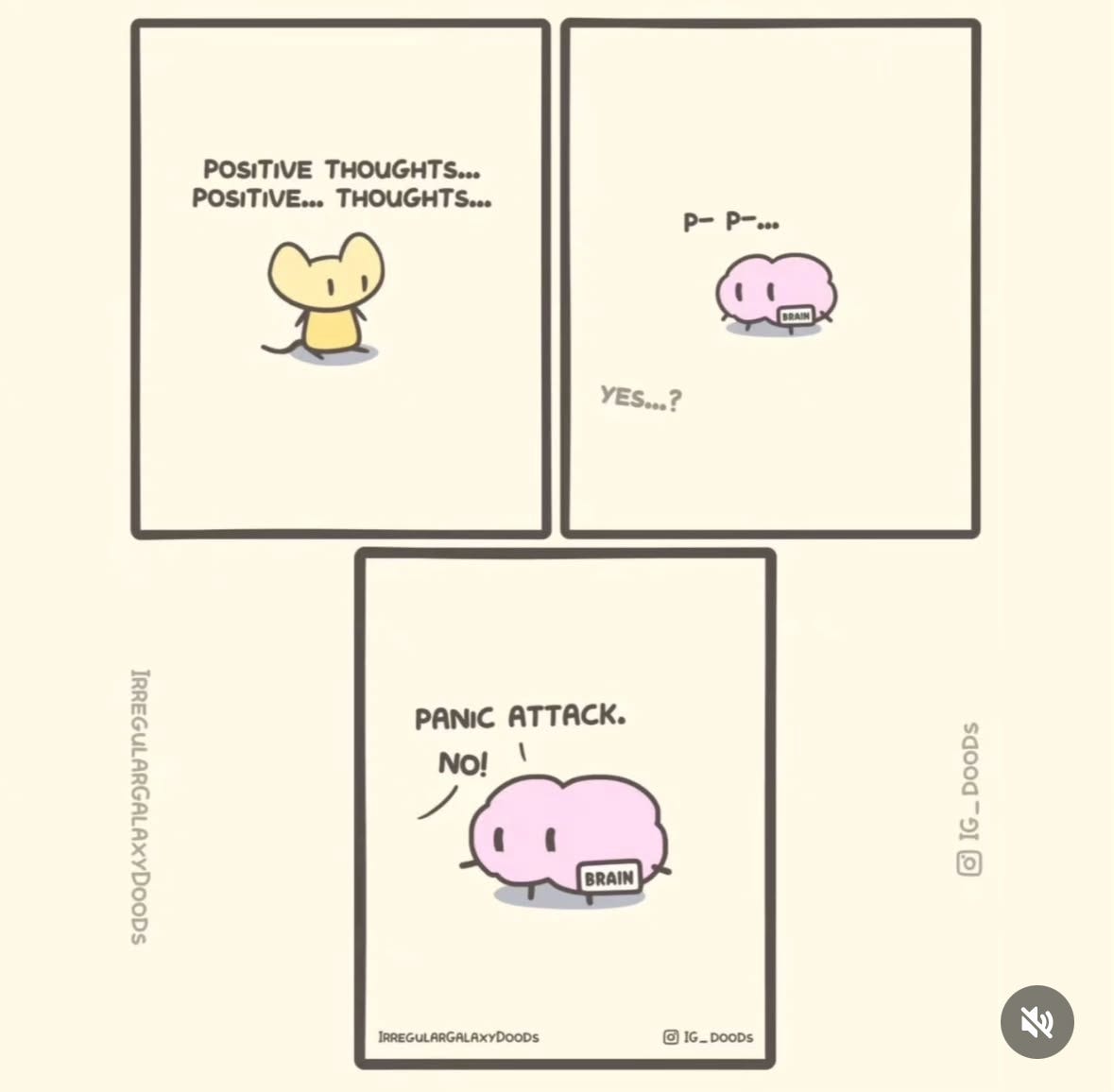
One of my tentatives has been Dissociation (TM). I’ve been consuming lots of fantasy. Work (TM) has also been a good distractor.
These, however, do nothing for the root cause: The World Being Fucked©️. I started thinking about what I could do to make a little drop in that great ocean.
Thus emerged the Authentic Relating Games Manual for Traumatic Times.
I’m going to post some excerpts below, and a sample pracitce. Below the paywall, I’ll post the full manual, for anyone who wants to see the V1 and make edits or comments!
A Manual of Authentic Relating Practices for Community Recovery & Post-Trauma Connection
This guide offers 10 trauma-aware relational practices to help communities reconnect after disruption, disaster, or collective grief. Each practice is based on the principles of Authentic Relating — simplified and adapted for communities with diverse backgrounds and high emotional states.
The manual is written so that you could use the exercises in sequence as a flow, or individually as complements to an event.
The manual was created by Sara Ness of SeekHealing / Authentic Revolution, Dr. Sarilee Kahn, and ChatGPT. Free connection events are regularly held by both organizations - check the websites for details.
Create space for honest communal grief while also surfacing resilience.
This practice holds the paradox of grief and resilience — not by resolving it, but by making space for both truths to sit side by side. For communities navigating trauma or change, this visible naming helps locate continuity, honor what’s been lost, and resource what still lives.
It’s a gentle ritual of collective meaning-making — and meaning is the beginning of healing.
Use in the middle or toward the end of a gathering, once some trust is established. Ideal for helping groups metabolize shared disruption or change.
“In times of crisis, it’s common to push away grief in order to survive, or to push away hope to stay loyal to loss. This practice invites us to gently name both.
We’ll create two columns together: one for what we’ve lost or what has changed forever, and one for what remains — or what is beginning to emerge in the aftermath.
You’re welcome to speak, write, or just witness. Let’s begin.”
Set up two columns on a large board or paper:
Column 1: What Was Lost or Changed Forever
Column 2: What Remains or Is Coming To Be
Begin with the left-hand column. Invite participants to name things the group or community has lost. These may be people, places, routines, roles, innocence, safety, etc. Write or draw them in the first column.
Examples: “Our neighborhood gathering spot,” “Trust in the system,” “My old sense of purpose.”
When the space feels ready, invite additions to the second column.
Prompt: “What is still here? What has emerged in the rubble? What have we held onto or newly discovered?”Examples: “My neighbor’s kindness,” “The ability to adapt,” “A slower pace,” “The sound of birds.”Close with a grounding gesture: A group breath, hand over heart, or moment of silence for what was named.
“What was it like to name your loss to others?
“How was it to think about what remains?”
“How does it feel to see both lists side by side?”
Anonymity: Use sticky notes or index cards so people can share anonymously.
Small groups: Break into groups of 3-5 to share. This allows more time for each person to speak and process their ideas. You can give a time for each person (1-2 minutes for grief, go around, then change the prompt to hope). Or give 5-8 minutes for the group to collectively answer the first prompt, then 5-8 minutes to answer the second.
After the time is up, invite the groups to come back, and do the column harvest as detailed above.
Progression: Add an optional third column: “What we want to carry forward.”
If one column is longer, that’s okay. Let grief have its weight, and hope arrive if and when it wants to; do not force a balance between the two.
Allow each part of this exercise to take its time. It’s okay for it to feel heavy, or go longer than expected; or shorter. Hold silence gently. Reflect back what’s shared without minimizing.
If the group is struggling to find the words:
Invite everyone to close their eyes and think/feel for a minute about what they’ve lost (first round) or what they’ve gained (second round).
Start with a share or two of your own.
Thanks for reading Sara’s Substack! This part of the post is public, so feel free to share it. Subscribe below if you want more content like this.
Comments
Nothing yet. Say the first thing.
Sign in to join the conversation.