
Welcome to At the Table With, an interview series where I invite fellow French cooks and creatives—whether native or adopted—to join me at my table for conversations about all things related to French food and lifestyle. Together, through their voices and stories, we’ll explore the many rich facets of French living—from Brittany to the French Riviera—and how locals savor everyday life: one meal, ritual, and moment at a time.
Bonjour friends,
I’m delighted to welcome Sif Orellana to our table today ! If you don’t know her yet, Sif is a talented Danish chef, photographer, and seven-time award-winning cookbook author, with more than 20 books to her name. Through her work, she beautifully combines her passion for food, storytelling, and photography.
In 2022, after her youngest son left home, Sif found herself longing to rediscover and redefine her path. Then, in early 2024, following a remarkable leap of faith (which you’ll read more about in the interview below), she purchased Maison Violette: a charming house with purple shutters in the Languedoc region of France, and embarked on an entirely new chapter of her life.
Soon after, she launched her Substack, Maison Violette, which she describes as “a personal lifestyle journal dedicated to the charm, adventure, and joy of my new life in the picturesque Languedoc region of France.”
I first discovered Sif through Substack and was immediately captivated by her beautiful photography. As I began reading her stories, I was drawn to the way she shares her reflections, her explorations of French villages and markets, her recipes, and the everyday joys and challenges of settling into life in the French countryside.
I’m so grateful that Sif took the time to answer my questions and share more about this exciting new French chapter. I have no doubt that her story - and her courage to embrace such a significant life change - will inspire many of you.
Bonne lecture !
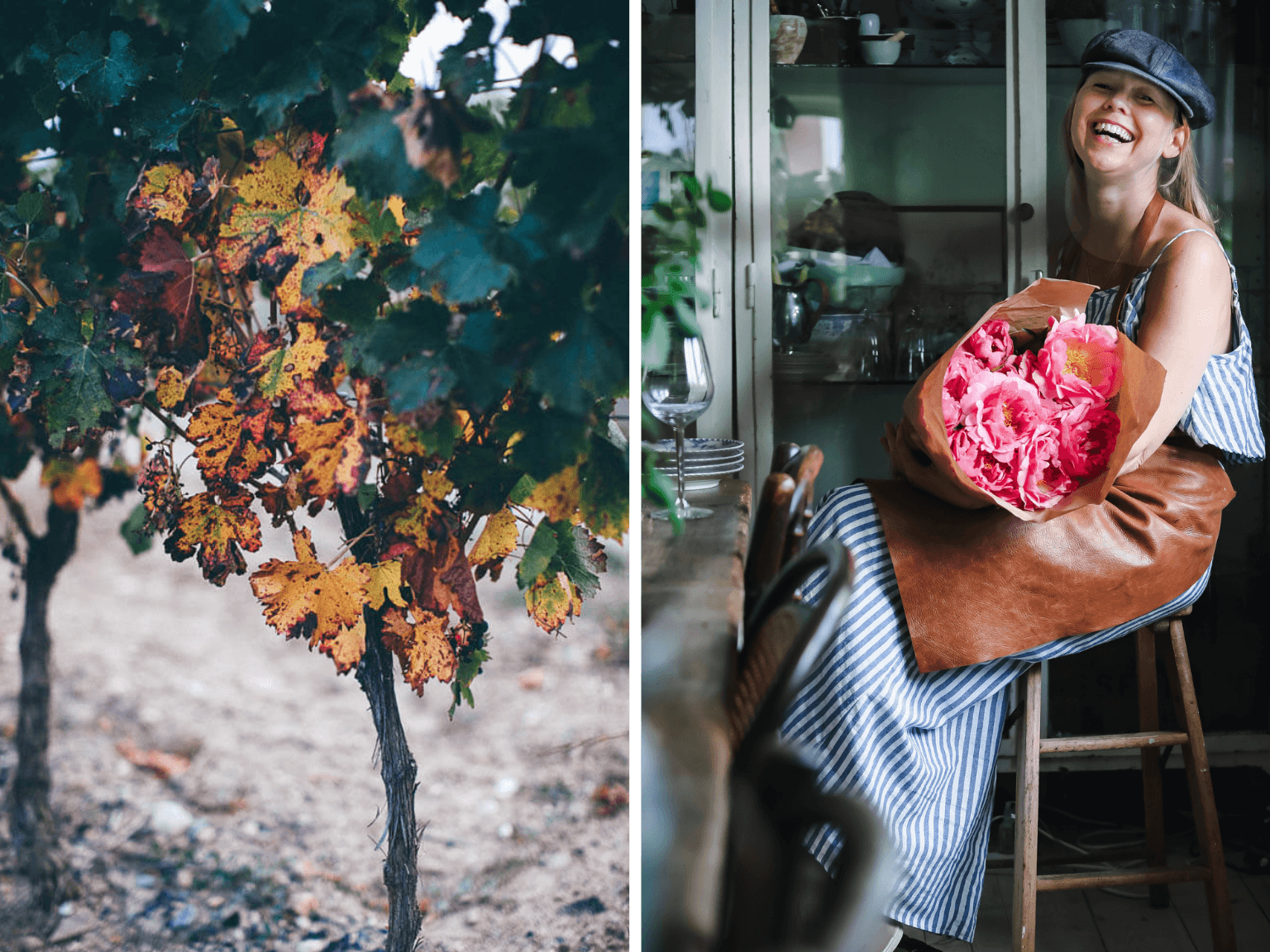
Audrey Le Goff: Could you tell us a little about yourself, your work, and the path that led you to create Letters from Maison Violette? When did your connection with France first begin?
Sif Orellana: I’m Sif – Danish author, photographer, retreat host, and a firm believer that life can be rearranged at any age, provided you’re willing to follow curiosity, trust your instincts, and be at least a little delightfully impractical about it.
I’ve written twenty books, built a retreat business called Sisterhood Retreats that has been gathering creative women in beautiful European locations for twelve years, and now I write Letters from Maison Violette – a Substack that found nearly ten thousand readers in its first year, which still surprises me every time I think about it.
But my connection with France started long before any of that. I was 19 years old when I spent four months in Paris – studying, wandering, falling in love with the light and the bread and the particular rhythm of a city that seems designed for people who take pleasure seriously. France got under my skin then, the way it does. I went home to Denmark, lived my life, raised my boys, wrote my books, and carried France quietly inside me the whole time.
Then my youngest son left home. The nest emptied. The silence arrived all at once. And somewhere in that stillness, I started hearing something I’d been too busy to hear before – a voice that said: now. It’s time.
Maison Violette followed from that.
ALG: Was there a specific moment when moving to France shifted from a dream into a real plan? What made you take the leap? What drew you specifically to the Languedoc-Roussillon?
SO: Oh, there was absolutely a specific moment. A very ordinary Tuesday morning moment, as it turned out.
I had been quietly following a Swedish family on Instagram for four years – watching their life unfold in a small stone house in a village in the Languedoc. I had never been to the Languedoc. I knew nobody there. But something about their house and their village kept pulling at me softly, the way certain things do when they’re trying to tell you something.
Then one morning over my coffee, the house appeared in my news feed with a for-sale sign.
Three days later, I was on a plane.
I had always imagined France would mean Paris for me – I had my four months there in my twenties, I had visited 2-3 times per year ever since. I knew the city, I loved it. The Languedoc was not in any version of my plan. But when I arrived to the village and stepped over the threshold to the house for the first time, something settled in my body in a way I can only describe as recognition. Like arriving somewhere I had already been, in some version of myself I hadn’t quite lived yet.
So the Languedoc chose me, really. I just had the good sense to say yes.
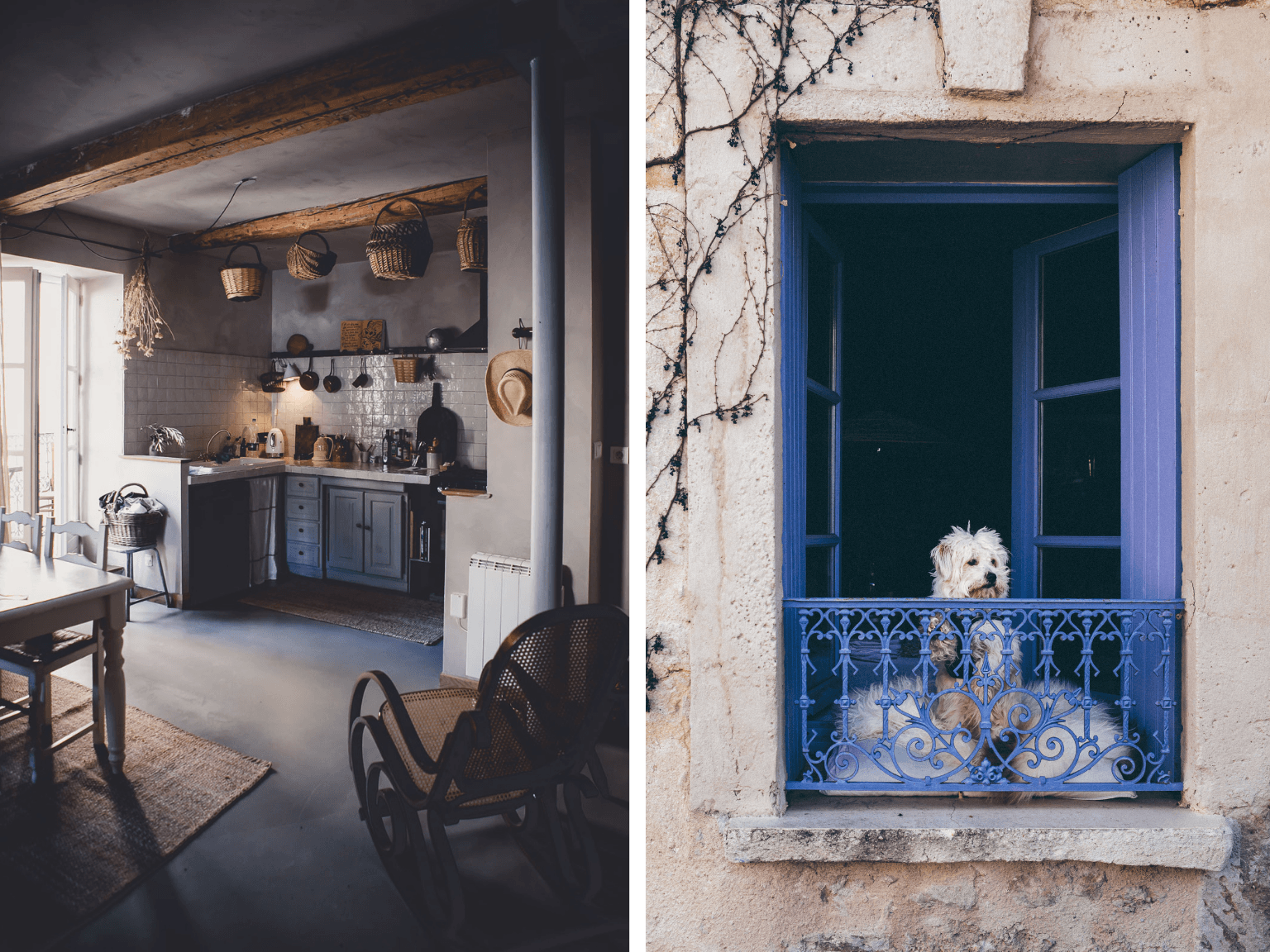
ALG: What were some of the biggest challenges during the transition? Is there anything you wish you had known before moving?
SO: The bureaucracy. Dear god, the bureaucracy.
Nobody tells you quite how elaborate the French administrative system is until you are in the middle of it, with documents you don’t fully understand, in a language you’re barely managing, at a pace that requires a kind of spiritual patience you may not yet have developed. Opening a bank account as a foreigner alone felt like a minor odyssey. The notaire process moves in its own time, which is not your time and is not negotiable.
I wish someone had sat me down firmly and said: budget more than you think, hire a good local notaire from the start, and make peace with the fact that it will all happen – just not on the schedule you had in mind.
ALG: How did you come across Maison Violette? Was it love at first sight? How did you find the process of buying as a foreigner?
SO: Instagram, of all things. Which feels both very modern and slightly ridiculous as an origin story for a centuries-old stone house.
I had been quietly following a Swedish family for four years, watching their village life, filing it away under someday, maybe. Then the for-sale sign appeared. Three days later I was there. And seventeen minutes after stepping through the door, I knew.
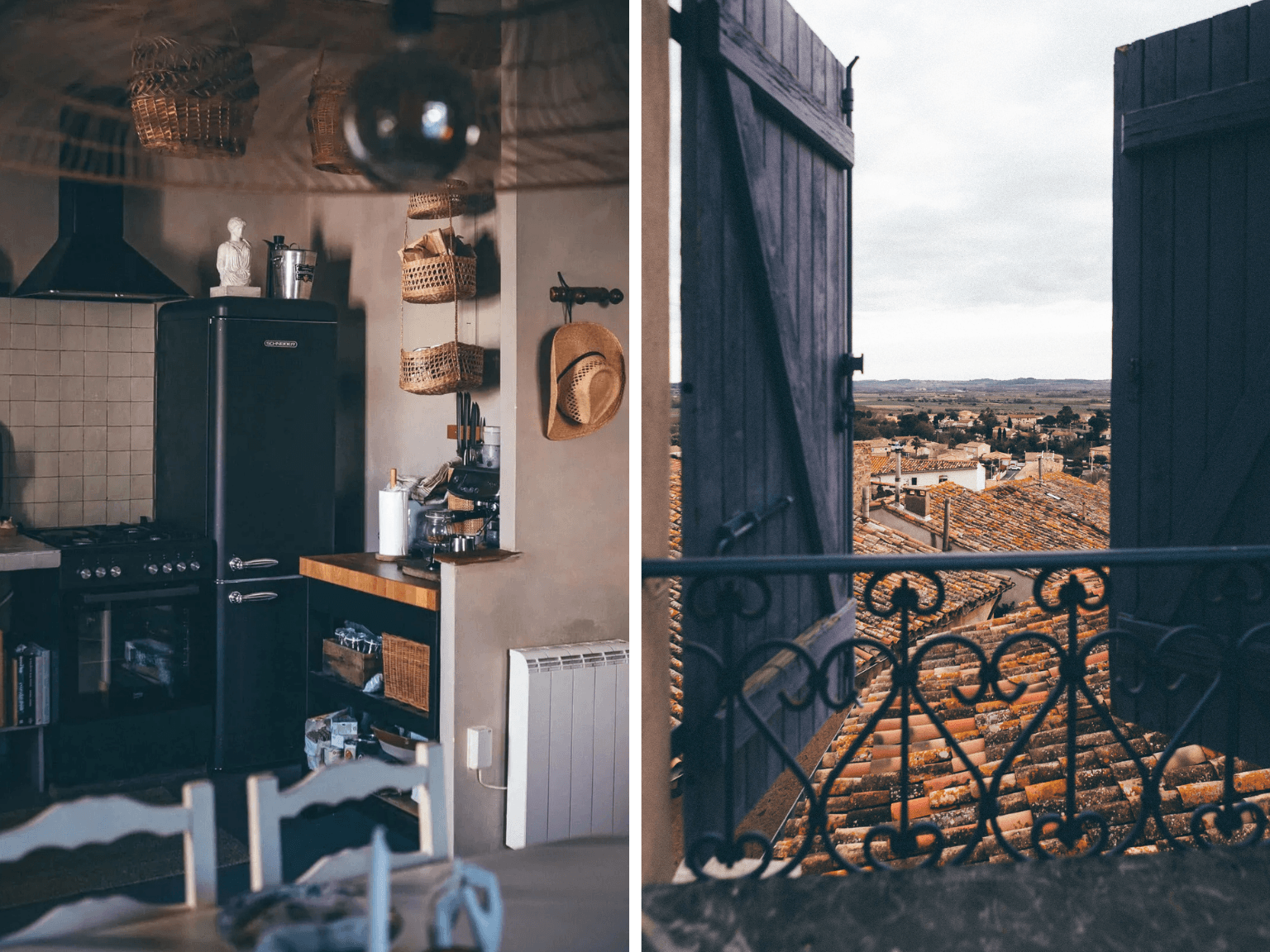
Not because it was perfect on paper – it wasn’t. But because it felt like recognition. Like something I had been carrying quietly inside me had suddenly found its shape in stone and violet shutters and a rooftop terrace where the view of the terracotta-coloured roofs and the lush landscape simply blew me away.
The buying process was – let me be honest – an adventure. The paperwork was long and technical and in French, which was at that point still largely a foreign language to me. The notaire process has its own pace and its own logic, and understanding exactly what was and wasn’t included in a French property purchase turned out to be far less straightforward than I had naively imagined.
But when the decision is right – genuinely, bone-deep right – the details have a way of working themselves out. The keys arrived. I walked through the door of my own house in France. And that was a sentence I am still not entirely used to saying.
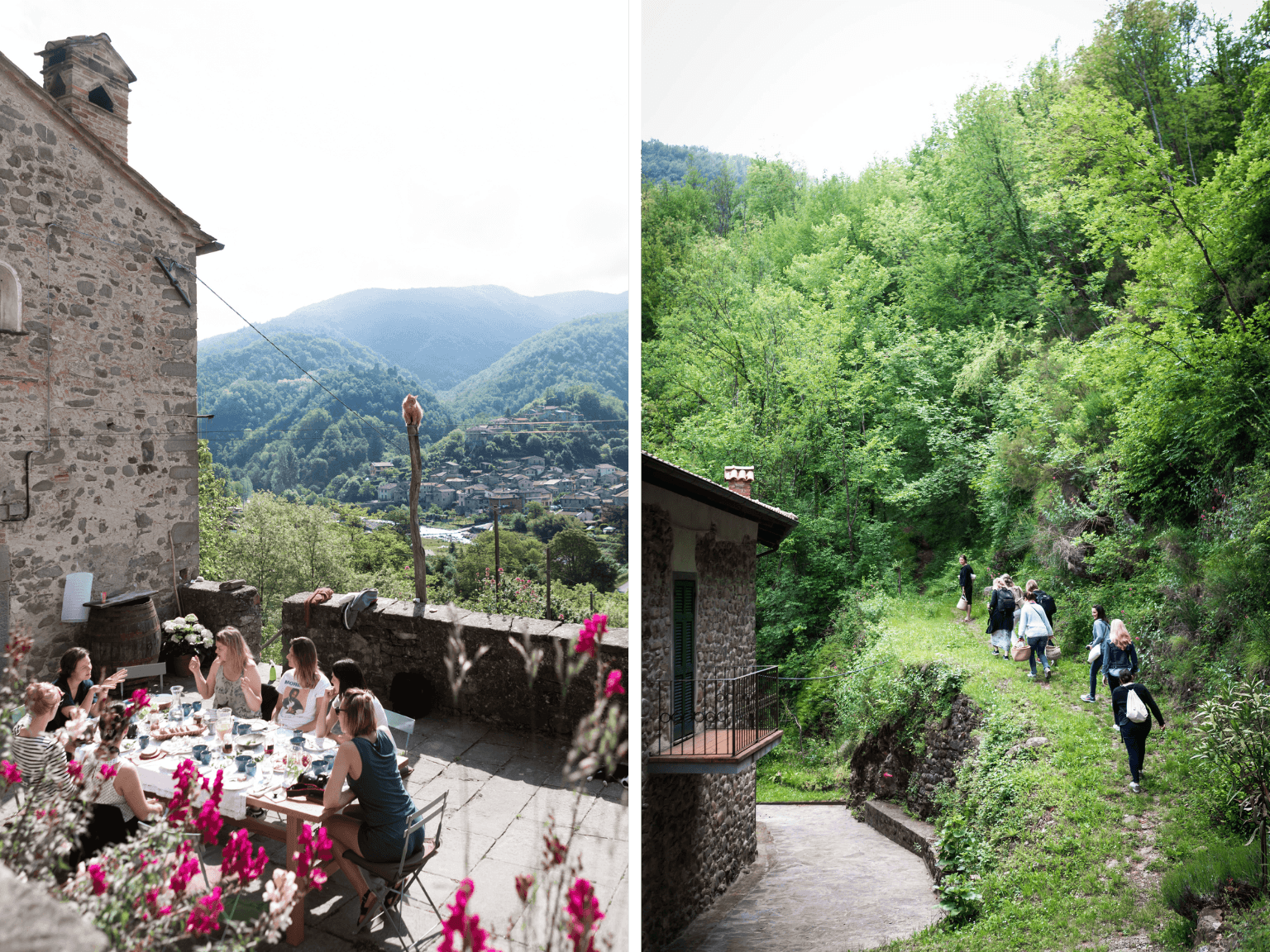
ALG: What has surprised you most about daily life in rural France – both in delightful and challenging ways?
SO: The greetings. I was not prepared for the greetings.
In my village you say bonjour to every single person you pass. Every person. Every time. No exceptions, no anonymity, no urban invisibility. After years of city life, being acknowledged by strangers felt almost startling at first – and then, quite quickly, completely necessary. I now cannot imagine living without it.
The pace surprised me too – and keeps surprising me, in the best way. Life here is organised around different priorities. The meal is an event. The market is a social occasion. Sunday is genuinely Sunday. There is a relationship with time here that feels, once you have adjusted to it, not slower exactly – but saner. More honest about what actually matters.
ALG: Where are you currently finding inspiration in your surroundings?
SO: Everywhere, honestly – and I am aware that sounds like the kind of thing people say, but here I mean it quite literally.
The light alone is enough. It arrives differently at every hour of the day in the Languedoc – pale and tentative in the early morning, warm and direct by ten, and then at six in the evening, it does something to old stone that I have been trying to photograph for two years and still feel I haven’t quite captured.
The Saturday market in Pézenas. My morning walks with Clark through the village — which he conducts with the focused enthusiasm of someone who finds everything equally worthy of investigation and has absolutely no concept of being in a hurry. The brocante markets. The landscape that changes colour depending on the light and the season and your mood. The cooking — the slow lunches, the smell of something unhurried in the oven late in the afternoon, the way a meal in the south of France is never just a meal. It’s always also a conversation with the place you’re in.
And the village itself. The medieval street outside my door. The swallows that return every summer and perform something extraordinary every evening at dusk. The winebar owners who now greet me like a neighbour rather than a visitor.
It is, I have found, very difficult to be uninspired here. The place doesn’t really allow for it.
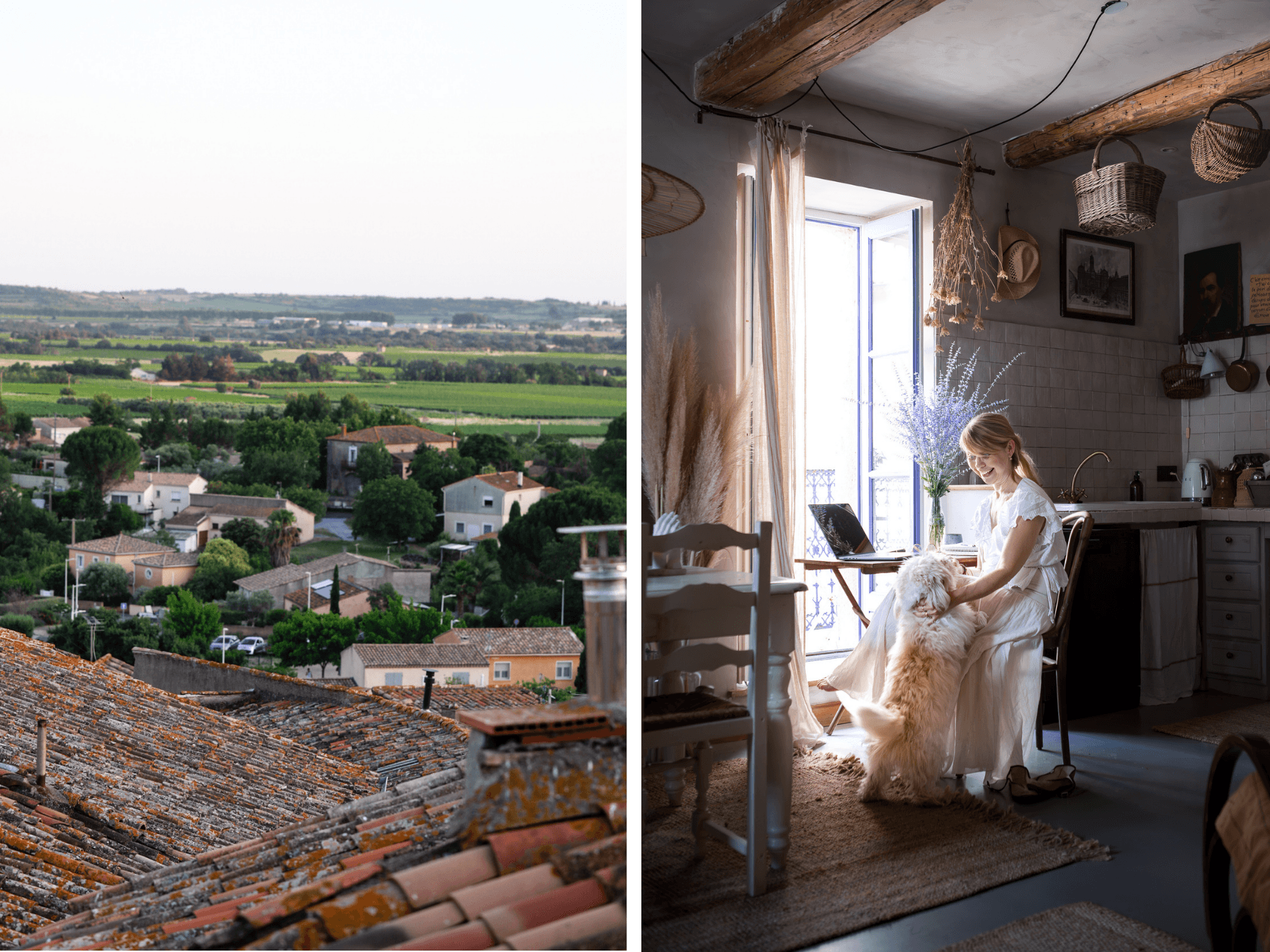
ALG: What does a perfect day at Maison Violette look like for you right now?
SO: It begins without an alarm. Coffee made slowly, taken outside if the morning is warm – and in the Languedoc, the morning is almost always warm.
Some writing followed by a walk with Clark through the village or along the fields – him investigating everything with complete democratic thoroughness, me trying to keep up and mostly just watching the light.
The market, if it’s Saturday. Or a slow wander through the village, stopping for a conversation I can only half follow, but where the warmth needs no translation.
A long lunch. This has become non-negotiable and one of my greatest pleasures – the meal that begins casually and somehow lasts three hours because nobody is in any particular hurry to be anywhere else, and the wine is good, and the afternoon is too beautiful to rush.
The afternoon for reading, or photography, or letters. And then the evening – that particular hour when the heat lifts and the light turns everything honey-coloured and the square comes quietly to life, and there is nowhere I would rather be.
It is, I should say, also quite an ordinary day here. Which is perhaps the whole point.
ALG: How would you describe your cooking style today? Has living in France shifted it?
SO: My cooking has always been rooted in atmosphere as much as technique – the meal as a way of being present, of creating something around the table that goes beyond the food itself. France hasn’t changed that. It has deepened it.
What it has done is make me slower and more deliberate. Less interested in complexity, more interested in quality. More willing to let one extraordinary ingredient be the entire point of a dish.
The markets did that. The first time I went to the Saturday market in Pézenas and bought tomatoes that actually tasted like tomatoes – emphatically, unapologetically like tomatoes – something shifted. Or the peaches in August. Or the chèvre from the man who can tell you everything about his goats. When the ingredients are that alive, you stop trying to be clever with them.
The things I cannot live without now: fleur de sel from the Camargue on everything. Local olive oil that tastes of the place it came from. Fresh chèvre with good bread and nothing else. And herbes de Provence – the real thing, dried in the sun – which I have begun transporting back to Denmark in quantities that are probably excessive.
ALG: Do you have any favourite hidden gems in the Languedoc-Roussillon?
SO: Pézenas first – one of the towns closest to my village, medieval and beautiful, with a Saturday market that manages to be both completely local and quietly magical. Molière’s town for a time, and you can feel it in the streets.
The Canal du Midi, which I return to again and again – sometimes just to sit by the water under the plane trees and watch the light do its thing. There are stretches of it that feel entirely removed from the present century, and I mean that as a compliment of the highest order.
Guilhem-des-Désert – a tiny, almost impossibly beautiful village tucked into the hills above my own, where the garrigue smells of wild thyme and rosemary and the views stretch out over the Languedoc plain in a way that stops you mid-sentence. It draws its share of visitors – and honestly, once you see it, you understand completely why. But go early in the morning or in the softer light of early evening, and something of the magic returns. It feels like a place that has earned its beauty over centuries and knows it.
And then there’s my own village square on a warm evening, with the winebar open and the swallows overhead and that golden light arriving just before dark.
ALG: What advice would you give to someone dreaming of starting a new life abroad?
SO: Don’t wait until you feel completely ready. You won’t. That’s not how it works.
Most new chapters abroad begin long before the plane ticket is booked – they begin with a quiet, persistent feeling that something inside you is asking for more. More aliveness. More adventure. More of the particular freedom that comes from finally choosing yourself over the comfortable and the familiar.
You don’t need to have every detail figured out before you begin. In fact, the details have a way of arranging themselves once you’ve made the real decision – the internal one, the one that happens before anything practical follows. Courage is rarely one dramatic leap. More often, it’s a series of small, brave decisions that slowly, quietly build a different life. A research trip. A longer stay. A conversation with someone who has done it. A lease signed somewhere that frightens you just enough.
For me, moving between Denmark and France was never really about escaping one place. It was about moving closer to a version of myself that felt more free, more creative, and more fully alive. I bought a 200-year-old stone house in a medieval French village that I had been secretly obsessing over on Instagram for years. I had no master plan. I had a longing and the willingness to take one step. That was enough to begin.
And here is what I know now, on the other side of that decision: the life you are dreaming of is not as far away as it seems. It is separated from your current life by far fewer steps than fear would have you believe.
Most people already know when a new chapter is calling them. The hardest part – and the most important – is simply trusting that feeling enough to answer it.
Thank you so much Sif for sharing this moment with us.
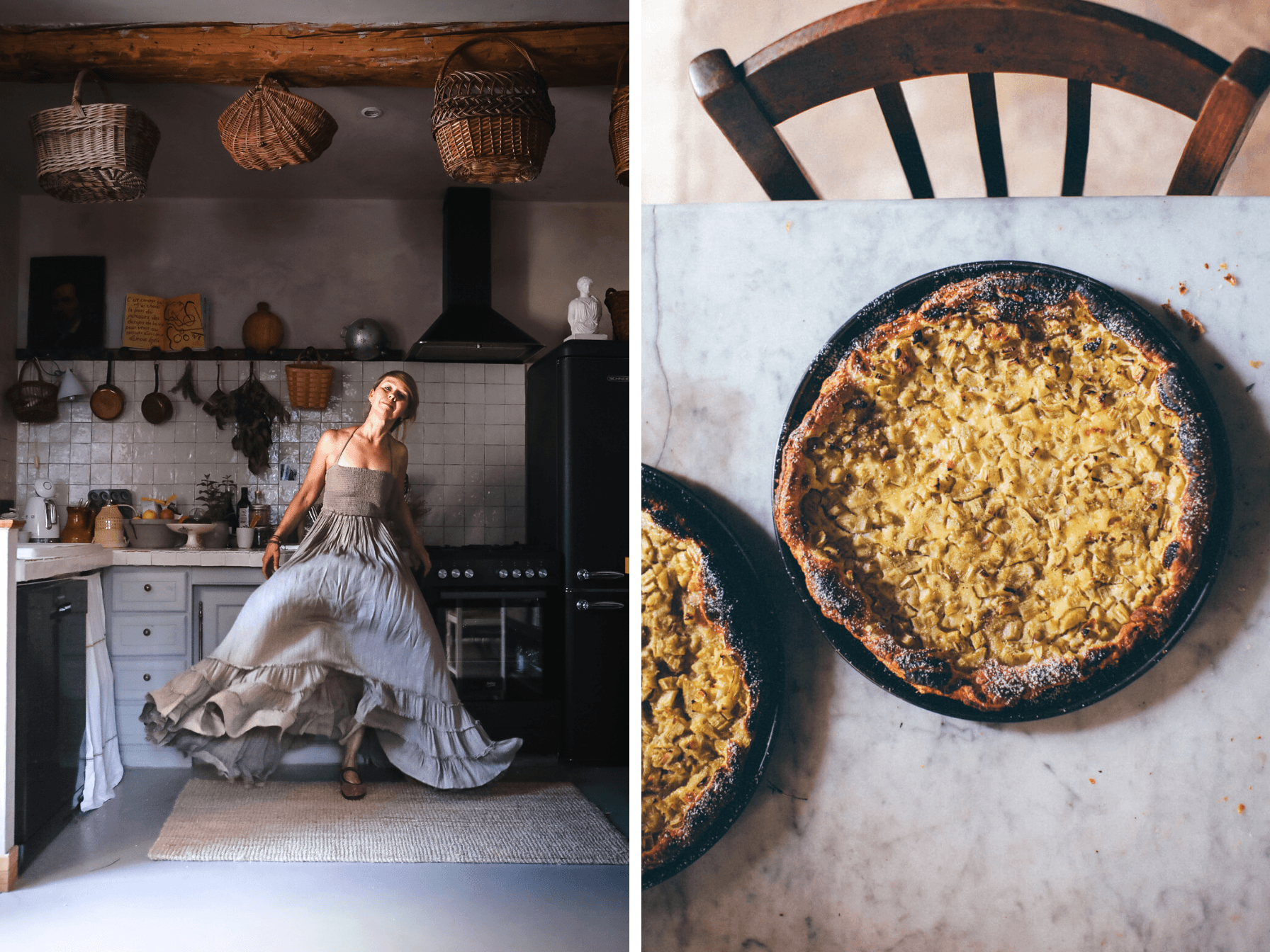
And to finish on a delicious note, Sif is kindly sharing with us a recipe for Rhubarb Galette (for paid subscribers). Bon appétit!
Comments
Nothing yet. Say the first thing.
Sign in to join the conversation.