


As we head into the New Year, you are going to hear more from us on the R&D side of things. Science takes time and money, and this year we are seeing the maturation and exiting positive results of research we funded to move forward to the next stages.
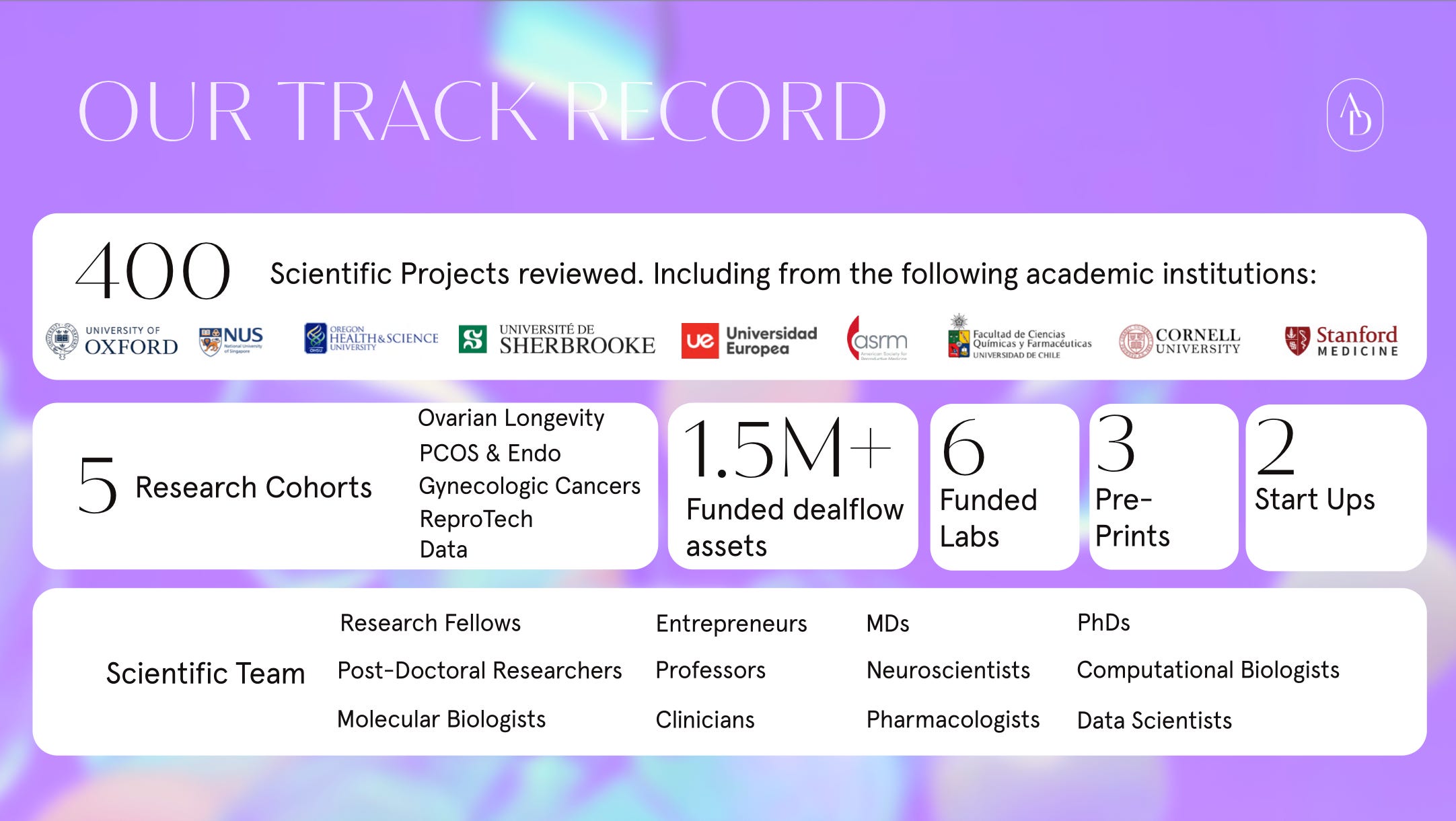
2025 was very busy for us. From supporting our first academic spinout for a menopause forecasting company, our first decentralized clinical trial, Demo Day, to our Fertility 101 Course, come hear about what we’ve done:
Join us to learn our plans for 2026
Date: Tuesday, December 16th, 2025
Time: 9:00 AM PT / 12:00 PM ET / 6:00 PM CET
Set your calendars: X / Twitter Spaces
By Anaelle Harel, one of AthenaDAO’s Science and Deal Flow Co-Leads and a senior medical student at King’s College London.
It’s more than just pregnancy - the Ovary’s reach impacts systemic health, champions innovation and shapes the fabric of our society.
In the pantheon of biology, the Ovary is usually aligned with the image of the goddess Aphrodite - beauty, desire, reproduction. Yet this misses her true nature. The ovary stands as Athena’s biological parallel - a masterful strategist orchestrating complex biological systems with unparalleled intelligence. Far from merely serving reproduction, this powerful organ commands pathways that govern metabolism, shape cognitive function, and influences the very arc of human longevity.
To many of us, the ovary is a distant organ - one that we often forget to name in trivia. For about 50% of us, that distance is widened because we don’t have one. For others, it feels irrelevant to our stage in life. But what if I told you that our current approach to understanding the ovary was myopic to say the least?
The truth is, ovarian health is not just “women’s health.” The ovary is a prime example of our deeply interconnected biology - where advances in understanding one organ system have driven breakthroughs across medicine, and where neglecting its importance carries profound shared societal consequences.
The ovaries are best known for their role in egg (known biologically as the ovum) and reproductive hormone production (estrogen & progesterone). Whilst its role in reproduction is crucial, it’s equally important to acknowledge its role beyond. From metabolic regulation to heart health and neurological function, the ovaries coordinate a delicate balance necessary for overall health across one's life.
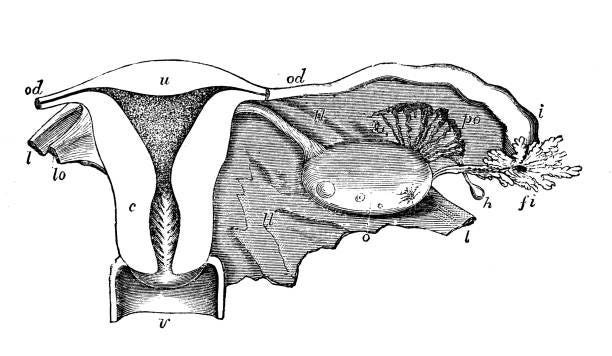
But we’d be doing ourselves a disservice by siloing it into the box of gender-specific organs. Understanding these organs can, and has, unlocked fundamental mechanisms of biology that have cascading effects, from diabetes to Alzheimer’s disease.
The activin-inhibin system, initially studied for its role in ovarian follicle development, is now widely recognised for its contribution to organ regeneration, inflammation, cancer biology, and glucose metabolism in both men and women. Its clinical relevance in disease and therapy is influencing diagnostics, treatment strategies, and therapies across medicine.
And when ovarian research isn’t our first point of entry, understanding how ovarian pathways regulate signals in the rest of the body uncovers important insights. Studies of ovarian hormones have significantly advanced our knowledge of Brain-Derived Neurotrophic Factor (BDNF), a protein essential for brain function and neuronal health. The discovery that estrogen enhances BDNF expression has revealed key regulatory mechanisms for this crucial protein, and this link is now being investigated in relation to Alzheimer's Disease, stroke rehabilitation, and depression across genders.
The ovary, while fundamentally designed to create life, transcends this singular purpose to serve as a crucial nexus where fundamentals of human health converge and reveal themselves. Its reproductive function, rather than limiting its significance, becomes the gateway through which we discover its profound influence on metabolism, cognition, and aging. As we venture beyond the boundaries of traditional perspectives, we open doors to medical applications with profound implications for men and women alike.
Beyond biological connections, innovations in Ovarian health - with wisdom reminiscent of Athena - are actively transforming our broader health landscape. The human body's complexity, with each tissue type functioning uniquely, means discoveries in one area often yield insights applicable across multiple systems.
Polycystic Ovarian Syndrome (PCOS) affects roughly 1 in 10 women globally and has been linked to insulin resistance since researchers first made the connection in the 1980s. Scientists later discovered specific problems in how insulin, a key that unlocks cells to let sugar in, is affected in women with PCOS. This important research revealed that insulin resistance isn't a one-size-fits-all condition - it operates through several different pathways and affects various body tissues in different ways.
Research on PCOS helped to establish the concept of “metabolic subtypes” in diabetes, explaining why some patients respond better to certain medications than others, despite sharing the same broader diagnosis. Today, diabetes specialists use similar approaches to determine optimal medication strategies for all patients with Type 2 diabetes.
Cryopreservation, the process of freezing biological material, is another way the ovary has been leading the charge. Though cryopreservation is routinely used for simple tissues like skin and corneas, ovarian tissue stands apart as a complex, functional organ tissue that must integrate and revascularize after thawing. Unlike other complex preserved samples, ovarian tissue cryopreservation has achieved remarkable clinical success, with over 140 babies born to women whose previously frozen ovarian tissue was re-implanted (as of 2020). This extraordinary achievement - restoring complete endocrine and reproductive function from frozen tissue - represents a breakthrough that transcends gender, benefiting all of those keen to extend their lifespan via the cryopreservation of other, more complex organs.
Innovation in ovarian research has, and continues to change the way we practice medicine, testament to the powerful role of these organs. Yet our collective blind spots have left too many without adequate care and understanding - a shortcoming that impacts not just individual patients but society’s broader health outcomes.
The individual impact of conditions affecting ovarian health is almost impossible to untangle from the collective - such is the nature of an organ whose biological function carries such profound social significance.
When women experience ovarian health challenges, the effects ripple outward, beginning with their closest relationships. Partners find themselves navigating difficult emotional landscapes alongside medical realities, while family planning conversations take on new layers of complexity. The invisible nature of many ovarian conditions means women frequently struggle in silence, their pain or fertility challenges unacknowledged by those around them.
Perhaps most profound is the intersection of ovarian health and family formation. In societies where motherhood remains tightly woven into female identity, fertility challenges can trigger existential questions and reshape life trajectories. Women may reconsider career paths, revise financial planning, or explore alternative routes to parenthood - each decision carrying social implications.
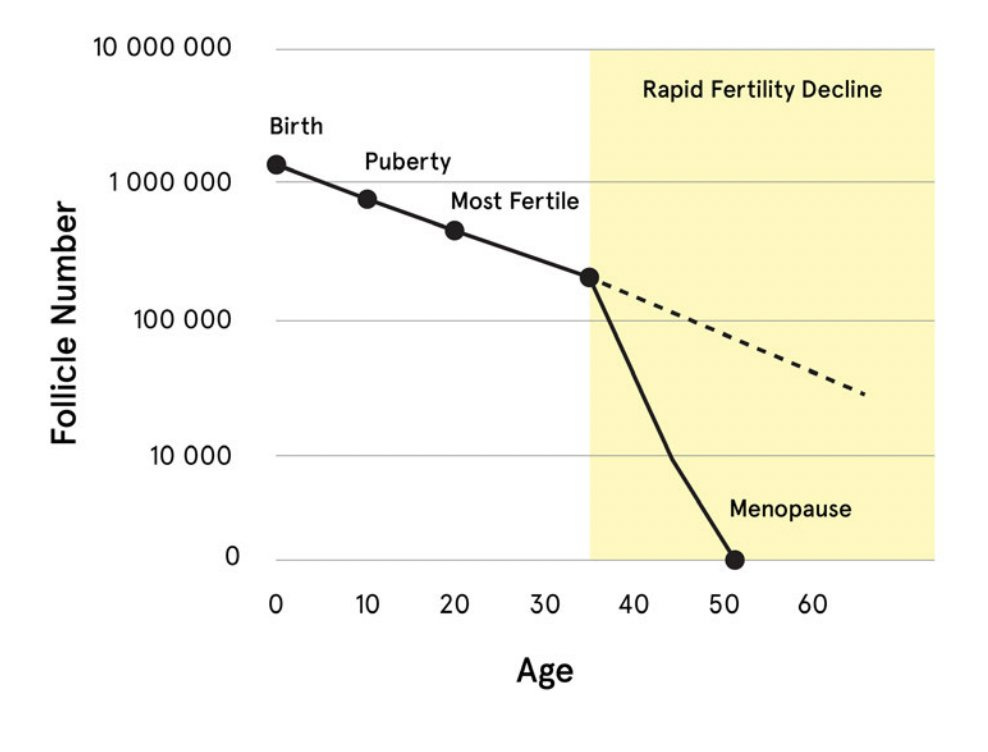
It doesn't require sophisticated economic analysis to recognize how conditions increasingly affecting half the global population inevitably reshape our financial landscape.
Between 2020 and 2050, ovarian cancer alone is projected to exact a staggering global economic toll of $519 billion. In the United States, PCOS demands $8 billion annually in direct medical expenditures, comparable to the USA's annual contributions to NATO. Yet this figure also fails to capture the substantial productivity losses from documented workplace absences. These conditions disproportionately affect women in their prime professional years, compromising career trajectories precisely when advancement opportunities emerge. The result - cascading repercussions that extend far beyond individual health outcomes, silently restructuring workplace demographics, household economics, and ultimately, societal power dynamics.
The ovary - a powerful reminder that our health transcends the categories we create. The ovaries are not merely reproductive organs but complex systems of wisdom and power, embodying qualities more akin to Athena than Aphrodite - strategic rather than merely aesthetic, fundamental to bodily intelligence rather than limited to reproductive function.
For the women who see no current need, your biology is tightly intertwined with its function. For the men who feel disconnected, it shapes the world you live in, and is an ally to your health.
Our collective well-being depends on recognizing these connections and approaching the ovary with curiosity. In doing so, we can demand better research funding, support comprehensive education, and reject the siloed thinking that has marginalized critical health concerns far too long.
No posts
Comments
Nothing yet. Say the first thing.
Sign in to join the conversation.