
For a quick primer of what this series is about you can scroll to the bottom and then come back up.
ok onto the post
This is the second of three live dispatches from Getting Real ‘26. Day one is here.
ok onto the post
🚀 Wednesday July 22, 2026 🚀
715a. Up. Emails. I have two edits happening right now, one in Europe, one in the UK. Checking in on both, handling overnight incoming, getting on top of things before the day starts.
830a. drop off at camp, then walked the dog, got myself together to head down to the conference.
On my walk I finished listening to the Set Hernandez and Leonard Cortana conversation from yesterday that I hadn’t been able to finish last night. Really great. Great thinking happening around impact, distribution, and accessibility among other things. Leonard has another panel today but it clashes with something else I want to be at, which is a shame because I didn’t know his work before yesterday and he’s great. Going to be following his work for sure. Two years ago the voice that grabbed me at Getting Real was Jemma Desai. This year I have a feeling it’s going to be Leonard. Though I’m open to being surprised.
What’s great is being at a conference and being budged to think holistically about our business, field and community. Not just the project in front of you.
932a. Left the house, driving to Little Tokyo. Should be about twenty minutes. I brought my flask tea pot with some jasmine tea for the day which I’m very pleased about.
Today I’m visiting a venue I haven’t been to yet, the Japanese American Cultural and Community Center. Most of my sessions today are at the Japanese American Cultural and Community Center, with one back at the Japanese American National Museum for the keynote. I don’t know much about the keynote speaker yet. Excited to find out.
1015a. Blueprinting for Filmmaker Co-ops
This is where I’m heading first. I wanted to go to the New Economics panel that’s on at the same time but it’s being recorded so I’ll catch it later. Which is a good compromise, though I’d push back gently on scheduling two sessions that are clearly for the same audience at the same time. If you’re interested in filmmaker co-ops you’re almost certainly interested in new financing models too. They should be on the same conference track meaning the timing couldn’t clash. It’s like scheduling Radiohead and Four Tet in different tents at the same time at the same festival. The people who want to see both can’t, and those are exactly the people who should be seeing both.
ok so the first session was facilitated by filmmaker Yael Bridge (The Big Scary "S" Word, Saving Capitalism) alongside Jay Arthur Sterrenberg, who is a founder of Meerkat Media, a cooperatively owned filmmaking collective that has been running since 2005. Having someone in the room who has actually been doing this for twenty years was useful.
1145a writing this post right now.
The workshop run was interesting and I left wanting to learn more about co-op structures, what types of people are good fits for it and what are the top reasons why a co-op vs other company structures. Are you part of a co-op, and if so, what are the top three reasons why you went that route? The main question we were left with to think through is for long(er) form (non-work for hire) documentary storytelling what is the co-op set up that you would want to work at?
2nd update
12p. Participant Compensation Workshop.
A session that surfaced something important, there is real vagueness in our field right now around what is acceptable, what can be done, and how to structure compensation for documentary participants. The conversation moved past the old default of “we don’t pay participants” pretty quickly, which felt like the right move. That position is becoming harder to defend. The more useful question, and the one the session started to dig into, is how do we do this well. In what circumstances, in what form, and in what way that supports great storytelling and maintains productive relationships between filmmakers and the people who share their lives with us. Revenue sharing with participants is on the table as a concept. How it gets structured in practice is where the field still has work to do.
I’ll drop a link here to the REIMAGINE framework from Emergence Media that seems like it is a useful resource relating to participants consent and relationships with film teams.
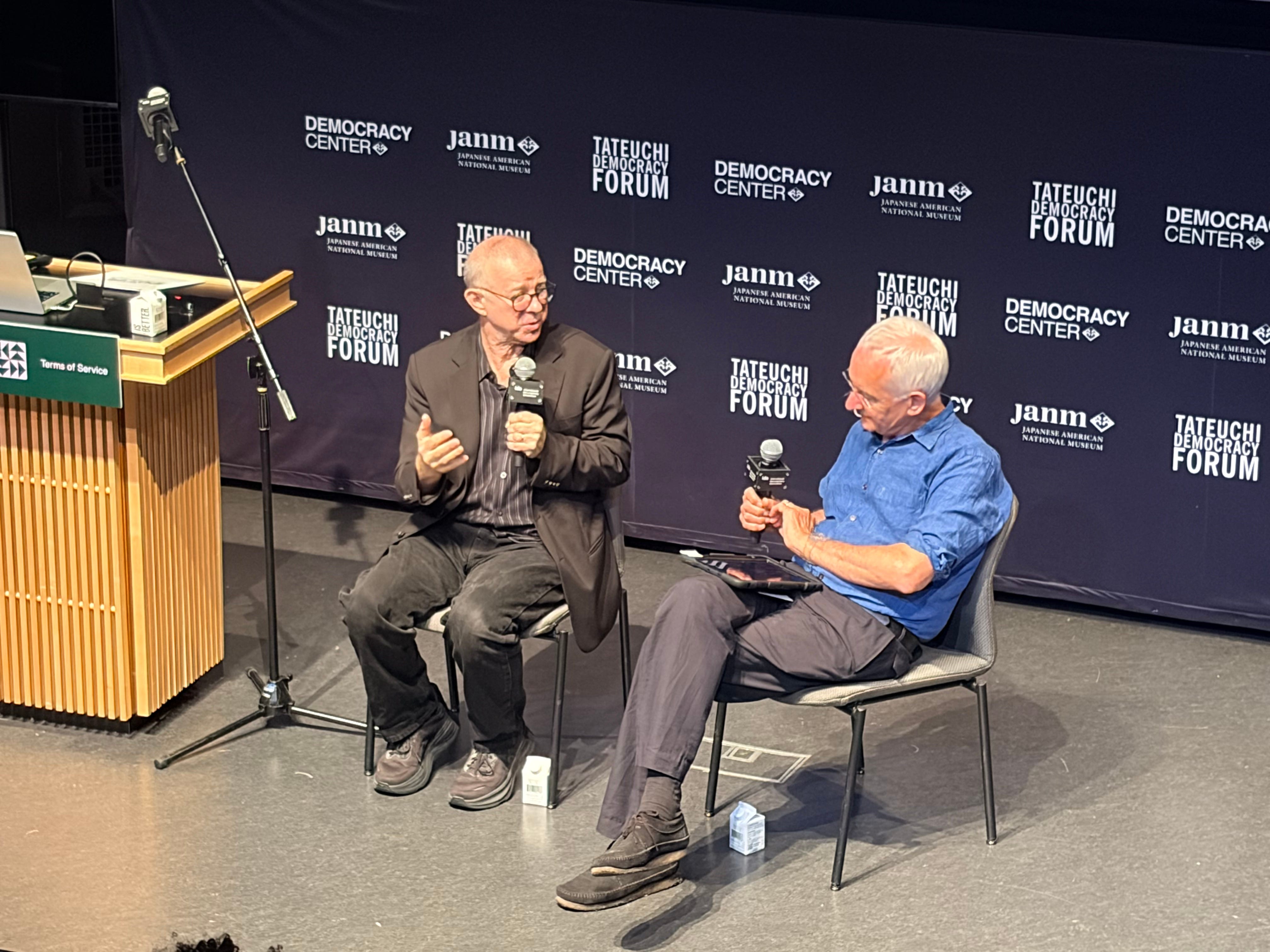
2pm. Recut, Reframe: Archival Documentaries with Alan Berliner
Alan Berliner presented a film he made in 2019 that used images cut entirely from the New York Times over four years. The film satisfied what multiple lawyers believed were strong fair use arguments. And then the New York Times shut it down. It never made it to its HBO premiere after premiering at TIFF and IDFA. He showed about 20 mins today, and it is clearly the work of a great filmmaker. Watching Alan carry the weight of a film that has never been able to reach its audience was genuinely sad. There’s a particular kind of frustration that comes with bringing something to life and then having it denied, not because of anything wrong with the work, but because someone else doesn’t want it seen. I have some personal experience with that on my own projects. It’s a difficult thing.
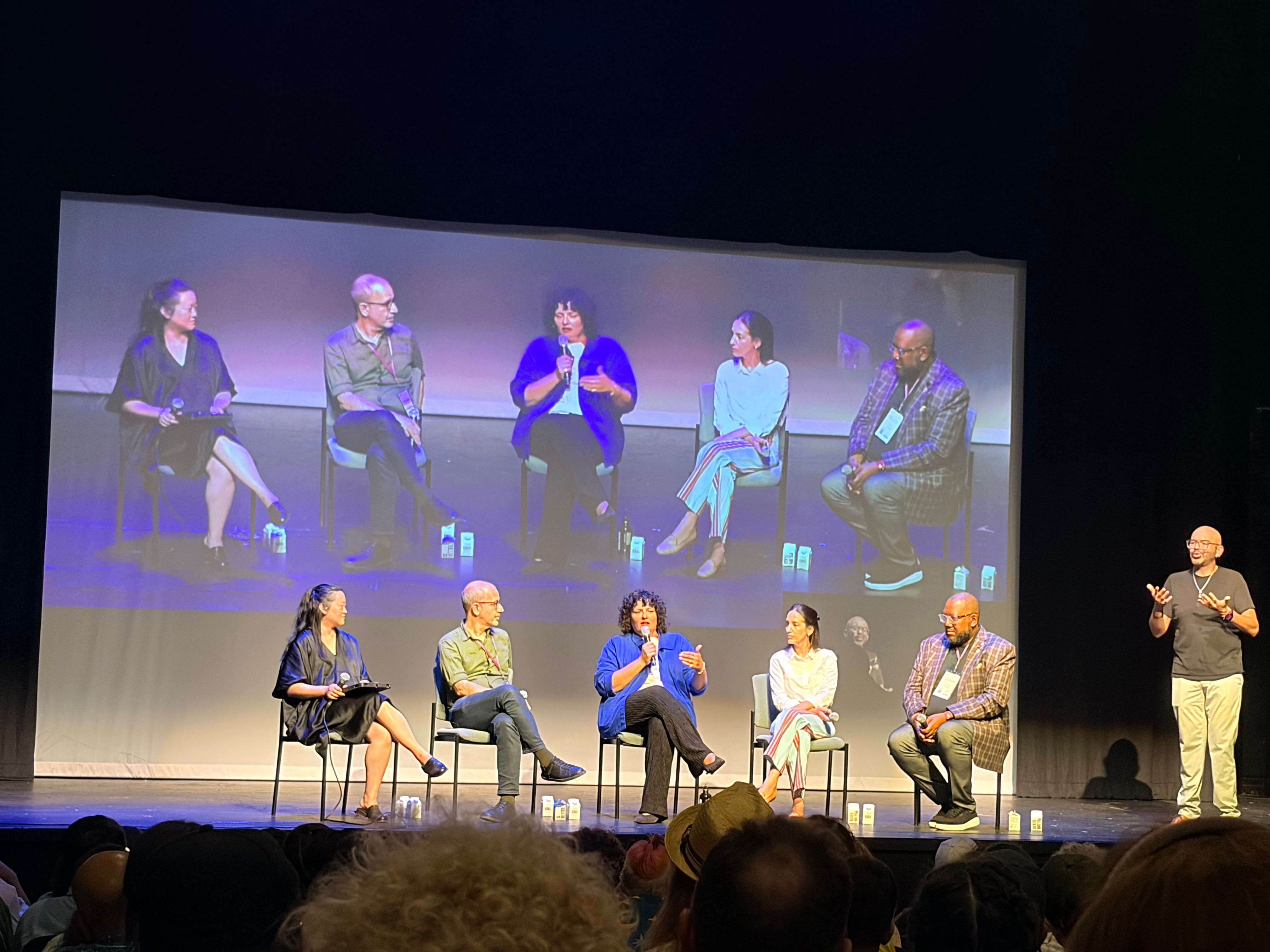
345pm. The Hot Seat
Always interesting. The format puts panelists on stage and opens things up to submitted questions. Some of the questions were framed quite negatively, which I found frustrating, because the root of what people were asking was often genuinely valuable. The panelists did their best to be open and authentic in their answers. This is a VERY well run panel from Abby Sun and hopefully it will continue at the next edition despite her departure from Getting Real after this conference.
I submitted a question that came up at the end asking each panelist, as individuals a part of significant organizations with opportunities to lead in our field, what did they feel was the most important issue they want to champion as leaders.
From Bazil at Sundance, discovering undiscovered talent in places around the world that haven’t been found yet.
From Mara at CPH:DOX, upholding democracy through storytelling around the world.
From Amanda at CAA, which was the one that stuck with me the most...supporting artists making great work, not making what streamers are believed to want. Amanda said clearly that being market creator rather than market followers is their goal. There are practical questions about how achievable that is in reality. But even hearing a sales agent say that chasing what streamers think they want is not why we’re all here felt like something worth noting.
3rd update
530p Finished the day with the keynote from Petna Katondolo. Lots of thoughtful messages from a filmmaker I’m not familiar with. One quote about how we relate to the world around us that struck me and will stay with me from Petna.
The comfort of one place cannot come from the hell of another.
This came from him addressing the minerals used in our technologies that are extracted from the Congo.
7p wrapping up my post right now and then headed to see folks at the IDA drinks to conclude today.
Back tomorrow. It’ll be a shorter day at the conference but I’m sure still quality.
The producer diary series is collected here.
Welcome to the new subscribers. If you want to know what this substack is all about, start here and work through some older posts. Participate with your comments and suggestions. Share things you like and get your friends to stop by.
This is a quick primer of what this series is about.
I get the question “what do you do as a producer?” often.
One of my favorite quotes about this is from Larry Turman who was a mentor. He said “a producer is a person who causes a film to be made, and a good producer is a person who causes a film to be made well.”
I could (and will) write a more holistic answer to that basic question, but here I’m trying out a diary-like entry that lists what I did on a specific day. Maybe something as simple as a daily log will shed a light on what a producer does.
The previous posts in this series are collected here in the “producer diary” section of the stack.

Comments
Nothing yet. Say the first thing.
Sign in to join the conversation.