
This is a two parter post and part 1 here is the thinking out loud part so come along for the ride. Oh I’m experimenting with line break dividers for the sections, good thing or no?
I was on a call a couple weeks ago with some filmmakers who’d just finished a music documentary. Smart people, good film. We were talking distribution and towards the end I just said it off the cuff: you’re in the business of creating experiences. That’s the job. Not just making the film, creating the experience of engaging with the film.
And I’ve been sitting with that ever since.
This isn’t new. I didn’t invent the term or the idea, people have been putting this on filmmakers’ radar for a while now. But I am really putting this together, the things I’ve done around distribution of my films are experiences, I just didn’t call it that.
Here’s what I mean. From the moment you start making something, you’re already in relationship with a potential audience.
The film you arrive at when all is done and you present it to the world, that film is the end result of a visual, emotional, sonic and specifically paced experience the filmmaker has curated and created. Shot by shot, we’re asking: what do they see? What do they hear? How do we want them to feel? We curate every frame. We agonise over the sound mix. We’re experience designers at the most granular level when we’re making the thing.
Outside of the film itself we have things like the behind-the-scenes clip, the production diary, the voice note you post while you’re in the edit, those are also all experiences. You’re letting people in. And when you get to distribution, whether that’s a festival premiere, a community screening, a Q&A, a Blu-ray with proper special features, or just someone watching alone at midnight on their laptop (maybe not so much this), all of that is experience design. Whether you’re thinking about it that way or not.
We already obsess over the experience inside the film. So why do we abandon that thinking the moment when we go to distribute the film?
I keep coming back to the music industry when I do my thinking, like what have they done well? When file sharing gutted the business in the late 90s and they had to rebuild, what did they lean into? Experiences. Live shows became the revenue engine. Merch got more intentional. Collaborations, special guests, limited releases. And now you’ve got Bandcamp listening parties, and Japanese Ongaku Kissa (音楽喫茶) music listening cafes in vogue around the world, rooms with audiophile sound systems where people sit in silence and experience an album together. Not dancing, not scrolling. Just listening. People are paying for that. Because it’s different. Because it’s memorable. Because you can’t stream that feeling.
The signs are everywhere that audiences are hungry for this. Disney just put a CEO in charge who came up through the parks. The parks. The most experience-obsessed part of the whole operation. That’s not an accident. Sophie has written about rethinking cinemas as cultural gyms, The Label folks have written about The Circuit, and the success of rep cinema are just some of the many signs.
And honestly? We’re already doing versions of this in the documentary world...for years. Impact screenings, community panels, bringing in subject matter experts alongside the filmmaker, that’s experience curation. We just haven’t always named it that way, or applied it as intentionally as we could.
Two filmmakers have been rattling around in my head as I’ve been thinking through all of this.
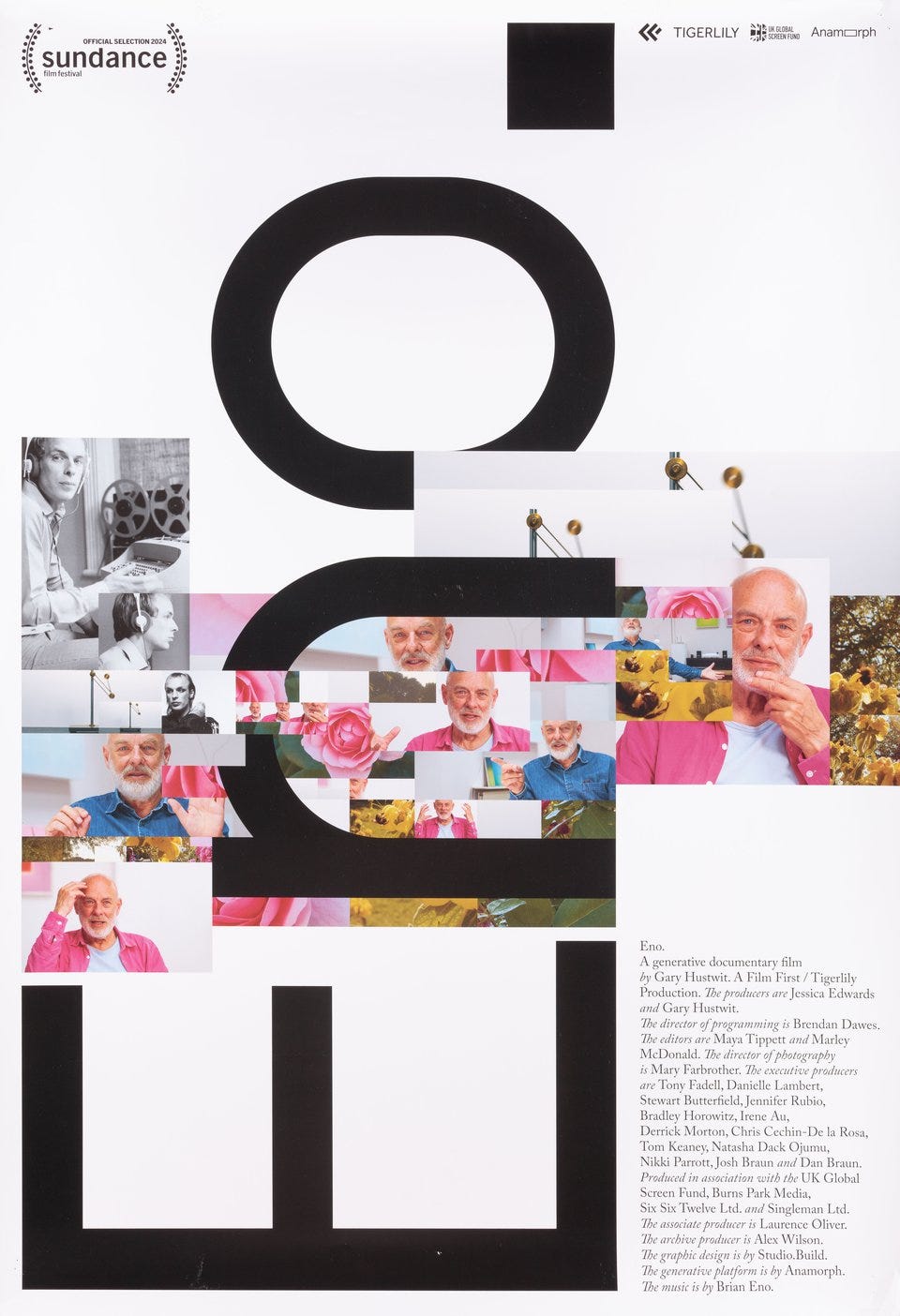
Gary Hustwit is one. His documentary Eno is probably the most talked-about example of experience-first distribution in recent memory. The film about Brian Eno uses generative software to create a different version of the film every time it screens, which meant that the conventional distribution playbook was never going to work. Most legacy distributors and all the streamers wanted a single director’s cut, which would have eliminated the entire point of the film. So Gary and his team led the distribution themselves, and they built the release around the idea that the screening itself was a performance. Gary would perform the film live from the stage of the theater, generating it in real time, then do a Q&A after. Premium tickets. Full house. And critically, they didn’t need to cut in a distributor.
The team’s stated philosophy, which I think is worth just repeating plainly...
filmmaking doesn’t end with picture lock.
Distribution is an essential part of the art. That framing is important because it’s not just a marketing position, it’s a creative one. The release is still the film.
And the results backed it up. Theatrical revenue crossed a million dollars. But here’s the kicker: more than $400,000 of that revenue came from event-based screenings, which don’t show up in conventional box office reporting. The Hollywood trades couldn’t even see it. The system literally has no way to measure what they did, because the system wasn’t built for this kind of distribution. That tells you something (read more about how they released the film here from Jon Reiss-8Above and here from Distribution Advocates).
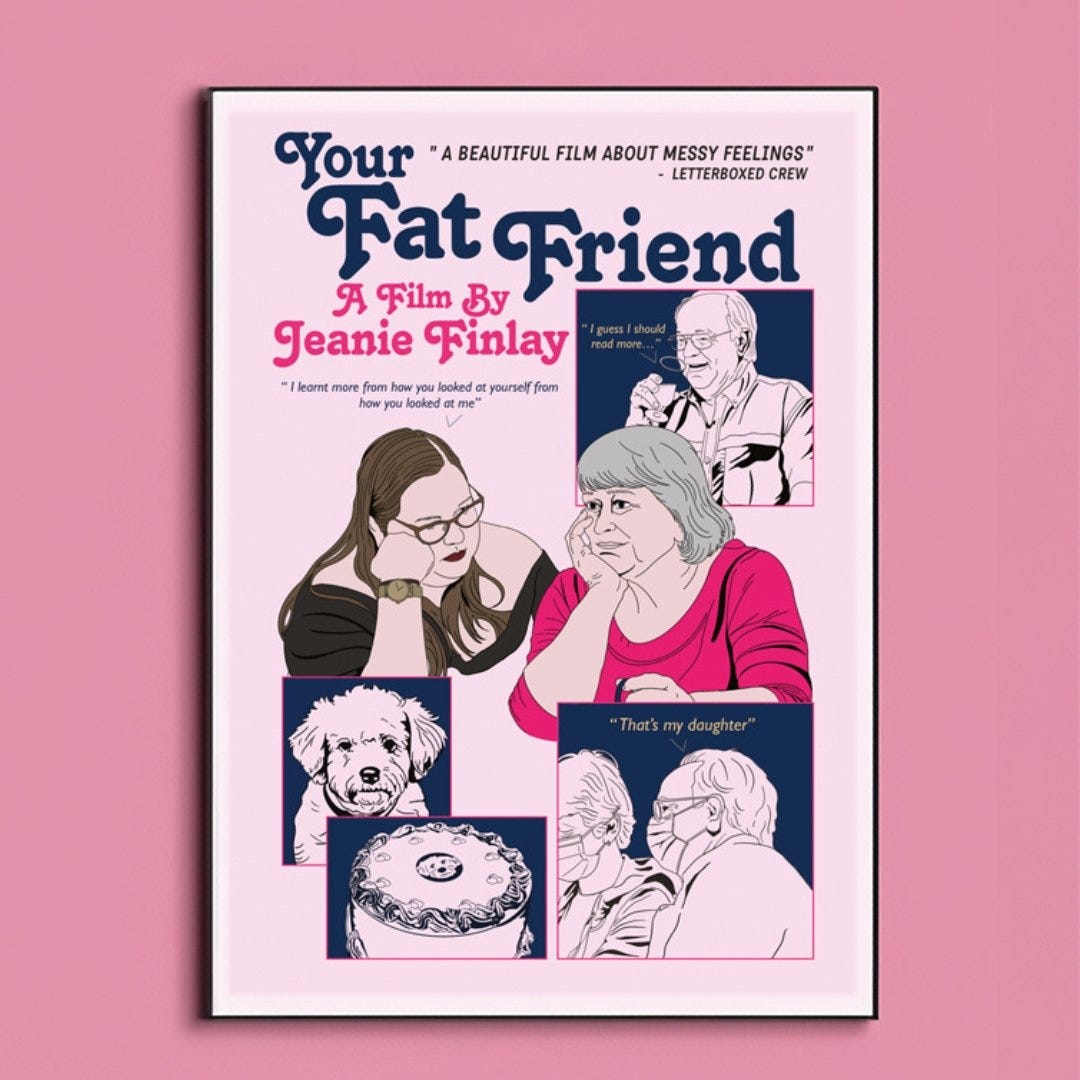
Jeanie Finlay is the other filmmaker I think about. For her documentary Your Fat Friend, Jeanie and her team did something that sounds simple but is actually a profound reframing of what it means to make a film accessible AND be granular about the audience experience. They asked theaters to measure their seats. Their campaign is built on the idea that “Seat Size is an Access Issue”, pushing venues to publish their seat dimensions so that audiences could know before they showed up whether the space was actually accessible.
As a direct result of the release, Picturehouse Cinemas added seat size information across their entire UK chain. And when they surveyed their audience, 87% of respondents said that if seat information was clearly listed, they would be more likely to return to that venue. That’s not a soft win. That’s a measurable change in repeat attendance driven entirely by thinking about the experience of showing up, not just the experience of watching.
Jeanie’s production company describes their practice as “wraparound filmmaking,” (a phrase coined by Dr Judith Aston to describe Glimmer’s pioneering approach to creative distribution) which is about as clean a description of this whole idea as I’ve heard. The film is surrounded by an experience. Before you walk in, during, and after.
Quick add to the post before I publish, read about the new distribution arm that Jeanie has started with Suzanne Alizart “Glimmerama”. Excellent stuff!
There are more examples if you go looking. The Unrest team, for director Jennifer Brea’s film about ME/CFS, created a VR experience that simulates what it feels like to live with the illness. They showed it alongside the film at theatrical venues, took it to Capitol Hill for Senate staffers, and used it at screenings for medical professionals. They built the experience around the film to bring audiences closer to what they couldn’t fully understand just by watching. It worked with Q&A events accounting for 60% of UK box office revenue. The experience around the screening generated more money than the screening alone. Jen Brea put it directly, the theatrical window was about creating
“really powerful, in-person events. It’s the most impactful way to view a film like this, in community with others.”
And then there’s Mission: Joy, which went further than any of these. When traditional distribution stalled completely, the team organised a global watch party called UNITE for JOY, a simultaneous free screening run through multiple public figures’ Facebook pages, which reached 13.3 million viewers. They also created The BIG JOY Project, a citizen science initiative built around the film’s themes, which has since drawn 100,000+ participants from 213 countries. The experience didn’t just surround the film. It extended the film’s ideas into people’s lives for days and weeks after watching. That’s the far end of the spectrum, but it points somewhere real.
So here’s the reframe I’m proposing, stop thinking “we’re screening a film” and start thinking “we’re building an experience around this film.” Every touchpoint is a chance to make someone feel something, talk about something, remember something. Did you go to that? Oh my god, that night was unlike anything.
That’s the goal.
And of course the case studies and exmaples above focuesed around distribution as experience but what folks are also doing is bringing audiences in to the experience from the on set of creating a project. This is also key to filmmakers building an audience that moves with them through the careers. It’s no longer one film at a time thinking folks.
Ok so stopping here for now. Part 2 I’m going to get more specific, what does this actually look like in practice for independent filmmakers without Brad Pitt on speed dial. Spoiler, it’s more doable than you think, and some of it is genuinely fun. That’s the key making the film is fun, that’s why we all do it. But sharing the film and process with others is also FUN.
...and to wrap it up a little musical side dish to share. Click the image to play or click here.

Welcome to the new subscribers and followers. If you want to know what this substack is all about, start here and then work through some other older posts like this one and this one. Participate with your comments and suggestions. Share things you like and get your friends to stop by. Here’s another plug for the OG case study post which I’m constantly updating, so send me any case studies I’ve missed that you found useful! This past post about audience is a good companion to today’s reading.
Comments
Nothing yet. Say the first thing.
Sign in to join the conversation.