
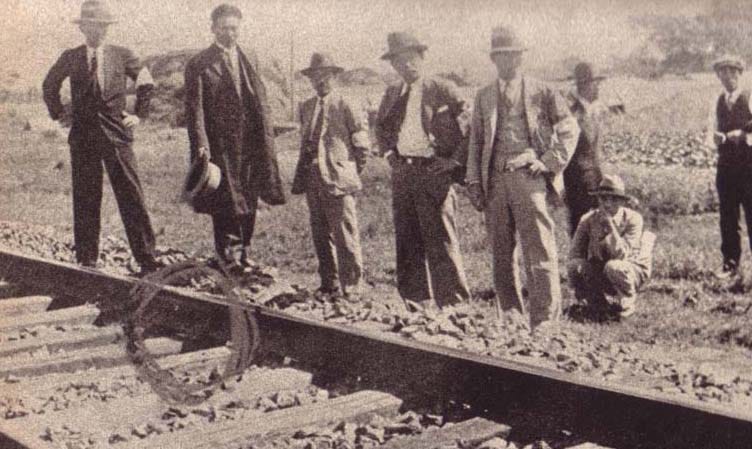
In January 1932, Gu Jiegang boarded a train from Beijing to Hangzhou. A 38-year-old professor of history at Yenching University, he was travelling south to visit his father and stepmother. It should have been a routine family journey. Yet as the train passed through Tianjin, Nanjing and Shanghai, Gu noticed that the carriages were unusually crowded. People were fleeing the worsening crisis in the north.
Only a few months earlier, on 18th September 1931, a bomb had exploded on a railway line near Mukden in Manchuria. The blast had been planted by Japanese officers of the Kwantung Army, who blamed Chinese dissidents and used the incident to justify military occupation. Gu could not yet know it, but the spark that would ignite a global war had already been struck in China.
Comments
Nothing yet. Say the first thing.
Sign in to join the conversation.