
Does anyone remember that “The Good Place” episode where they meet Doug Forcett? After a magic-mushroom-induced revelation, Doug is the one person on earth who has figured out how the point system to get into the “Good Place” (aka heaven) works. Doug lives a lonely miserable existence in a cabin in the woods. He only eats radishes he’s grown. He drinks his own recycled urine and he lets the neighbor kid take advantage of his good deeds— all in the name of gaining or keeping his points. Later, we find out that even Doug doesn’t have enough points to get into the Good Place because in modern society, the points system doesn’t work. As a modern person living in the United States, every single thing we do has a negative impact on the environment.
I’m typing this newsletter on a computer that is made of plastics (oil) and heavy metals that were mined from the earth with (most likely) shady labor practices. My computer is plugged in right now, so it’s using energy from mostly natural gas, nuclear power and coal. This newsletter lives on a server in a data center somewhere that is being powered by an ever-expanding “need” for energy. Even the meatless meal of avocado toast I ate this morning probably benefitted cartels. It’s enough to make anyone throw up their hands and give up on any kind of environmentalism.
In R.F. Kuang’s Katabasis, the main character travels to hell and her journey elicits all sorts of moral and philosophical questions. It’s a heavy and kinda depressing book, but one line has stuck with me for months:
“Perhaps the gift of rationality did not outweigh the debilitating agony that came with it.”
Knowing our own self-destruction can be debilitating. I recently purchased a new (to me) car. I agonized over the decision for months. Did I truly need a new car? How long could I keep driving my 220,000 mile Honda Civic? The transmission was probably dying, but should I just wait until it died completely? If I did get a new car, is it feasible for me to get an electric vehicle? The best option would be to live in a walkable community, but I can’t afford to live in a walkable community. And how do I grapple with the fact that supporting the oil and gas industry is supporting a war that I do not support? So many questions, so few satisfying answers.
My day job is small business marketing.1 (Yes, marketing is problematic too.) One of my clients is a sustainability podcast with a large following. A part of my job is monitoring comments and one of the most common retorts I get is: “But you are posting this “sustainable” video on your phone. Hypocrite!” Or, “You clearly benefit from capitalism too— look at your house, car, random product I saw in the background of your video!” These folks try to pull a “gotcha!” But better than most people I know that modern life is intertwined with hypocrisy and the best we can do is harm reduction.
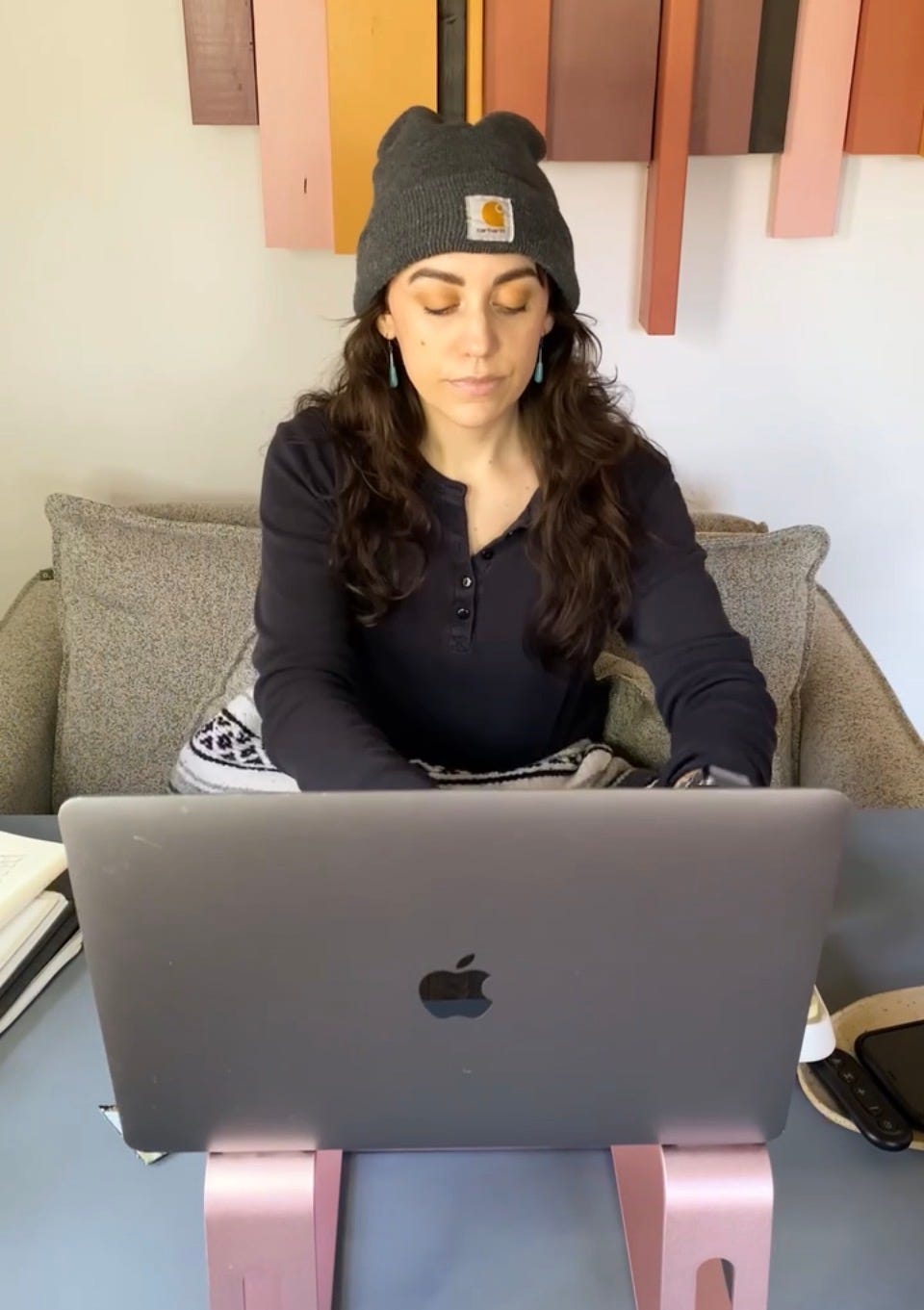
Harm reduction is a term typically used to describe “strategies and ideas aimed at reducing negative consequences associated with drug use.” But recently I’ve begun to think about sustainability as “harm reduction.” We could be the United States’ most sustainable person and we’d still have a negative impact on the earth. With harm reduction strategies, we’re encouraged to meet drug users where they are, in a non-judgmental way and understand that use is a spectrum. Harm reduction aims to minimize its harmful effects rather than simply ignoring or condemning them. This is how I want to think about sustainability.
I don’t want to be constantly ignoring or condemning my actions or the actions of my neighbors. I want to meet people (and myself!) where we are and acknowledge that caring for the environment in our current environment is really fucking hard.
Sometimes harm reduction is the best we can do.
If you don’t want to become a paid subscriber, you can send me a coffee via Venmo.
-Melanie
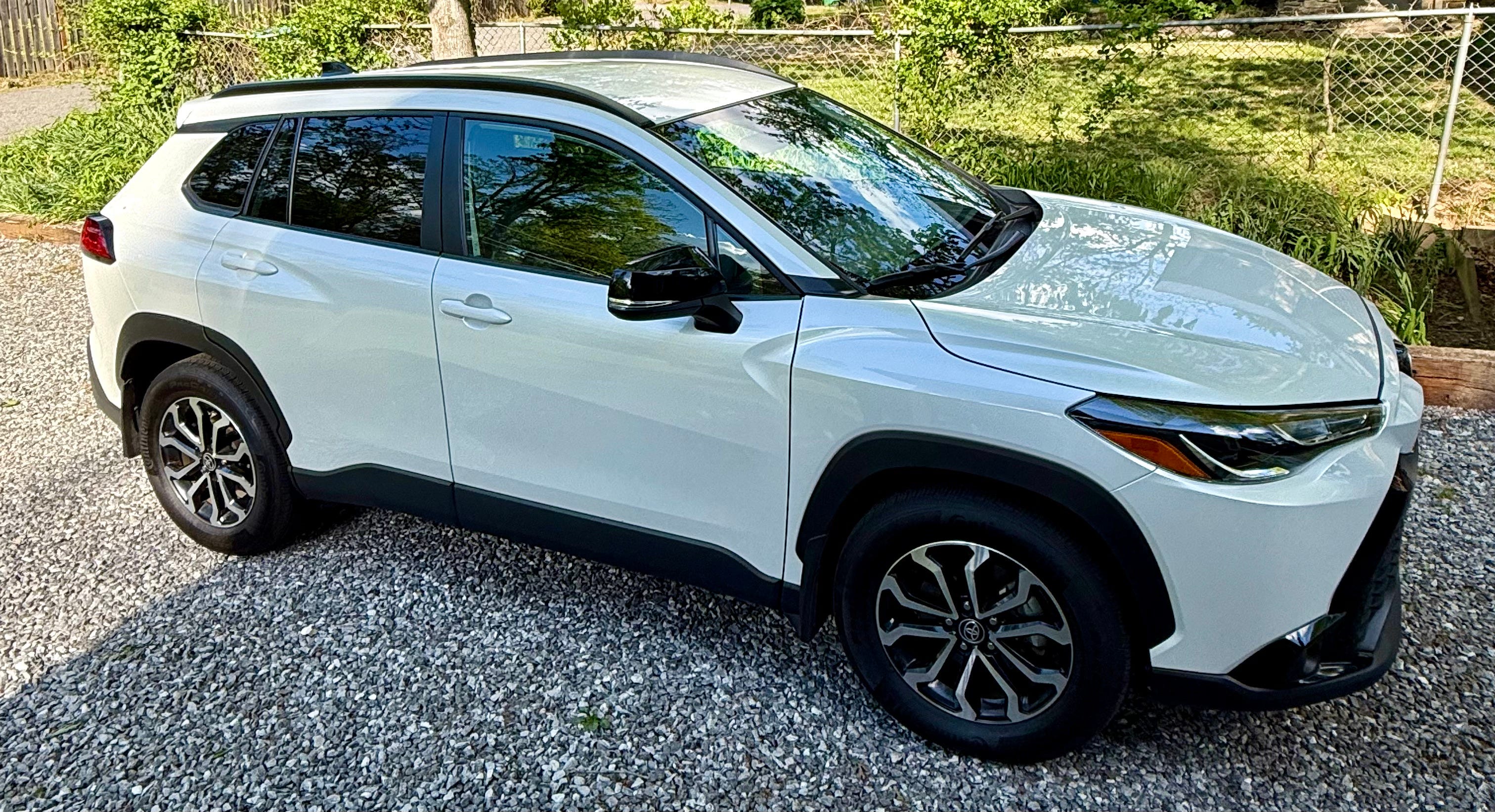
P.S. I finally settled on a used Toyota Corolla Cross Hybrid that I named “Mel C” because she’s “Sporty Spice.” The process of buying her was incredibly painful and rife with moral and financial questions. But I’m relieved it’s over.
No posts
Comments
Nothing yet. Say the first thing.
Sign in to join the conversation.