
More on video games can be found here.
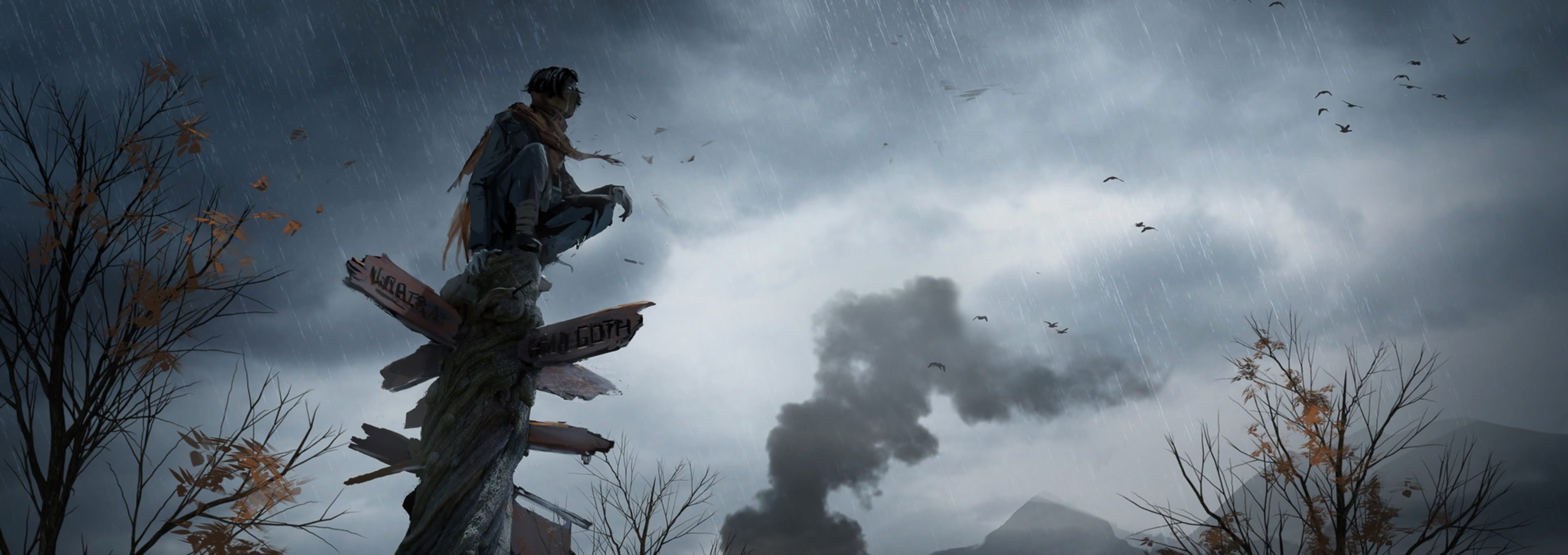
I have been low-key fascinated by the Legacy of Kain series ever since stumbling across a video about the first game, Blood Omen, which I subsequently tried and failed to get into, but still think of wistfully from time to time. Blood Omen is a 2D dark fantasy adventure from 1996, in which you play as Kain, a snotty white-haired nobleman slain by bandits, resurrected as a vampire, and promptly sent on a mind-bending quest across the bleak land of Nosgoth (presumably a combination of ‘nosferatu’ and ‘goth’).
Kain is bound by destiny to round up the truant guardians of the Pillars of Nosgoth (tm), a coterie of insane people with names like Nupraptor the Mentalist, in order to restore balance to the land and prevent disaster.1 Unfortunately, that ship has kind of sailed, and he ends up travelling back in time to assassinate an evil king before he becomes evil, provoking a mass vampire genocide in the process. This leads to Kain becoming even more of a misanthrope, rejecting his destiny as a pillar guardian, and plunging the world into an eternity of darkness under his tyrannical rule (as one does).
As grand as this all sounds - and as beautiful as Blood Omen’s 2D art is - it’s unfortunately marred by the fact that it’s incredibly antiquated, with unwieldy controls, awkward combat, and an unsatisfactory save system. What makes these barriers all the more frustrating is that the game is quite literally bursting with compelling concepts, particularly related to Kain’s vampire nature. He is powerful during the night, and weak during the day. He is capable of transforming into a wolf, a swarm of bats, a cloud of mist, or disguising himself as a harmless NPC while infiltrating towns. He can’t cross running water. When enemies are wounded, he can recover his health by draining their blood.
It’s a game that really makes you feel like an old-school vampire, and it anticipated the appetite for sprawling, mysterious dark fantasy worlds that would later give the likes of Elden Ring their rock star status.
Kain is also elevated by the disdainful, dulcet tones of Simon Templeman (Loghain from Dragon Age; also various Sith from KOTOR), who was virtually born to play a morose vampire antihero, and benefits from excellent writing. Fortunately, Blood Omen was successful enough in its day to be the beginning of a series rather than an end.
Soul Reaver and Raziel
Three years later, Blood Omen was followed by Soul Reaver, which, I am pleased to report, is every bit as edgy and extravagant as its title. Soul Reaver is a direct sequel, taking place during Kain’s vampire tyrant era, and puts the player in the shoes of Raziel, one of Kain’s vampire ‘sons’ who serve as the generals of his army.
The story begins with Raziel developing bat-like wings, which Kain, apparently in a fit of envy, rips apart, tearing out the bones and leaving only tattered flesh behind. Raziel is subsequently cast down into the bottomless Lake of the Dead, and falls in agony for what feels like an eternity, before finally arriving in a kind of underworld on the lakebed.
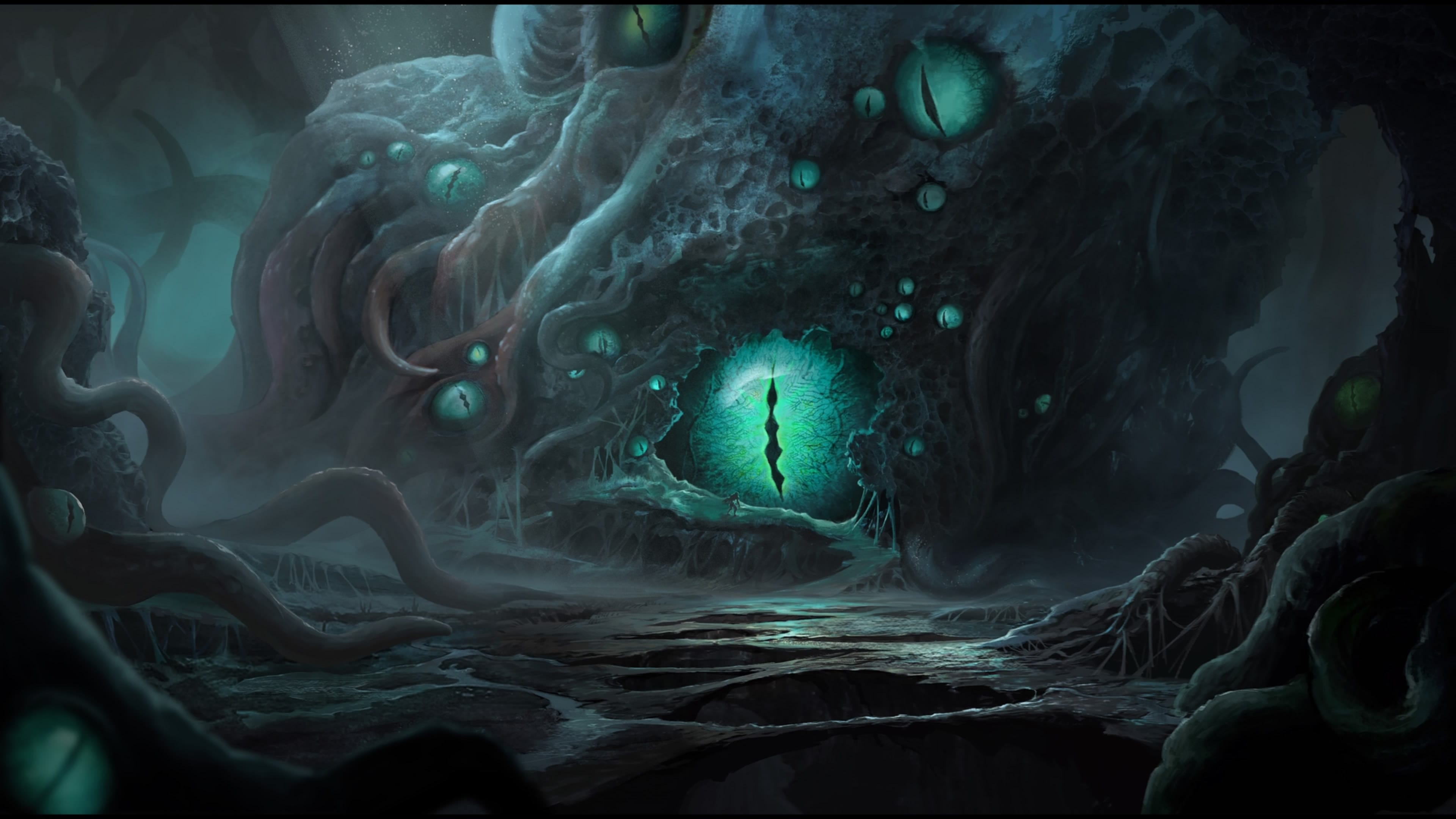
Here, he encounters Hermaeus Mora a mysterious entity with countless eyes and tentacles, the so-called Elder God, who becomes Raziel’s new patron, and directs him as a weapon against Kain. The Elder God is voiced by none other than Tony Jay, best known as Shere Khan and Judge Frollo, who as always delivers a menacing performance.
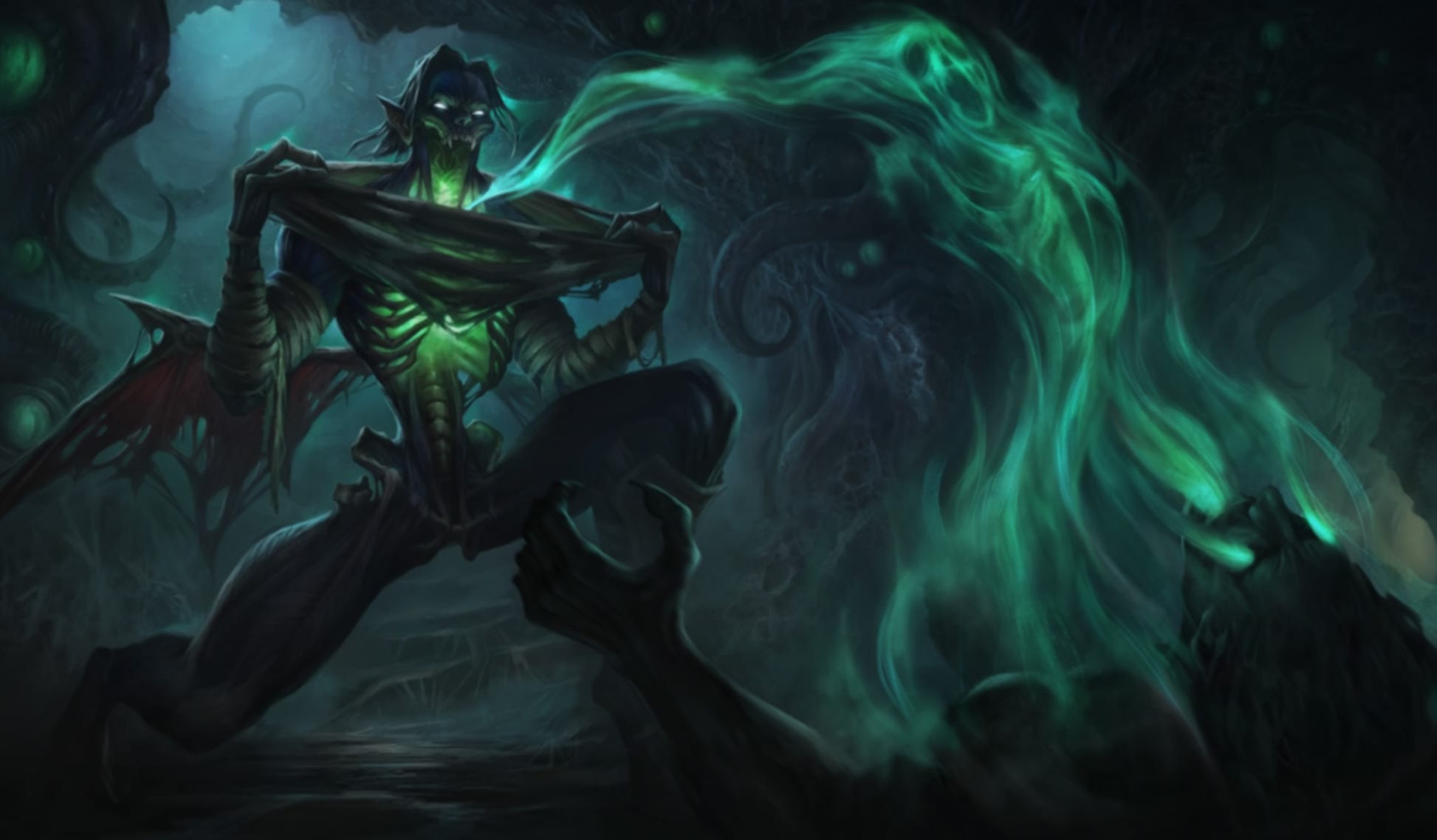
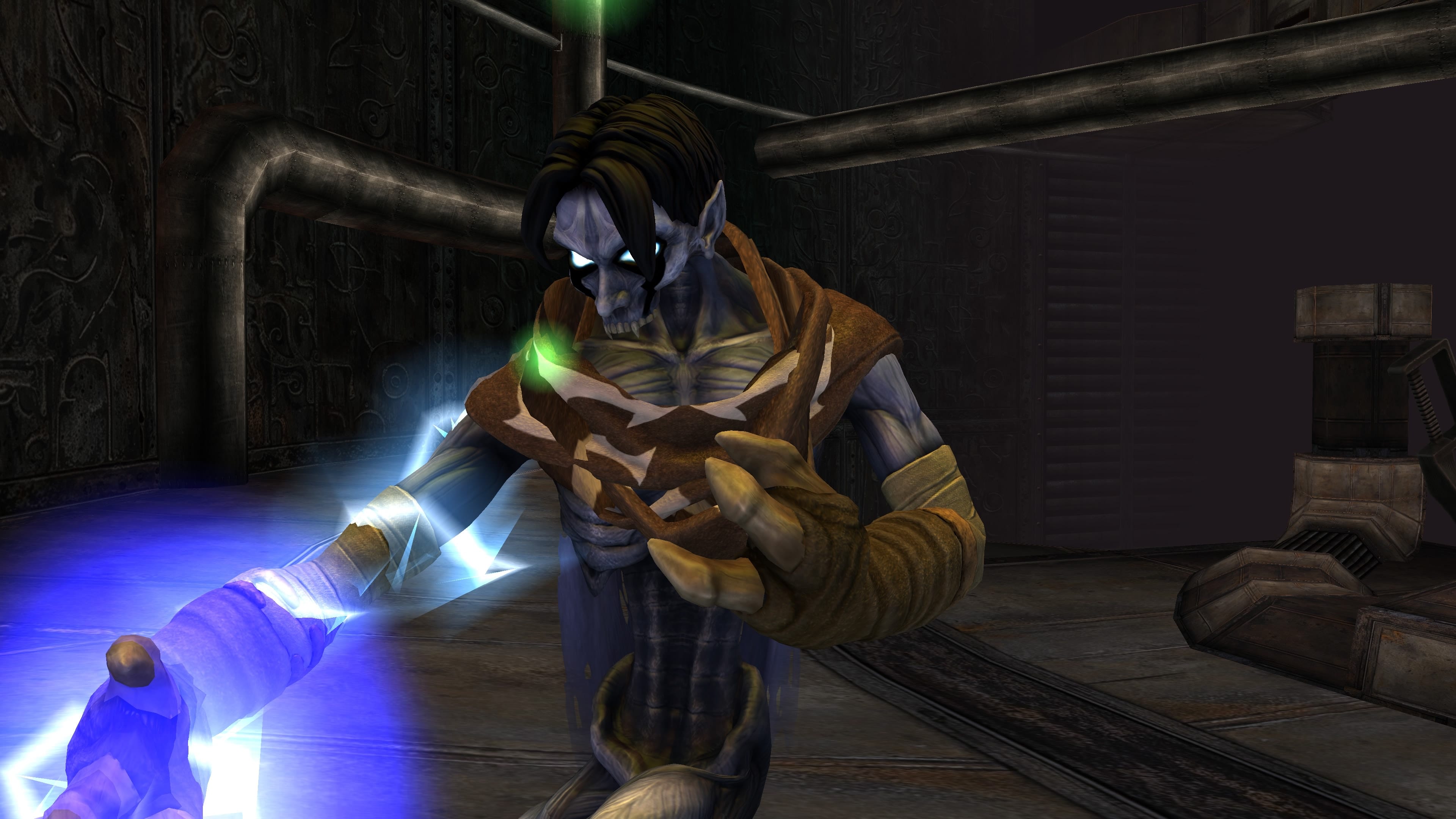
An emaciated husk of withered flesh and tortured musculature, Raziel in his new form is no longer a vampire, but a kind of wraith, who sustains himself by consuming (or reaving, if you will) the souls of his enemies. His character design is very striking in itself - he lacks a belly, alluding to his constant hunger, and has also lost his lower jaw, exposing the lipless maxilla when he pulls back his ragged mask to feed. His eyes are large and glowing, with no pupil or iris, and the emblems on his mask are evocative of tear-stains. He is a very literal example of gaming’s revenant archetype, living only to avenge himself.
He is also brilliantly voiced by Michael Bell - then in his sixties, but giving a youthful quality to the ageless Raziel - an incredibly prolific voice actor working from the 70s all the way through to the 2020s.
Gameplay and setting
Unlike Blood Omen, Soul Reaver is a 3D title of the PS1 era, and is much more accessible than its predecessor, particularly if played through the recent remaster, which includes both Soul Reaver titles with improved textures and character models, offering a major glow-up while preserving the essence of the originals. It’s also possible to play with all of the original graphics, and the player can switch seamlessly between the two modes with the touch of a single button, even during cutscenes. A photo mode is also included, making it easy to compare original and revamped (ha) assets.
Soul Reaver - much like Blood Omen before it - is ahead of its time in terms of its concepts and sheer creativity, and the mechanics intersect with the story admirably. Because of his ghostly nature, Raziel can phase between the spirit and material realms, with the world visibly changing and distorting around him as he does so. In the spirit world, straight passages become crooked, walls warp and change shape, and otherwise impassable obstacles become negotiable. The tattered remains of Raziel’s wings can’t be used for true flight, but he can use them to glide between platforms, and while he is vulnerable to water in his physical form, he can run safely across riverbeds as a ghost.
He also faces different enemies depending on whether or not he is physically manifested - whereas in the physical world he faces vampiric creatures, in the ghostly world he is threatened by soul-eating wraiths and underworld scavengers.
Combat in Soul Reaver is occasionally awkward, but conceptually sound, and for the most part very serviceable. Because Raziel spends most of his time fighting vampire minions, the whole combat system is conceived around vampire lore. For most of the game, there is no way to eradicate vampires directly - instead, Raziel has to stun them, and then either impale them with improvised stakes, or physically grapple with them, throwing them onto spikes, into fires, into rare shafts of daylight, or into running water.
Even with their bodies disabled, it’s necessary to suck up vampires’ souls (which is how Raziel recovers his health) to prevent them from reviving, and there are wonderful little details built into the combat system - for instance, if a stake is pulled from an impaled (and apparently dead) vampire, it will immediately recover and resume attacking. Even today, it’s uncommon to see a fantasy game make such great use of its central conceit, and the result is that the player really feels like a tortured ghost fighting tooth and nail with the undead.
The game’s boss-centric format is also used to great narrative effect. Each boss is one of Kain’s vampire generals - and Raziel’s former ‘brothers’ - all now hideously mutated from their original humanoid forms, having evolved in radically different directions in the centuries since Raziel was cast down. Each general is also sire to a corresponding race of vampire minions, who menace Raziel in the material realm.
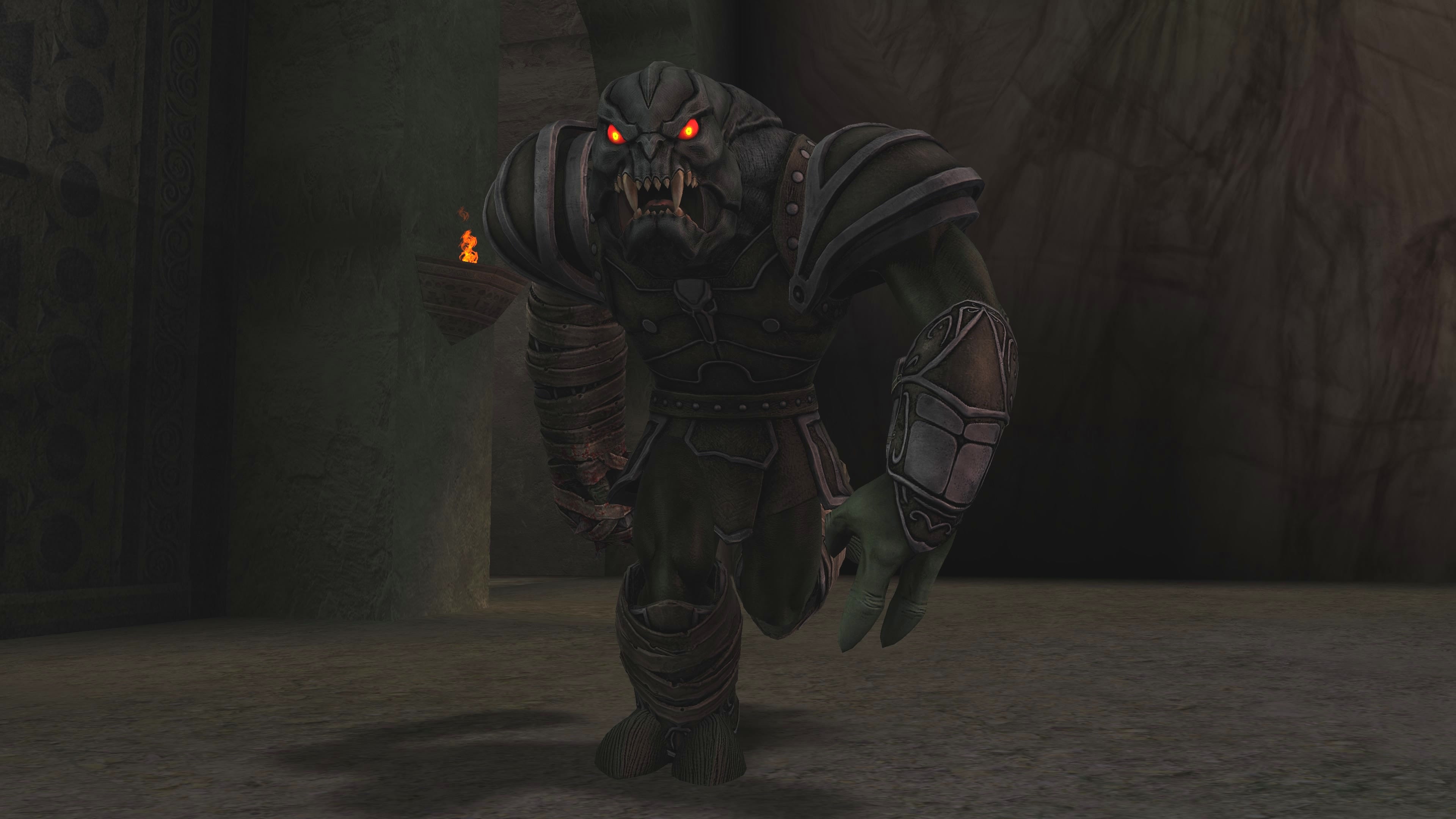
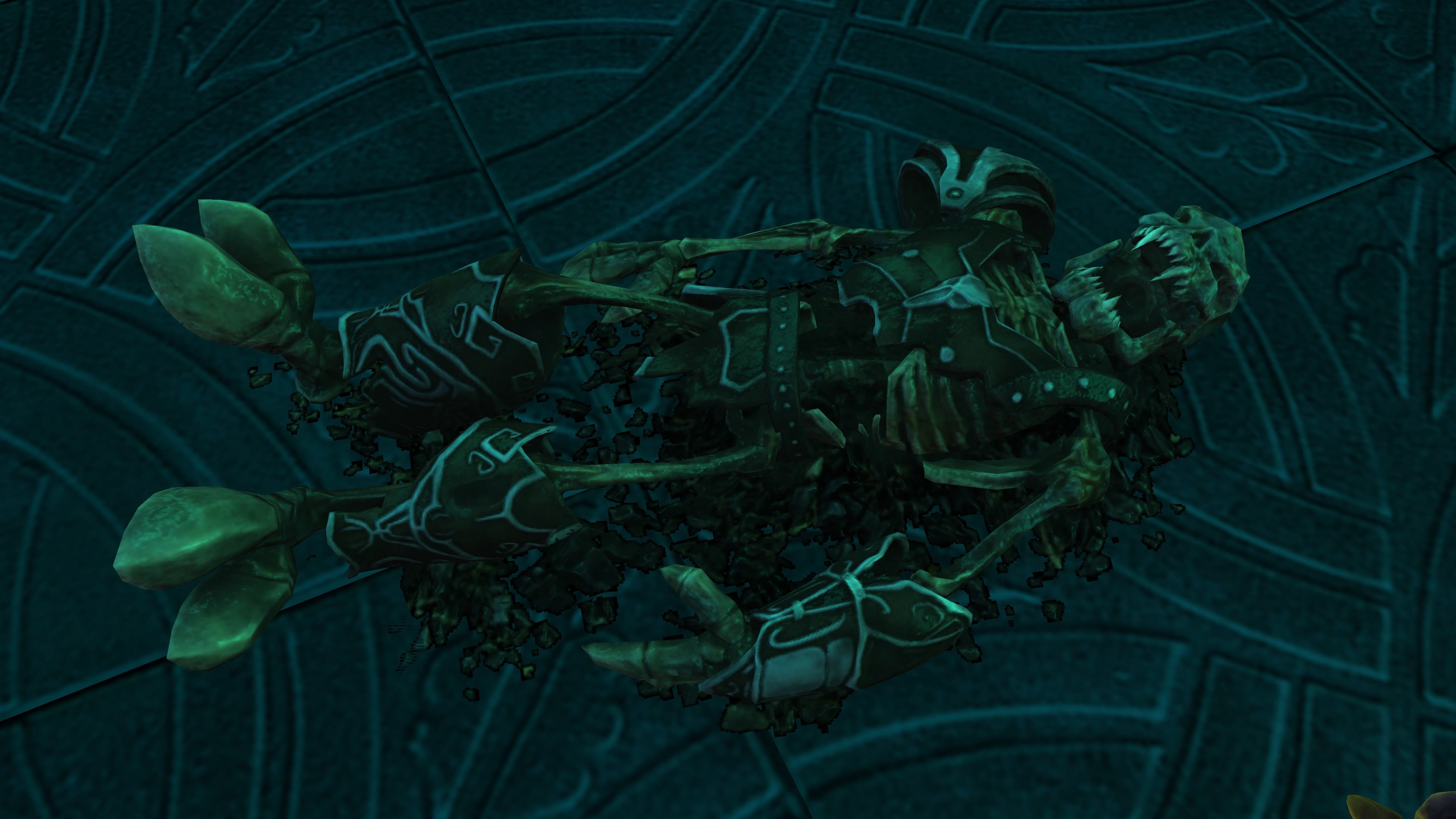
The first vampire minions to be encountered are the brutish spawn of Dumah, a warlike general who is not met until much later. The Dumahim are almost orc-like, with dark green skin, stocky frames, and fists like maces. Then, there are the ghoulish, carrion-eating spawn of Melchiah, himself a crawling mass of corpses. Towards the end of the game, Raziel also encounters the children of Rahab, who have evolved into scaly, fish-like monstrosities, overcoming their aversion to water to escape the hated daylight.
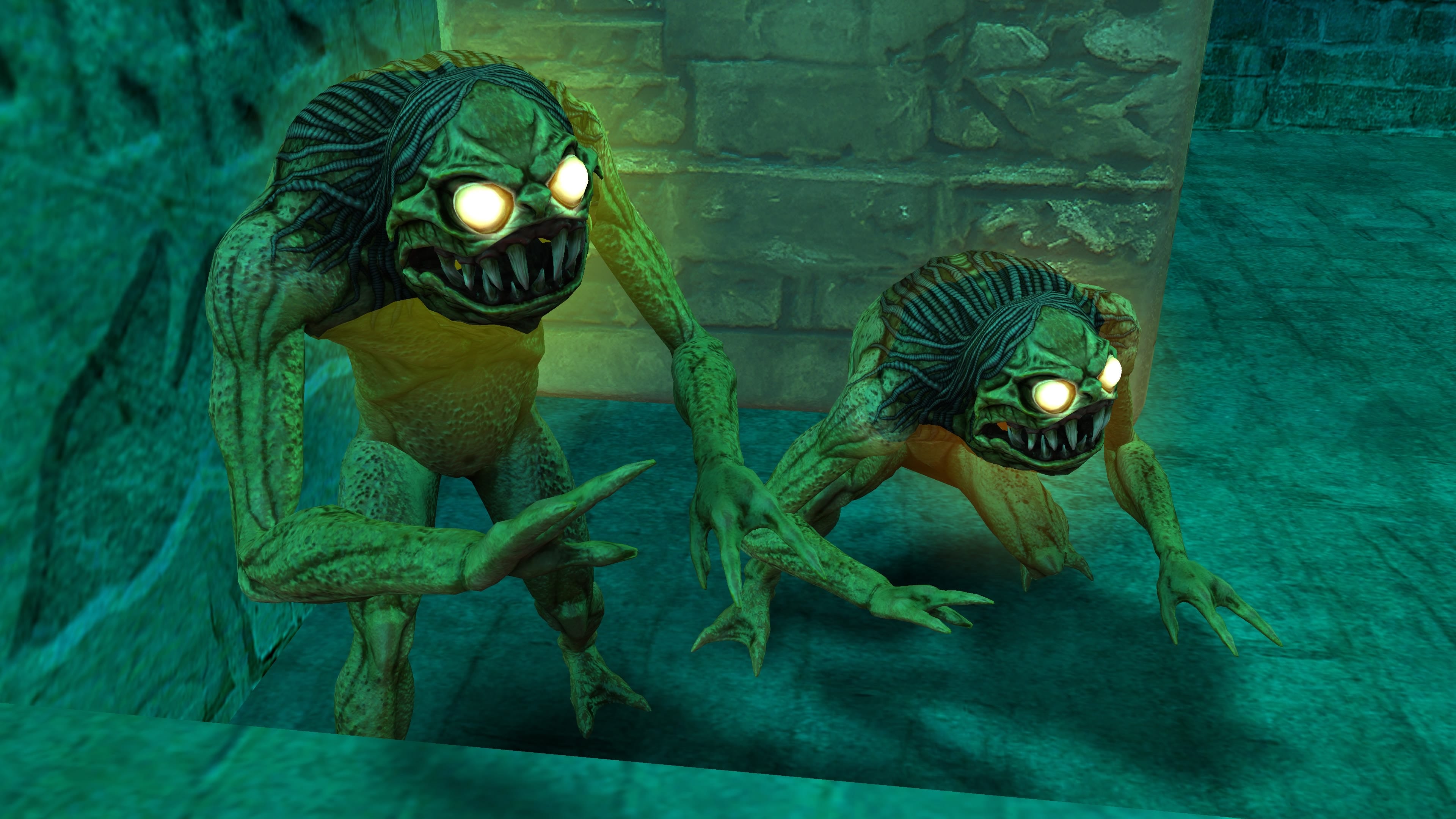
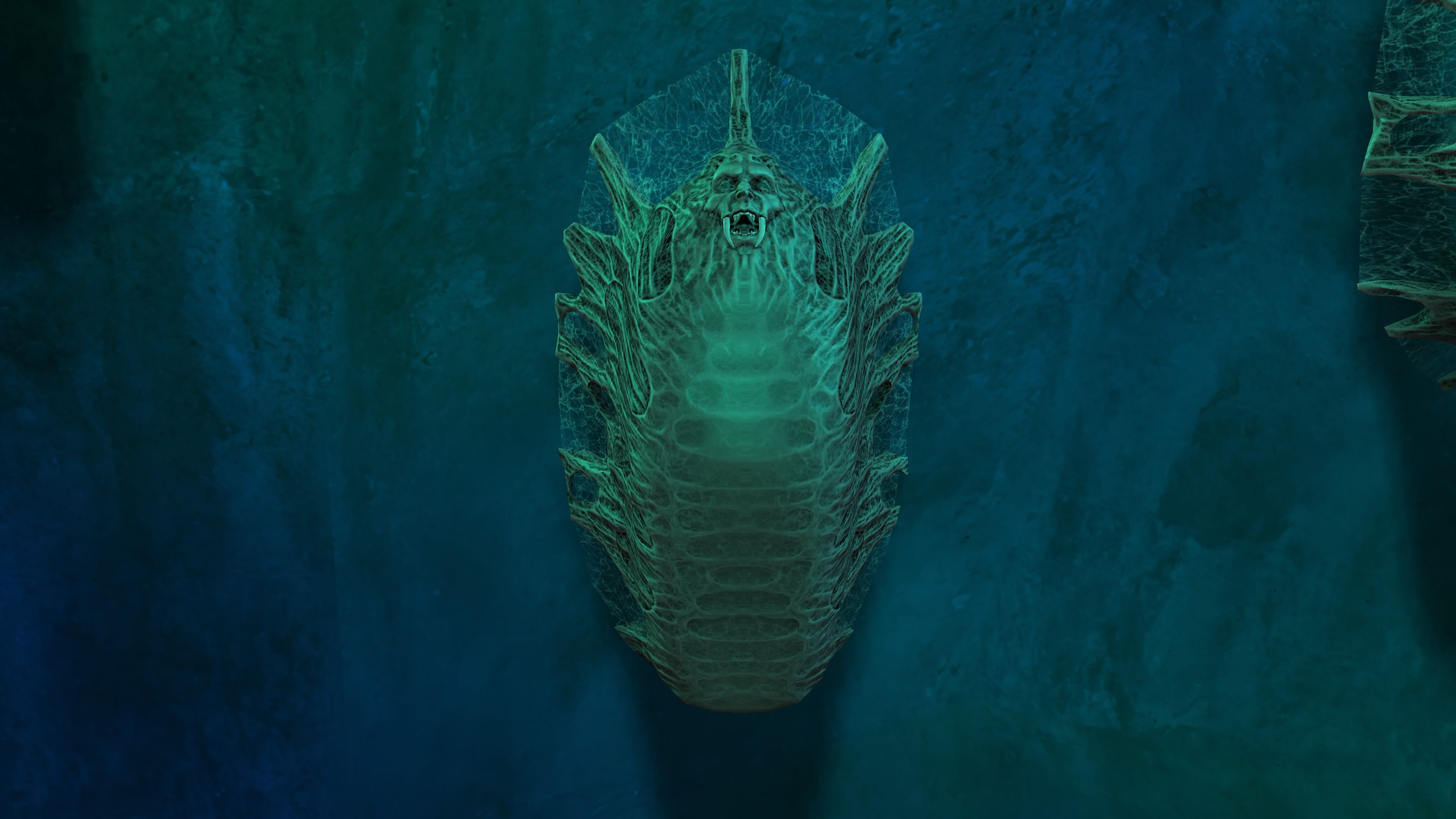
Perhaps the most memorable (and uncanny) of Soul Reaver’s vampire kindreds are the spawn of Zephon. These are crawling humanoids with erratic movements and spider-like features, capable of climbing walls and wrapping their human victims in silken webs. If the cocooned victims in their lairs are examined closely, it’s clear that some are developing fangs and extra eyes, and transforming into Zephonim themselves.
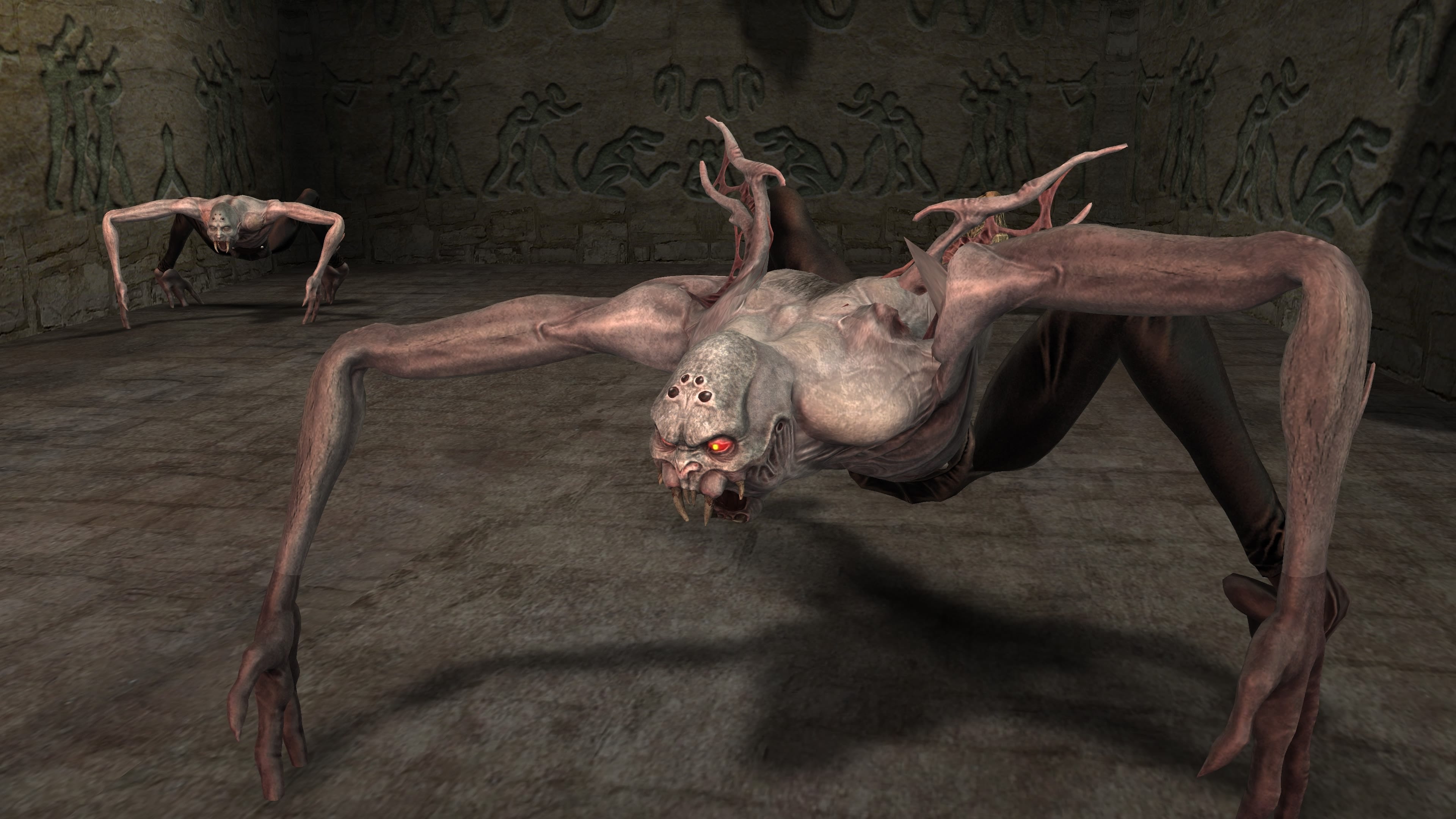
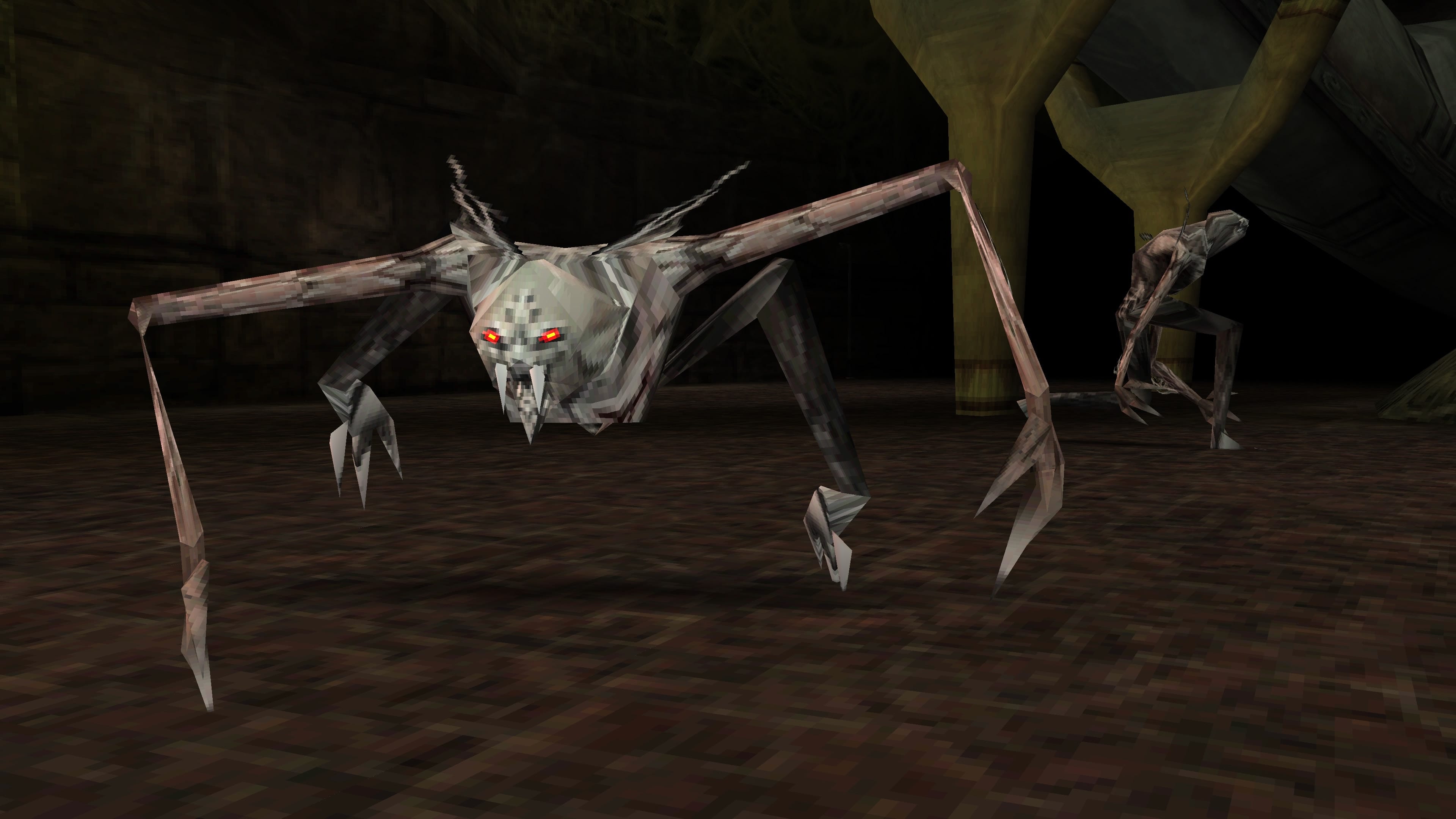
Each vampire general is also well-realised, offering a memorable boss encounter, usually arranged as a puzzle. Some must be lured into traps; others can be destroyed with their own projectiles, or exposed to daylight.
Dumah is found apparently dead in a stronghold full of the skeletal remains of his slaughtered spawn, but returns to life when the stakes left in him by human vampire hunters are removed. Zephon is a Giger-esque, biomechanical monstrosity, fused into place like an alien queen, his barely-human grin separating into huge mandibles. Rahab swims triumphantly in a drowned cathedral, once host to human crusaders.
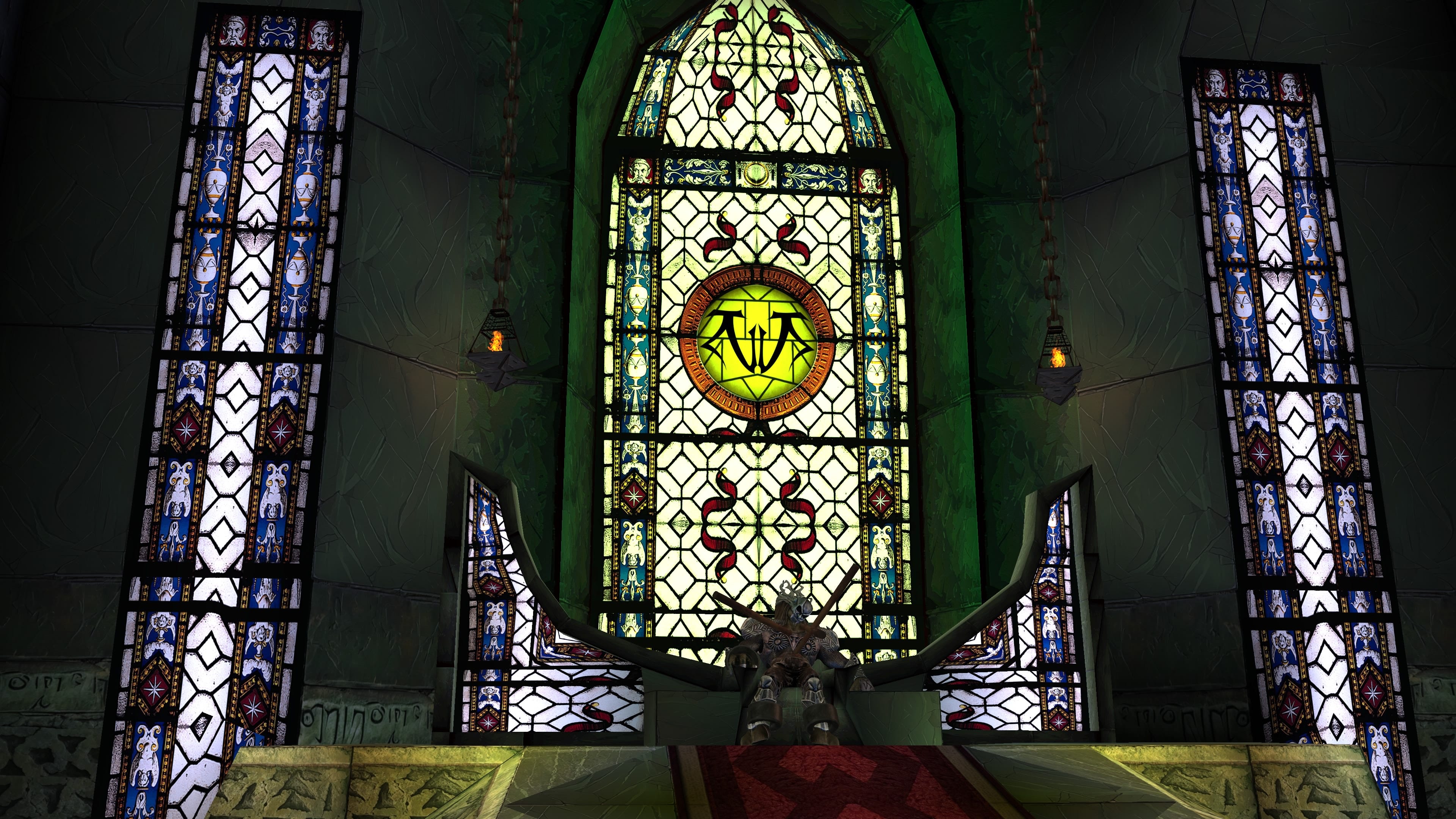
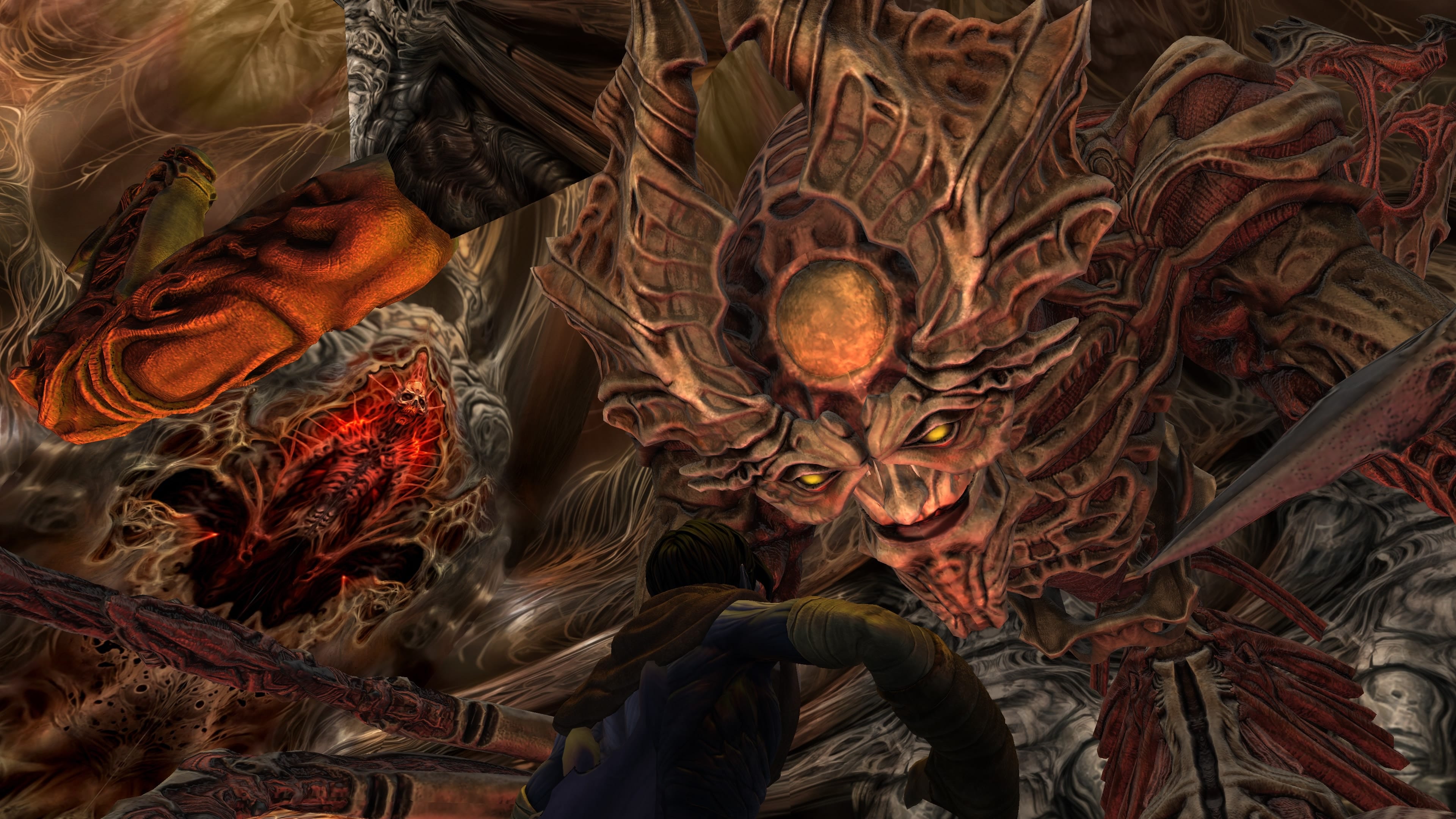
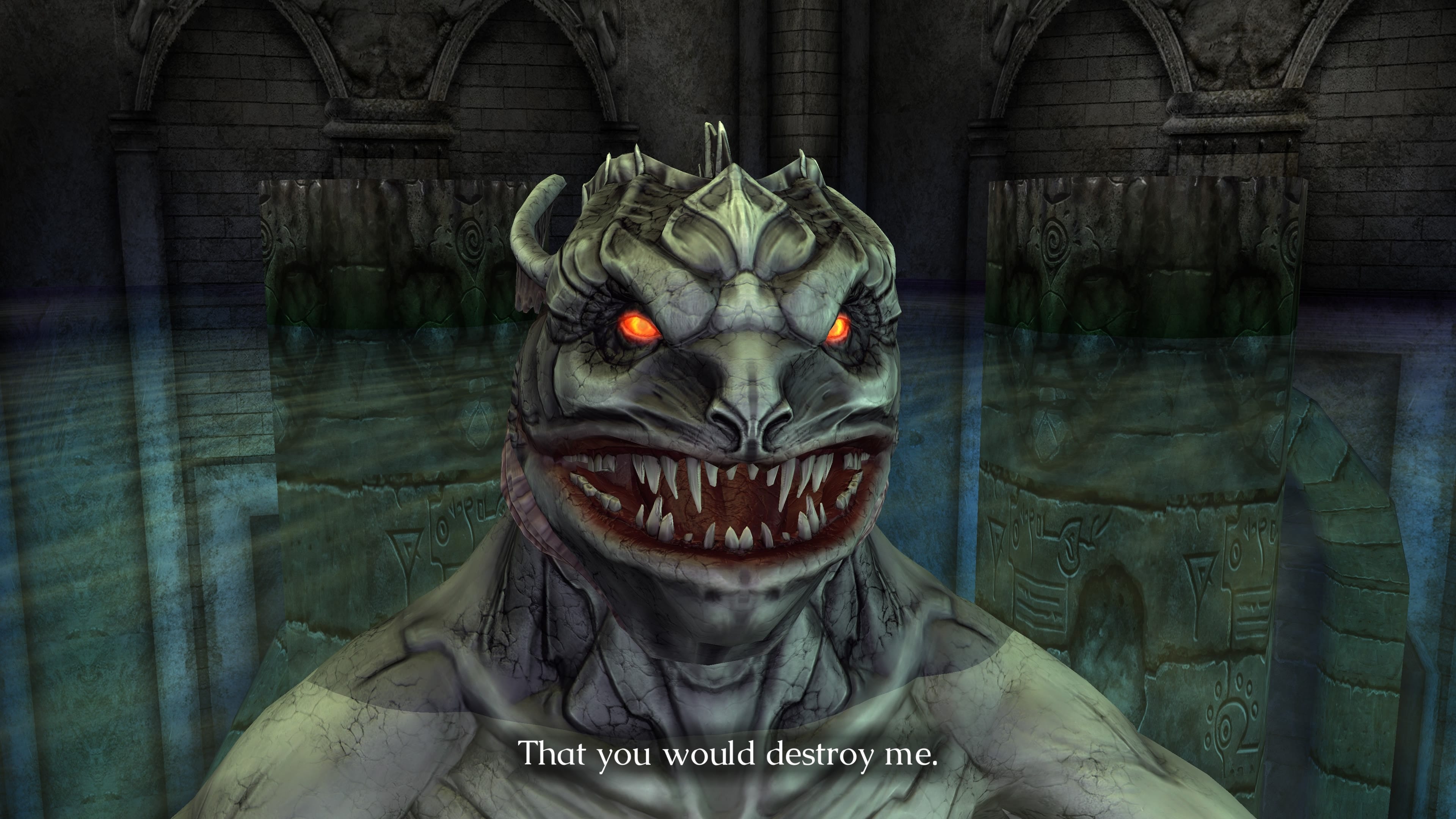
By absorbing the souls of each defeated boss, Raziel gains unique benefits, which (like an old school metroidvania) allow access to new areas of the world. He gains the ability to phase through barriers, to climb like Zephon’s spiders,2 and eventually to swim like Rahab’s aquatic vampires. After his first confrontation with Kain, he also gains the Soul Reaver (tm), a spirit blade bound to his arm, which is the metaphysical counterpart of Kain’s own sword.
The game does, of course, have its faults. There are a couple of murderously finnicky bits of platforming towards the end, and mid-game offers some remarkably opaque level design. It’s not as actively hostile to the player as the likes of System Shock, but nor is it as intuitive as a game of today, and there should be no shame in Googling solutions. The actual puzzles are very manageable, but problems do arise when the game expects you to know about specific inputs it has never deigned to inform you of, which happens a couple of times. On the whole, though, it’s reasonably accessible and rarely crosses the line into sadism.
Moreover, any shortcomings are more than made up for by the lore and atmosphere of this dying world. There is a strange synthesis of medieval and steampunk elements: Kain has blocked out the sun with the smoke from great factories, allowing his vampires free rein. The remaining humans have long since been reduced to a ‘domesticated’ state, serving only as a source of blood, and Kain’s restless courtiers bicker and feud among themselves for want of a challenge.
A besieged human enclave can be found and partially explored in-game, and Raziel has some unique dialogue setting the scene, although there is little to do there due to cut content. There was going to be a section where Raziel fought a secret cult among the humans led by a mad vampire-worshipping priestess voiced by Anna Gunn (Skyler White), but even without this, the encounter adds to the sense of a doomed world.
Soul Reaver 2
After a fairly abrupt cliffhanger ending, due to the first game being rushed to market, Soul Reaver 2 picks up pretty much immediately where its predecessor left off. After a dramatic duel between Kain and Raziel in what can only be described as a time machine, Raziel pursues Kain into the past, where he encounters Moebius, a devious, all-knowing wizard with the energy of a scheming eunuch.
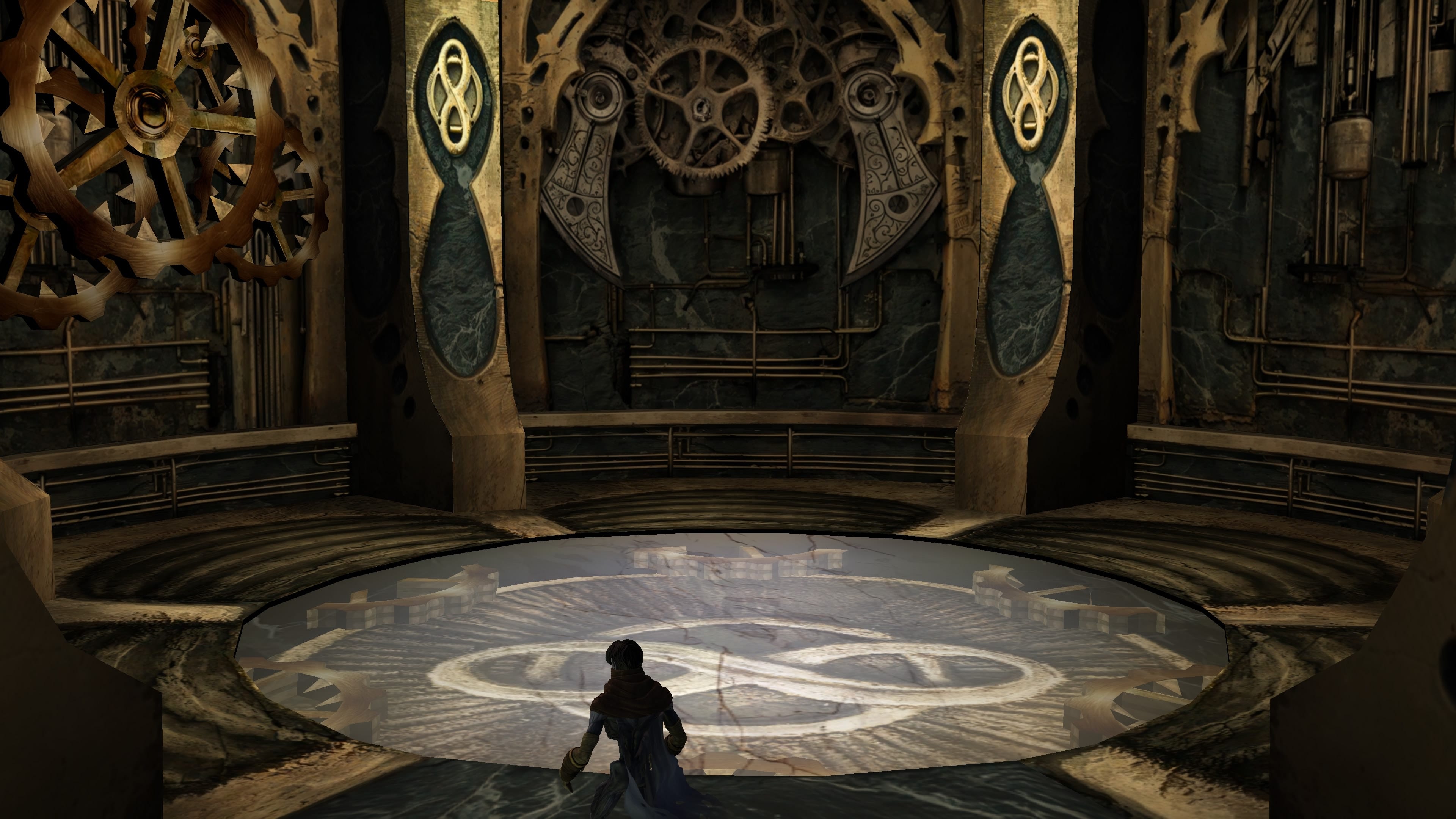
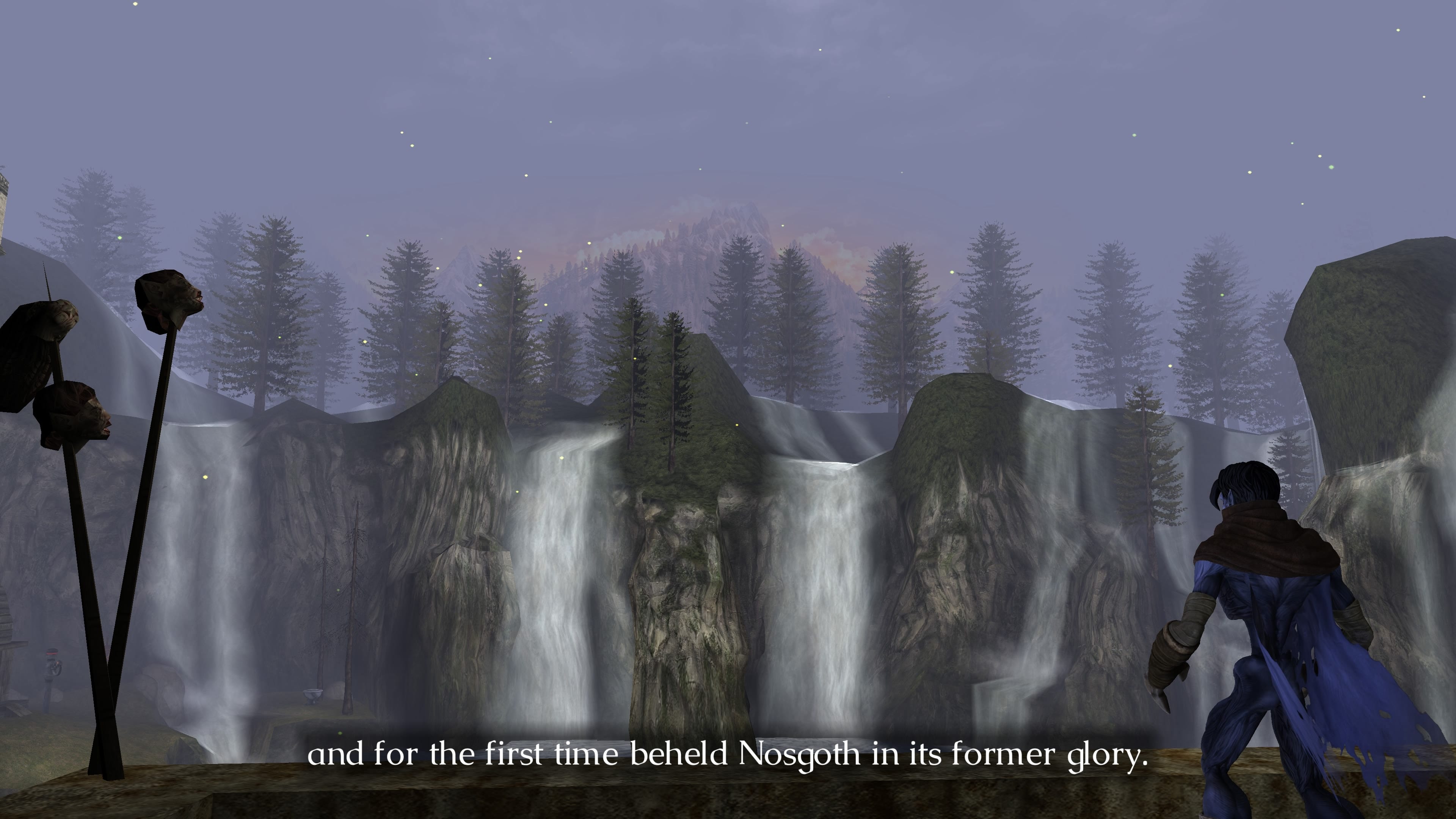
There is a noticeable glow-up, as the original was built for the PS2 rather than Soul Reaver’s PS1. Much more of the game takes place outdoors, as opposed to the claustrophobic tunnels and ruins of the first game, and we have a better sense of Nosgoth’s scale and geography. There are mountains, swamps, lakes and forests, and even little hamlets in the dismal wilderness. The levels also tend to be far more ambitious and elaborate, and there is less of the 90s jank insofar as I don’t remember having to consult Google at any point.
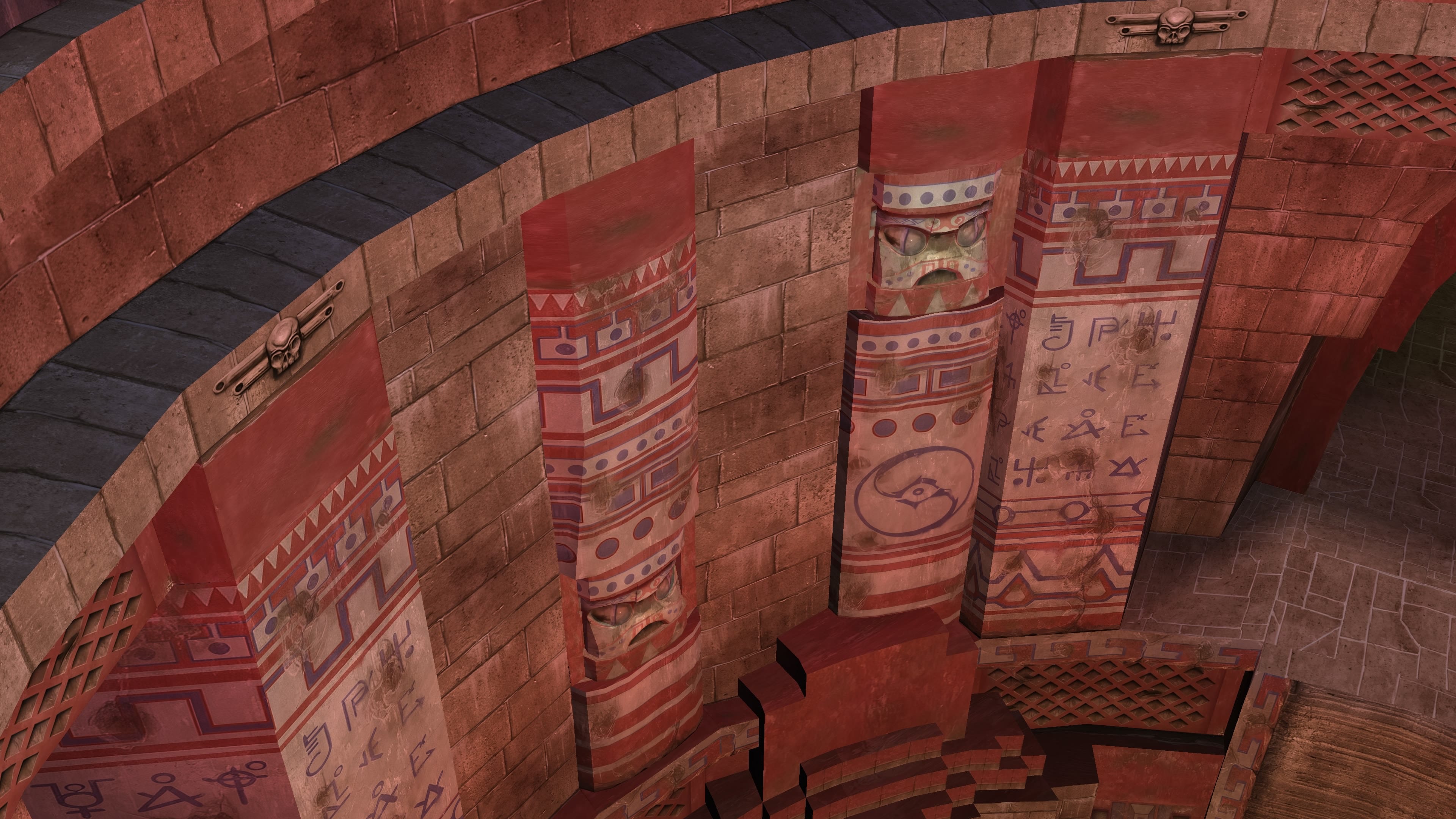
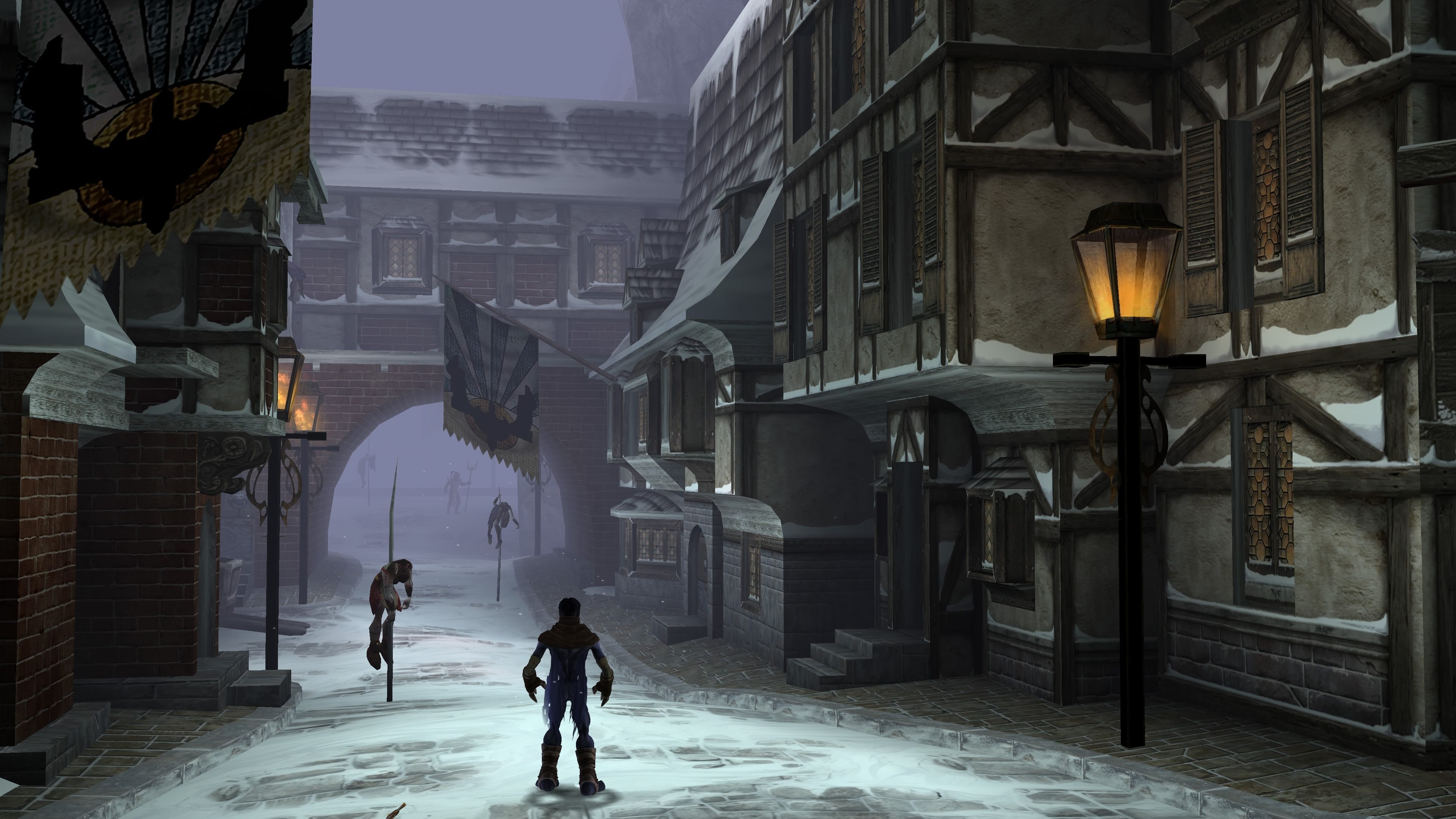
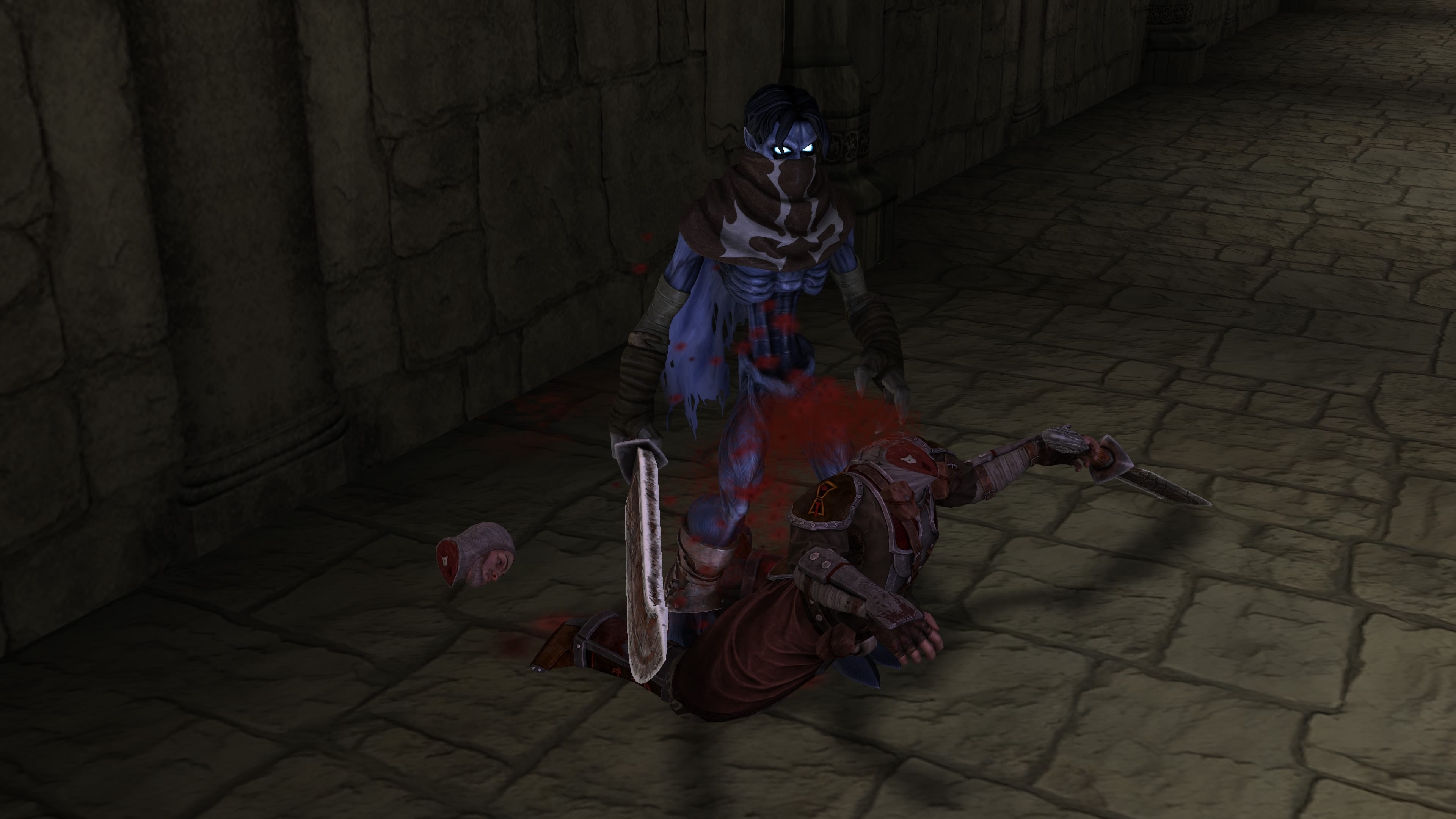
Gameplay is also refined, particularly combat. Whereas previously Raziel’s combat abilities were fairly limited, consisting mainly of fist-fighting or clobbering enemies with improvised weapons, he can now wield swords and battle-axes, block incoming attacks, and even throw weapons at enemies. The weapons offer many ruthless kill animations, from beheadings, to punching his clawed hand directly through enemy torsos, to chopping zombies in half and leaving their severed torsos crawling on the ground. There are fewer vampire enemies, so this more direct, aggressive combat style makes more sense, as opposed to the first game’s emphasis on impalements and environmental hazards.
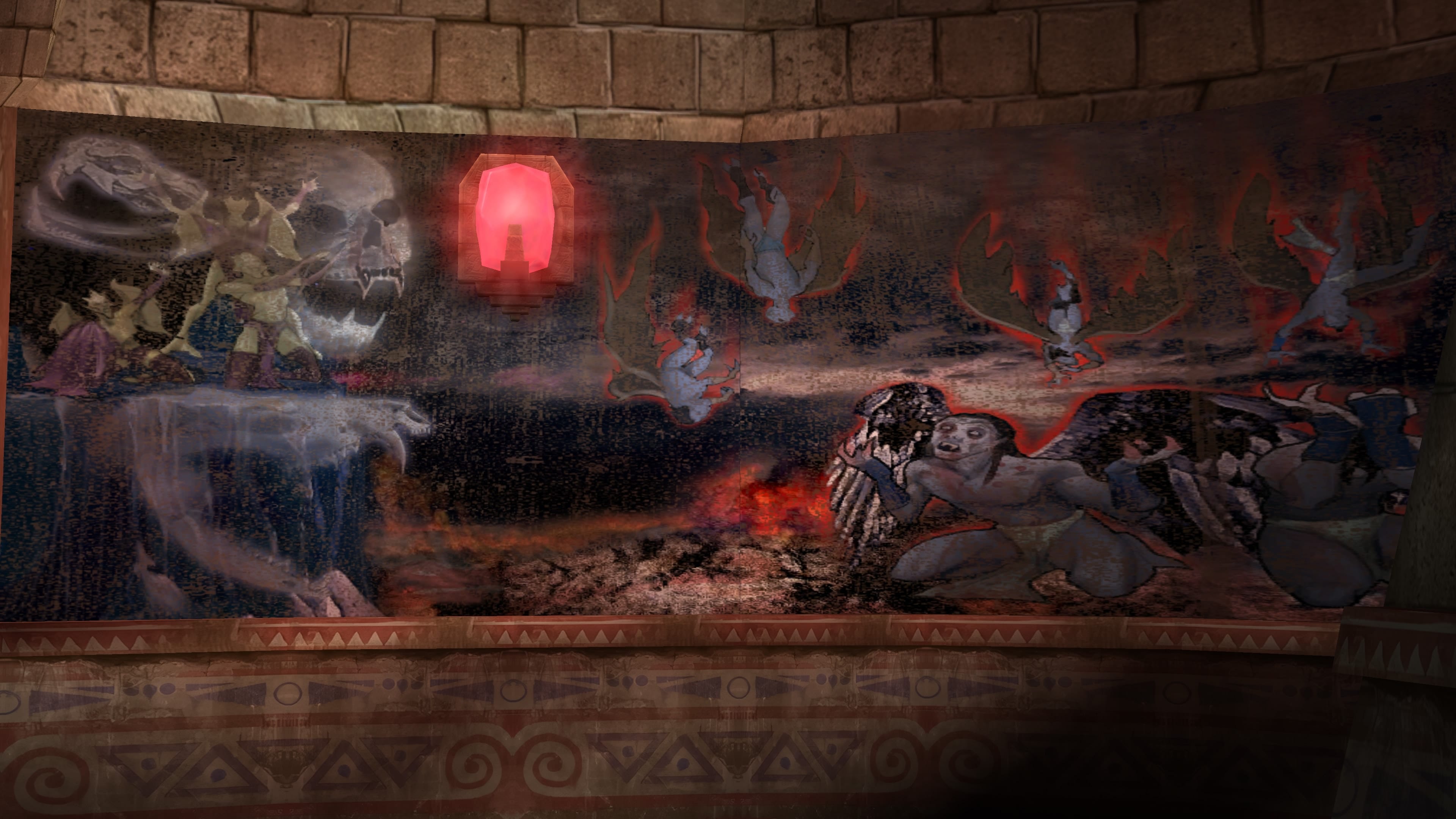
More importantly, the character models also received a marked glow-up, becoming far more detailed and expressive. Even Raziel is now able to emote with what remains of his face, and the rest of the cast is more animated still.
This is fortunate, because 2 features a larger supporting cast and far more dialogue, with Raziel on more of an emotional journey. Whereas Kain is a distant and mysterious villain in the first game, he is far more involved in SR2, and takes on more of an antivillain role. He is an ambiguous and secretive figure, always two steps ahead of Raziel, never saying anything outright when a hint will do, and knowing far more than he deigns to share about the various cosmic agendas behind Nosgoth’s problems.
Raziel also acquires a menacing new ‘companion’ in the Soul Reaver, his spirit blade, which becomes sentient after events early in the game, and will feed off of Raziel’s own life energy if it isn’t sated with enemy souls. Between this, Kain’s melancholy-white-haired-aura-farmer archetype, and the theme of struggle against fate, the games almost certainly owe something to Michael Moorcock’s Elric of Melnibone.
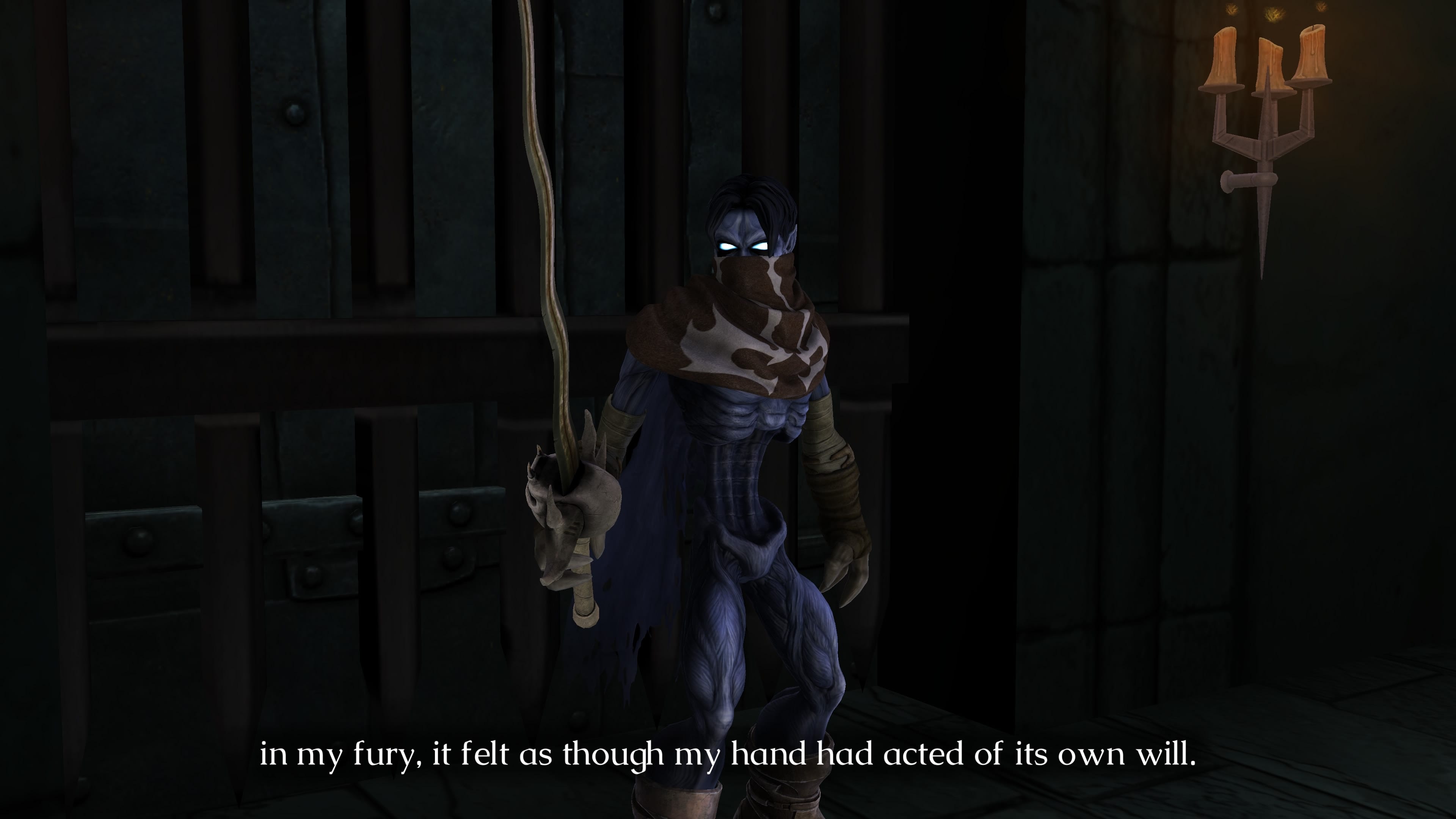
Raziel’s relationship with the Elder God also takes a turn; whereas in the first game, he loyally served the God, too preoccupied with his vendetta to ask questions, he begins the sequel with a far more fractious relationship with his former ally, who seeks to use him against Kain, whereas Raziel has no desire to serve any master and doubts the God’s motives. As we learn more, it becomes clear that the Elder God is not what he seems, and has his own malevolent agenda.
2’s story is pure melodrama - which I mean in the warmest possible way - and while it can be a little woolly in places, it’s very excusable given the game’s length and action-oriented nature, and the quality of the dialogue and voicing is outstanding. High points include: every scene involving Kain; every interaction between Raziel and the Elder God; and Raziel’s grandiose Jungian confrontation with himself (which I will not elaborate on here).
(This meme perfectly captures the style and spirit of 2’s story and dialogue.)
If 2 has a fault, it is that it runs on a little too long - though it’s still far shorter and more digestible than any big budget modern game - and involves a certain amount of repetitive backtracking. The latter comes from the time travel element of the game’s story, which on the one hand is used very well as a storytelling device, contrasting the various eras of Nosgoth’s history, but on the other, traipsing through familiar environments does get old.
Closing thoughts
As some of you probably know, the Soul Reaver remaster has only this month been followed by a remaster of Legacy of Kain: Defiance, which concludes Raziel’s trilogy and follows on from the dramatic cliff-hanger at the conclusion of SR2. Being perpetually out of the loop on gaming news, this was a surprise to me, as I had only lately got round to playing the Soul Reavers and writing this review. I will most likely play Defiance some time soon, and if there is interest I may write something about it too.
(I was still more surprised to learn that a new 2D Legacy of Kain, subtitled ‘Ascendance,’ is to be released at the end of this month!)
For the moment, though, I can wholeheartedly recommend the Soul Reaver remaster. It’s a solid modernisation of two fine games bursting with atmosphere and gothic flair. You can feel the enthusiasm of the original developers radiating down the years, preserved in the striking art direction, forbidding lore and brilliant voice performances. For the most part, the games have aged well in terms of design, and the refined assets help to make it accessible.3
In short, it’s a good place to start if you’re interested in Legacy of Kain, and why wouldn’t you be?
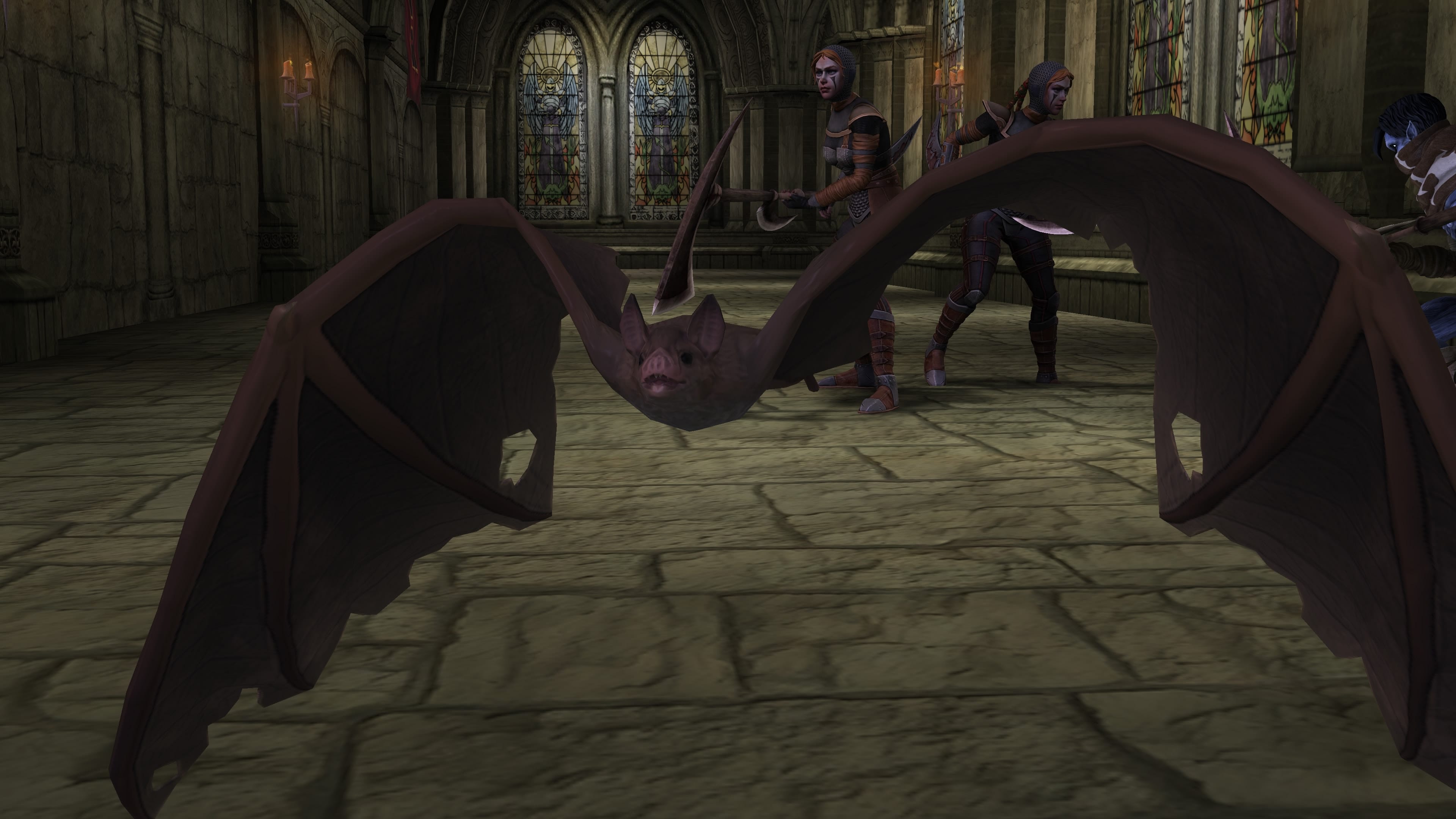
Subscribe for more photobombing bats.
(it’s basically the Fromsoft plot before Fromsoft did the Fromsoft plot)
A common vampire trope, which features in Dracula.
The remaster also includes extras including galleries of concept art for both the originals and remakes, and even a gallery of fan art from a (relatively) small but passionate community.
Comments
Nothing yet. Say the first thing.
Sign in to join the conversation.