
For over a century, the United States enjoyed a unique geopolitical luxury called escalation dominance. Except for the Soviet Union, Washington could consistently threaten to raise the stakes in any military conflict, knowing it could easily outgun any opponent on the battlefield. Washington projected power globally because it possessed the capacity to inflict catastrophic damage while remaining largely insulated from the consequences. Today, literally today in Geneva, that specific historical era has definitively and offically ended. Although the US military still possesses vastly more raw firepower than any other nation on earth, the ability to leverage that firepower into escalation dominance has vanished. This paradox results from deep structural, material, and psychological shifts.
The most glaring vulnerability is profound domestic risk aversion. American politicians possess no stomach for enduring national pain. They are willing to inflict suffering on foreign adversaries but terrified of the domestic backlash from receiving it. Fear of body bags, spiking energy prices, or disrupted supply chains paralyzes decision makers. This risk aversion links to broader cultural short termism. Frequent election cycles demand immediate, highly visible victories to satisfy an impatient electorate. Conversely, adversarial nations operating under different political systems may comfortably contemplate longer term, even multi generational strategies. They can potentially absorb short term blows and economic hardship to secure a long term strategic victory. Meanwhile American leaders cannot ask the electorate to endure years of pain for a payoff that might not materialize before the next election.
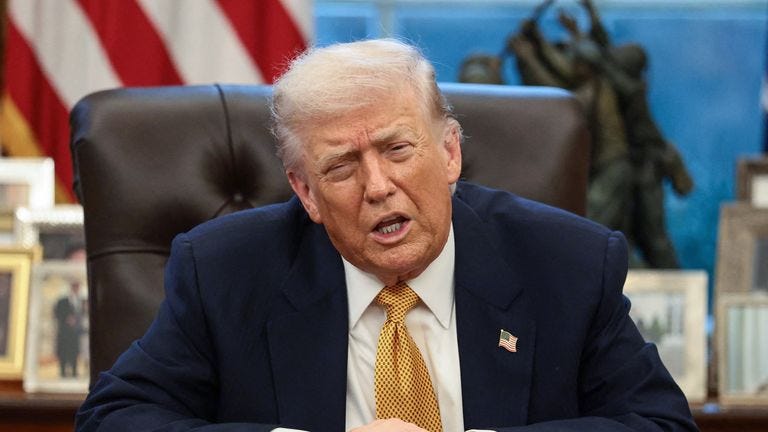
Materially, the foundation of deterrence is cracking. There is an undeniable loss of technological advantage in critical domains. While the United States may still build advanced fighter jets and nuclear subs, peer competitors have rapidly leapfrogged Washington in crucial asymmetric capabilities like hypersonic missiles, autonomous drone swarms, and air defense networks. Compounding this technological lag is a severe and dangerous lack of stockpiles for key weapons systems. Years of pork barrel politics and prioritizing “shiny toys” has led to a defense industrial base that is geared towards expensive, boutique, high end weapons but is totally unprepared for mundane tasks like cranking out artillery shells. This has left the military with dangerously low reserves of critical munitions, particularly air defense interceptors and precision guided missiles. Overwhelming firepower is an illusion if a military exhausts vital ammunition reserves in the first few weeks of a high intensity conflict. Iran is currently snubbing their noses at America in the negotiations in Geneva because they know American defence cupboards for key weapons are nearly bare.
Because the material edge is blunted, the psychological dimension of deterrence becomes paramount, yet this is where the United States fails most spectacularly. There is a profound lack of understanding regarding adversaries. At its core, escalation is at least partly a psychological exercise in credibility and resolve. To successfully bluff, you must deeply understand the red lines, cultural drivers, and pain tolerance of your opponent. In the past, overwhelming firepower made this nuance less critical. Threats were inherently credible regardless of the specific adversary mindset or cultural background. Today, because the US cannot guarantee a painless victory, understanding the enemy is everything. When strategists project their own risk aversion onto adversaries who do not share those fears, as would seem to be the case with Iran, their bluffs are easily called.
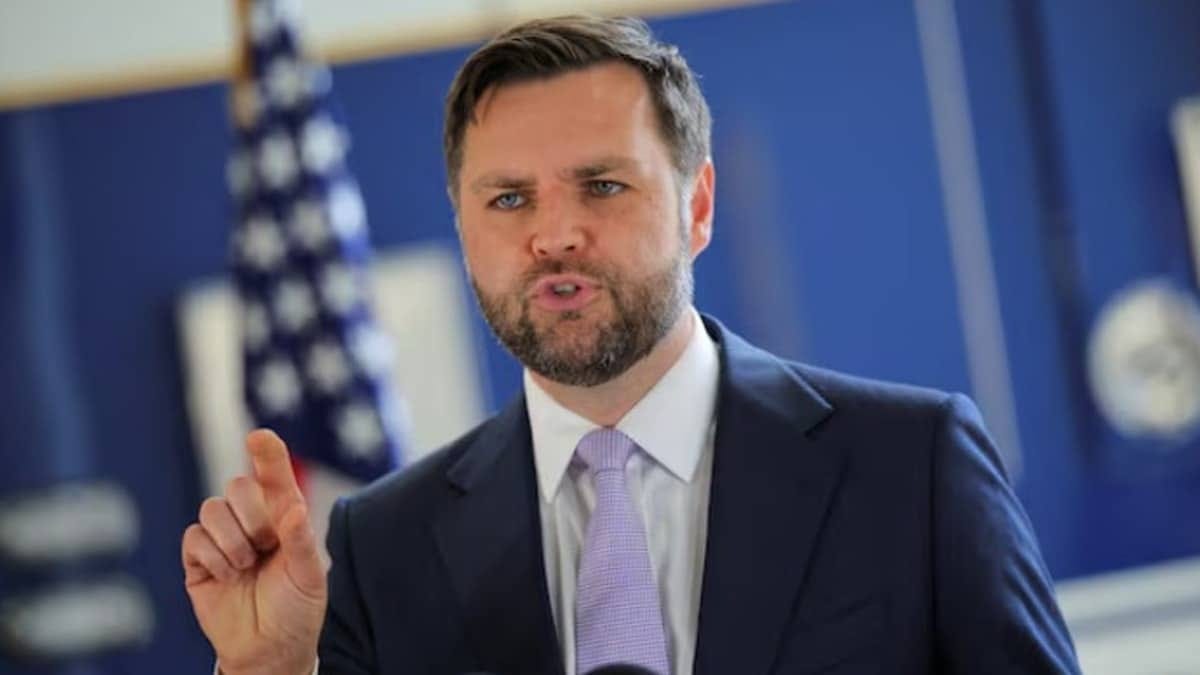
All of these dynamics are playing out in the current negotiations with Iran. The Iranian delegation is remarkably comfortable with escalation. In fact, they may actively desire such escalation to thoroughly test Western resolve and expose American hesitations. American officials can loudly threaten massive bombing campaigns, but Tehran knows full well that the United States will simply not absorb the severe regional retaliation required to actually make those threats stick. Iran also understands it can obliterate Israel if pushed to the brink. Furthermore, Iran is nearly eighty times the size of Israel, meaning traditional bombing campaigns are vastly less effective and more easily absorbed, at least compared to Israel of the Gulf monarchies. Consequently, we see American negotiators in Geneva this week such as JD Vance entirely at a loss for words. They are accustomed to being feared across the negotiating table and do not know how to operate in this new reality where their threats fall flat.
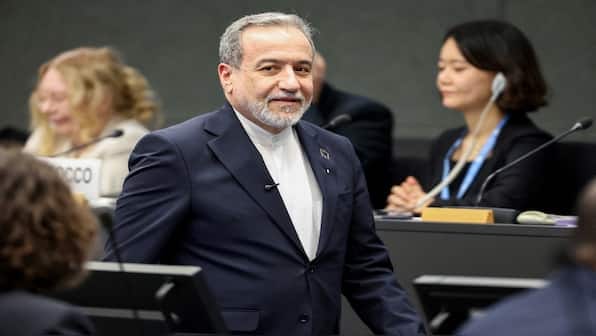
The paralysis in Geneva is just one specific manifestation of a broader geopolitical and psychological shift for America and signals a coming deeper national crisis. The major issue for America is not the loss of escalation dominance itself. The true crisis is the sudden, undeniable realization that they no longer have unquestioned supremacy. Sure, the Japanese or the Germans still haven’t got the memo, but the Chinese, Russians and Iranians certainly have. The American public hasn’t quite realized it yet either, but slowly over the coming weeks and months they will become aware.
This profound shift in global hierarchy will trigger in America immense soul searching, bitter finger pointing, and a sort of national psychological trauma. Americans are going to have to process the grief of losing their position as global hegemon and get used to the idea that we have entered an era of multipolity. This transition will be deeply uncomfortable, forcing a complete reevaluation of their role on the world stage and their expectations for what military power can actually achieve in the modern era.
America’s self-identity is at stake. The world view of Americans is molded around the idea of “the indispensible nation”, the beacon of freedom and democracy that people all over the world look up to, that has the most powerful military the world has ever seen, that almost single handedly won WW1 and WW2, and that beat back the fascist and communist hordes! Never mind that none of that is really true, the everyday American, as well as the Washington elites, believe it.
Americans are going to have to get used to living in a world where they are just one of the geopolitcal poles, not indispensible and not the most powerful. Can they do it peacefully, without unleashing war and destruction on themselves and/or the world?
No posts
Comments
Nothing yet. Say the first thing.
Sign in to join the conversation.