
Diplomatic relations between Brussels and Beijing have hit a familiar sour patch. According to the Financial Times, China abruptly cancelled two senior meetings with the EU this month at very short notice. The scrapped events included a ministerial digital dialogue and a scheduled meeting with EU Deputy Secretary General Olof Skoog. While some Western commentators might call this a petulant tantrum, it is actually a completely normal diplomatic reaction. If you treat a counterpart with consistent hostility, rudeness, and condescension, you should not be surprised when they refuse to sit across the table.
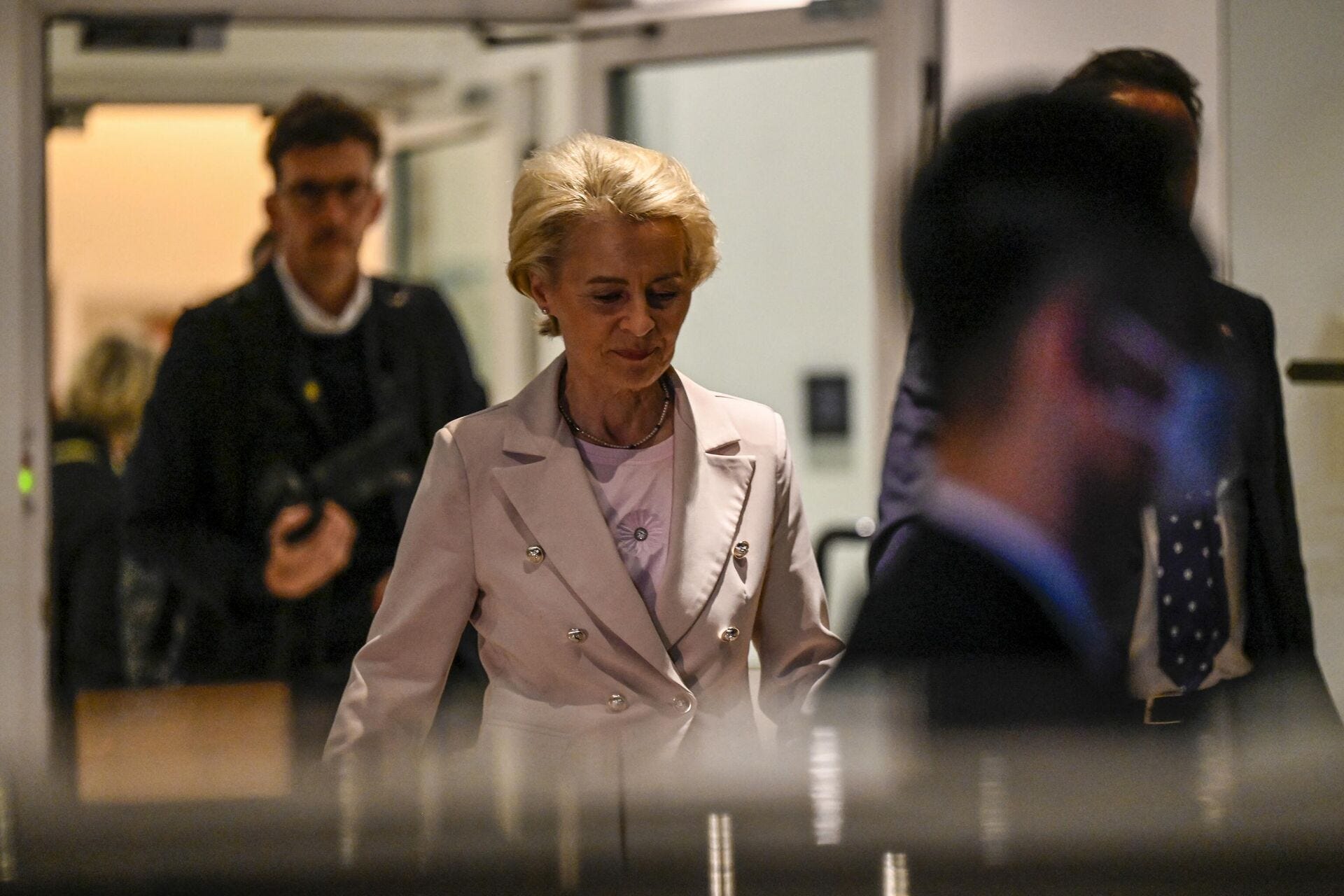
The EU would seem to need China currently far more than China needs the EU but European officials have spent the last few years treating Beijing like a wayward student rather than an equal partner. Former German Foreign Minister Annalena Baerbock made a habit of flying to China it seems specifically to deliver moralizing lectures on global conduct. We have also seen the calculated diplomatic slights, such as the time European Commission President Ursula von der Leyen arrived in Beijing and was directed through the normal passenger line at the airport instead of receiving standard VIP treatment. China is simply matching the vibe it receives from Brussels.
This diplomatic freeze is also a response to sustained economic warfare. The EU has attacked Chinese industries before, most notably by banning Huawei from its 5G networks and bowing to American pressure to force ASML to restrict semiconductor equipment exports. Now the complaint is Chinese overcapacity in green tech and electric vehicles. Let us translate that bureaucratic jargon. Overcapacity basically means a country is highly competitive, produces goods efficiently, and sells them at attractive prices. Did anyone accuse Germany of having overcapacity in the 1990s when it was flooding global markets with high end cars, machinery, and chemicals? No. It was just called export led growth. The rules only seem to change when Europe starts losing the competition.
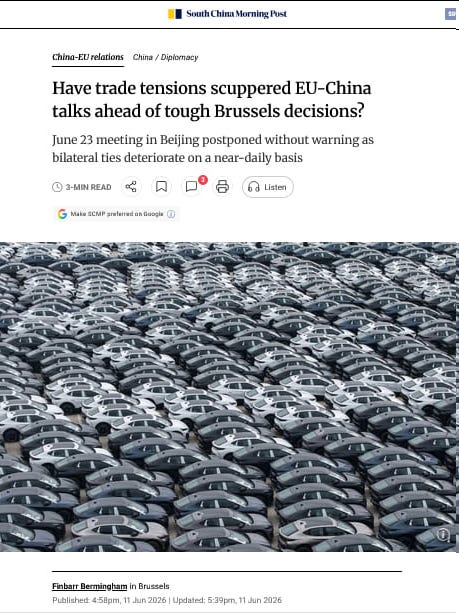
Furthermore, the moral posturing of the EU on foreign policy is exhausting. Brussels constantly lectures China on its international alignments, specifically criticizing Beijing for maintaining ties with Russia and Iran. Yet the EU completely ignores its own glaring hypocrisy. European nations blindly follow Washington in its unwavering support for Israel and its massive military funding for the Ukraine conflict. They fund endless military operations and supply weapons continuously, yet feel morally superior when China maintains its own sovereign partnerships. The EU demands absolute sovereignty for its own foreign policy choices (i.e. “choosing” to do whatever Washington says) while denying that same basic courtesy to Beijing.
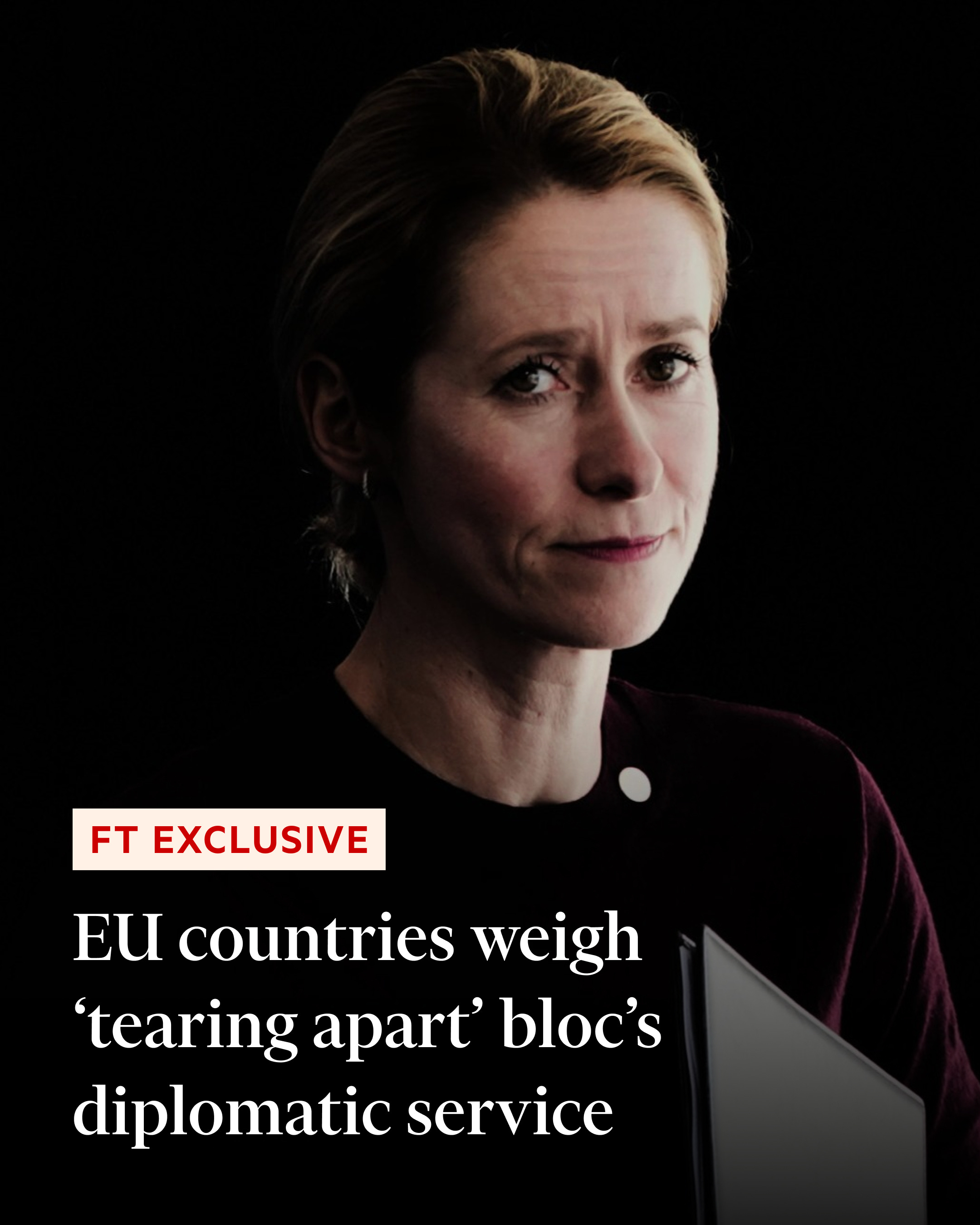
Adding to this chaotic backdrop are rumors regarding Kaja Kallas, the top diplomat for the EU. Whispers in Brussels suggest she is slated to be replaced entirely, or that the diplomatic role might be significantly downgraded in the coming reshuffle. It highlights a leadership class that is entirely consumed by internal bickering and whose only “virtues” are navigating the Brussels bureaucracy and political maneuvering.
Ultimately, this entire episode underscores the reality for Brussels. The European Union spent decades aspiring to be a major, independent geopolitical player on the world stage. Instead, it has become basically irrelevant. It lacks the military cohesion to act alone, the economic unity and energy/resource sovereignty to protect its own market, and the diplomatic respect to command the room. It acts as a junior partner to Washington, lectures its economic competitors, and then acts genuinely shocked when those competitors decide to stop playing along. Until Europe figures out how to compete rather than just complain, these cancelled meetings will be the least of its problems.
No posts
Comments
Nothing yet. Say the first thing.
Sign in to join the conversation.