
Hello Bookshelf friends!
We just started homeschooling today (a bit early this year), so I’m ready for warm sweaters and apple cider and reading aloud by the fireplace. Never mind that it’s still August. 😂
Which has me wondering:
What’s your favorite fall book? I’m (always) looking for more books to add to my TBR list.
You know what’s hard to read but still necessary?
The news.*
I want to be an informed citizen, stay up to date, and pray about current events, but doomscrolling can send me downspiraling fast.
Then about five years ago, I discovered something called The PourOver.
It’s a Christ-centered news email that delivers the day’s top events straight to my inbox without the outrage or anxiety. They’re funny too, without making light of hard things, and they include Bible verses and prayers to help keep my eyes fixed on Jesus.
Oh, and it’s completely free.
If that sounds good to you, you can sign up for free here. (They’re running a refer-a-friend challenge this week, and if I win, I get to treat my church small group to dinner. So you can get the news and help me feed my friends. 😂)
*If you thought I was going to say the Bible, I can totally see that too. But I created something to help you with that. 😉
Alright, let’s get on with this month’s book reviews!
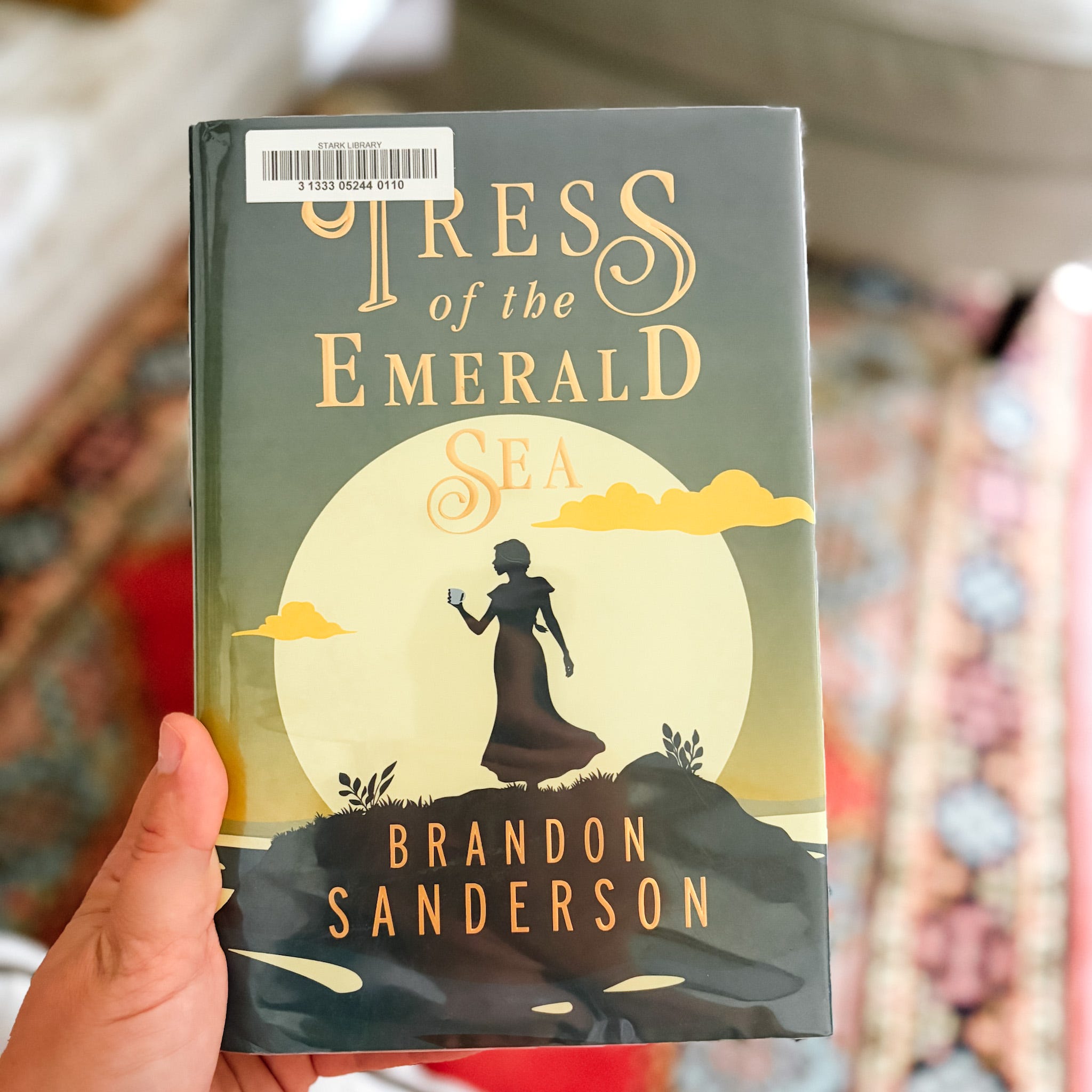
Tress of the Emerald Sea by Brandon Sanderson
What a whimsical and satisfying story! I’ve always been bothered by fairy tales where the princess in distress waits passively for the prince to rescue her. I’m more a fan of teamwork than lone heroes, personally. So Tress of the Emerald Sea swept me right up: a girl setting off to rescue the lost prince, making unexpected friendships along the way, and discovering that the world is much bigger (and more interesting) than she’s ever known. It’s a lovely little coming-of-age story (with real dangers and real stakes), and I’ve recommended it to my 13-year-old.
Fun fact: Sanderson wrote this book after he watched The Princess Bride with his wife and kids during the 2020 lockdown. She noted that Princess Buttercup doesn’t do much to find Westley when he goes missing at sea. What if, Sanderson wondered, Buttercup had actually gone after him? He eventually wrote Tress in secret as a gift for his wife. She loved it—and thankfully for the rest of us, encouraged him to share it.
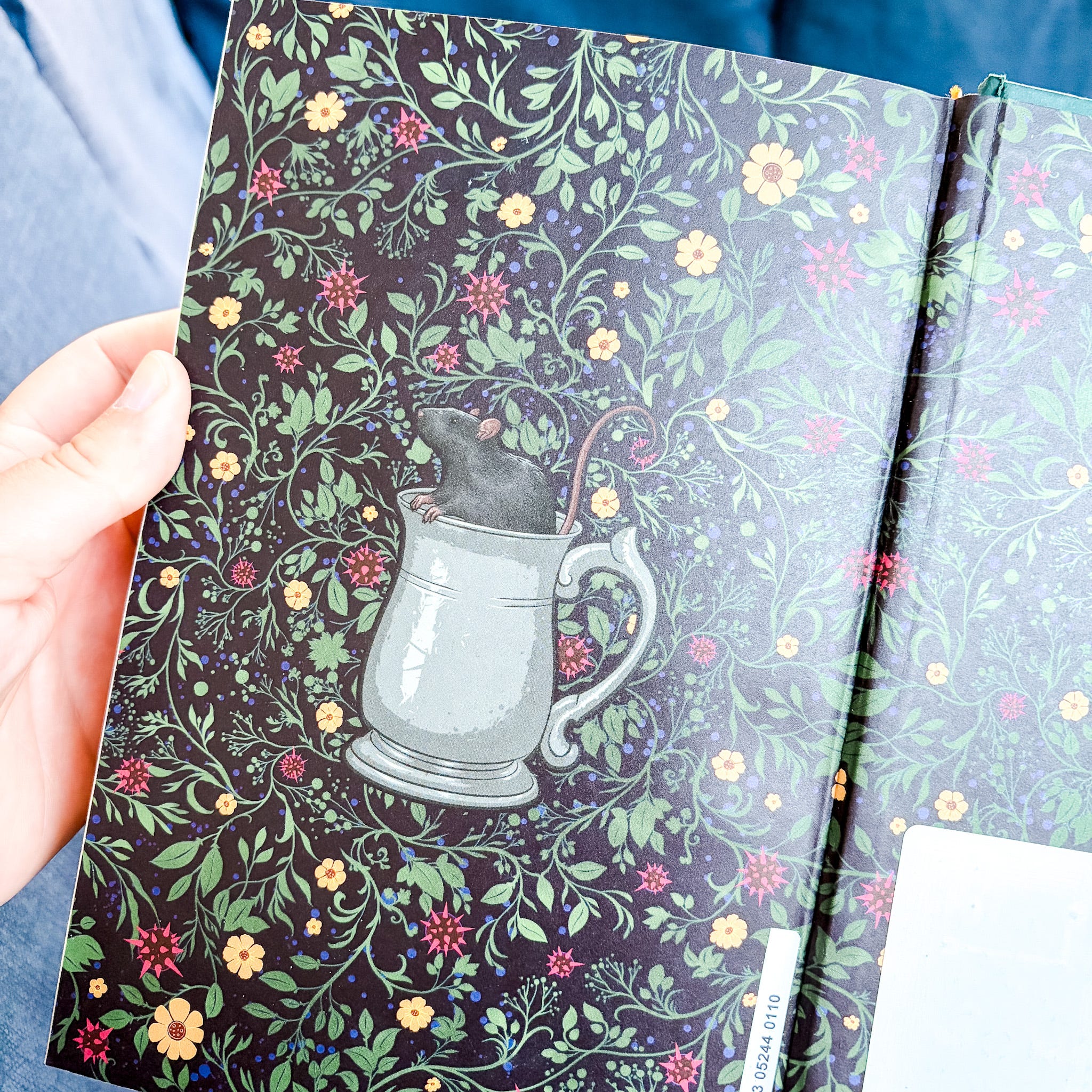
I listened to the audiobook, but I wish I’d read the hardcover instead, because it features gorgeous illustrations. (Make sure you look inside the front cover too!)
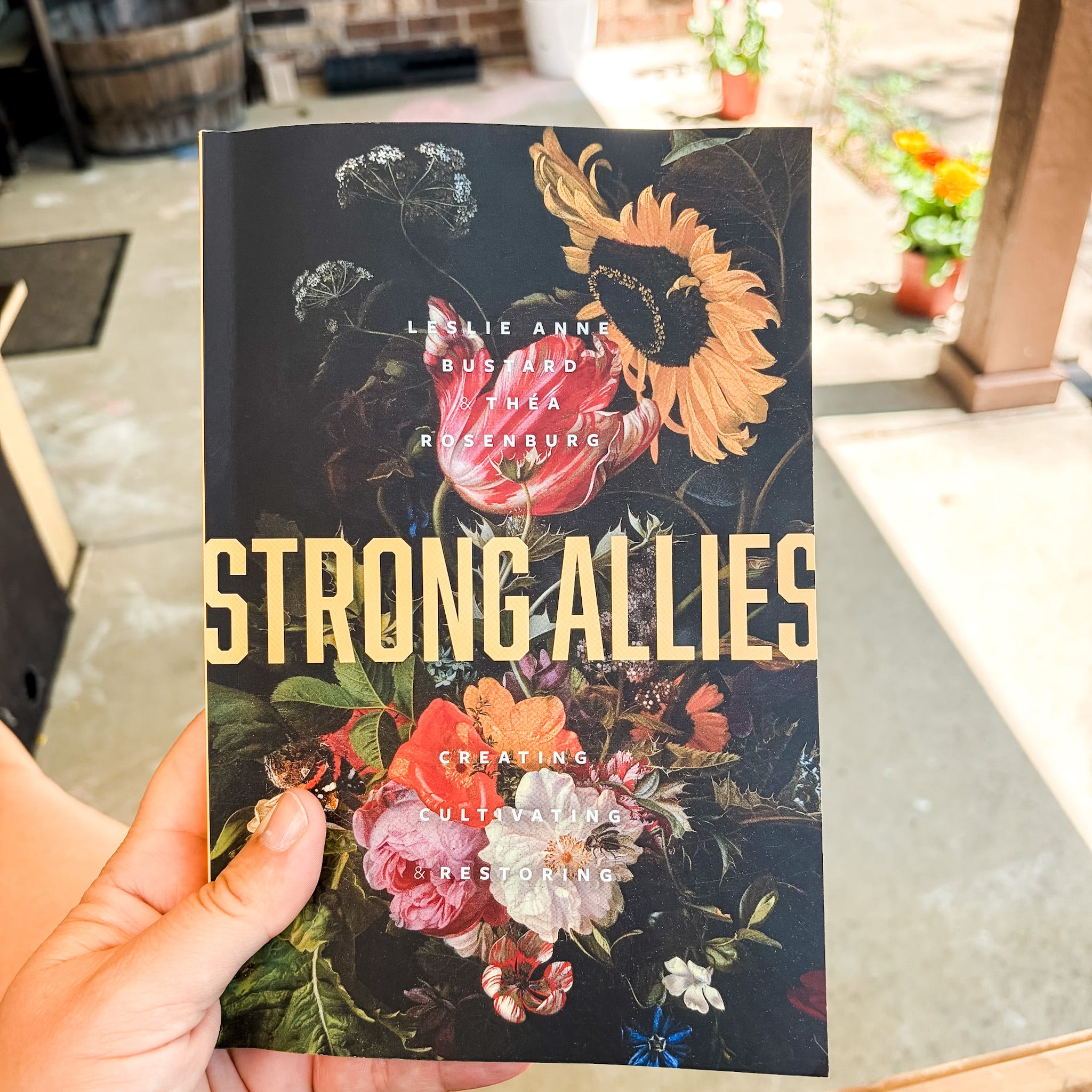
Strong Allies: Creating, Cultivating, Restoring by Leslie Anne Bustard, edited by Thea Rosenburg
By this point, it should come as no surprise that I’m reading everything I can get my hands on regarding women, Jesus, and the Bible. When I heard the title a few months ago, I knew I needed to add this to my reading list. Strong Allies was published posthumously, gathering Leslie’s years of study and reflection into a format that allows the rest of us to reap the fruit of her work. And for some reason, knowing that she’s moved on to glory makes these pages even more touching in their hard-earned wisdom.
I also appreciate that Leslie collected essays and insights from other women, including Karen Swallow Prior, Luci Shaw, and Christie Purifoy. This one’s not a speed-reading sort of book, so I plan to linger with it over the coming months.
Yesteryear by Caro Claire Burke
Okay okay, this one’s got to be one of the most polarizing reads of 2026. (And you might be surprised to find it here on my Bookshelf.) I’ve talked to friends who absolutely loved this book, and others who were enraged by it.
I’m… kind of in between, honestly. Where the book seems to critique women who choose to stay home and raise their families, I found it thin at best and mean-spirited at worst. I especially didn’t appreciate the author’s acerbic treatment of faith in Jesus and the ways millions of women practice that faith through devotion and, yes, self-sacrifice. Any critique she intended in this area lacks nuance and credibility.
But as a critique of the influencer culture? Oomph. This one hit home for me.
As someone who was deeply steeped in Instagram content creation for years, I know how easy it is to direct and produce content that creates the veneer of a life without necessarily living that actual life. (It’s a big reason why I’ve shifted from IG to Substack.) What Burke is critiquing isn’t exclusively a #tradwife problem; it’s a social media problem. And I appreciated the way she explored the personal cost of turning your life—and your family—into content.
The story itself was meh for me. Overall, I think Jo Piazza better delivers both the stunning cultural critique and a gripping thriller in Everyone Is Lying to You (reviewed in this Bookshelf Letter). And in case you’re wondering, I have A LOT MORE THOUGHTS on the current #tradwife moment we find ourselves in. (Spoiler alert: I don’t think the #tradwife trend is an inherently Christian movement.) If you’re curious, you can hear more of what I think here:
Reading the Bible with Rabbi Jesus by Lois Tverberg
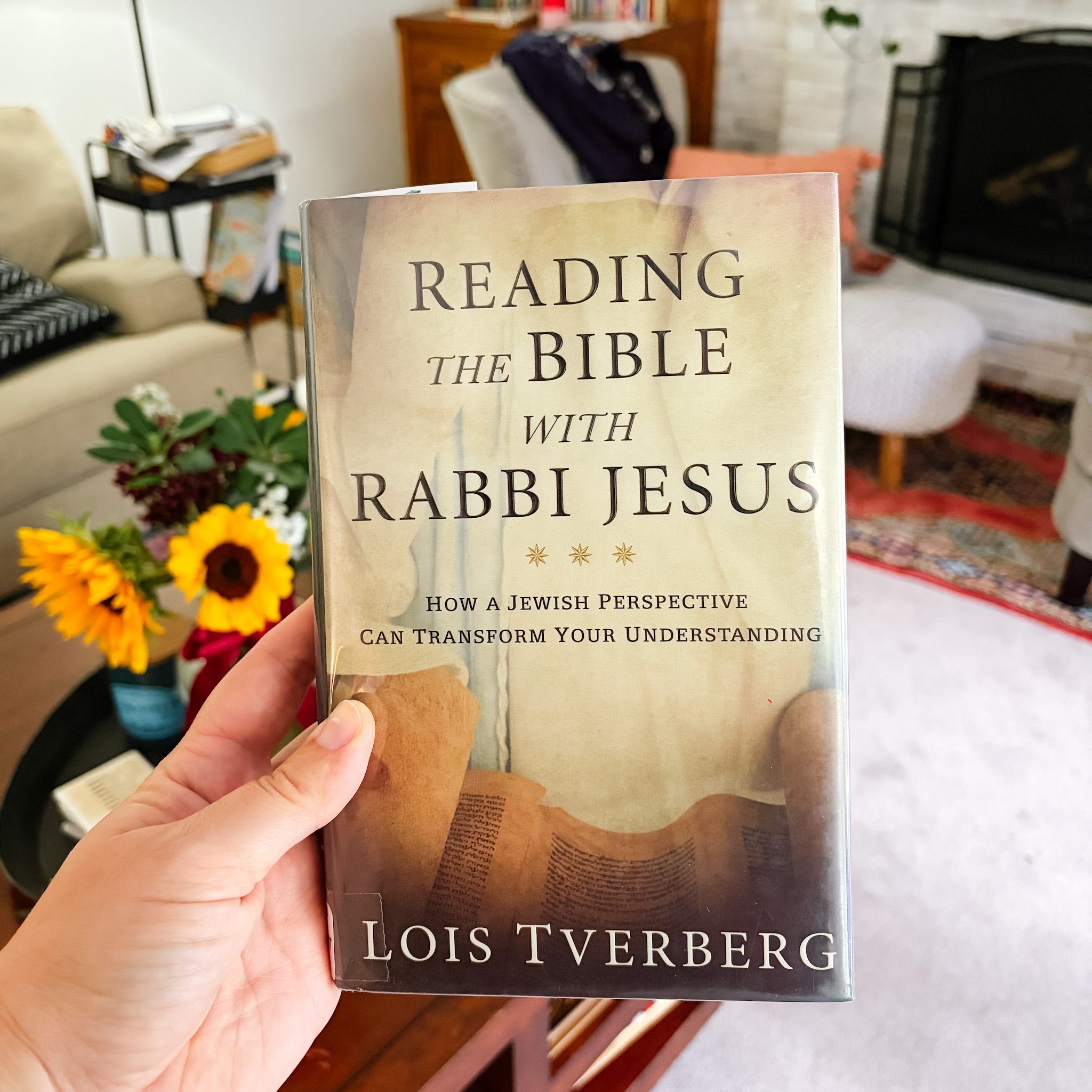
This is kind of embarrassing to admit, but at first I wasn’t sure how much I would learn from this book, so I was speed-reading it. But then I stumbled upon gem after gem, and I switched to my kindle so I could highlight and save quotes for future reference (aka future books-in-progress). The Bible can be hard to read and understand—in part because we’re no longer familiar with the original audience’s inherent worldview.
I appreciate how the author contextualizes the Bible to its first readers and calls out where we’ve misappropriated biblical truths because of our W.E.I.R.D. background.1 (The acronym makes sense once you read the first few chapters. Promise.)
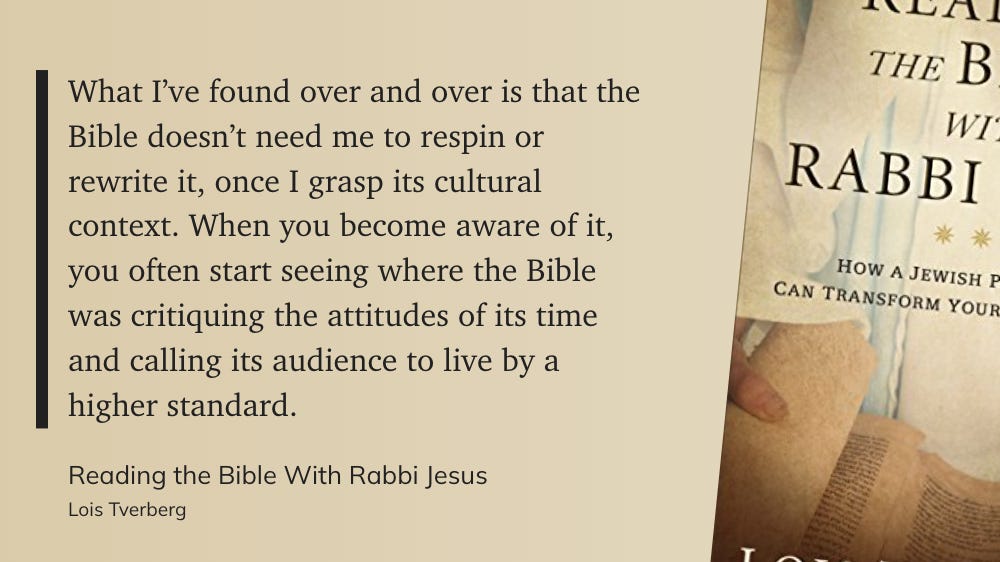
For example, Tverberg points out that we’ve transformed the gospel of Jesus into such a personal message that too often we’ve forgotten its cosmic implications. The Good News of Jesus is that God has crowned Him King of the universe. That’s good news on a cosmic scale.
The author also discusses how Western thought has been shaped more by Greek philosophers than by the ancient Middle Eastern worldview. We stack up arguments in logical sequence to try to prove a point. I’ve been thinking a lot about this actually, as I’ve been wrapping up N. T. Wright’s God’s Homecoming (reviewed here), so this quote stopped me in my tracks:
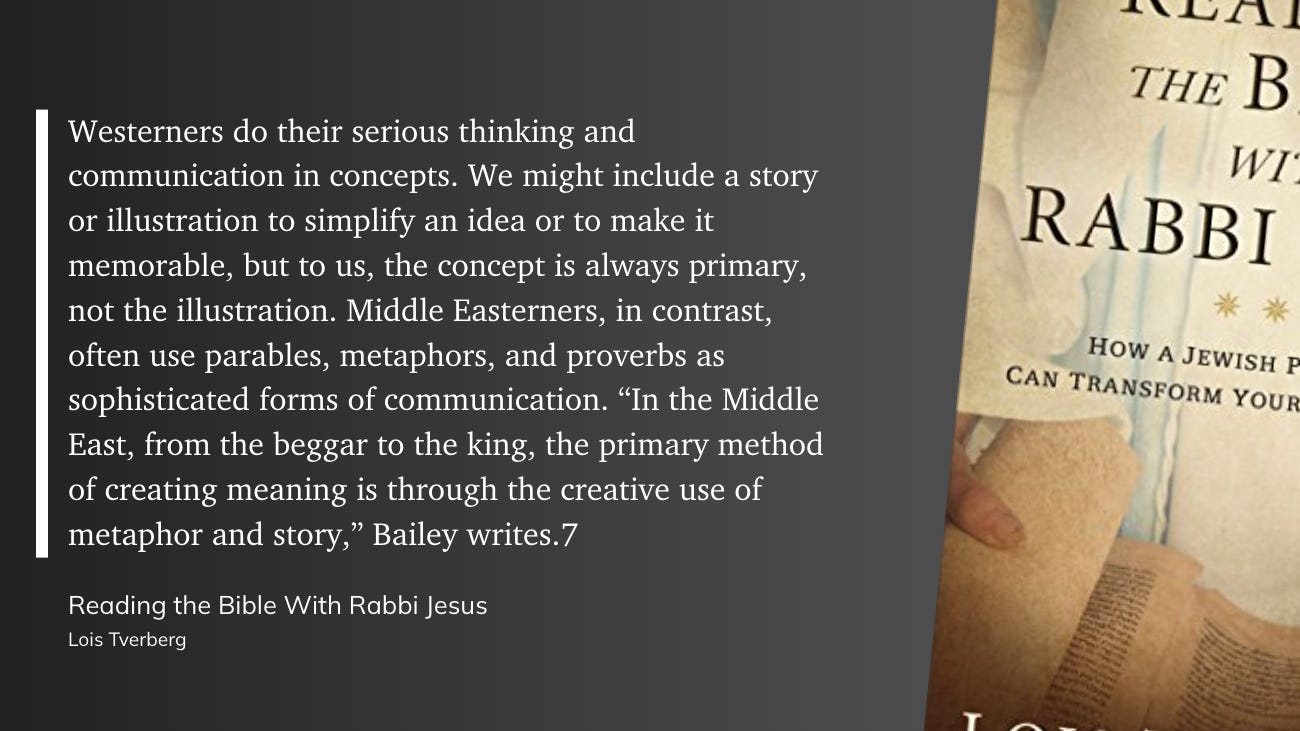
I wonder if this difference in how we think of the world explains, in part, the disenchantment of modern Christianity. We’ve so conceptualized our faith in Jesus that we’ve lost the big and beautiful story that God has been telling through the pages of Scripture. As a writer, I can build a cohesive, logical argument for delighting in Jesus or the sacred strength of women.
But I could also create a story world that illustrates delight (like C. S. Lewis’ Narnia), or an adventure that illustrates the strength of faithful women throughout history (like the middle grade series I’m working on). Exposition is not better than narration. As the author points out, “Jesus was doing theology through storytelling,” and He is the master theologian. Both have their place. But perhaps in our postmodern culture, fantasy storytelling is one way we can re-enchant peopl;e who have deconstructed the concepts of faith by introducing them to a better story—one as old as time.
For me, at least, that has been the case. Fantastical storytelling has opened more of my heart and the right side of my brain to the things of God, and I have found my faith heritage to be richer and more theologically appetizing for having embraced parables, metaphors, and proverbs, even in their contemporary expression.
Anyway, these are half-baked ideas right now. But suffice it to say, I’m really enjoying Tverberg’s book—way more than I thought I would.
The Final Empire (The Mistborn Saga, 1) by Brandon Sanderson
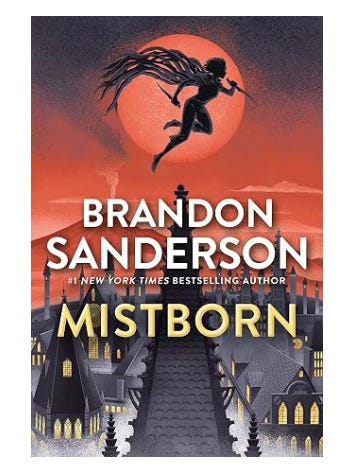
After blowing through Tress of the Emerald Sea (see above), I was ready for more Sanderson, and Mistborn did not disappoint. It’s reaaaaaaallllllly long (like over 25 hours on audiobook), but I had some household projects to wrap up before the end of summer, and this heist-like story didn’t disappoint. I especially enjoyed the double POV of Vin, the street-urchin-turned-superhero, and Kelsier, her crew leader and mentor. Their friendship gives us a mentor/mentee dynamic rather than the typical romantasy pairing. (Though Vin does fall for a prince eventually.) I also found myself drawn deeper into the Cosmere, Sanderson’s interconnected fantasy universe that’s unlike anything I’ve read in this genre.
I already have the next audiobook on hold, though I’m not sure when I’ll have time to listen to it, since all the Cosmere books are known for being heavy tomes. I think the story could have easily been 15% shorter (at least), but I genuinely enjoyed most of it and didn’t mind the bunny trails very much. The themes of learning to trust, being willing to sacrifice yourself, questioning established religious/power structures, and being wary of the allure of power all work really well in this story, and I think I’m recognizing a pattern with this author that (so far) every story I’ve read has one character who lays down their life for their friends. There are a lot of battle scenes in this book, so I wouldn’t consider it a YA fantasy. (Not planning to recommend it to my kids until they’re grown-ups.) But I think Sanderson has written a very religious and hope-filled story here, one that makes me wish I was part of a book club so we could delve into the nitty-gritty details.
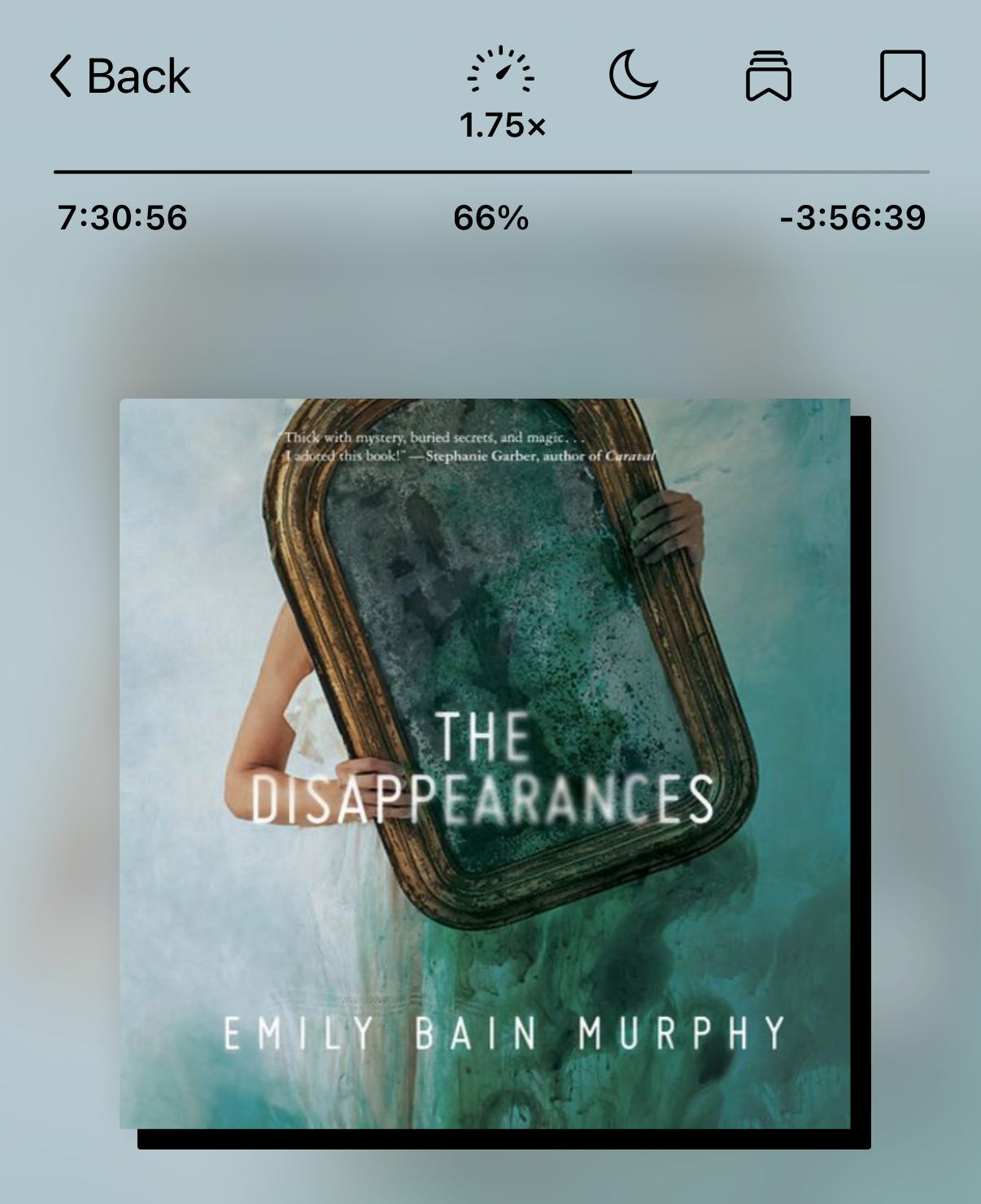
The Disappearances by Emily Bain Murphy
Imagine this: What if every seven years, you lost one aspect of your five senses? Like, it just disappeared? (Or even more specifically, lost the ability to see the stars, to hear music, to get wet in the rain?) For three fictional towns in the mid 1940s, this curse is their mysterious reality, and they’re all blaming the recently deceased mom of our protagonist—who herself recently moved to these bizarre towns. This one’s an interesting take on a “what if” sort of YA mystery. There’s some romantic attraction and mild language, so I’d advise older teens for this. I haven’t finished it yet, but so far I’ve been enjoying the sibling dynamic here, as well as the literary connections between the disappearances and classic lit.
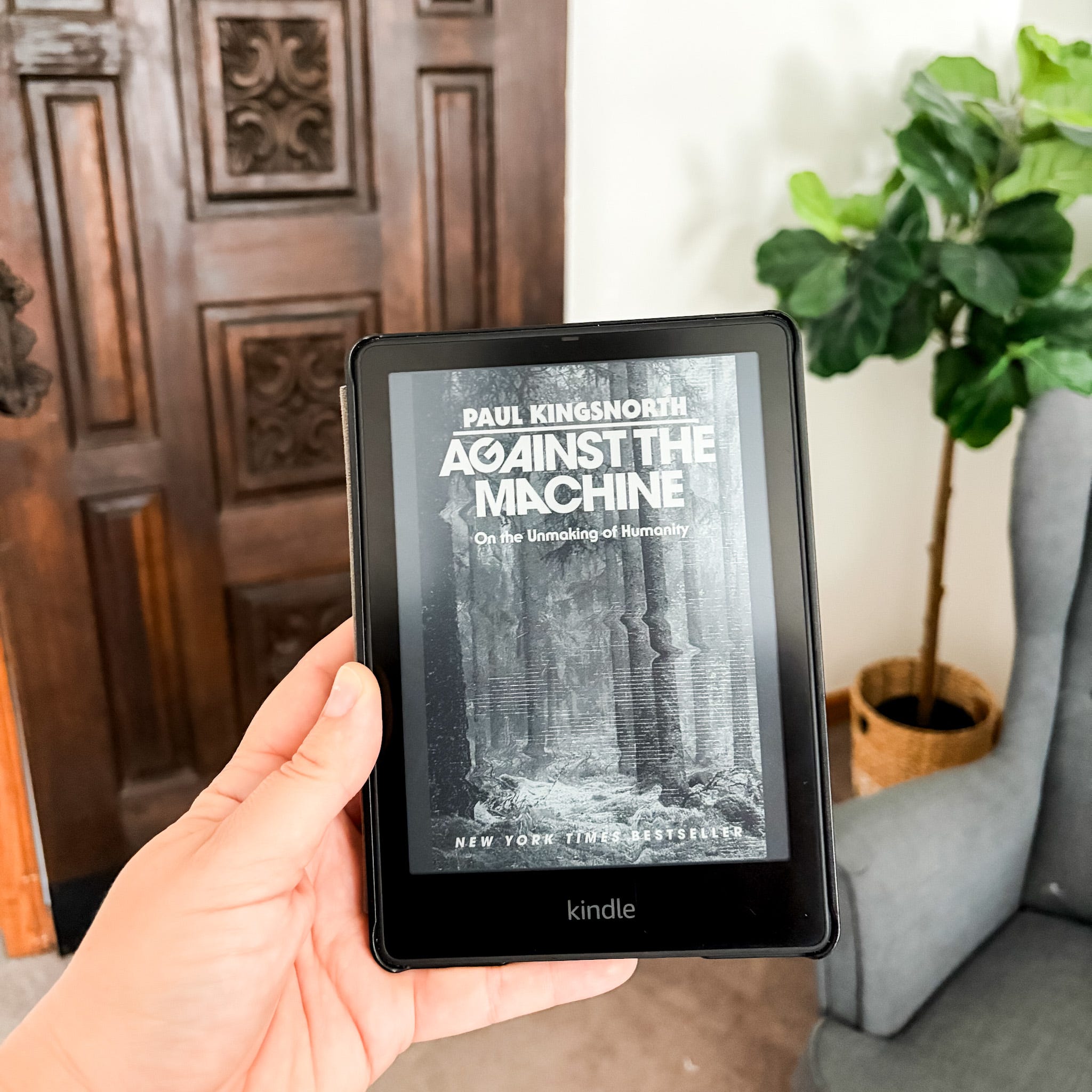
Against the Machine: On the Unmaking of Humanity by Paul Kingsnorth
I started this as bedtime reading2 and I’m struggling to get past the first couple chapters. (Which is a good thing for my sleep; not a great thing for my TBR list.) I’ve heard good things about it, and it has over 3k reviews on Goodreads, so I guess I’m just reaching out here to our trusty community to ask: have you read this yet?
Should I keep pushing through (does it get more interesting)? Or just DNF and move on? Genuinely seeking your input here.
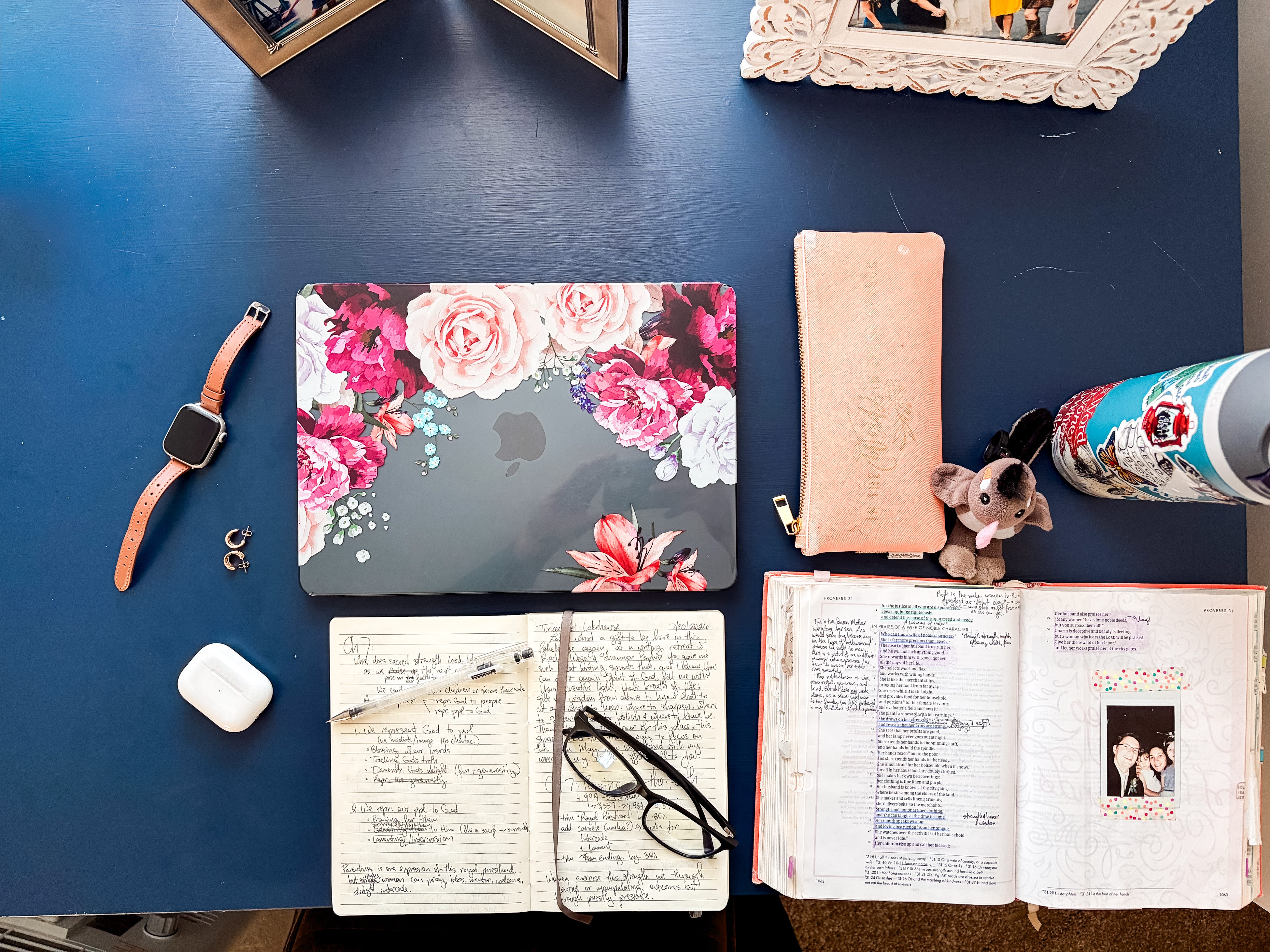
Last month I stole away to a writing retreat intensive with two other authors (shout out to Rachel Wojo and Shannon Popkin!), and basically holed up at my desk for 18-hour days, emerging only for food and a bit of-chit chat before hitting the page again. (Did I mention it was intense?)
But thanks be to God, I left with a fully edited manuscript that I submitted later that week!
My next book is releasing fall 2027, and this one’s been burning in my heart for the last couple years. I can’t wait to share more with you next summer.
In the meantime, I also received my first round of edits for my middle grade time-travel book, and whoa… they were intense. (Are you sensing a theme here? lol)
But armed with the conviction that storytelling and parables are a vital part of our creative imagination and the way we relate to God, my editor and I dug in—revising, rewriting, and creating characters with more depth and a time-travel adventure that gets me SO excited for the thousands of girls who will read Cat & Jo’s story!
Ahhh! I’m super-stoked about both these books and can’t wait to get them into your hands soooooon!
Y’all probably already know this, but in case you’re still paying full price for all your books, I thought I’d share how I’ve been stretching my book budget lately: Thriftbooks.com ReadingRewards.
I recently ordered five of our Read-Aloud Revival Christmas School books used, saved about 85% off the listed prices, and got two of the five books free with my ReadingRewards points. Buying used also feels like a win for stewarding resources well.
If you sign up here, you’ll get a free book after spending $30.
And that’s a wrap for this month’s Bookshelf Letter. As always, thank you for being here, and thank you for sharing your book recommendations with one another.
Cheering you on, one page at a time,
💛 Asheritah
P.S. As always, I’m giving away a bundle of books from my own shelves this month. To enter, leave a comment and tell me: What’s your favorite fall read? 🍂📚 I’ll choose a winner next week!
Tverberg uses WEIRD for Western, Educated, Industrialized, Rich, Democratic, contrasting that worldview with the communal worldview of the biblical world.
I explain in this post how I pick books for bedtime that are slow enough to lull me to sleep. But this one’s testing my willpower to continue.
Comments
Nothing yet. Say the first thing.
Sign in to join the conversation.