


Happy Sunday,
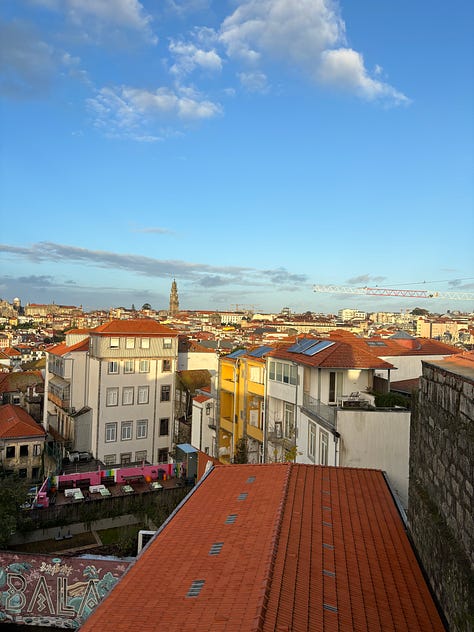
We just got back from our big European tour of retail, sourcing, and networking. Today, we are talking about Portugal.
Prefer to read on our site? Head here
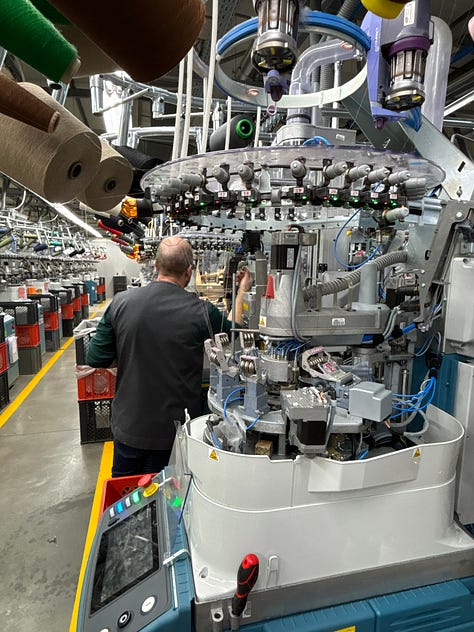
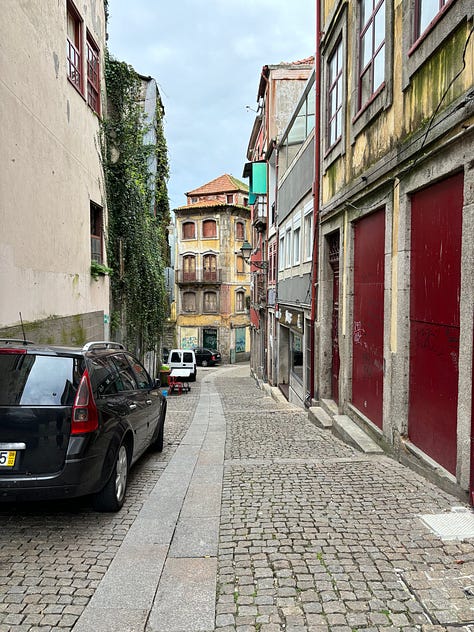
Specifically, a small village called Manhente, just outside Braga. It’s quiet. Residential. You’d drive past it without realizing that inside one of those modest buildings, thousands of socks are being made every week, including ours.
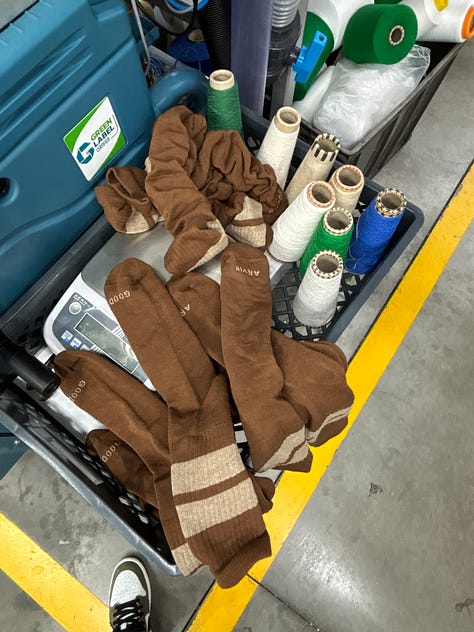
We love to be able to say this is where our socks are made. In Portugal. In a family-owned factory that’s been doing this work for generations.
We’ve been to a lot of factories over the years. Big ones. Small ones. Domestic. Overseas. Some impressive. Some… less so. When you walk into enough production facilities, you start to develop a gut instinct for how things are run. You can feel the difference between chaos and control. Between pride and indifference.
This one feels good, it feels different. Portugal is special.
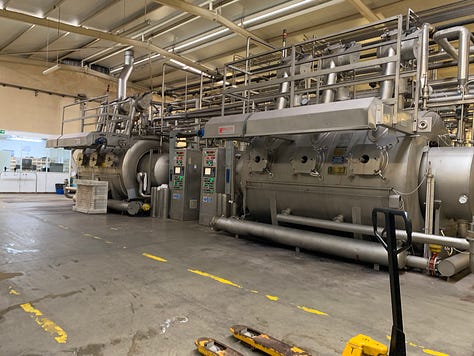
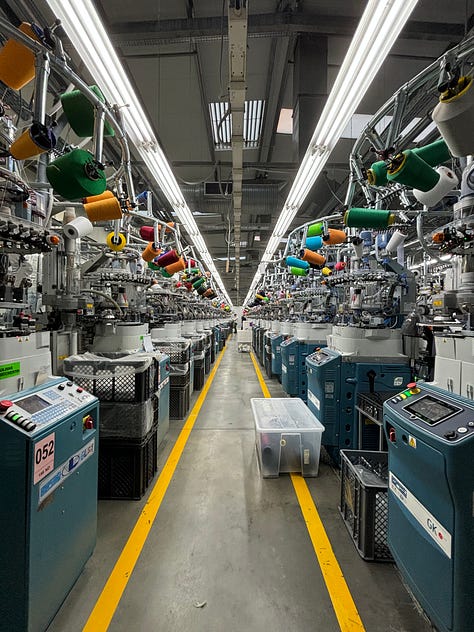
It’s clean. Organized. Modern without being flashy. Machines are maintained. Processes are tight. People know what they’re doing. The team takes real pride in the work, and it shows in the product coming out of this facility.
The workers are taken care of. There’s structure. There’s care. There’s longevity. You see people who have been there for years, not weeks. That matters to us.
The raw materials are just as important. Our yarns come from Spain and Portugal, high-quality inputs from partners who know fiber as well as anyone in the world. When you start with better materials, you don’t have to hide behind marketing. The product speaks for itself.
We could absolutely make our socks somewhere else for a much lower price. Other parts of the world would cut our costs significantly. We’ve seen them. We’ve had those conversations. But cheaper usually means trade-offs. Trade-offs in quality, in consistency, in oversight, in working conditions, in our story, and in the pride we have in our socks. We care about all of these things.
We chose Portugal for a reason. It meets our standards. The craftsmanship is real. The people care. The infrastructure supports quality. And when we walk that floor and see our product being made, we feel proud to be here.
Seeing all of this with our own eyes multiple times now changes how we are able to talk to you about our products. We’ve shaken the hands. We’ve watched the machines run. We’ve inspected the finished goods ourselves.
There’s a difference between putting a country on a label and actually knowing the human beings behind it. We know these people, we know about their families, and more importantly, their culture. That’s why we make our socks there. We hope this comes through in our socks, but also in our messages. Selling socks for a good margin is just part of business; making socks with good people is how we share our values with our customers.
As always, thank you for reading! Enjoy the news below, and we wish you a great week!
Hope you enjoy today’s Clean Up. We would love to hear from you. Comment here on Substack, hit us on social, or email us at info@arvingoods.com. Have a great week. Cheers,
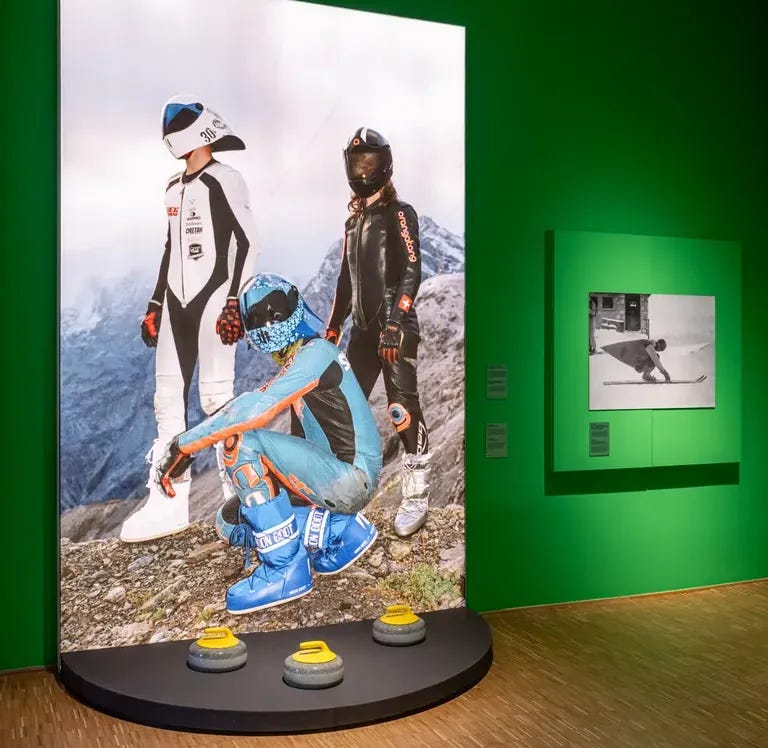
Triennale Milano explores winter sports through a design lens - Wallpaper
A few dozen metres from the Triennale Milano Design Museum, in the centre of the sprawling Sempione Park, high-vis-vested construction workers scurried between a forest of cranes, putting the final touches on what, in a few days, will become the Olympic Fan Zone, where attendees will convene to celebrate and watch the 2026 Winter Olympic Games.
All across the city, similar sites were taking shape – from the Santa Giulia ice-hockey rink in the city’s south-east to the San Siro Stadium, where the Opening Ceremony will be held on 6 February. The Triennale, too, was teeming with technicians and installers this past Tuesday morning (27 January), getting ready to open a slate of new exhibitions in time for the Milano Cortina 2026 Winter Olympics. Among them is ‘White Out: The Future of Winter Sports’ (until 15 March 2026), an exhibition curated by the German industrial designer Konstantin Grcic and Triennale’s design director Marco Sammicheli.🥇🧑🏼🎨
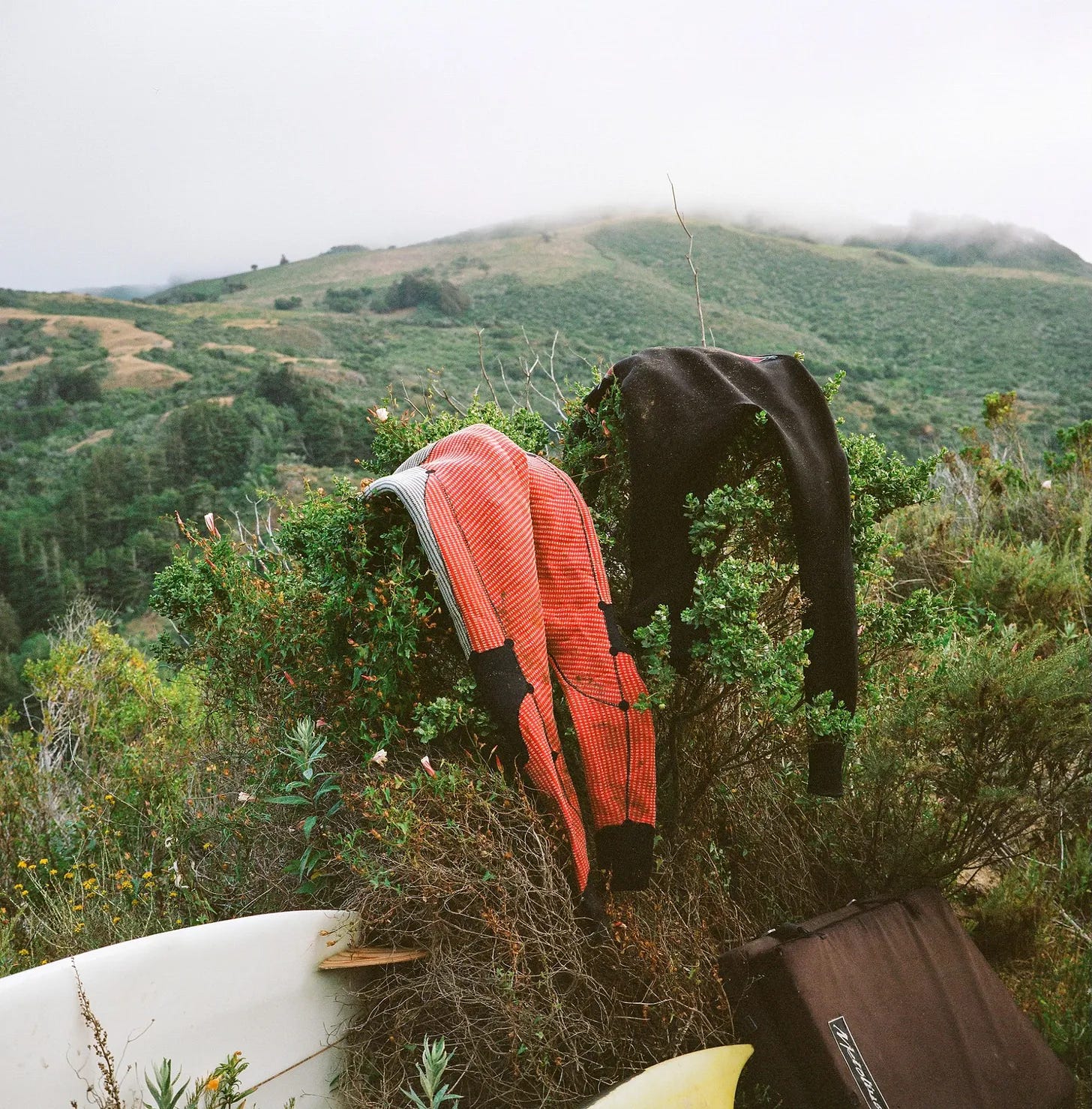
Akin to believing light beer is a solution to alcoholism: My time at Patagonia - Substack
In the late spring of 2012, the cash from my advance for The Burning House photobook was running low and I was in no mood to return to anything resembling a traditional office. I was less than a year into living in my van, had just fallen in love with surfing empty point breaks in Baja and was working on a photo project that turned into Vanlife. Neither of these options had any prospects of producing cash on the time frame that I needed. I started rattling trees back on the East Coast to see if I could find any freelance work. A creative director that I knew from his time working at a Philadelphia area retailer had moved out to Ventura and was working at Patagonia. He was running their digital business, and had been following what I was doing on Instagram, Tumblr and my blog. He was keen to talk. At the time, I was bumming around LA, waiting for south swells to hit the points north of Malibu and drove up to Ventura for the day.📷🏄🏻♂️

China’s Renewable Energy Revolution Is a Huge Mess That Might Save the World - Wired
THERE’S A PARTICULAR kind of sci-fi nerd who equates fusion tech with utopia. If we could only harness the engine of the stars, it would uncork near limitless energy and neatly sweep away a whole mess of humanity’s problems. But how would that work exactly? What would the transition look like?
You don’t have to wonder. It’s happening now. Solar panels and wind turbines capture the fusion of the sun and convert it to electricity. And at the scale and pace that China is producing them, plenty of things stand to be swept away—including, quite possibly, the once seemingly intractable problems of energy poverty and fossil-fuel dependence. In 2024, the total installed electricity capacity of the planet—every coal, gas, hydro, and nuclear plant and all of the renewables—was about 10 terawatts. The Chinese solar supply chain can now pump out 1 terawatt of panels every year.🇨🇳⚡️
DJ EROK | J DILLA, Hip Hop and Rap Playlist, Common, Pharcyde, A Tribe Called Quest, Slum Village - YouTube
I’ve always wanted to do a J Dilla mix inside a donut shop 🍩
No better place than my friend Naz Doughnut Shop in Redlands, CA.
3 hours of nonstop Dilla inside a donut shop was a dope experience.
This is the first hour of the mix — enjoy!
Big thank you to Deaux Redlands for making it happen.
Deaux
501 E Citrus Ave D, Redlands, CA 92373
Filmed By Erok
www.erokstudios.com🔊🍩🎧

'The Clean Up' is a weekly newsletter that mixes in some Arvin Goods news, products, as well as stories we saw during the week that are worth a share. From books to podcasts, sustainability to business news, we try to keep it interesting, and fun. If you are not a subscriber, sign up and join everyone who receives The Clean Up directly in their inbox every Sunday.
No posts
Comments
Nothing yet. Say the first thing.
Sign in to join the conversation.