
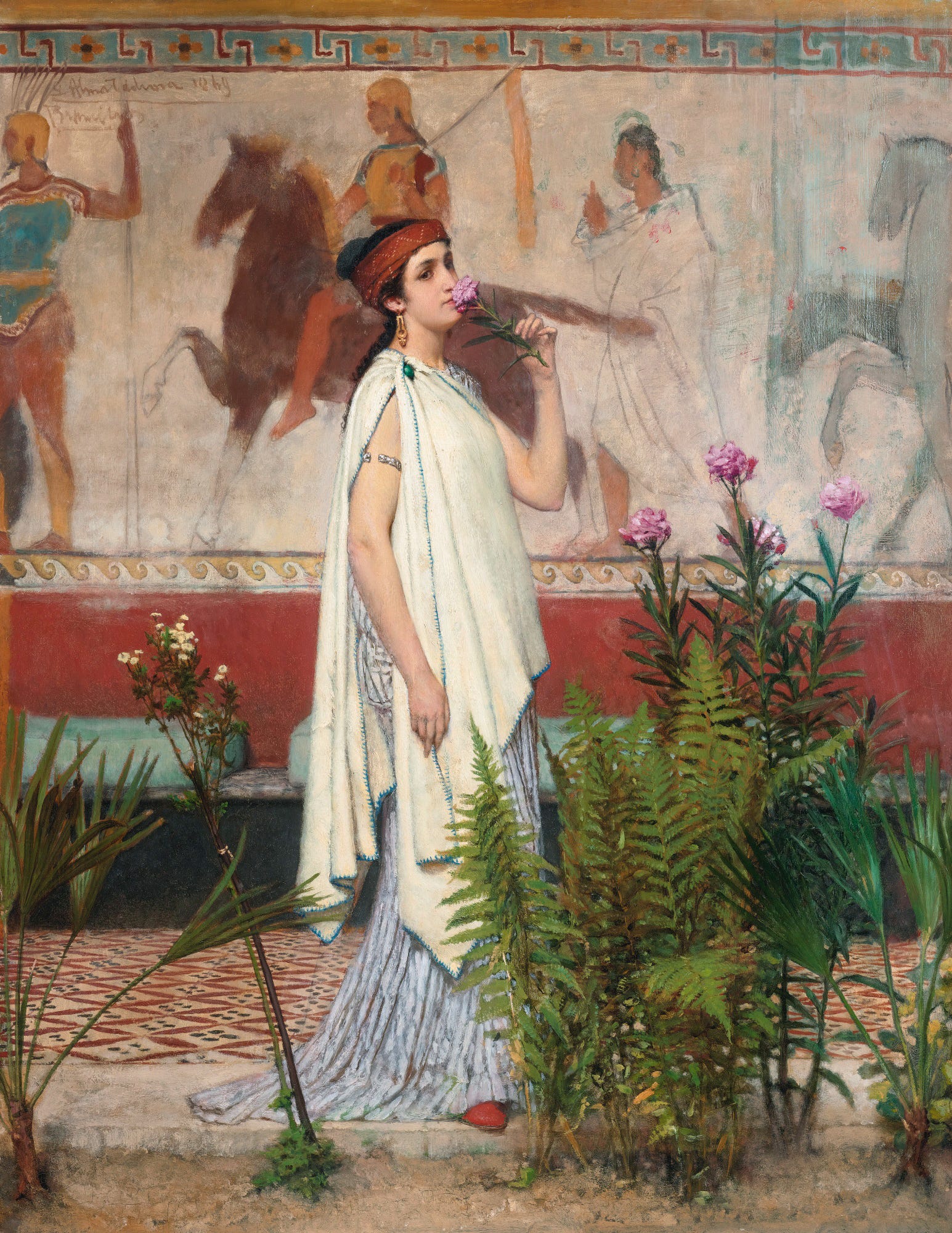
Imagine a Greek minister – passionate, eloquent, deeply serious – standing in front of a room of journalists in London and explaining, for what feels like the hundredth time, why her country wants its sculptures back. The ones removed from the Parthenon in the early 1800s by a British diplomat, shipped to London, and placed in the British Museum, where they have been ever since. She is not asking for a favour. She is making a moral argument. She is saying, simply, that these objects belong to the people whose ancestors carved them.
The British side listens. Expresses sympathy. Talks about access, preservation, the importance of context. Issues a statement. And then nothing changes.
This scene has played out, in various forms, for over forty years. Different ministers, different meetings, different statements. The same result. The marbles are still in London.
That is not a story about culture. It is a story about power. And once you understand that, the entire repatriation debate looks different.
Most people think of repatriation as a disagreement between museums and governments – a polite, slow-moving argument about marble friezes and bronze sculptures. It is much older than that, much more violent, and much more politically alive than the press releases suggest. To understand where we are, you have to understand where the pattern started.
The Ancient Template
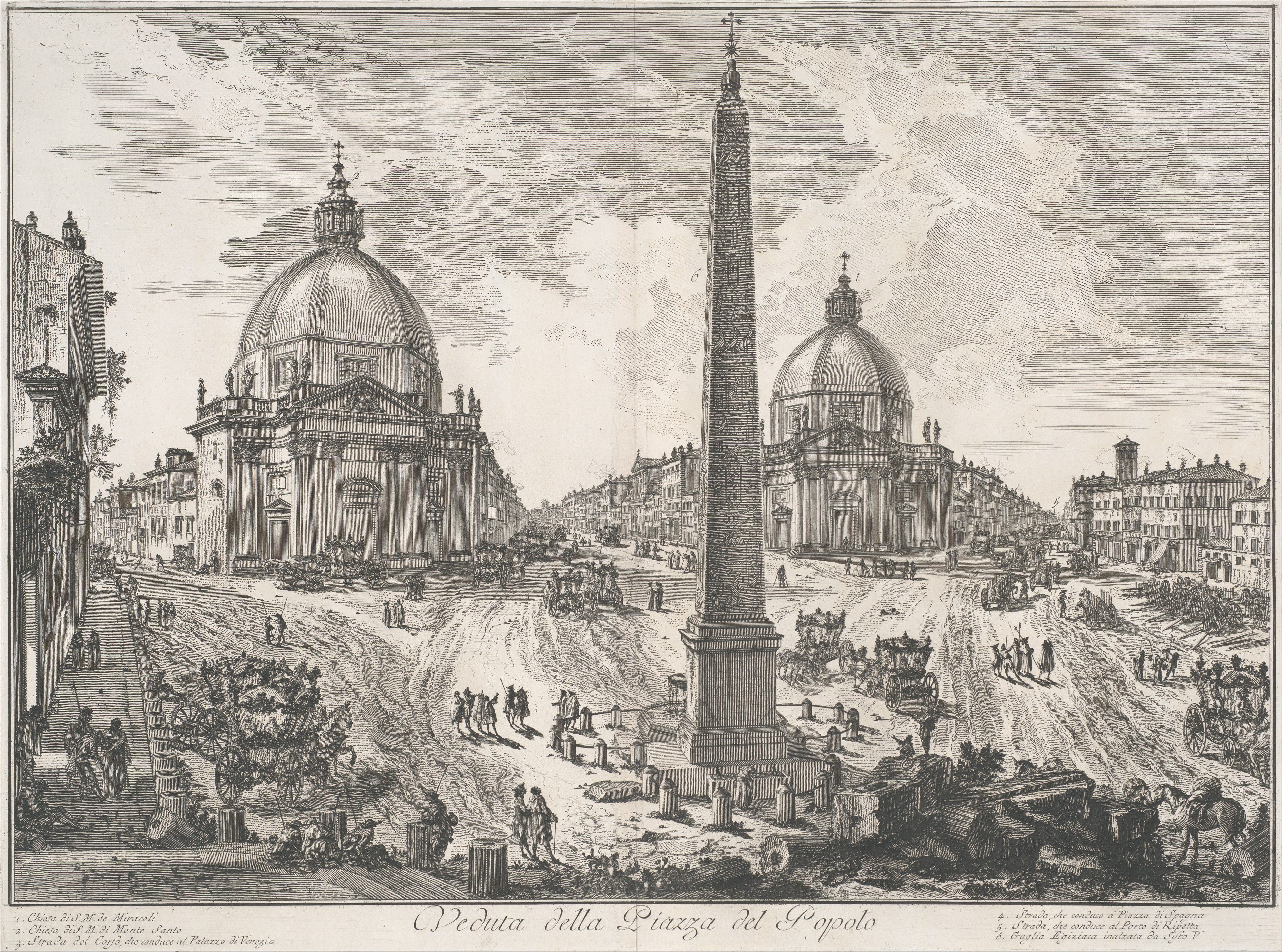
Looting cultural heritage as an act of conquest is not a modern invention. Roman generals brought Egyptian obelisks home as trophies of empire. Napoleon systematically stripped conquered territories of their finest works, transporting hundreds of objects to Paris with the explicit intention of making the Louvre the cultural capital of the world. The message was not subtle: we have your art because we have you.
This was not mere greed. It was a statement about civilisational hierarchy – about who was capable of appreciating, preserving, and representing the ancient world. The logic of the universal museum, still used today to justify Western retention of colonial-era acquisitions, was born here. Paris, London, Berlin would be the stewards of humanity’s heritage. Everyone else would visit.
Colonisation and the Systematic Stripping of Heritage
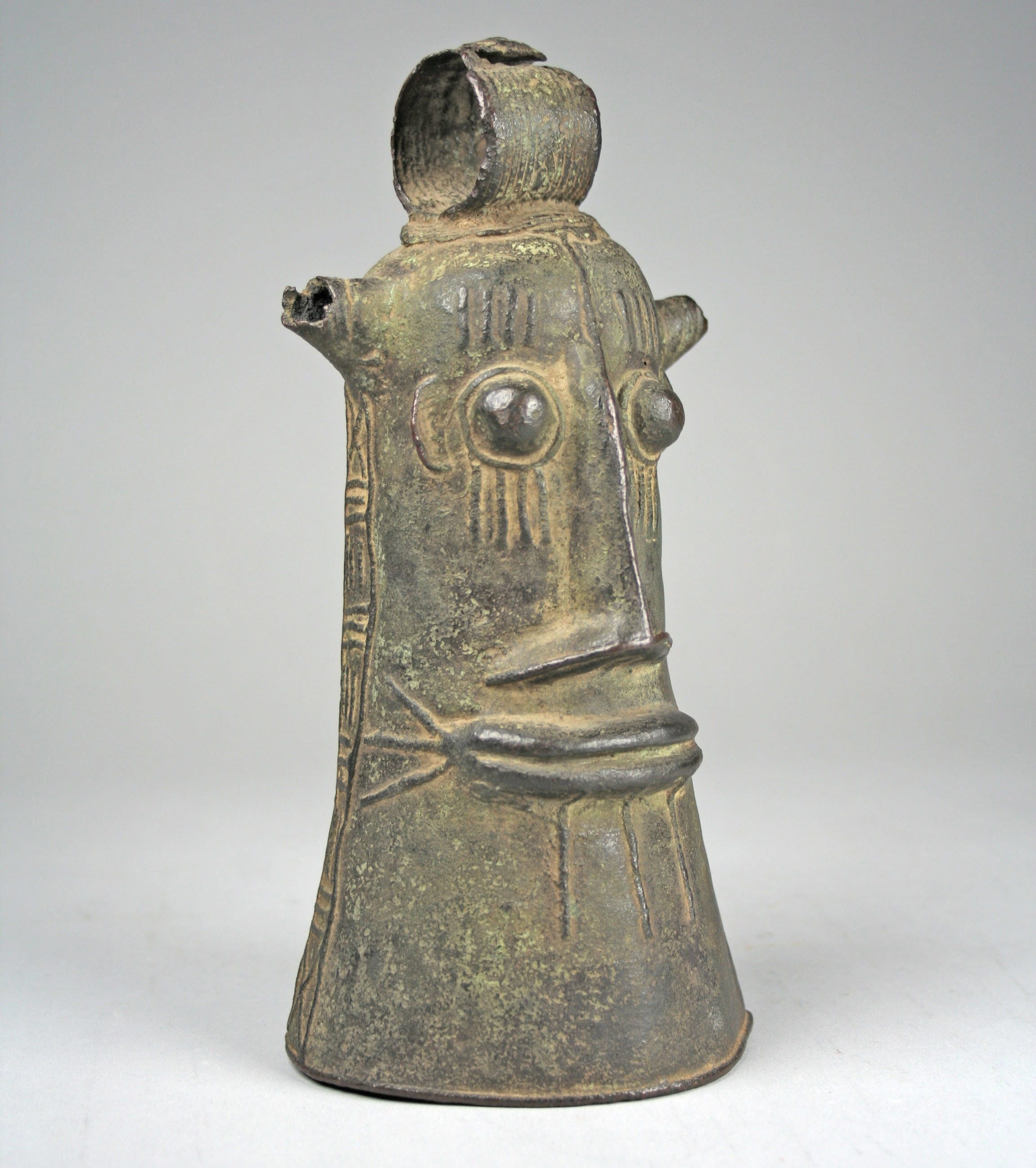
The colonial period industrialised this logic. The Benin Bronzes – thousands of extraordinary brass and bronze sculptures from the Kingdom of Benin, in what is now Nigeria – were looted during a British military expedition in 1897 and distributed across European institutions. The Parthenon Marbles were removed from Athens between 1801 and 1812 by a British diplomat operating in a country under Ottoman control, in no position to refuse. Countless objects from Egypt, India, West Africa, and the Americas made the same journey – from source communities into Western collections, reclassified from sacred or civic objects into art, and placed behind glass with new labels describing their importance to human civilisation.
The acquiring institutions then built intellectual and financial authority around this material. And when source countries began asking for it back, those institutions produced a defence: the universal museum argument. The idea that holding the world’s heritage in a single, well-resourced location serves humanity better than returning it to countries less equipped to care for it. It is not an absurd position. It is also one written by the people holding the objects, about their own right to keep holding them.
War Winners Write the Inventory
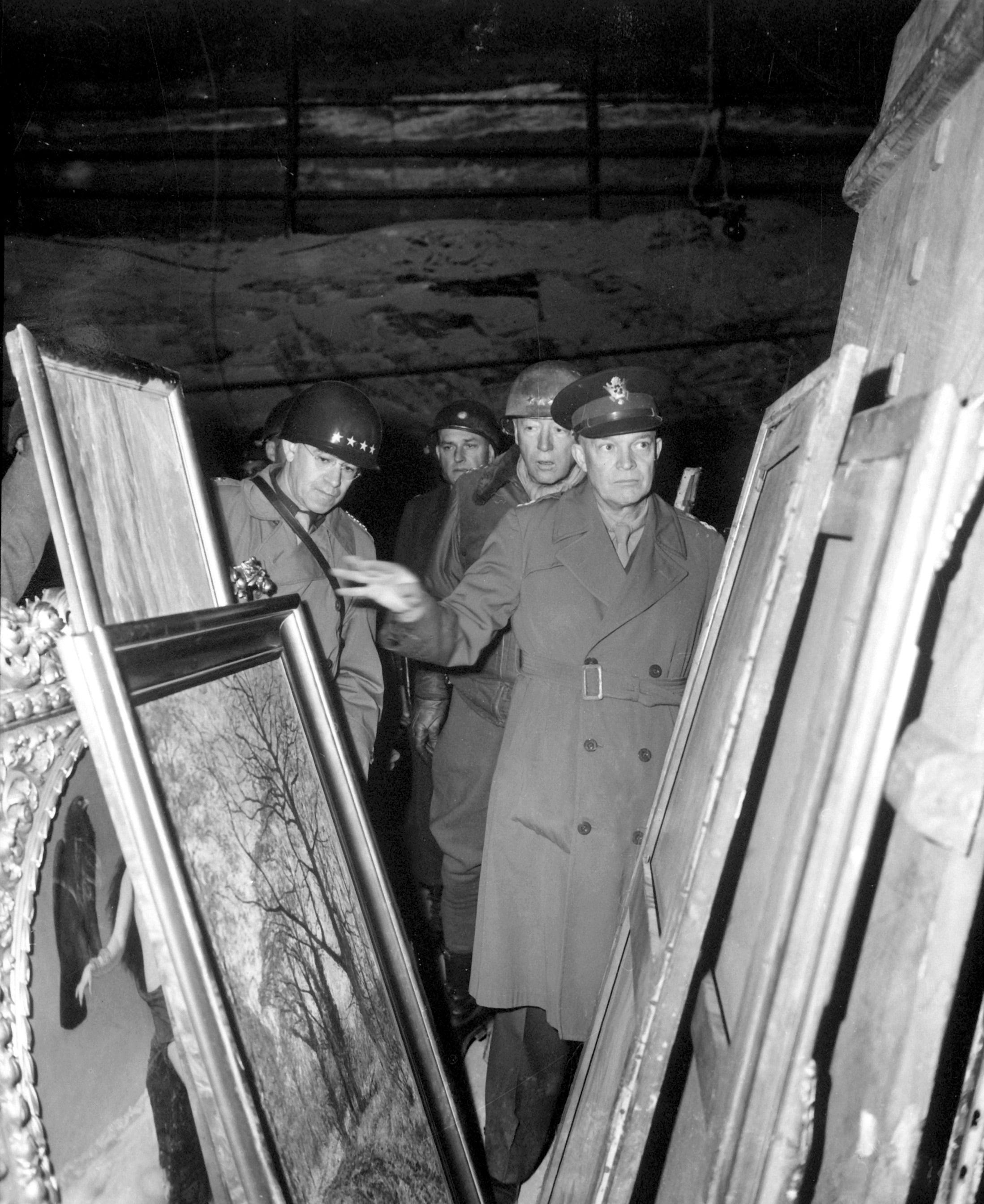
The Second World War added another layer to this history – and one that is frequently underestimated in repatriation conversations.
Nazi Germany conducted the most systematic looting of cultural property in modern history. According to a United States government estimate, an estimated one fifth of all Western art then in existence was seized or coerced from its owners between 1933 and 1945 – stripped from Jewish families, taken from occupied territories, redirected into Nazi collections or the private holdings of senior officials. After the war, Allied forces recovered significant quantities. Some was returned. Much was not.
Jewish families and their descendants have spent decades pursuing restitution claims through courts and negotiation, often against institutions that acquired works in good faith from post-war markets without asking sufficiently hard questions about provenance. The Washington Principles of 1998 established a framework for addressing Nazi-looted art. Implementation has been slow, inconsistent, and frequently resisted by institutions that would rather not examine their own acquisition histories too closely.
The Soviet Union, meanwhile, treated captured German cultural property as legitimate war reparations – taking hundreds of thousands of objects that remain in Russian state collections today. Russia’s position is that this material compensates for the cultural destruction inflicted on Soviet territory during the war. Germany disagrees. The objects have not moved. Here, as elsewhere, the winner holds the inventory.
Memory Management and Soft Power
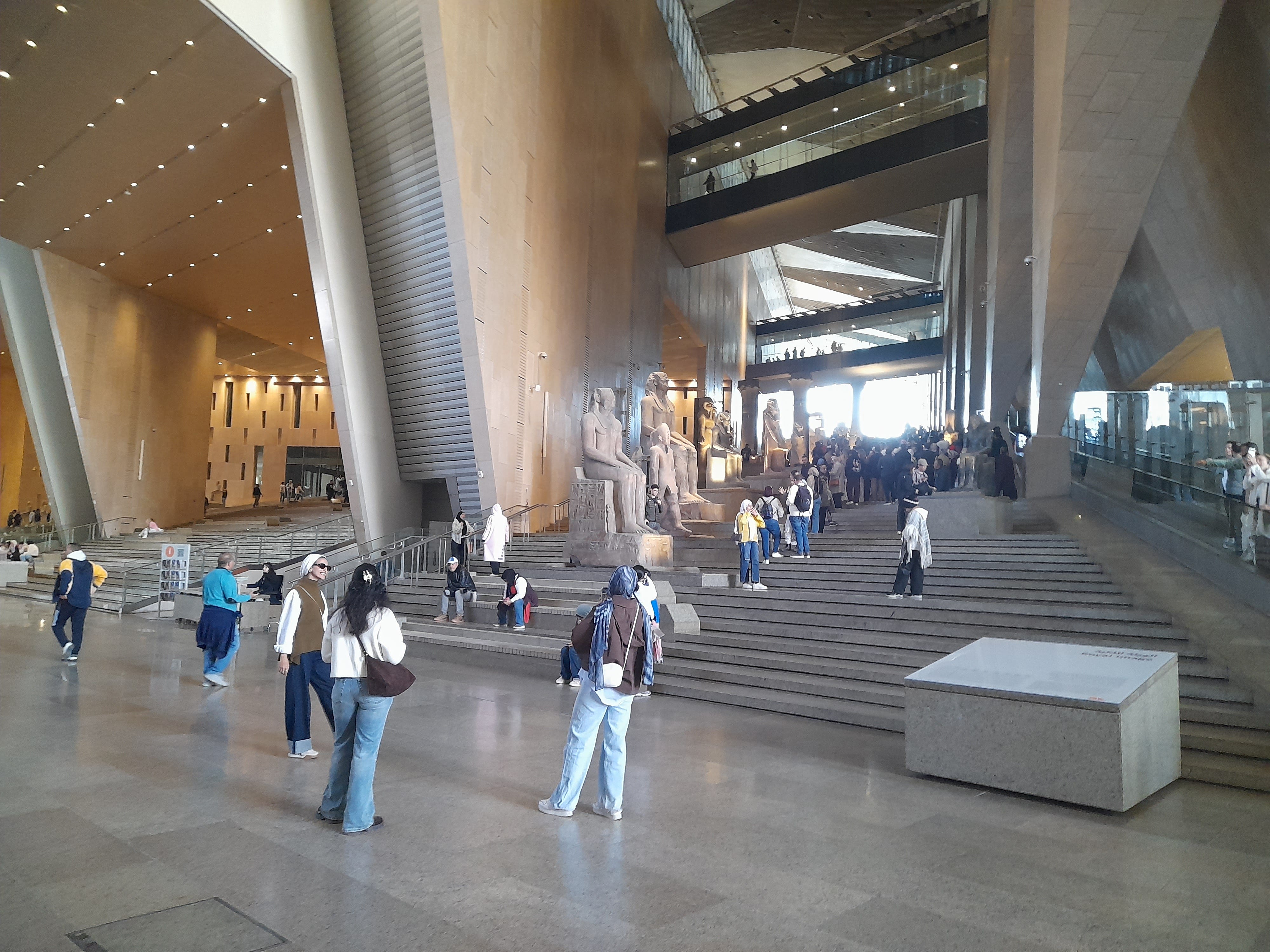
In the contemporary period, the repatriation debate has become something more deliberate: a tool of cultural diplomacy, national identity construction, and what might fairly be called memory management.
Countries build flagship museums not just to display heritage but to make arguments. Egypt’s Grand Egyptian Museum, opened near the Pyramids of Giza, is one of the largest archaeological museums ever built – partly a direct rebuttal to Western claims that source countries lack the infrastructure to care for returned objects. Qatar, Abu Dhabi, and Saudi Arabia are investing in cultural institutions at scale, using ancient and modern heritage alike to construct a civilisational depth that counters assumptions about the region’s cultural history. The Louvre Abu Dhabi’s ancient collections are not incidental. They are a statement: we are not a new country, we are a crossroads of millennia.
Returns, when they happen, follow the same logic in reverse. Italy returned the Axum Obelisk to Ethiopia in 2005 – flying it home in three sections on cargo aircraft – with the re-erection completed and the inauguration ceremony held in September 2008. The moment was framed as historic justice, and timed to a period when improving bilateral relations with Africa served Italian strategic interests. Germany’s high-profile return of Benin Bronzes generated significant goodwill at a moment of intense scrutiny over European colonial history. These gestures are genuine in some respects. They are also calibrated. The institutions that returned secondary holdings kept their core collections intact. The British Museum, which holds the most significant Benin collection in the world, has returned nothing – legally shielded by the British Museum Act of 1963, a piece of legislation that functions as a permanent excuse.
Small-scale, politically convenient returns are being packaged as progress. They are better understood as the active management of a status quo that still overwhelmingly favours the institutions that built their collections during the colonial period.
Cultural Sites as Military Targets
If any doubt remained that cultural heritage is a form of power rather than merely an aesthetic category, recent conflicts have removed it.
When ISIS swept through Palmyra in 2015, they did not destroy ancient temples incidentally. The destruction was deliberate, filmed, and broadcast – an attack on civilisational memory designed to demonstrate that a previous world had been erased and a new one begun. Simultaneously, ISIS looted systematically, flooding the shadow market with objects that would circulate through dealers and private markets for years, funding operations while depriving source communities of their history.
Russia’s conduct in Ukraine has been similarly instructive. The targeting of museums, libraries, archives, and cultural monuments has been documented extensively and is not incidental to the military campaign – it is part of it. Destroying or removing cultural heritage attacks a people’s claim to their own historical continuity. It is an argument made in fire about whose past is legitimate and whose can be unmade. Ukrainian museum staff have been evacuating collections since the early days of the invasion, understanding exactly what is at stake.
These are not separate conversations from the one about the Parthenon Marbles. They are the same conversation, at different points on the same spectrum. Cultural heritage is a form of power. Controlling it – acquiring it, retaining it, destroying it, or returning it – is an act with political consequence.
What Is Actually Missing
There is no clean resolution. The moral case for return is strong. The logistical and legal arguments for retention are not nothing. Both things can be true simultaneously.
What is not acceptable is pretending that small gestures constitute structural change, or that the current framework – toothless international principles, voluntary returns, and loan arrangements that preserve Western legal ownership – is adequate to the scale of the problem.
What is missing is a genuine conceptual debate about first principles. Does colonial acquisition constitute theft? What legal framework should govern disputed heritage in active conflict zones? Should an international body exist with real authority over these questions, rather than advisory functions that institutions routinely ignore?
These questions are uncomfortable because answering them seriously would require real redistribution – of objects, of authority, and of the cultural prestige that comes with holding the ancient world behind your glass.
That debate is not happening at the scale it deserves. Instead, we get press releases, working groups, and the occasional obelisk on a cargo aircraft.
The marbles are still in London. And that is still, after everything, the most accurate summary of where this stands.
Images selected by Sami Vuorenmaa from Clarinum Studios
From art investment or art collecting advice, marketing for art galleries, to coaching artists:
Comments
Nothing yet. Say the first thing.
Sign in to join the conversation.