
There is a particular kind of silence that falls over a dinner table when someone uses the words “contemporary” and “modern” interchangeably. It is the silence of people deciding whether to correct. In most industries, imprecision is a manageable offense. In rooms where art is collected, curated, or invested in, it tends to follow you.
This is a primer for professionals who move between industries, attend art fairs, sit on acquisition committees, or simply wish to hold their ground in conversations where these terms are deployed with unearned confidence. It is not a history of every movement. It is a map of the conceptual terrain – and an argument about where that terrain is heading.
Modernism: The Cult of the New
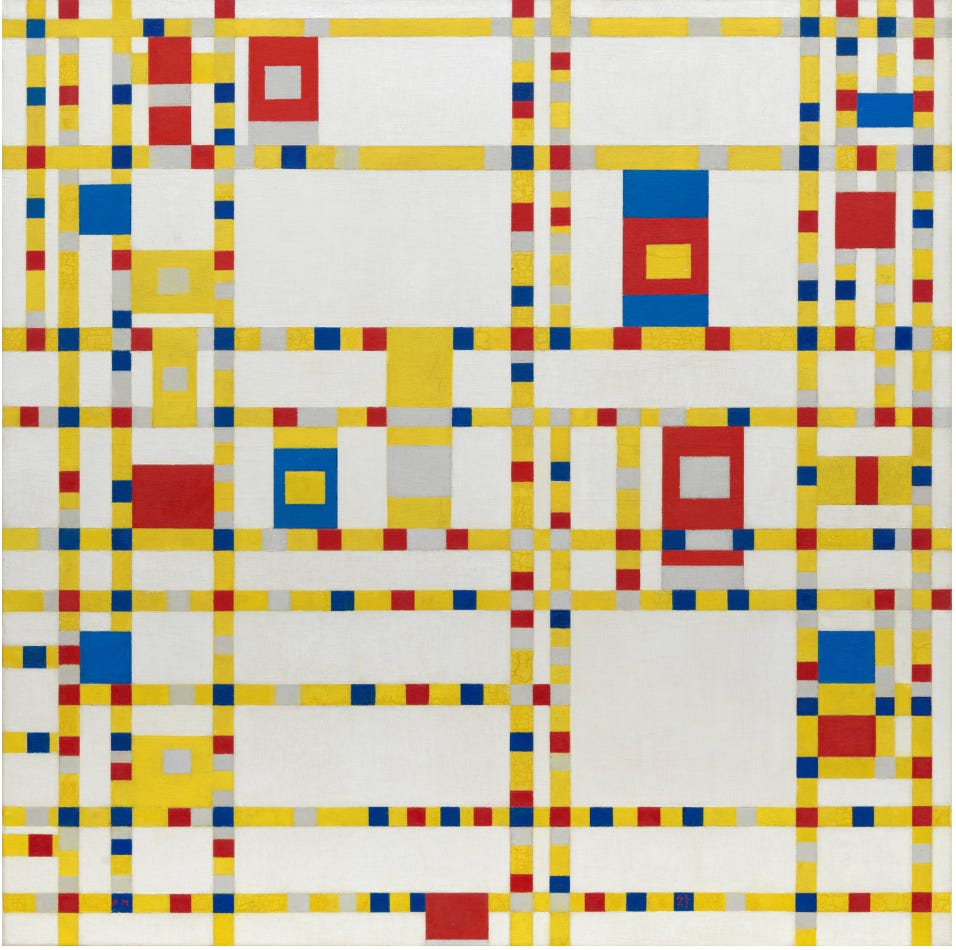
Modernism was not a style. It was a competition.
Shaped by industrialization, two world wars, Freud, Einstein, and the collapse of faith in received authority, it ran roughly from the 1860s to the 1960s – but what defined it was not its timeline. It was the ferocious internal pressure toward originality as a moral obligation. To repeat what had been done was not merely conservative. It was a failure of nerve.
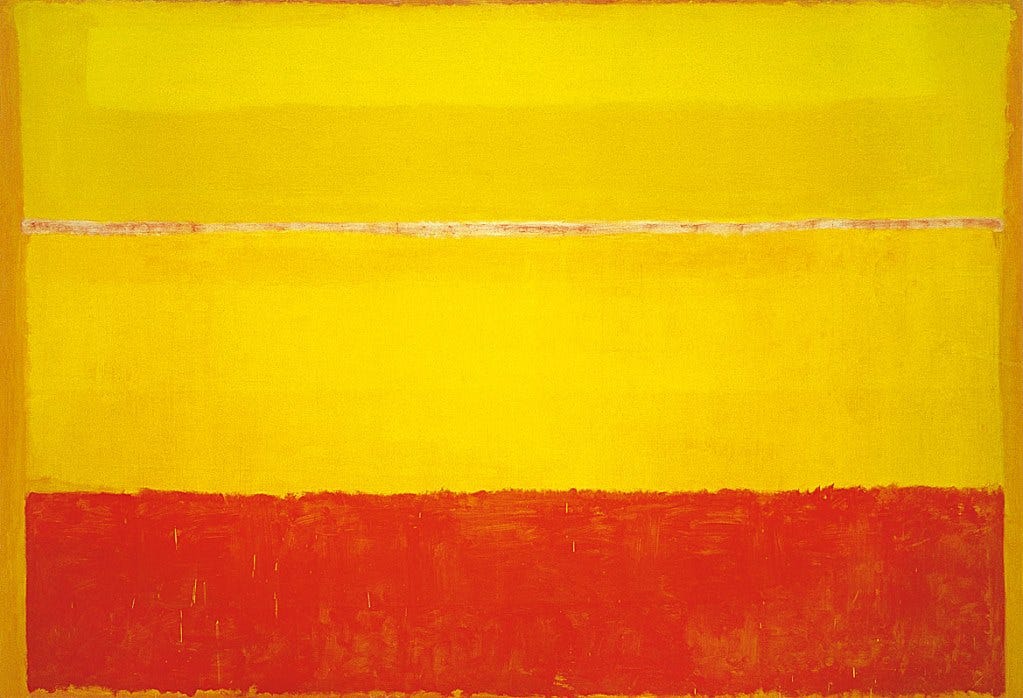
The result was a century of competing inventions, each staking a claim to having discovered something fundamental about art, perception, or reality – and each arriving with a manifesto to prove it. Cubism dismantled perspective, showing multiple viewpoints simultaneously on a single plane. Fauvism liberated color from its obligation to describe: a tree could be red if the emotion demanded it. Futurism celebrated speed and the destruction of the past. Surrealism plunged into the unconscious. Abstract Expressionism – Pollock, Rothko, de Kooning – insisted that the act of painting, not its legible image, was the content.
Comments
Nothing yet. Say the first thing.
Sign in to join the conversation.