
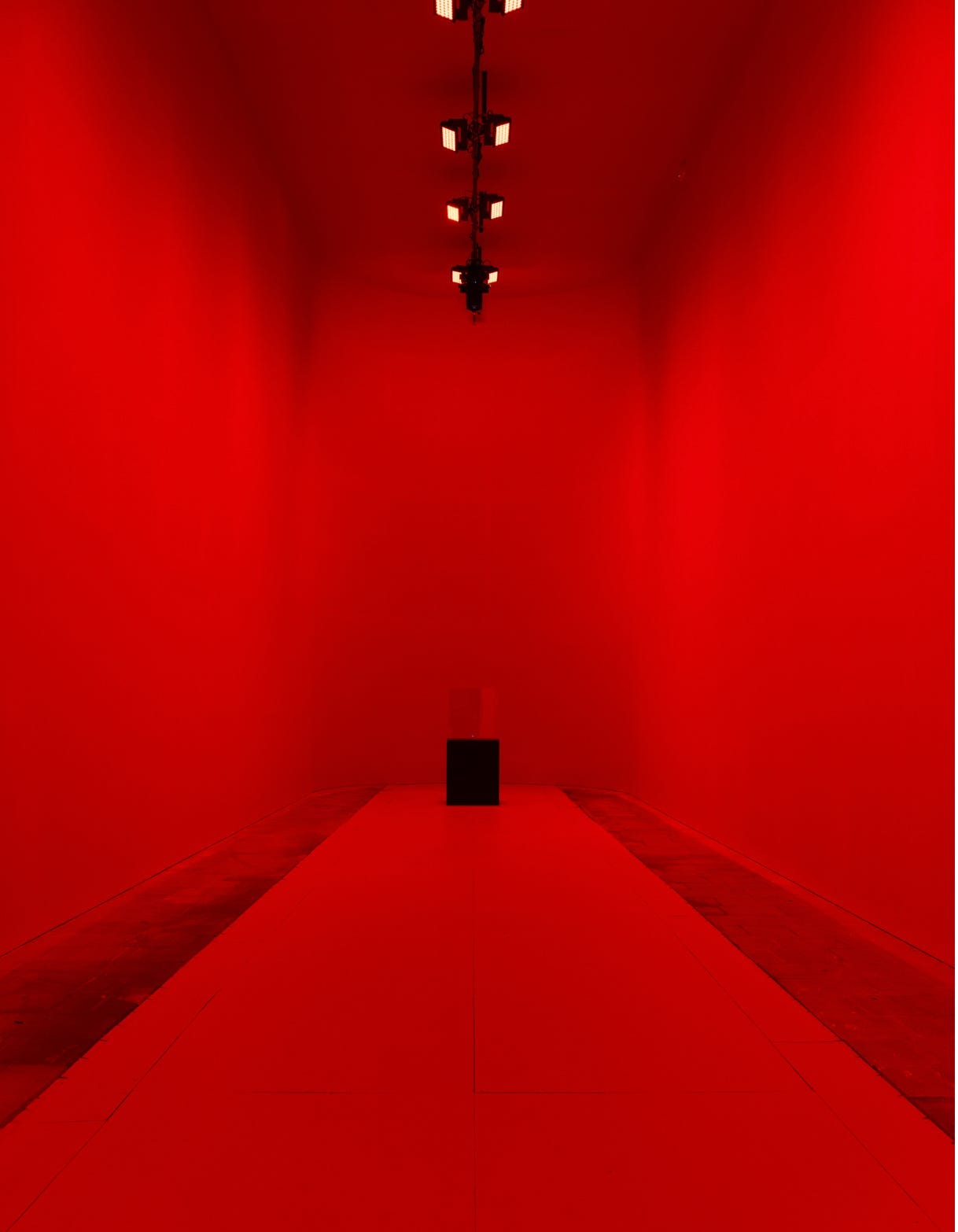
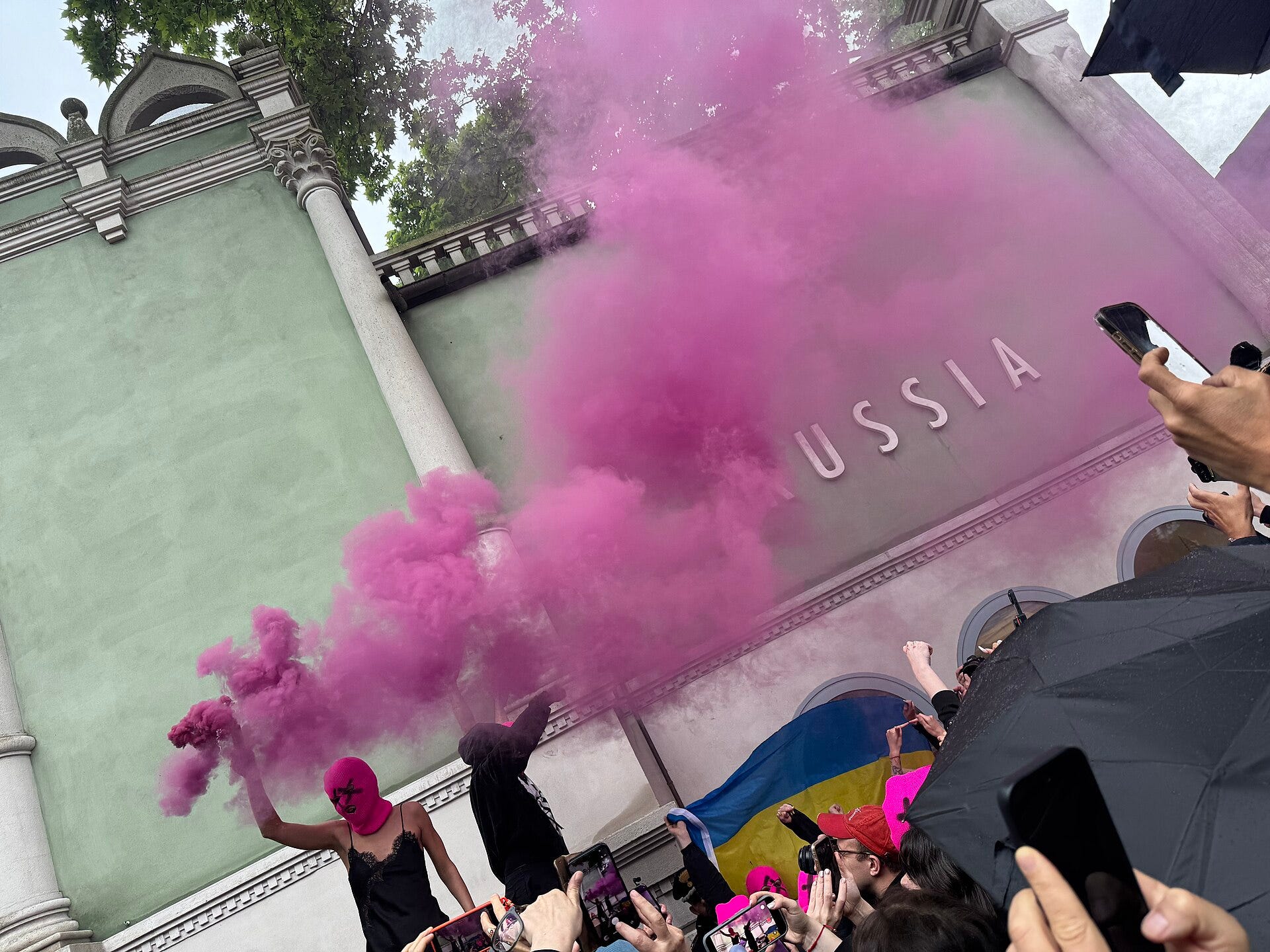
The 61st Venice Biennale opened on 9 May. Before the public queued at the Giardini gates, the entire five-member jury had resigned. The Golden Lion – the most prestigious prize in contemporary art – no longer exists this year. Over seventy artists refused to compete for whatever replaced it. Twenty-seven pavilions closed in a coordinated one-day strike. Feminist activists released pink smoke above the Russian pavilion. Italy’s own Culture Minister, having boycotted the opening, publicly declared that Putin had won at the Biennale.
No diplomat managed any of this. Five curators – and then their decision to quit – did.
That is the thing about the Venice Biennale that most people who haven’t been to it don’t understand. It looks like an art festival. It functions like geopolitics.
THE WORLD’S OLDEST CULTURAL PARLIAMENT
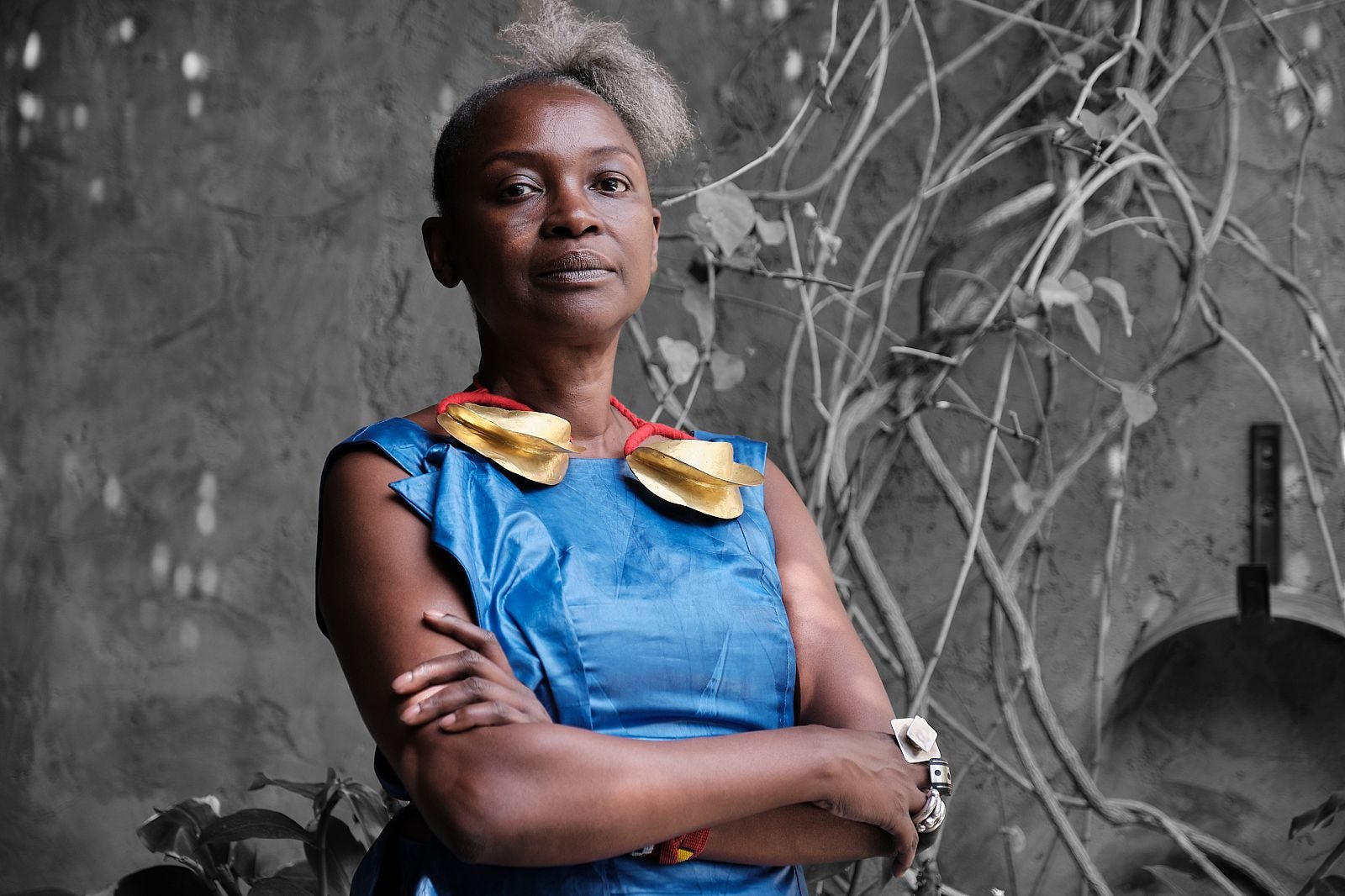
Founded in 1895, the Venice Biennale is the oldest recurring international art exhibition in the world. Its 61st edition, titled In Minor Keys, was conceived by the late Cameroonian-Swiss curator Koyo Kouoh – the first African woman appointed to lead the exhibition – who died unexpectedly in 2025. Her curatorial team is carrying the vision forward. The theme she chose – to resist bombast and find meaning in subtler frequencies – has acquired an almost brutal irony given the noise surrounding the event.
At its core, the Biennale is structured around national pavilions: permanent or rented exhibition spaces, independently organised and funded by participating countries. This year, 100 national participations are registered. Each one is a political statement dressed as a cultural programme. The most revealing thing about the Biennale is not the art. It is who shows up, who stays away, and who quietly acquires a seat at the table.
THE BUILDING RUSSIA CANNOT BE REMOVED FROM
Russia had not participated in the Biennale since 2022, when its artists withdrew in protest at the invasion of Ukraine. In 2024, Russia lent its Giardini pavilion to Bolivia. This year, it returned – and the institution’s hands were largely tied. The Russian pavilion in the Giardini was built in 1914. Russia owns the building. The Biennale’s own rules allow any country recognised by the Italian Republic to request participation; Russia’s request required only notification.
What followed is worth reading as strategy, not scandal.
Russia did not return to the Venice Biennale to show art. It returned to occupy institutional space at the lowest possible cost and the highest possible symbolic return. The building has been held through two world wars, the Soviet era, and the Cold War. Maintaining it through a sanctions regime is, from Moscow’s perspective, simply continuity. The EU’s €2 million funding cut – and Kaja Kallas’ framing that a country bombing Ukrainian museums should not be permitted to exhibit its own – confirms exactly the logic Russia was banking on: that its presence would force a response, and that the response would generate the story.
A pavilion that no one can enter generated more geopolitical press than almost any open one. The closure is not a failure of Russian cultural diplomacy – it is the outcome.
The exhibition – The Tree Is Rooted in the Sky – brings together artists from Russia, Argentina, Brazil, Mali, and Mexico. The curatorial framing deserves scrutiny. This is not cultural solidarity with the Global South; it is the appropriation of postcolonial discourse to manufacture the appearance of it. Russia positions itself not as a war-making state under ICC sanction, but as the gravitational centre of a non-Western coalition – a rebranding exercise conducted in the vocabulary of the very institutions it seeks to circumvent. The Biennale’s Giardini, conceived in 1895 as a theatre of European national prestige, becomes the stage for a sanctions bypass dressed as anti-hegemony.
Since May 9, the pavilion has been closed to the public for the entire run through November 22. Recorded performances play on exterior screens. No visitors enter. And yet the building stands, flagged, catalogued, and generating column inches across 75 countries – precisely the reach that the TEFAF report quantifies when it values press coverage at €5.6 million in advertising equivalent for an eight-day fair. Russia is extracting that value for six and a half months, at the cost of a building it already owns. The cultural economy logic is not subtle: institutional presence, even a ghost presence, compounds over time. This is how soft power is banked.
Italy’s Culture Minister boycotted the opening. His cabinet colleague Salvini visited on the first day of previews. The Italian government fractured publicly over a building in a garden – which is, of course, another dividend of the strategy.
A DIFFERENT FRAME: THE ISRAELI PAVILION
Israel’s situation requires a different frame. The tendency to treat Russia and Israel as structurally equivalent – as the original jury statement did – obscures more than it reveals.
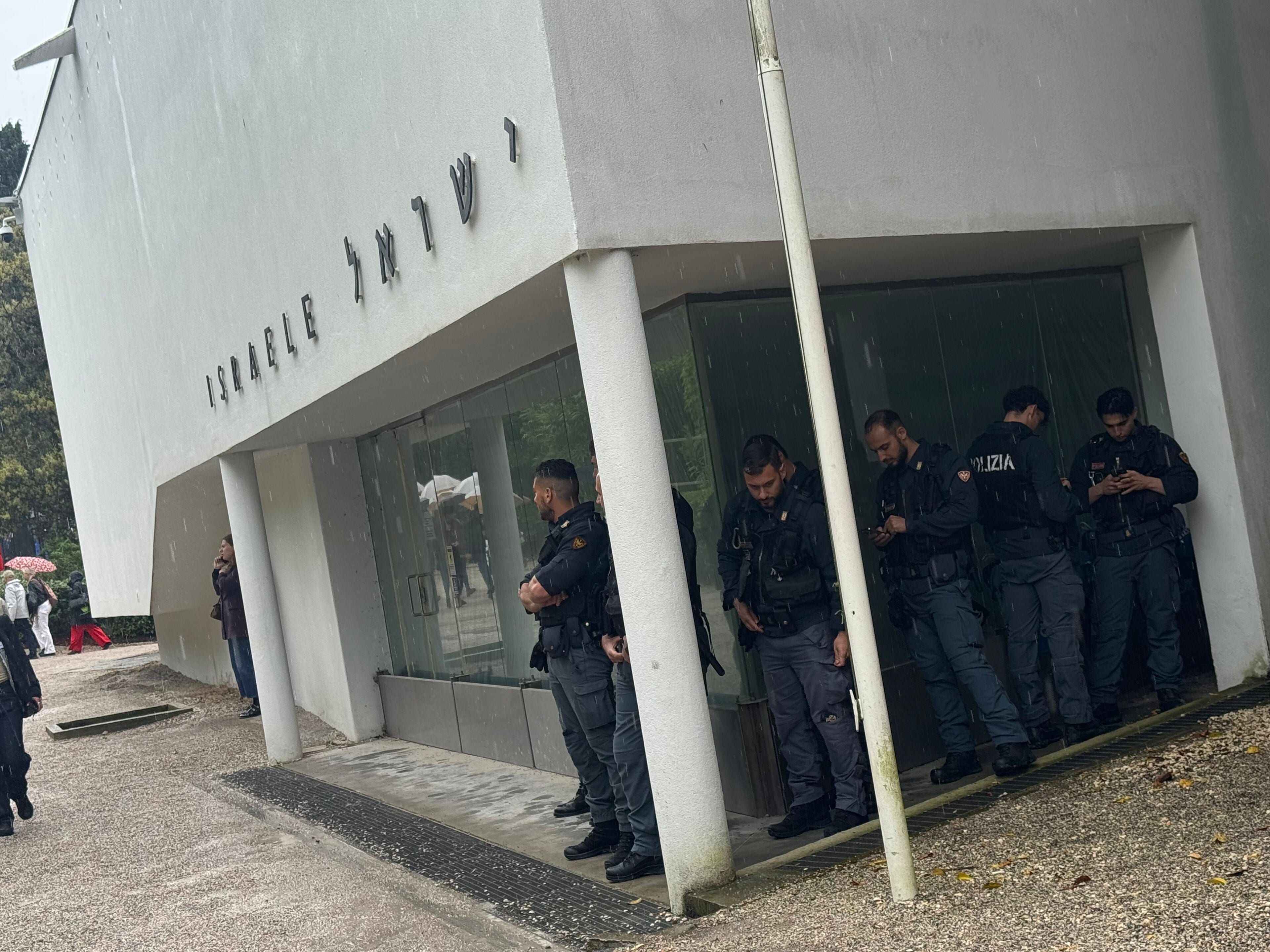
Israel returns this year with Romanian-born sculptor Belu-Simion Fainaru, whose installation Rose of Nothingness is presented in the Arsenale rather than Israel’s permanent Giardini space, currently under renovation. Fainaru had already filed legal warnings against the Biennale, alleging antisemitism before the jury resigned – a detail that reframes the official narrative of a jury acting purely on principle.
His challenge to the ICC criterion’s consistency is the strongest argument in this debate: Sudan’s President al-Bashir also holds ICC charges, as do two Afghan leaders, but neither country has a Biennale pavilion. Fainaru stated publicly that being evaluated on the basis of his nationality and identity, rather than his work, struck him as discriminatory – and he drew on personal experience of antisemitism in Romania to contextualise that reading. The ICC criterion, as applied, affects only nations that already hold institutional presence; it is a rule that targets the historically established while leaving newcomers with comparable records untouched.
The open letter calling for full exclusion – signed by more than 200 artists, curators, and art workers – also included the United States in its demands, revealing how quickly the framing of consistency collapsed into selective political targeting. Fainaru’s position throughout has been that he opposes cultural boycotts and believes in the value of dialogue, particularly in difficult times. The jury’s resignation vindicated, at least procedurally, his challenge to its basis.
WHEN THE INSTITUTION ITSELF WALKED OUT
The most consequential development at this year’s Biennale was not a pavilion. It was the prize system.
On April 22, the jury announced it would exclude from Golden Lion consideration any national pavilion from a country whose leaders face ICC charges. On April 30, the entire jury resigned. By the time the public arrived on May 9, the Golden Lion had been suspended and replaced by Visitor Lions chosen by public vote.
Over seventy artists withdrew from the new awards in solidarity, including Laurie Anderson, Alfredo Jaar, and Zoe Leonard. Nearly half the artists in Koyo Kouoh’s main exhibition refused to compete under the replacement system. On May 8, twenty-seven pavilions closed in a coordinated 24-hour strike. Japan, Finland, and the United Kingdom shuttered for hours. South Africa’s pavilion has never opened: artist Gabrielle Goliath refused a ministerial demand to remove tributes to a Palestinian poet killed in Gaza from her work, and the pavilion stands dark.
No jury in the history of the Venice Biennale has ever resigned before the opening. This is an institutional rupture comparable only to 1974, when director Carlo Ripa di Meana cancelled the national pavilions entirely in protest at Pinochet’s coup. This time, the pressure is coming from inside – from participants, curators, and art workers no longer willing to separate their practice from the politics surrounding it.
WHO IS QUIETLY ARRIVING
While the controversy consumes the headlines, the more strategically significant story may be the nations appearing for the first time with official national pavilions: Guinea, Equatorial Guinea, Nauru, Qatar, Sierra Leone, Somalia, Vietnam, and El Salvador.
Qatar’s presence is particularly notable. As fossil-fuel dependency becomes a strategic vulnerability, Gulf states have been investing in cultural infrastructure – museums, art fairs, biennale presences – as part of a broader economic and diplomatic repositioning. A seat at the Biennale table is not an aesthetic choice. It is an institutional acquisition.
Ukraine, meanwhile, used the Biennale for active cultural diplomacy. Deputy Prime Minister Tetiana Berezhna met Dutch royals and officials at the event, resulting in a €1 million contribution to the Ukrainian Cultural Heritage Fund. Ukraine arrived not as a subject of sympathy but as an institutional actor. As established nations fight about who should be excluded, newcomers are quietly building the credibility that takes generations to accumulate.
WHAT THE ECONOMICS TELL US
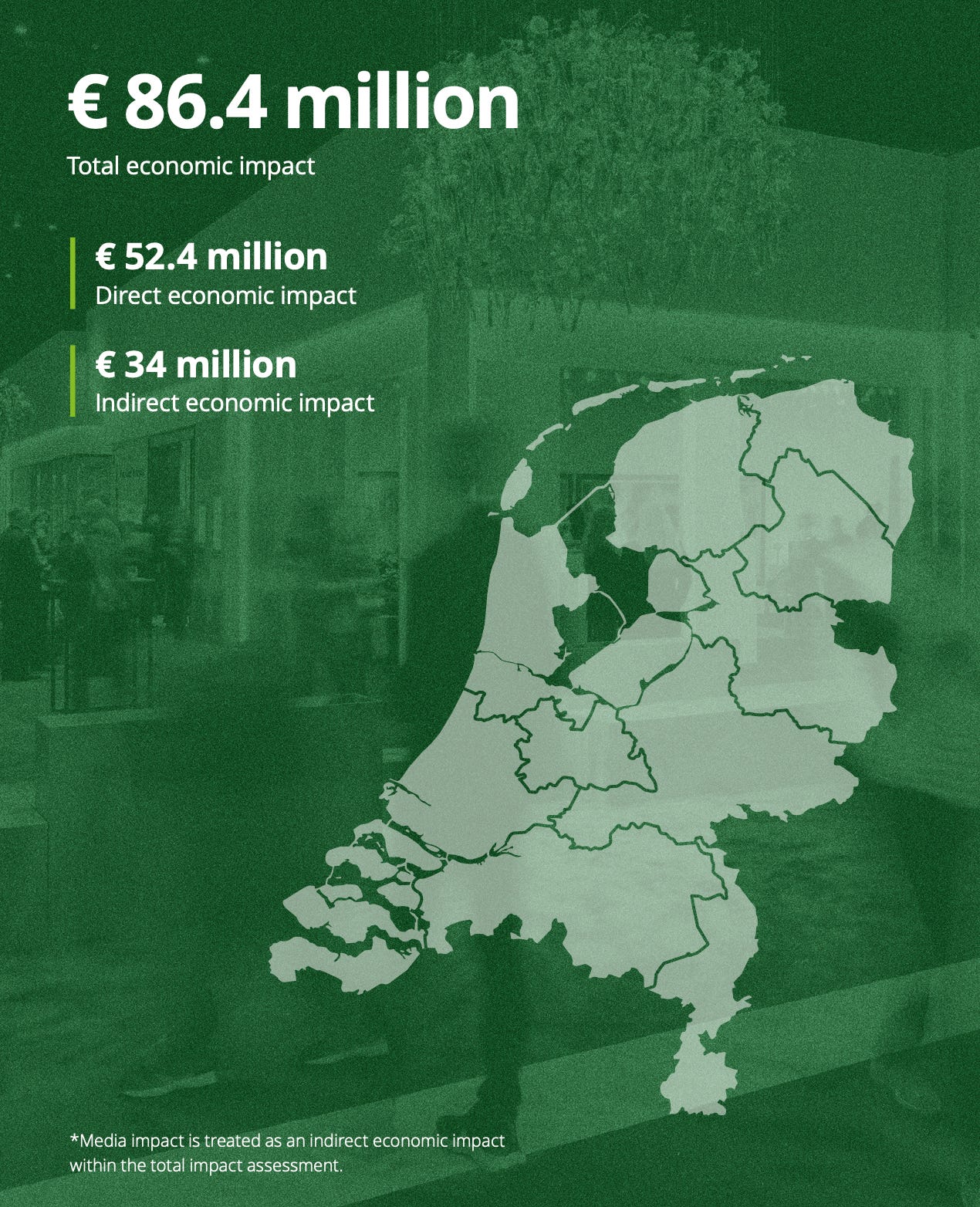
The geopolitical stakes of the Biennale are real in financial terms, not merely symbolic. A useful reference point: TEFAF Maastricht – structurally comparable but far smaller – generated €86.4 million in total economic impact over eight days, with 41,249 visitors from 75 countries and press coverage reaching a global audience of 52 million people, equivalent to €5.6 million in advertising value.
The Venice Biennale runs for six and a half months. Its 2024 edition drew approximately 700,000 visitors – the second-highest attendance in its history. This year’s opening day alone drew around 10,000, up 10% on 2024. Nations do not maintain permanent pavilion buildings in a lagoon since 1914 out of cultural enthusiasm. The return – in diplomatic visibility, collector relationships, and soft power signalling – justifies the cost. This is precisely why the EU’s funding cut lands with such precision: financial leverage is more actionable than moral condemnation.
THE HONEST MAP
The theme of this year’s Biennale is In Minor Keys – meaning in subtlety, in quieter frequencies, in what doesn’t announce itself.
The irony has intensified. The loudest institutional rupture in the Biennale’s 131-year history is unfolding in a garden in Venice: a jury that quit before the gates opened, a Golden Lion suspended, seventy artists refusing its replacement, twenty-seven pavilions striking in solidarity, and a Russian pavilion closed to the public and generating more diplomatic press than almost any open one.
There are no diplomats in the Giardini. No treaties, no vetoes, no summit communiqués. There is real estate built during the First World War, a jury that walked out, and 100 nations deciding what they want the world to think of them for the next six months.
That is not a minor key. That is the score – and this year, it is playing at full volume.
For collectors, advisors, or professionals visiting Venice this season, I offer private Biennale tours for groups of one to five people, with a focus on geopolitical context, institutional dynamics, and what the market is watching. Register here»
Comments
Nothing yet. Say the first thing.
Sign in to join the conversation.