
With all the talk of “computational creativity”, and the huge damage to artists’ financial security done by science, I couldn’t help but think about my own career as a scientist. If you’re making art right now, your fear and anger are sane. I’m on your side.
From the inside out, I know all of science’s faults. Becoming an artist has further improved my understanding of the scientific beast. Having seen both sides, I know that there is an epochal fight happening right now.
Today, I wish to expose to you the reason why a part of science has taken this dark path of fighting against humanity.
A long time ago, I joined an ecology lab to do experiments on the perception of beauty. The idea was to prove a certain scientific theory of beauty, called “fluency”.
Immediately, as I describe this theory, you will get a taste of how science operates.
The theory of fluency posits that the sensation of beauty arises when a visual stimulus is fluently processed by the brain. Meaning, you find something beautiful if your eye easily processes it, because it saves your energy, and you feel good about it.
Starting to get the picture ?
As always in science, you need lots of data, for statistical relevance. So we got a jury to judge the beauty of thousands of people’s faces, which is an absurdity in and of itself.
Next, we modeled the human visual brain with computer simulations (as if such a simulation were possible today). With this simulation, we analyzed how much neuron activation each person’s face caused.
With the measures of people’s beauty, and the measures of neuron activation, we could then ask if the more beautiful people caused less neuron activation. Remember, less neuron activation means less energy, more fluency, and thus more beauty.
Guess what the result was ? Almost no correlation. We even optimized the model and still couldn’t manufacture the effect.
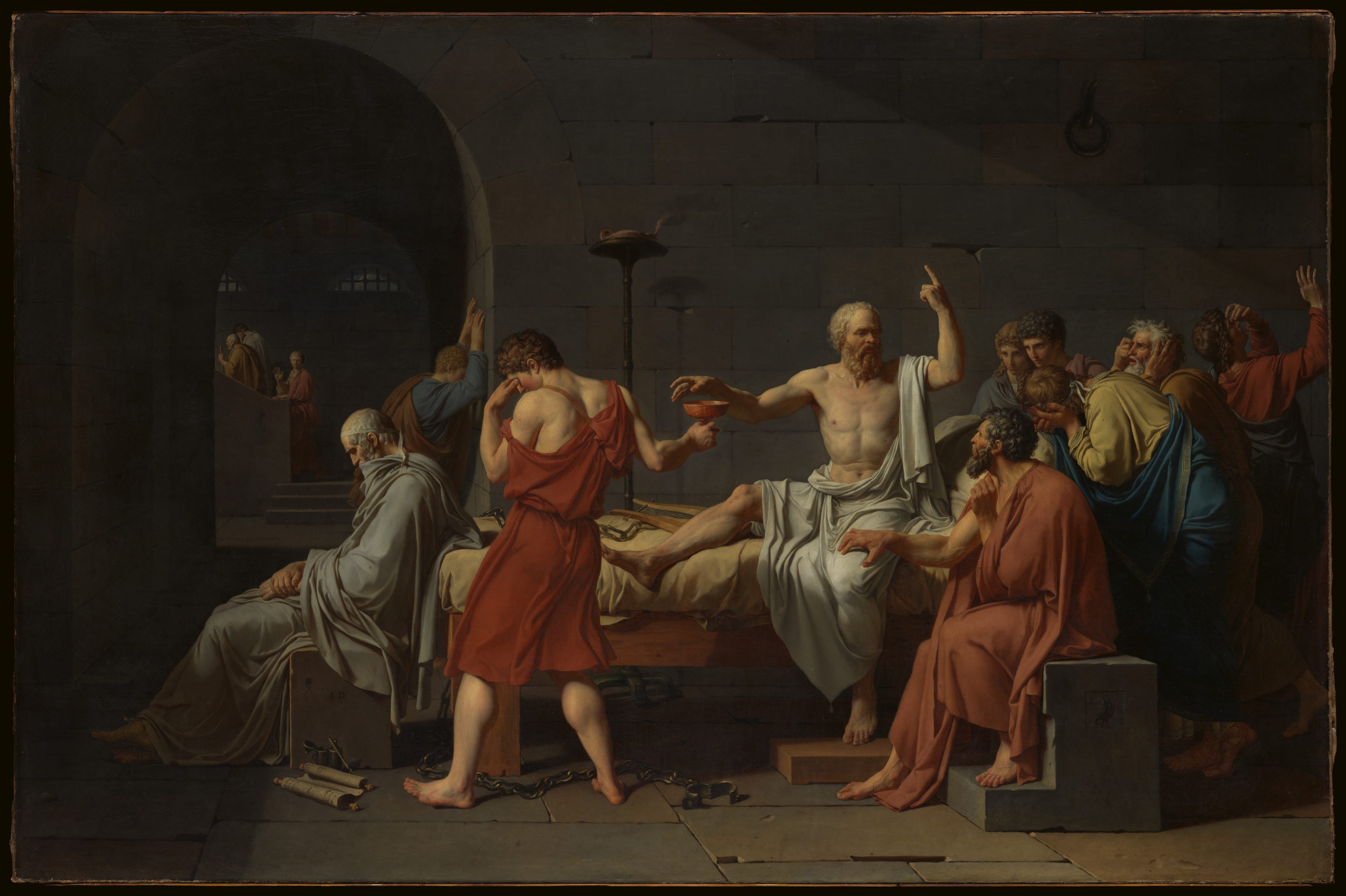
I was part of the thought process for much of this, and I ran all the experiments myself. This failure has taught me a lesson that can save a lot of artists from despair.
The truth is that we repeated the same error throughout the experiment. Instead of raising our understanding to grasp the object of our study, we reduced our target down to a simple, mean, rational thing. That, we could understand. But it was no longer Beauty.
We tried to reduce Beauty to a brain process, which can never capture it. Unable to measure it, we tried to get at it with lots of data. We reduced it to mere statistics. Repeating the same mistake again, we pretended to understand the brain, and simulate it (which we can’t).
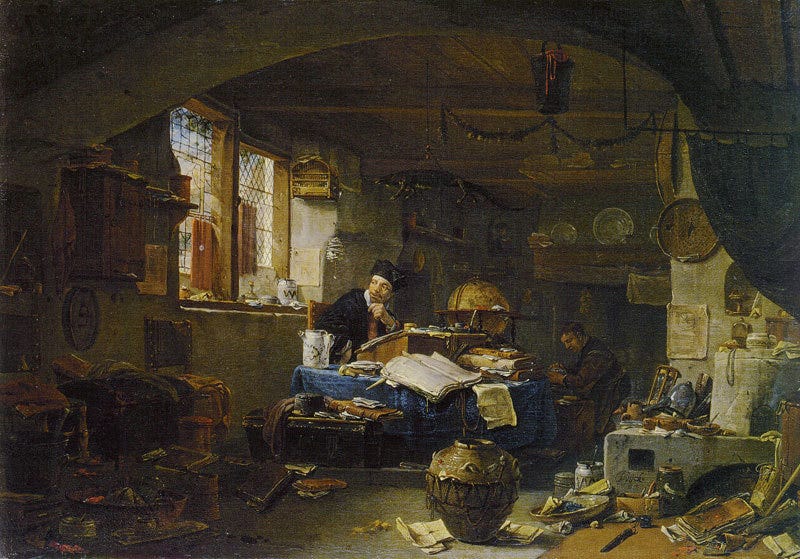
This experience was one of the reasons I decided to transition into art. Science has had its time in history, now it’s time for Art. People are starved for meaning, and your job will soon be to supply it for them
.
I’ve been writing for 2 years, standing with the artistic community, trying to bring this about. The truth I’ve been trying to spread is this : As an artist, you’re not that small, and in time, you’ll overcome the genuine hurt and damage done to you by AI.
As everyone knows, it’s cultural and subjective. It is one of those things that has always escaped the grasp of scientists (and to some degree, philosophers). But as I will show you next, science has found its new secret weapon…
Let’s take a Jungian approach for this one.
Whether you’re a traditional painter, an internet-native illustrator, or a geek artist, you are most likely interested in Carl Jung.
Let’s face it : science is VERY useful. It solves so many problems, from sickness to injury, infrastructure, productivity and survival. In truth, science is the modern hero(ine). It’s flying around the world, saving everyone, and has done so for hundreds of years. We should all be grateful to it, and respect it forever.
But in Jungian psychology, there are dark aspects to the hero. The hero’s shadow side is arrogance, and an excess of zeal. Not accepting failure, and wanting to solve every problem, the hero(ine) will sacrifice the world to reach her aim. Her ego does not allow for failure, and she will do anything to maintain self-importance.
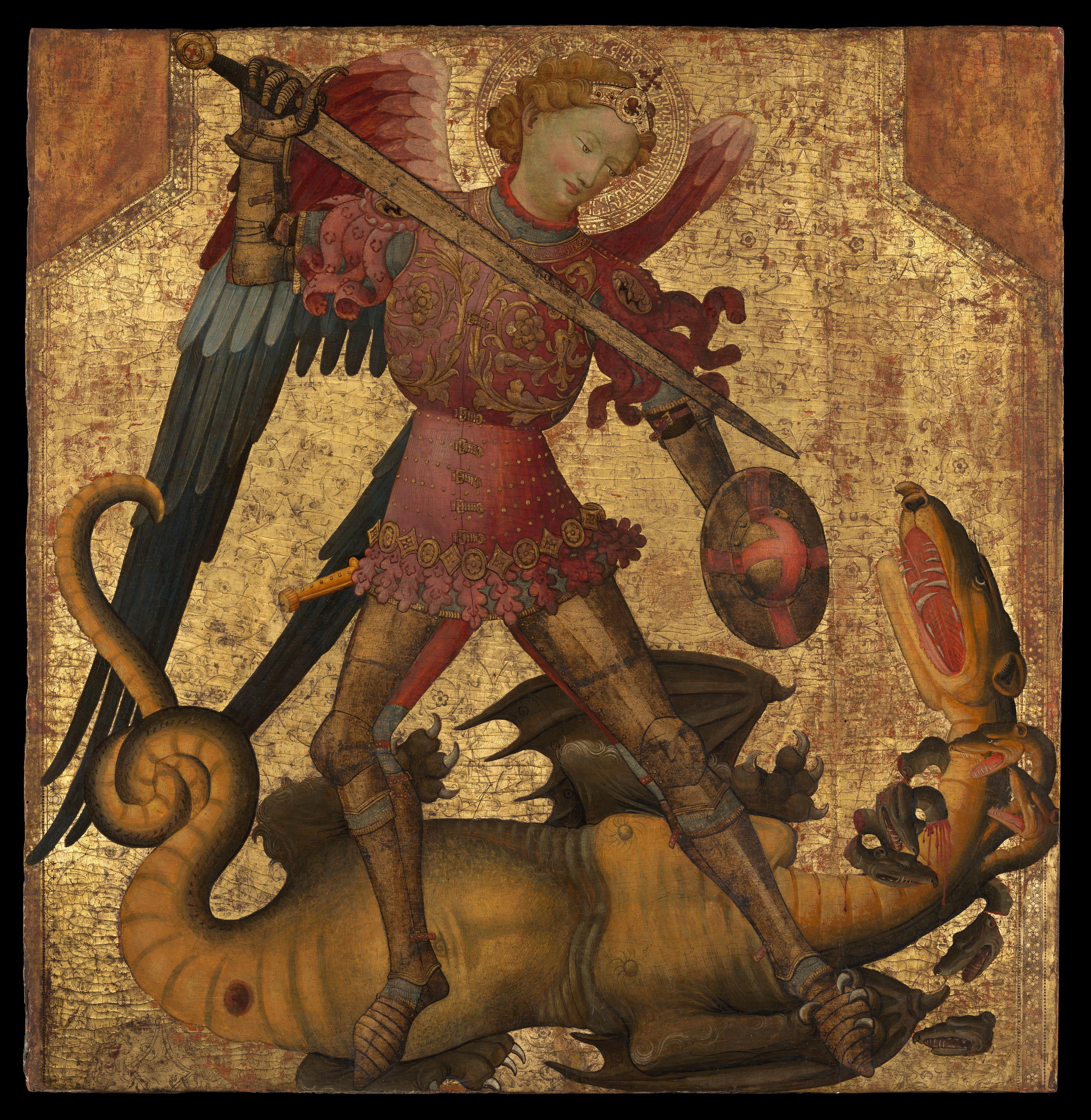
This is exactly what’s happening with science. And I’ve been there, so you know I’m not just ranting. This is how you get so-called artificial intelligence. This is how you get “creativity science” (how many great artists got their creativity from “creativity science” ?), and consciousness studies; even neuroscience to some degree.
In each of these impossible fields, science cannot accept defeat. Yet, unable to succeed, she is left with an ego bruise. And this leaves her with only one choice. If she cannot solve the problem, she must at least look like she has solved it. To maintain this appearance, she will reduce everything to a mean, simple shell that can be understood. Creativity is just a computational question. Consciousness is just global information availability in the brain. Beauty is just a byproduct of efficient processing. Reality is nothing but the atoms of physical reality. The soul doesn’t exist.
Don’t you wonder why science wants you to believe you’re just a temporary bundle of atoms on a rock flying through empty space ? Don’t you feel small, mean, simple, deterministic ? Science wants to look like it has solved everything, but it hasn’t.
Be mindful of the lies sent your way. It isn’t bigger than you. It doesn’t understand you or this reality.
Till next time,
ArtPostAI.
Comments
Nothing yet. Say the first thing.
Sign in to join the conversation.