
The humanity of a moment with the ones we love. The spontaneity some find on solitude, and others in the wildest, most crowded places. The mystery of bugs, wondering around dew-covered leaves.
The paralyzing freedom of death.
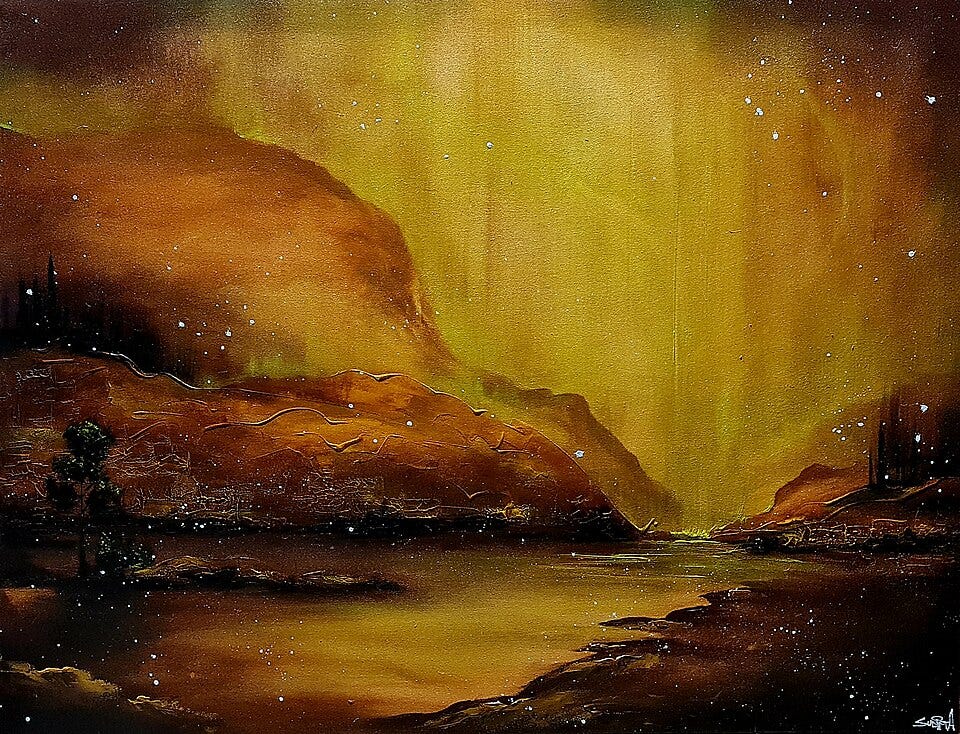
Can an image alone, mere pixels, represent this fully ? Or a song ? Or are there timeless features of Art that have always guaranteed its impact ?
These features may apply to music, sculpture, painting, literature, cooking, any form of art. Even LIVING, if you think about it.
Features that, perhaps, may be out of AI’s reach ? Features that may guide your artistic path, starting today.
All my life, I’ve had close friendships with all sorts of artists, as well as scientists and engineers. I am viscerally aware of the tragedy humanity is bringing upon itself. And with my unique background, I hope to free some minds to fight this tragedy, to the very best of their ability.
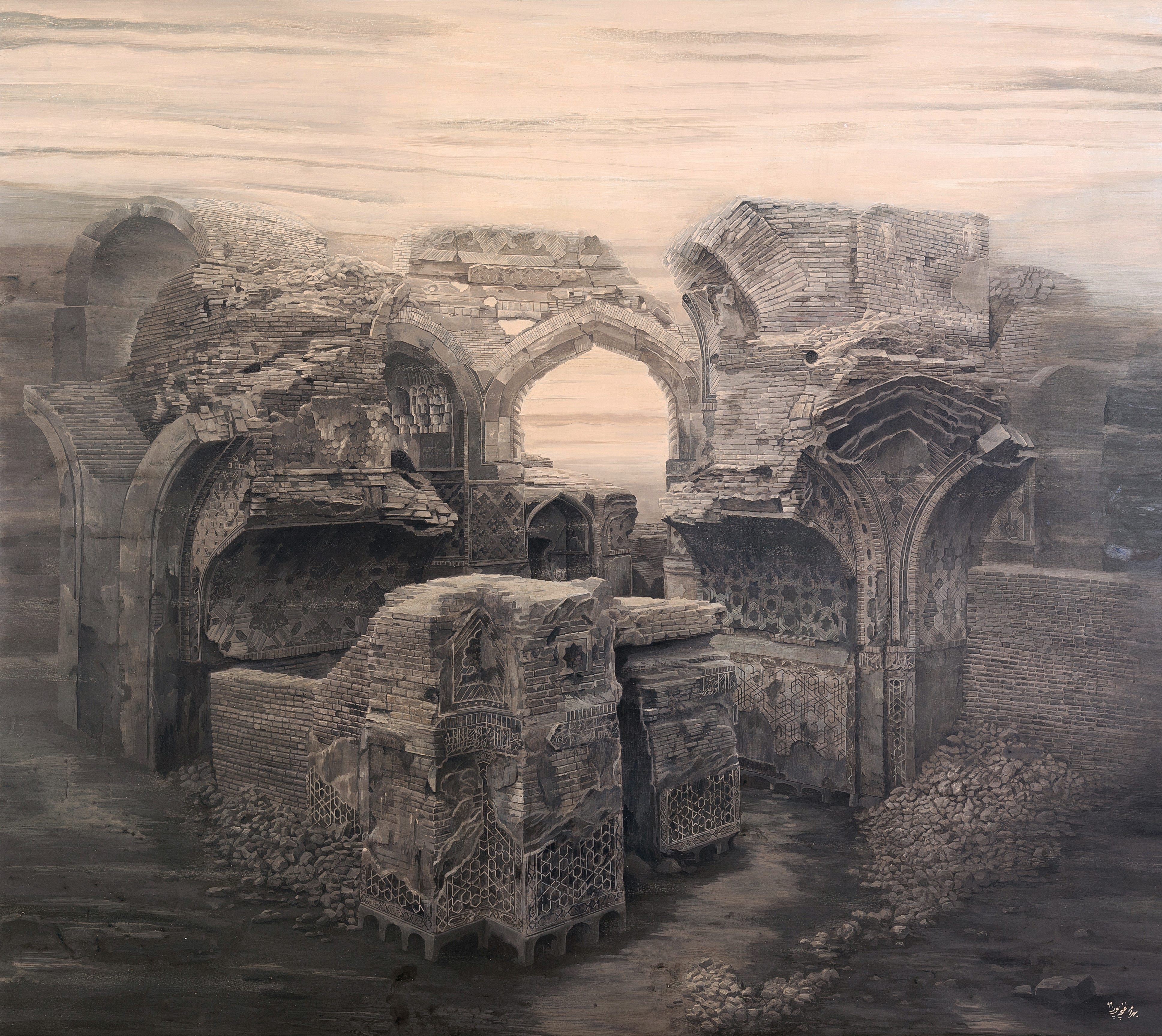
In this post, I’ll be going through 3 of the main principles of Art.
In the second part (will be posted soon), with my AI research background, I’ll explain the 3 core principles of AI “Art” in plain English. With this contrast between humans and AI, you’ll walk away confident that you can take down this beast, and live the adventure of a century. Yes, in this life. Your life.
If I ask you to describe your life, you probably won’t tell me about all the bugs you’ve squashed on your commute over the years.
Yet that is part of your life. So why not tell it ? Because I’ll think you’re mad. And you very well could be (unless it’s a case of having a similar vibe with a stranger, and you open up immediately).
The lesson to be drawn from this ? Out of the infinite number of facts, your body and brain aggressively filter out the ones that matter. And out of this very limited number of facts, you aggressively filter out the ones you say to other people. This tyrannical selecting-out of facts trickles down through society and creates what we call culture.
An artist does the same with their Art. Out of the infinite number of things to represent and talk about, they choose one. They are attempting to convince others around them that this particular FACT, should NOT be filtered out.

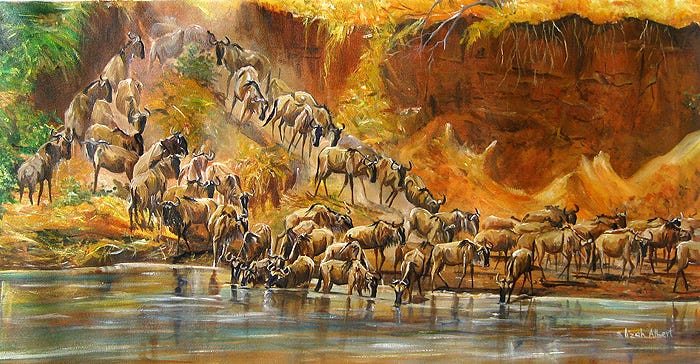
To achieve this end, economy of means is required. The less fluff, the less irrelevant additions, the clearer the message. The elephant is much more obvious in a ROOM, than in the savanna, surrounded by 20 others.
In cinema, from the director, to the actors, all the way to the final editor, everyone is cutting and selecting out ideas, zeroing down on the one most important thing to say in the movie. Tens of millions of dollars and a 100-people team doesn’t sound like economy of means. But when you think that this all was compressed into a 90-minute movie, THAT is economy of means.
Economy of means also happens to be one of the rules of Aesthetics. Coincidence ? I think not. I think this kind of selection is part of the nature of reality, and is thus pleasing at all levels : meaning, pleasure, harmony, and so on.
I have practiced traditional techniques for 6 years now. (I will NEVER, I say NEVER, include AI in my artistic process). Like many others, I would describe this journey as entering an infinite ocean.
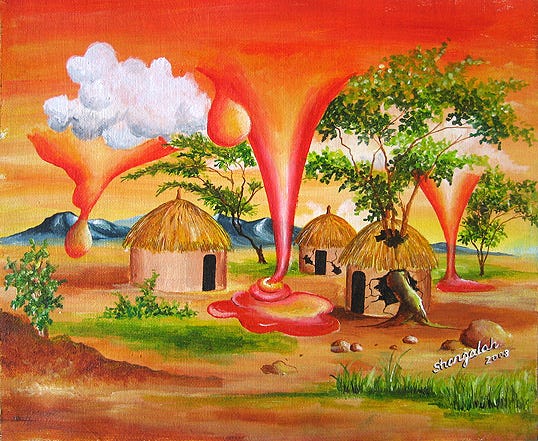
You start off on solid ground, having some idea of what you want to study. Perspective, figure drawing, landscape, composition, color theory.. There’s a lot to study there !
But then you actually sail out into the ocean. Slowly but surely, you lose sight of the solid ground. You’ve gone every direction, studied figure drawing, perspective, composition, color theory. And in neither direction did you find solid ground. In each one, no matter how long you go, you only find a deep blue horizon.
You can try to go back to the shore from which you first came. But it is no longer there. You’re stuck sailing this ocean forever, practicing over and over and over with no definite aim in sight. The path you trace in this infinite ocean, little by little, over the course of your life, paints the picture of your artistic style, or identity.
In my case, I’ve explored color very little, and have gone all in on composition, landscape and figure drawing. The impact I get through realism and mastery of detail suits me very much. For now, I haven’t needed color to express my message.
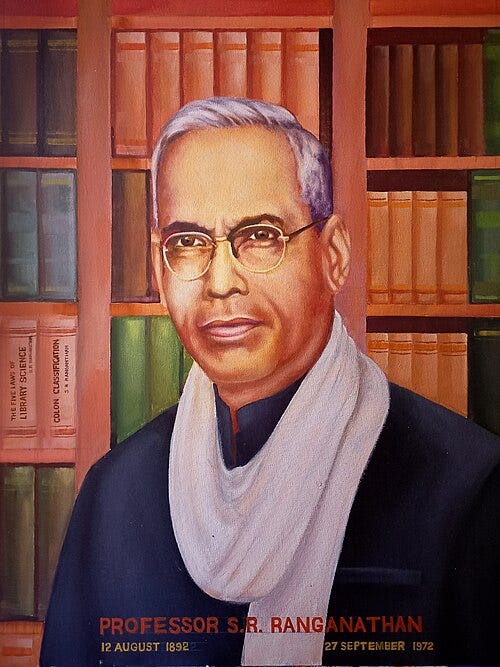
This is the journey of technical mastery. But why did I mention hierarchy in the title of this subpart ?
The idea comes to me from my mathematics practice, and discussions with neuroscientist colleagues. It’s called chunking.
Imagine you bring a small piece of paper with you on the boat. As you first sail off the shore, the smallest part of the ocean seems to you like a huge, uncharted, confusing, frustrating territory. You write down the details of this small chunk, and it uses up all your paper. But as you scour this part of the territory again and again, you begin to understand how it works, and you can represent it with just three lines on your map. (for example, perspective can be summed up with “objects get linearly, or non-linearly smaller as they recede”. With enough practice, this sentence says everything about perspective).
Eventually, years down the line, the part of the ocean that you could see from the shore (figure drawing, color theory….), in turn, only takes 3 lines on your map. You now have a lot of map (or brain)-space for all the other mysteries of the ocean.
So the process is :
fill out your map with the new stuff
simplify all of it into three lines, constituting a new englobing pattern.
you now have free brain space, repeat step 1.
This process happens at the scale of individuals, but also of Art movements, and even societies. Subscribe if you want to hear (probably next week ?) about how this compares to AI’s learning process.
You’ve heard it over and over and over again. AI lacks “intention”. It lacks “human experience”. But no one seems to be able to articulate this any further. Hopefully this was a first step towards it for you. In part 3 of this series, I’ll go through the 3 core principles of AI “Art”, and it’ll become crystal clear to you, exactly what your artistic edge is.
Personal note : Okay, sorry guys.. I know I said 2 parts only, but it’s too late and I want to send this issue out. So this’ll be a 3 part series at the end of the day. Second part, I’ll discuss PRESENCE as the third core principle of Art (presence means a lot of things, and I’ll discuss all of them). In part three, we’ll tackle the AI beast.
Till next time,
ArtPostAI
Comments
Nothing yet. Say the first thing.
Sign in to join the conversation.