
Lululemon had the legs to be the Nike of wellness, i.e., the default uniform for an entire way of living, the brand a generation reached for without thinking. For a while, it was exactly that. The woman who built her weekend around a Pilates class and a matcha did it in Lululemon, and the brand owned a category it more or less invented. That position is slipping now, and not because someone built a better pair of leggings. It is slipping because Lululemon can no longer tell you who it is for, and in this market, that is the whole game.

Victoria’s Secret and Lululemon reported within days of each other, into the same nervous consumer economy, and the market split them down the middle. Victoria’s Secret grew net sales 15 percent, posted its fourth straight quarter of positive comps, and watched its stock jump more than 40 percent in a session. Lululemon reported a 3 percent decline in North America, cut its guidance for the year, and is down close to 40 percent in 2026.
The easy story is that one brand is hot and one is cold. The useful story is why, and the why is the same variable for both.
Victoria’s Secret spent two years deciding who it was for again, and the quarter is the receipt. Hillary Super described the brand in three words on the call, i.e., sexy, glamorous, and luxurious, which reads like a slogan until you remember the company spent years afraid to say any of them out loud. That was the work. Victoria’s Secret took share with shoppers under twenty-five while pulling back on promotions, which is the tell, because a customer who buys at full price wants the brand and not the markdown.
The rest of the proof is identity, not price. Pink is being rebuilt as a lifestyle instead of a discount bin, beauty kept growing on fragrance demand from younger shoppers, and app downloads reportedly rose around 50 percent. None of that is a discount story. All of it is a clarity story, i.e., a customer who knows what the brand is and wants to be seen inside it.
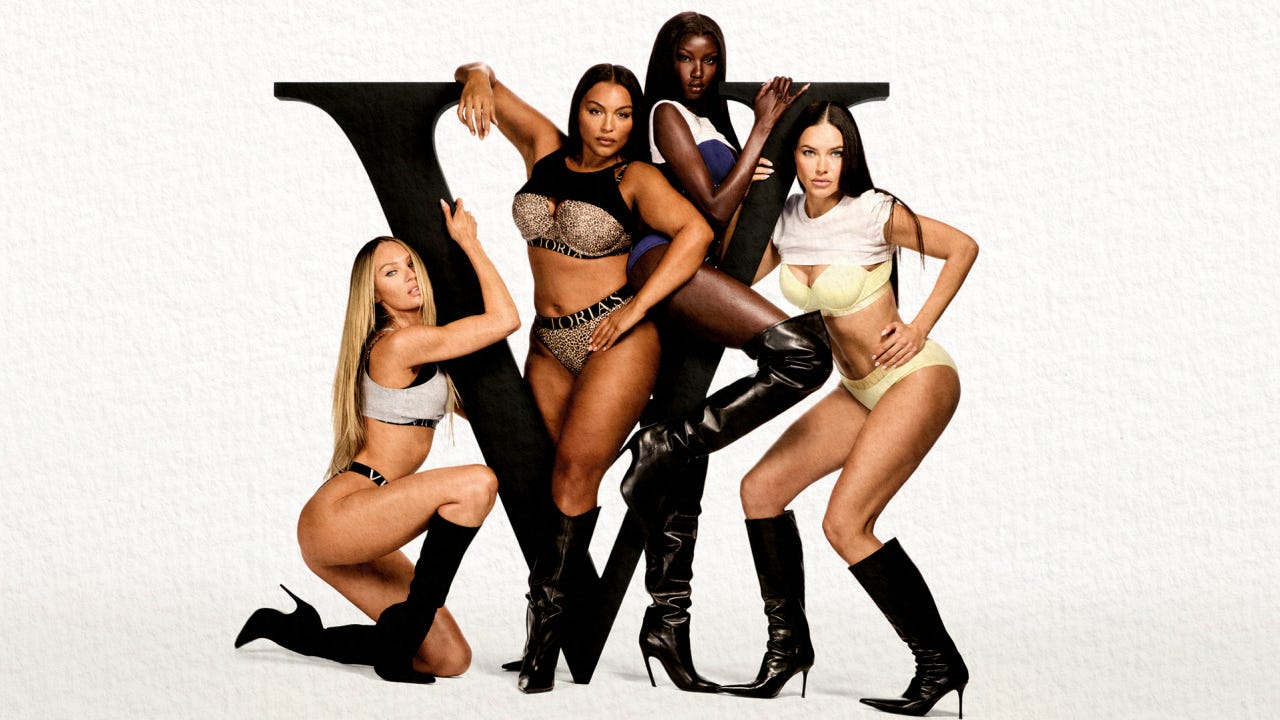
Lululemon is the inverse, and the most damning version of it is coming from inside the house. Founder Chip Wilson, mid-proxy fight, argued that the brand had stretched into so many mass-market product lines that the presentation became messy and customers no longer knew what Lululemon was, so they bought from competitors with a clearer vision.
That is exactly what happened to wellness while Lululemon was busy trying to be everything to everyone. The category did not shrink; it splintered, and every lane got claimed by a brand that could say who it was for in a sentence. Vuori took the affluent professional who wants one wardrobe for the gym and the day, Alo took the studio-to-street crowd, fluent in where the young customer lives online, and Set Active took the Pilates studio set with its bold matched sets. None of them tried to serve everyone, which is precisely why each one peeled off a piece of the customer Lululemon used to own.
A brand that cannot describe its customer cannot make decisions for her, whereas a brand with a sharp customer makes a hundred small choices a year that all point the same way. Lululemon’s product calendar started reading like a brand hedging its bets, i.e., a little of everything for everyone, which is the surest way to be the first choice of no one.

Some in the industry offer a tidier explanation for all of this: that the Lululemon customer simply aged out, that the woman who lived in the brand through her Pilates years grew up and drifted off, as every cohort eventually does. It is a comfortable story because if she had changed on her own, no one inside the company would have made a decision that cost it the lead.
Here is what the age narrative gets wrong. The Lululemon customer did not disappear into adulthood and stop caring about her body or her clothes. She walked with her wallet to brands that can finish the sentence Lululemon now stumbles on.
And she went to the brands that offered her a clearer worldview– brands like Vuori, Alo, and Set Active, which clearly own a brand world.
This is where World Building, the framework I come back to in nearly every brand I touch, stops being theory and starts being a balance sheet. A brand is not a logo or a fabric; it is a world a customer wants to live inside, drawn clearly enough that she can place herself in it. Victoria’s Secret rebuilt its world, i.e., sexy and glamorous and unembarrassed about it, and she moved in. Lululemon let its world blur into a department store, and she went looking for smaller, sharper worlds that still felt built for her.
The generation is a distraction. Both brands chased the same young woman in the same week, so age cannot be the explanation. The brand that could name her kept her, whereas the brand that could not handed her to someone who could.
Lululemon’s answer, so far, is to spend its way back, i.e., a heavier marketing budget and a new chief executive from Nike who does not start until September. Money makes a clear position louder and cannot manufacture one. A bigger budget aimed at an undefined customer mostly buys reach into rooms full of people who will never see themselves in the brand.
Victoria’s Secret took the young customer by getting specific and spending less to do it, whereas Lululemon plans to win her back by getting louder. One of those works within a single quarter, and the other pays for the confusion until the brand does the harder thing: decide who it is for and say it out loud.
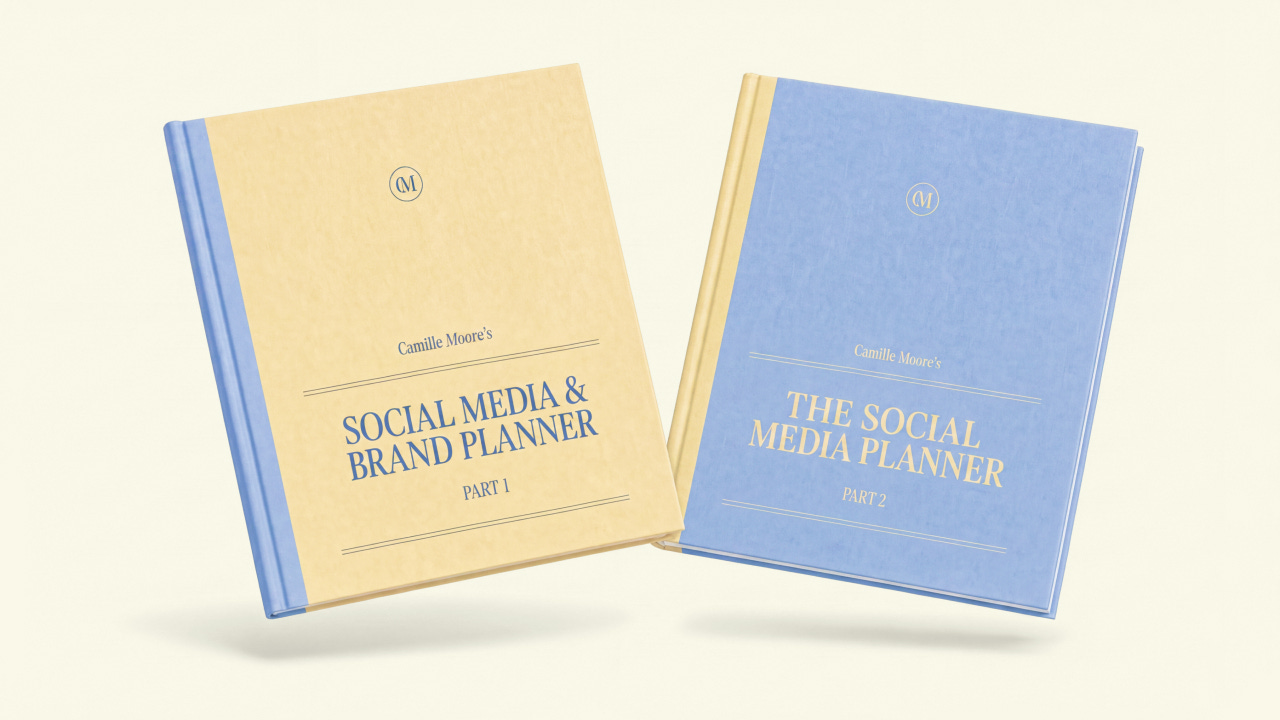
On a personal note, the first-ever brand and social planner I have spent two years building is finally here. The two-part system is the exact strategy I use to create the kind of brand clarity Victoria’s Secret is winning with, i.e., knowing who you are for and building a world she wants to live in. This first run is small and nearly gone, so if you are ready to be someone’s first choice instead of everyone’s second, this is where you should start.
Thanks for reading today!
Xx Camille
—
If you want to listen to our podcast episodes, head to Art of the Brand on all streaming platforms.
If you are interested in working together or hiring Third Eye Insights, my international strategy + creative firm, click here.
Comments
Nothing yet. Say the first thing.
Sign in to join the conversation.